
The Quick Read: Usually, yes. Rent from a duplex, triplex or fourplex you live in can count toward qualifying income on a cash-out refinance, but only a reduced share of it counts. Rent does not raise how much cash you can take. That is set by the home’s value and the 80% LTV ceiling on an FHA cash-out. You must also have owned and lived in the home for 12 months before the case number is assigned.
Does FHA Cash-Out Work on a 2-4 Unit Home You Live In?
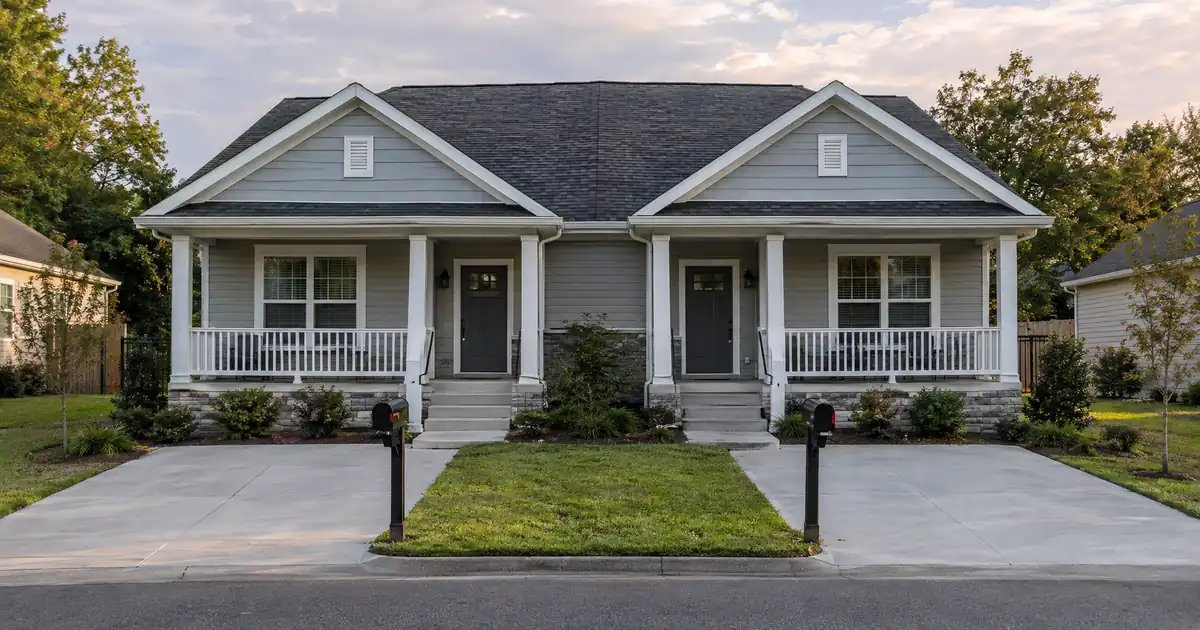
Yes. FHA cash-out is built for owner-occupied principal residences, and a two- to four-unit building qualifies as long as you live in one of the units. Across the wholesale programs Lendmire places FHA files with, the cash-out tops out at 80% LTV on a home owned and occupied for 12 months before the case number. These specifics are subject to lender guidelines and a full review of property, leverage, and credit.
That 12-month test trips up more files than the rent question does. A buyer who moved in last spring may have a strong rent roll and still not be eligible yet. The lender confirms occupancy with things like employment records or utility bills, so the paper trail needs to show you at that address.
Move out and the lane closes. Cash-out on a non-owner-occupied property is not available under FHA. If you are weighing options on a home you no longer live in, the program is the wrong tool.
Lendmire arranges these loans through wholesale lenders as a mortgage broker. Details on the FHA cash-out refinance program sit on its program page, and every figure here is subject to lender guidelines and full file review.
Where Rent Counts and Where It Doesn’t
Rent has three possible jobs in this file. It can add to qualifying income, it can feed a self-sufficiency test on larger buildings, and it can raise the borrowing cap. It does the first, sometimes the second, and never the third.
| Question | Does rent play a role? |
|---|---|
| Qualifying income (debt ratios) | Yes, at a reduced amount |
| Self-sufficiency test | Yes, on 3-4 units only |
| Maximum loan (80% cap) | No, value sets the cap |
| ADU rent on a one-unit home | Barred in a cash-out |
HUD’s Mortgagee Letter 2023-17 allows rent from the subject property to count as effective income on a two- to four-unit dwelling. The exclusion that gets confused with this one is aimed at a one-unit home with an accessory dwelling unit. ADU rent cannot be used to qualify a cash-out. Duplex rent is a different case, and that rule does not bar it.
How Much of the Rent Actually Counts?
Only a haircut amount counts. When there is no rental history since your last tax filing, the lender uses 75% of the lesser of two figures: the appraiser’s fair market rent or the rent in the lease. In that no-history case the appraisal must also show market rent and at least 25% equity, per the same HUD letter.
If you have a rental history, the lender documents it, usually with traditional personal-income documentation. The same 75% reduction applies, and the housing payment is subtracted to reach net rental income. That net figure is added to your gross income. It cannot be used to shrink your total mortgage payment.
Two practical points follow:
- The lesser-of rule bites. A lease signed below market pulls the counted rent down. A vacant unit with a high appraiser estimate still gets capped by what the lease or appraisal supports.
- Rent supplements your income, it does not replace it. Credit, history and debt ratios still carry the file. The base ratio pair is 31/43, and documented compensating factors can reach 40/50 at the top tier, with the automated finding governing most files.
What the Appraisal Has to Show
On a 2-4 unit file the appraisal is a full one, and it includes a rent schedule. The form used for small residential income properties lists fair market rent for each unit, and existing leases are added where available. This is why a cash-out here is never a streamline. The FHA Streamline refinances an existing FHA loan with no appraisal, and it does not pay cash out.
Appraisal access is a quiet friction point. Tenants have to let the appraiser in, and units need to be show-ready. A unit the appraiser can’t see can turn into a rent figure that comes in light or a delay in the file. Lining up tenant access before the appraisal is ordered prevents most of that.
Low appraised rent is the other common snag. Because the lesser of appraisal rent and lease rent counts, a weak rent schedule hurts twice: it lowers qualifying income and can weaken the self-sufficiency result on larger buildings.
Triplex and Fourplex: The Self-Sufficiency Test
Duplexes skip this test. Three- and four-unit homes do not.
On a 3-4 unit property, the net rent the building produces, after the vacancy and maintenance reduction, has to cover the full housing payment. The housing payment divided by that net rent cannot exceed 100%. It is separate from your own income, so a strong salary does not rescue a building that fails it. The test uses the appraiser’s fair market rent from all units, including the one you live in, per HUD’s draft handbook property-type language. Confirm the exact wording against the live handbook.
Reserves may also apply on 3-4 units. HUD’s archived refinance reference guide describes both the self-sufficiency test and a reserve requirement for these cash-outs. That guide is dated, so treat reserves as something the lender will confirm on your file, not a fixed number. Terms depend on the lender’s guidelines, the property type, the leverage, and a full review of the credit profile.
Picture a fourplex owner with a solid salary and one unit sitting vacant. Their personal ratios look fine. But the building’s net rent, run through the vacancy deduction, falls short of the housing payment. The file stalls on the building, not the borrower. Filling that unit with a documented lease before the appraisal changes the picture.
Walking Through a Cash-Out With and Without Rent
Consider a triplex example described in percentages and plain words, with no dollar amounts. Say you own a triplex, you have lived in one unit for well over 12 months, and the appraisal supports a value that sets the 80% ceiling. The new loan is the existing balance plus the cash you take, up to that ceiling, and it includes the financed upfront premium of 1.75% of the base loan.
- Without rent: only your employment income is measured against the debt ratios. If total debt pushes past the ratio pair that fits your credit profile, the file is short.
- With rent: 75% of the lesser rent figure, net of the housing payment where history exists, is added to income. The ratio improves, and the file may fit.
- The cash: identical in both cases. Value and the 80% cap decide it. Rent only changed whether you qualified.
Annual mortgage insurance also applies, between 0.15% and 0.75% of the balance depending on term, loan amount and LTV. On a thirty-year loan above 90% LTV it lasts the full term. At or below 90% it ends after eleven years. That is a program mechanic, not a price quote, and it stays in the budget whether or not rent helped you qualify. The exact numbers vary by lender and program and follow a full review of property, leverage, and credit.
FHA Cash-Out vs. the Alternatives
| Option | Cash out? | Rent treatment |
|---|---|---|
| FHA cash-out | Yes, to 80% LTV | 75% of lesser rent counts |
| FHA Streamline | No | Not a cash tool |
| FHA rate-and-term | No | Appraisal required, reaches 97.75% |
| Conventional cash-out | Yes | Own rules, own documents |
Conventional lenders set separate rules for subject-property rent. Fannie Mae’s Selling Guide calls for rent schedules, traditional personal-income documentation and leases on refinances. That is a different program with its own documentation, so don’t assume FHA’s 75% treatment carries over.
One more trap: the 80% cap applies to combined debt. A HELOC or second lien does not add room above it.
Edge Cases That Change the Answer
Boarders. HUD’s boarder income letter allows boarder income with a 12-month history and evidence of receipt for at least nine of the last 12 months. How that interacts with cash-out specifically should be confirmed with the lender.
Non-occupant co-borrower. Income from a co-borrower who doesn’t live in the home cannot be used for a cash-out, even though a non-occupant co-borrower is allowed on an FHA purchase.
Inherited property. Renting a home after inheriting it does not start the clock. The 12 months of principal-residence occupancy still has to be met.
One-unit with an ADU. Covered above. The ADU rent is out.
Lender overlays. Wholesale lenders can add their own requirements on top of HUD’s. The programs Lendmire works with start at a 580 decision score, though HUD itself has a lower tier the network does not reach.
Which Situation Are You In?
- Lived there 12+ months, duplex, tenant in the other unit: the cleanest fit. Document the lease and expect the rent schedule to carry the income side.
- Triplex or fourplex: plan for the self-sufficiency test and ask about reserves early.
- Moved in less than 12 months ago: wait. Rent can’t fix the occupancy clock.
- Moved out: FHA cash-out is no longer available on that home.
- Single-family with an ADU: don’t count on the ADU rent.
Tax treatment can depend on your situation; borrowers should speak with a qualified tax professional before relying on any deduction or credit.
Documents to Gather Before You Apply
- Current leases for every rented unit, signed and legible.
- Traditional personal-income documentation, if you have a rental history to document.
- Proof of 12 months’ occupancy: employment records or utility bills at the address.
- Mortgage payment history for the existing loan.
- Tenant contact and access details for the appraiser.
Clean paper doesn’t guarantee an approval. It does leave fewer preventable gaps for the lender to chase.
Frequently Asked Questions
Can I qualify using only rent, with no job income?
Not in practice. Rent supplements income. Only 75% of the lesser rent figure counts, and credit and debt ratios still carry the file. Lenders also review the whole borrower profile under their own guidelines.
Does the rent from the unit I live in count?
On 2-4 units, the appraiser’s rent schedule covers each unit. For the self-sufficiency test on 3-4 units, the fair market rent from all units counts, including yours. Qualifying income treatment is separate and follows the 75% rule on rent actually produced.
Will rent let me borrow more than 80% of the value?
No. The 80% LTV ceiling applies regardless of rent, and it includes any second lien. Rent only helps with debt ratios and, on 3-4 units, the self-sufficiency test. Final terms depend on the lender’s guidelines, the property type, and the borrower’s complete credit picture.
Does a duplex need the self-sufficiency test?
No. It applies to three- and four-unit homes only. A duplex file leans on your ratios and the rent calculation.
What if I just bought the building?
The home must have been owned and occupied for 12 months before the case number is assigned. A recent purchase generally has to season first, regardless of rent. Lender guidelines and full file review decide the rest.
If you are weighing a cash-out refinance against keeping the loan you have, Lendmire can review your scenario and help you compare the programs and the equity each one reaches.
About Lendmire
Lendmire (NMLS# 2371349) is a mortgage broker licensed for consumer lending in 16 states. Lendmire arranges FHA, VA, conventional and jumbo purchase and refinance loans through wholesale lenders; every file is underwritten by the lender under the applicable program guidelines. Scotsman Guide named Lendmire a Top Mortgage Workplace in both 2025 and 2026.
Get Started
Ready to find the right loan for you?
In about 30 seconds you can review financing options available for your home or investment property. No commitment required.
Informational only. Not a Loan Estimate, approval, or commitment to lend. Program availability and eligibility are subject to lender guidelines, credit approval, property review, and underwriting.
References
1. HUD Mortgagee Letter 2023-17
2. HUD Handbook 4000.1 drafting table: property types and self-sufficiency
3. HUD HOC Reference Guide, Refinances
4. Fannie Mae Selling Guide B3-3.8-02
5. HUD Mortgagee Letter 2025-04
This article is part of Lendmire’s FHA Loan series — every loan program’s qualification details, guidelines, and scenarios live on the loan options page.
Related reading: FHA Cash-Out Self-Sufficiency Requirements on a 2-4 Unit Primary Home · Does a Paid-Off Home Qualify for an FHA Cash-Out Refinance? · How to Move a 2-4 Unit Primary Home From FHA to Conventional Cash-Out
Brandon Miller
Founder & CEO, Mortgage Loan Originator, Lendmire LLC
- Mortgage Loan Originator · NMLS# 1129696 · Verify on NMLS Consumer Access
- North Carolina Real Estate Broker · License# 343312 · Verify on NCREC
- North Carolina Insurance Producer · License# 19053198 · Property, Casualty, Life, Health · Verify on NAIC SBS
- Lendmire LLC · Firm NMLS# 2371349 · Verify firm licensure
Legal disclosures. Lendmire (NMLS# 2371349) is a state-licensed mortgage brokerage that arranges financing through wholesale lender relationships. Lendmire is not a direct lender, depository institution, or registered financial advisor. The discussion above is general informational content about real estate financing — it is not financial, legal, or tax advice, and readers should consult licensed professionals for guidance on their individual circumstances. Loan inquiries are subject to lender underwriting; this article does not represent a commitment to lend. Loan terms, rates, and qualification standards vary by borrower, property, and state, and are subject to change at any time. Equal Housing Opportunity. NMLS Consumer Access: nmlsconsumeraccess.org.