
Current VA cash-out guidelines, updated from one source.
Nothing in the cards is a rate or a payment. They are the program’s settings: the ceiling on the loan as a share of the reasonable value, the funding fee tiers and exemptions, the seasoning clock, and the benefit and ratio parameters. The calculator further down applies them to a Montana home.
Of the reasonable value, funding fee included, on a principal residence
100% of the reasonable value is the ceiling on the whole loan, fee included, which is why the fee tier chosen changes the cash available. The loan being replaced can be a VA loan or any other loan, and the cash is unrestricted once the old liens and the costs are retired.
First use; 3.3% after first use; exempt with service-connected disability compensation
The funding fee on a cash-out is 2.15% of the loan for a first use of entitlement and 3.3% for any later use, and it may be financed. Veterans receiving compensation for a service-connected disability, surviving spouses receiving dependency compensation, and certain others pay no fee at all.
And six payments on the loan being refinanced, whichever comes later
210 days and six payments, whichever is later, must have passed on the current loan before VA backs the cash-out that replaces it. Where the new loan does not exceed the old payoff, VA also requires the fees to be recouped within 36 months through the lower payment.
A net tangible benefit test, a debt-to-income guideline, and residual income that decides
VA sets no minimum score of its own; the wholesale programs begin at 580. The 41% ratio is a guideline, secondary to residual income, and the new loan must give the veteran at least one of VA’s net tangible benefits: a lower payment, a shorter term, a fixed rate in place of an adjustable one, or another on the list.
| Loan | Fee | Notes |
|---|---|---|
| Cash-out refinance, first use of entitlement | 2.15% | May be financed into the loan; the total may not exceed the cap |
| Cash-out refinance, subsequent use | 3.3% | Any prior VA loan counts as a prior use, including an IRRRL |
| Exempt borrowers | 0% | receiving VA compensation for a service-connected disability; eligible to receive VA compensation for a service-connected disability but receiving retirement or active-duty pay instead; surviving spouses receiving Dependency and Indemnity Compensation (DIC) |
| Rate-reduction refinance loan (IRRRL), for comparison | 0.5% | An existing VA loan refinanced for a lower rate or a fixed rate; no cash out; no appraisal required by VA |
The line-of-credit alternative: Lendmire’s HELOC program lends to 90% combined loan-to-value on a primary residence while the existing first mortgage stays in place and carries no funding fee. A conventional cash-out reaches eighty percent of value, and one wholesale lane goes higher; FHA cash-out reaches eighty percent with mortgage insurance. Each is compared on the same numbers before a recommendation.
Current VA cash-out snapshot · updated October 1, 2026 · the new loan is sized on the reasonable value with the funding fee financed inside the cap · county figures bear only on remaining entitlement and are confirmed by a Lendmire loan officer · taking cash out raises the balance and may extend the payoff · Lendmire is a broker, never the lender.
Read every figure on this page as a program parameter and nothing more: the leverage on the reasonable value, the funding fee by use of entitlement and the exemptions, the seasoning thresholds, the net-tangible-benefit test, the wholesale credit floor, and the ratio guideline come from Lendmire’s guideline source on the date shown and are subject to change and to underwriting. Calculator payments are estimates on a published benchmark rate. Lendmire LLC, NMLS #2371349, broker, not lender, not a government agency. Not legal or tax advice.
What a VA cash-out refinance is — and how the file is qualified.
An underwriter opens a VA cash-out file in a fixed order, and these cards follow it: the mechanics of the VA-backed loan, the entitlement and the fee, the tests on the old loan and the new one, and the comparison with the alternatives a Montana veteran should run before choosing.
For the program overview, see Lendmire’s VA cash-out refinance program; the rules are VA’s, at VA.gov, and the Certificate of Eligibility is requested there.
One new VA loan, cash at closing
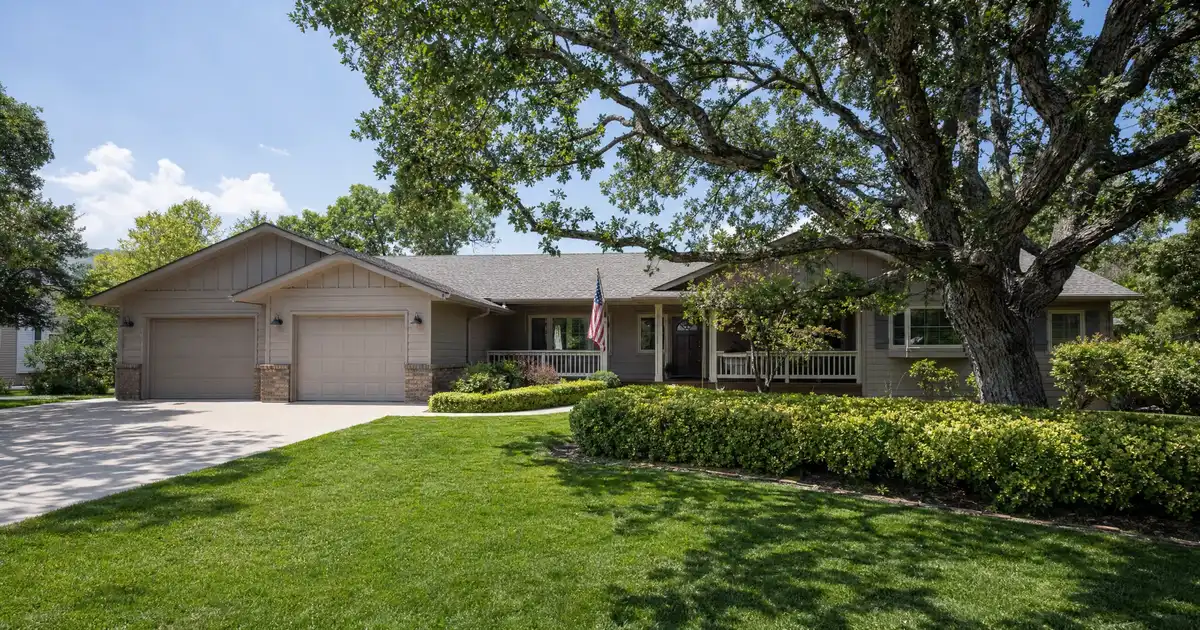
Picture the house being refinanced from scratch with VA’s guaranty behind the lender: a loan sized to the Notice of Value, the payoffs and costs taken from it, the fee financed within it, and the balance of the proceeds wired after rescission. The old payment ends and one new payment with no monthly insurance takes its place.
Entitlement, the COE, and the funding fee
Entitlement can be restored and reused. A veteran who paid off a prior VA loan and sold the home has full entitlement again; one who kept the home with a VA loan on it has partial entitlement for a Montana cash-out and pays the subsequent-use fee. The COE shows which, and the lender reads it before anything else is ordered.
Seasoning, the net tangible benefit, and the appraisal
Where the new loan does not exceed the payoff of the old one, VA adds a recoupment test: the fees and costs must be recovered through the lower payment within the stated months. Where the new loan is larger, as it is in nearly every cash-out, the benefit test alone applies. The lender also hands the veteran a written comparison of the two loans at application and again at closing.
VA cash-out or the alternatives
Run the comparison before choosing. For a Montana veteran the VA cash-out reaches further than any conventional or FHA route and carries no monthly insurance, but it is a full refinance with a funding fee unless the veteran is exempt. The line of credit wins when the first mortgage is worth keeping and the sum is modest or arrives in stages.
Applied to a Montana home, the formula runs top to bottom: cap times value gives the ceiling with the fee inside it, the fee tier divides it into a maximum base loan, the payoff comes off, the cash request is tested against the remainder, the fee is added back, the total is amortized over the term, and the escrows are added before the ratio is checked.
Where Montana’s equity sits — and how VA cash-out fits.
Montana is many markets: ownership, values, and incomes shift from city to city, and every VA cash-out in the state is sized against its own Notice of Value. The Census figures below describe the state as a whole.
Statewide figures provide general market context, not an appraisal or an income calculation. Scale, not quotation: the median value sizes a typical loan at the cap, and the median income sizes the payment and the residual income a typical household is left with.
Data sources: U.S. Census Bureau — ACS 5-Year (2024) housing and population estimates, including tenure, home values, gross rents, and household income.
Where Montana’s veterans borrow equity — market by market.
Lendmire serves Montana one market at a time. The cities below rank by owner households, and each opens a VA cash-out guide of its own with local Census context, the same guideline block, and a calculator seeded with that market’s values.
Billings
Near 33,059 households own in Billings (65% of the total), and the veterans and service members in that number carry an entitlement that reaches further than the conventional or FHA cash-out caps in this metropolitan market. Census context: median value near $343,400, median household income near $73,712, population near 119K.
Great Falls
About 17,439 households own in Great Falls (66% of the total); a VA cash-out there is sized by the reasonable value, less the balance, with the funding fee financed inside the cap. Census context: median value near $257,000, median household income near $63,373, population near 60K.
Missoula
About 16,420 households own in Missoula (47% of the total); a VA cash-out there is sized by the reasonable value, less the balance, with the funding fee financed inside the cap. Census context: median value near $473,100, median household income near $70,392, population near 77K.
Bozeman
Roughly 10,721 Bozeman households own their homes, about 45% of households, and in a metropolitan market of that size the VA cash-out is how eligible veterans reach equity the conventional caps leave behind. Census context: median value near $687,900, median household income near $85,747, population near 56K.
Helena
Helena’s roughly 8,303 owner households, about 53% of households sit in a metropolitan market whose values keep most VA cash-out loans comfortably inside the wholesale program’s reach. Census context: median value near $387,300, median household income near $71,036, population near 34K.
Whitefish
Roughly 2,653 households own in Whitefish (62% of the total); in a resort and second-home market this size the VA cash-out pairs with the market exactly as it does in the larger cities. Census context: median value near $684,300, median household income near $73,811, population near 8.7K.
There are no Montana markets with their own VA cash-out rules. The full-value leverage, the fee tiers and exemptions, the seasoning rule, the benefit test, the credit floor, and the residual-income standard are identical everywhere in the state; county figures enter only where entitlement is partial, and a Lendmire loan officer confirms them rather than this page printing them.
Four ways Montana veterans put equity to work.
Use decides instrument. The purposes below are the ones a Montana review meets most often, each with the detail that settles whether the VA cash-out is the right tool for it.
Replace a conventional or FHA loan with a VA loan
Converting a Montana home’s financing to VA is a cash-out even when little cash is taken, because the new loan replaces a non-VA loan. The old insurance premium disappears, the fee is financed inside the full-value cap, and the Certificate of Eligibility is the first document the lender asks for.
Renovate or repair the home
The Notice of Value is of the Montana house as it is, which means the renovation is funded from existing equity rather than future value. A defect the appraiser reports is fixed first; the rest of the work is paid from the cash after rescission, on a fixed payment with no monthly insurance that the veteran can plan around for the life of the loan.
Pay off a second lien or a line in repayment
The settlement agent pays the line or the second mortgage from the proceeds and closes it, leaving one VA-backed first mortgage with a fixed payment. Because the leverage reaches full value, a Montana veteran can fold in a second lien that the conventional cap would have left standing.
Capitalize a business or an investment
Equity has started many a Montana business, and the VA cash-out is one way to draw it as a lump sum at full-value leverage. Underwriting ignores the venture’s prospects and looks at the veteran’s own income, credit, and residual income; the mortgage payment is owed whatever the business does.
Estimate the cash, the fee, and the new payment on a Montana home before requesting a quote.
Enter a Montana value, the current balance, and the cash you want; choose the fee tier, a term, and the escrows. The calculator returns the maximum loan at the cap, the most cash available after the fee, the total loan with the fee financed, the cash at closing before costs, the fee itself, principal and interest, the full payment, the ratio against VA’s guideline, and the line-of-credit figure on the same value.
Montana VA cash-out estimate
A Montana example to start from. Enter your own figures and your fee tier to see your own ceiling and payment.
Editable benchmark: 7.28% as of October 1, 2026 · Freddie Mac 30-year average via FRED®. A conventional market reference, not a VA cash-out refinance quote.
Illustrative starting assumptions: a $375,000 home value near Montana’s median owner-occupied value, a $206,000 current balance, the full-value VA cap with the first-use funding fee financed, a thirty-year term at the current Freddie Mac benchmark, property taxes and insurance estimated for Montana (U.S. Census Bureau). Every field is editable.
Illustrative estimate only — not a Loan Estimate, approval, quote, or commitment to lend. The rate field carries the weekly Freddie Mac thirty-year conventional benchmark, a market reference and not a VA cash-out refinance quote; a VA loan is priced by the lender at lock. The total loan, funding fee included, is capped at the program leverage on the reasonable value; the fee follows the tier chosen. The cash available is what the cap allows less the balances paid off and the fee, before closing costs, which are not included. The HELOC line is the line program’s combined loan-to-value ceiling applied to the same value and balance. Taxes and insurance are editable estimates. The debt-to-income figure is a guideline; residual income decides a VA file. Licensed in sixteen states for consumer mortgages.
Same equity, three ways to borrow it.
A Montana veteran can reach the same equity three ways, and the differences are structural: a VA cash-out replaces the first mortgage at full-value leverage with the fee inside; the VA streamline refinances an existing VA loan for a better rate with no cash; a home equity line sits behind the first mortgage and prices only the new money. The cards compare them.
VA cash-out, the IRRRL, or a HELOC.
The furthest reach of the three cash-out programs on this site: full-value leverage, no monthly insurance, a credit review built on residual income, and proceeds that are the veteran’s to use. The costs are those of a complete refinance plus the fee, and the loan being replaced must be seasoned.
Rate relief without equity. A veteran with a VA loan who wants a lower payment and nothing else takes the streamline; a veteran who wants cash, or who has a conventional or FHA loan to replace, needs the cash-out. The Montana review prices both when the current loan is VA. See Lendmire’s VA loan program for the IRRRL.
A line borrows only the new money. The first mortgage stays, the draw comes in stages, the payment during the draw period is often interest only, and no funding fee applies; the credit standard is the line program’s rather than VA’s. The trade is a payment that can change and two liens instead of one. See Lendmire’s home equity line of credit.
VA cash-out for reach, streamline for rate, the line for keeping the first mortgage. The written terms settle which serves a Montana veteran, and the review produces them on the same value, balance, and cash for all three, with the fee counted where it applies and left out where the veteran is exempt. Without entitlement, see the conventional and FHA cash-out programs.
What to prepare for a Montana scenario review.
No purchase contract, but the entitlement has to be proven and the residual income documented. A Montana file usually needs the items below, roughly in the order the lender asks.
This is a general preparation guide, not a universal checklist. The selected lender may request additional information based on the transaction, the property, the automated finding, and the income picture. Nothing here is legal or tax advice.
Local details that can change the loan.
Before counting the cash on a Montana home, know what the fee takes, what residual income requires, what the seasoning clock and the benefit test demand, and what the VA appraisal can find.
Use these checks to keep the Montana file clean and fundable.
Entitlement first, residual income second, seasoning third; after those, a Montana VA cash-out is documentation.
- Confirm the fee tier: A prior VA loan, including a streamline, makes the next use a subsequent use.
- Compute the residual: A ratio above the guideline needs residual income well above the table or other justification.
- Expect the waiting period: The cash is wired after the rescission period, never at signing.
The funding fee comes out of the cash unless the veteran is exempt
The fee is financed inside the full-value cap, so on a Montana home it reduces the cash rather than the leverage: a first use of entitlement pays the lower tier, any later use pays the higher one, and a veteran receiving compensation for a service-connected disability pays nothing. The COE settles the tier, and the calculator shows what each tier leaves.
Residual income decides a VA file
A Montana household with children, a larger home, or a higher loan amount needs more residual income, because the table rises with family size and loan size and differs by region. Debts paid off through the closing come out of the calculation, which is why consolidation files often clear the table even when the ratio looks high.
The rescission period before the money moves
Every VA cash-out is on the veteran’s principal residence, so every one carries the federal right of rescission: a short period after signing in which the veteran may cancel, and during which nothing funds. The old loans are paid and the cash is wired only when that period ends, which a Montana veteran with a deadline builds into the closing date.
The current loan must be seasoned
VA will not back the new loan until the loan being refinanced has aged past the later of the stated days after its first payment due date and the stated number of monthly payments made. The clock runs on the existing loan, not on the home, so a Montana veteran who recently bought or recently refinanced waits it out; the appraisal does not shorten it.
Full entitlement or partial entitlement changes the file
Entitlement is restored when a prior VA loan is paid off and the home sold, and it can be restored once while the veteran keeps the home if the loan is paid in full. The COE for a Montana cash-out shows the entitlement available, and the lender reads it before sizing anything; a veteran with a VA loan on another home is usually in partial entitlement.
From a Montana scenario review to cash at closing.
A VA cash-out runs in a set order: a review that sizes the loan on the value, the balance, the cash, and the fee tier; the Certificate of Eligibility, the application, and the automated finding; the VA appraisal and underwriting on residual income; closing, the rescission period, and disbursement. Each step is laid out below for a Montana veteran.
Scenario review
The review settles the shape of a Montana file: whether the current loan is seasoned, which fee tier the COE will show, what residual income looks like after the new payment, and whether the streamline or a line would serve the purpose for less. The answer is written terms, and the appraisal waits until the plan holds.
COE, application, and automated finding
Application turns the plan into a file: the lender confirms the entitlement on the COE, records the household, the income, and the obligations VA’s residual-income table needs, and runs the automated system, which lists the conditions and tests the ratio against the guideline with the closing payoffs removed and the fee tier applied.
VA appraisal and underwriting
Value, then verification. The Notice of Value fixes the ceiling for the Montana home; the underwriter verifies the entitlement, the age of the current loan against the seasoning thresholds, the benefit the new loan provides, the residual income after the new payment, and the payoffs. A file reviewed on a cautious value usually passes without being resized.
Closing, rescission, and funding
Sign, wait, receive. The closing disclosure and VA’s loan comparison are signed, the settlement agent holds the package through the rescission period, and at funding the old liens are paid and released and the proceeds reach the Montana veteran by wire, leaving one VA-backed loan with no monthly insurance where there may have been three.
A brokerage built around equity lending.
In order of importance on a VA cash-out: every instrument is available, so the comparison is real; the file is placed across programs, so the cost is not one desk’s; and the terms are on paper before any fee changes hands.
Every route, one review
Three instruments priced side by side on the same Montana figures: the VA cash-out with its fee, the streamline with the smallest fee and no cash, the line of credit behind the current loan. The veteran chooses from the numbers, and the loan officer says plainly which column wins for the purpose at hand.
Placed across wholesale programs
VA sets the program; each wholesale lender layers its own overlays and its own cost on top. The Montana file goes to the lender where the score, the leverage, and the property fit best, and the veteran’s terms come from that placement, not from the only desk in the building.
Terms in writing, before any fee
Paying for an appraisal on a plan that cannot close wastes a veteran’s money, so the review is done on a conservative value with the seasoning, the entitlement, and the residual income confirmed, and the terms are written before the appraisal is ordered. A Notice of Value under the plan then resizes a loan the Montana veteran already understands.
Trusted by veterans & families alike.


Montana VA cash-out refinance FAQs
What a Montana loan officer hears about VA cash-outs, answered plainly and without the figures that belong in the snapshot and the calculator above.
What is a VA cash-out refinance, and who can use it?
For a Montana veteran it is the furthest-reaching cash-out available: the whole reasonable value, fee included, with no monthly insurance and a credit review that weighs residual income over the score. The entitlement earned by service is what the loan spends, and the COE is where it is proven.
How much cash can I take out with a VA refinance?
Four inputs decide it: the value, the balance, the cap, and the fee rate. The snapshot holds the cap and the fee, your statement holds the balance, the appraiser holds the value. The calculator combines them for a Montana home and prints the line-of-credit figure next to the VA figure.
How much is the VA funding fee on a cash-out, and who is exempt?
A first use pays the lower tier and a later use the higher one, with any prior VA loan, a streamline included, counting as a prior use. The exemption for service-connected disability compensation is the common one, and a veteran whose rating is granted after closing with an earlier effective date may have the fee refunded.
How long do I need to have had my current loan before a VA cash-out?
Count from the current loan’s first payment due date and count the payments made; the later of the two thresholds in the snapshot must have passed. The appraisal and the entitlement do not shorten the clock.
What credit score do I need for a VA cash-out refinance?
No VA minimum, a wholesale starting point in the snapshot, and residual income as the real test. The ratio guideline is secondary, and a ratio above it is approved when residual income runs well past VA’s table or other justification is documented.
Should I use the VA streamline (IRRRL) instead?
Use the streamline to fix the rate on a VA loan; use the cash-out to borrow equity or to replace a non-VA loan. Both are arranged here, and the review prices them side by side when the current loan is VA.
How do I get my Certificate of Eligibility, and what does it show?
The COE is VA’s statement of what the veteran has earned: full or partial entitlement, prior use, and exemption from the fee. A Montana veteran who has it before the review saves the delay that chasing service records later adds.
What is different about the VA appraisal?
A value and a property report in one, issued as a Notice of Value. A low value shrinks the loan and the cash; a property finding adds repairs before closing. Walk the home for the obvious items before the appraisal is ordered and plan the cash on a conservative value.
What is residual income, and how does it affect my file?
Residual income is what is left of the household’s net income each month after the new mortgage payment, every other monthly obligation, taxes and insurance, maintenance and utilities, and federal and state tax. VA publishes tables of the minimum by region, family size, and loan size, and a file must meet the table; where the ratio runs above VA’s guideline, residual income must run comfortably past the table or other justification must be documented. For a Montana household it is the figure that decides the approval.
What does a VA cash-out refinance cost to close?
The usual costs of a refinance plus the financed fee, with VA’s limits on what a lender may charge keeping them inside known bounds. Plan on the cash after the fee and the costs, not on the loan amount.
Run the Montana VA cash-out numbers, then get the terms in writing.
Three questions open a Montana VA cash-out: what the home is worth, what is owed, and what the COE shows. Lendmire answers them, places the file, and writes up the route that fits, or says plainly when the streamline or a line of credit fits better.
This guide covers Montana — for the program overview, see Lendmire’s VA cash-out refinance program.
All Montana city guides (6): Billings · Bozeman · Great Falls · Helena · Missoula · Whitefish
Related programs: Cash-Out Refinance · VA Loans · HELOC