
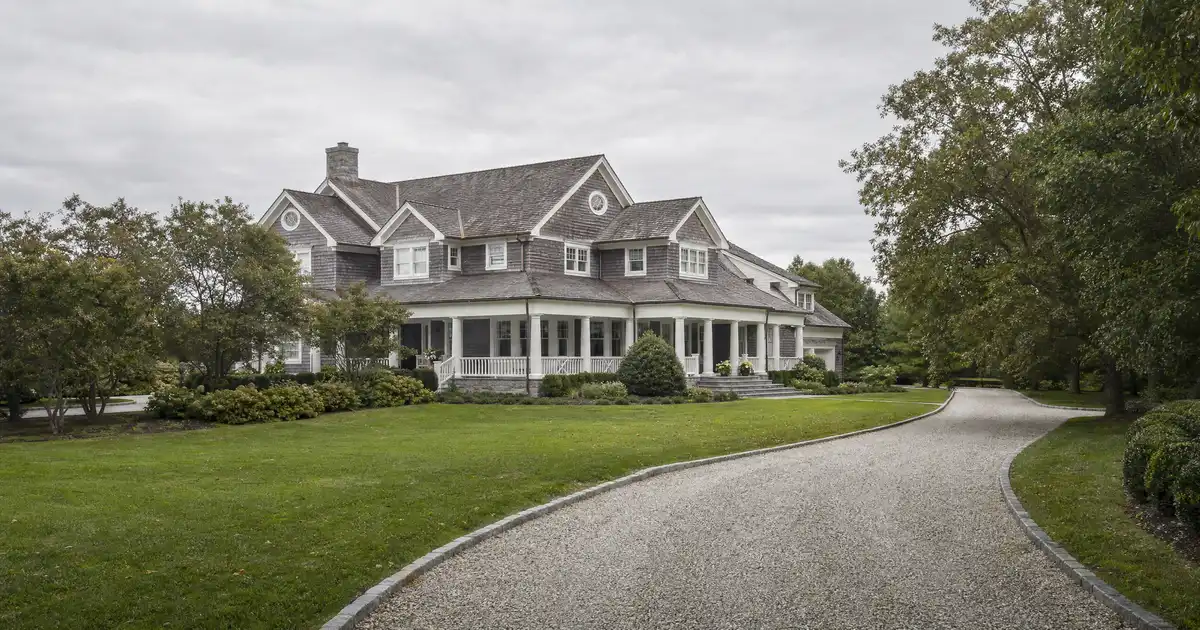
Current jumbo guidelines, updated from one source.
One guideline source feeds every number here, and the page updates when the lane sheets do. The four headline figures are the best cell across lanes; the tables underneath show which lane carries which, because no single lane carries all four at once.
From one dollar over the conforming limit to $5,000,000
From the conforming threshold to $5,000,000: that is the range the nine lanes cover between them, with the largest purchase amounts on the lanes that also carry the top leverage, and cash-out refinances capped below the purchase ceiling. The county’s conforming limit, reset each year, is the floor.
Lanes open at the floor and step up by leverage and structure
660 is the lowest credit floor in the table, carried by the lanes with the highest leverage and the widest occupancy. Other lanes ask for more in exchange for a longer term, an interest-only period, or an adjustable structure, and the automated finding still reads the whole credit file.
Loan-to-value on the top lane; eighty percent on the rest
Up to 90% on the top lane means a modest down payment on a loan well above the conforming limit; eighty percent is the ceiling on the adjustable and interest-only lanes and on the lane with the highest credit floor. The down payment is the first number a loan officer sizes.
On the fixed lanes; lower on the adjustable and interest-only lanes
The ratio ceiling is 50% on the fixed lanes, lower on the structures that carry more payment risk later, and it is read against the full payment, interest-only payments included at the interest-only amount. Reserves sit beside the ratio as a second test.
| Lane | Structure | Credit | Max DTI | Max leverage | Loan amounts | Occupancies |
|---|---|---|---|---|---|---|
| Lane A | 30-year fixed, 40-year fixed, 40-year fixed with 10-year interest-only | 700+ | 50% | 89.99% CLTV | above the conforming limit to $5M | primary, second, investment (cash-out: primary and second only) |
| Lane B | 30-year fixed | 660+ | 50% | 89.99% CLTV | above the conforming limit to $3M | primary, second, investment |
| Lane C | 30-year fixed | 720+ | 50% | 80% CLTV | above the conforming limit to $3.5M | primary, second |
| Lane D | 30-year fixed (660+); 40-year fixed and 40-year fixed with 10-year interest-only (680+, 80 percent LTV, to $2M) | 660+ | 50% | 89.99% LTV | above the conforming limit to $5M | primary, second, investment |
| Lane E | 30-year fixed | 660+ | 50% | 90% LTV | $400,000 to $3.5M | primary, second, investment |
| Lane F | 30-year fixed | 700+ | 45% | 80% LTV | $600,000 to $3M | primary |
| Lane G | 5-, 7- and 10-year adjustable-rate | 680+ | 45% | 80% LTV | above the conforming limit to $5M | primary, second, investment |
| Lane H | 30-year fixed with a 10-year interest-only period and 20-year amortization | 700+ | 43% | 80% LTV | above the conforming limit to $5M | primary, second |
| Lane I | 7- and 10-year adjustable-rate with expanded ratios | 660+ | 50% | 80% LTV | above the conforming limit to $3M | primary, second |
| Lane | Reserves | Two appraisals | Non-warrantable condos | Temporary buydowns |
|---|---|---|---|---|
| Lane A | primary purchase to $5M: 6–12 months; second home to $3M: 9–12; investment to $2.5M: 12; cash-out: 9 months minimum | above $2M | No | No |
| Lane B | to $2M per the automated finding; over $2M six months in addition; reserve table: primary purchase to $3M 6–12 months, second home to $3M 9–12, investment to $1.5M 12; cash-out primary to $2M 6–12, second to $2M 9–12, investment to $1.5M 12 | above $1.5M | Yes | Yes |
| Lane C | primary purchase to $2M 6–9 months, over $2M 24 months; second home to $2M 6–9; cash-out primary to $2M 6–9, second to $2M 6 | above $2M | No | No |
| Lane D | to $2M per the automated finding; over $2M six months in addition | above $2M | Yes | Yes |
| Lane E | to $2M per the automated finding; $2M–$3M six months in addition; over $3M twelve months in addition | above $2M | No | Yes |
| Lane F | per the automated finding | one appraisal | No | No |
| Lane G | over $2M eighteen months in addition to the automated finding | above $2M (one appraisal for purchases to $3M and refinances to $2M; two for refinances over $2M) | No | No |
| Lane H | to $1M twelve months in addition to the automated finding; over $1M twenty-four months | above $2M (one appraisal for purchases to $3M and refinances to $2M; two for refinances over $2M) | No | No |
| Lane I | primary purchase to $3M 6–18 months; second home to $3M 12–18; cash-out primary to $1.5M 12 (cash to $250,000), $1.5M–$2M 15 (cash to $500,000); second home cash-out 12–18 months | above $1.5M | No | No |
Structures across the nine lanes: 30-year fixed; 40-year fixed (manual underwrite on one lane); 40-year fixed with a 10-year interest-only period; 5-, 7- and 10-year adjustable-rate; 30-year fixed with a 10-year interest-only period and 20-year amortization. Purchases, rate-and-term refinances, and cash-out refinances; principal residences, second homes, and investment property where the lane allows. The headline figures are the best cell across lanes; no single lane carries all of them, and a Lendmire loan officer matches the file to the lane that fits.
Current jumbo snapshot · updated October 1, 2026 · a jumbo loan begins one dollar above the conforming limit for the county, which the FHFA resets each year and a Lendmire loan officer confirms · amounts at or below the limit are the conventional program · Lendmire is a broker, never the lender.
This page describes lane parameters, not an offer. The amounts, the credit floors, the leverage, the ratios, and the reserves are wholesale guidelines, subject to change without notice and to full underwriting; the appraisals, the credit report, the property, the occupancy, and the conforming limit decide every file. Lendmire is a broker, not a lender. Licensed in sixteen states for consumer mortgages. NMLS #2371349.
What a jumbo loan is — and how the file is qualified.
Four rules shape a Philadelphia jumbo file: the conforming threshold that makes it jumbo, the credit floor and ratio ceiling of the lane, the reserves scaled to the amount, and the one-or-two-appraisal rule. Each is explained below with the reason behind it.
For the program overview, see Lendmire’s jumbo loan program, or the statewide guide at Jumbo Loans in Pennsylvania; for the conforming limit by county, see the FHFA.
Above the conforming limit
Two lanes in the table start at a fixed dollar floor instead of the conforming limit, which lets a Philadelphia loan sit on a jumbo lane even where the county limit is higher; the rest begin one dollar above the limit. The ceiling is the lane’s maximum amount, and cash-out runs lower than purchase on the largest lane.
Credit, ratios, and the lane
The score does not merely open the program on a jumbo file; it chooses the lane, and the lane sets the leverage, the amount range, and the reserves. A buyer close to a higher floor sometimes gains more from a short wait than from any other change to the file.
Reserves by amount and occupancy
Two reserve regimes run through the lane table: the finding-driven lanes, where the automated system sets the months and the lane adds a fixed number above its amount threshold, and the table lanes, where the sheet names the months by occupancy outright. A Philadelphia loan officer prices the file on both before choosing.
One appraisal, or two
Two appraisals cost more and take longer, and on a large Philadelphia home with few comparable sales they can land apart, and both reports are reviewed before the loan is sized. Buyers at the top of the market plan for the second appraisal in the contract timeline rather than discovering it in underwriting.
A loan officer runs the same arithmetic on a Philadelphia file with one refinement: the lane’s actual rate replaces the conforming benchmark, which is why the payment here is a reference rather than a quote. The structure, the leverage, and the amount are the moving parts.
Where Philadelphia’s larger loans are written — and how jumbo fits.
Start with the market, then the file. The Philadelphia figures below set the backdrop for a jumbo purchase: who owns, what homes are worth on the latest estimate, and what households earn, which together show how much of the market lies above the conforming limit.
Citywide figures provide general market context, not an appraisal or an income calculation. Income sets the ratio, value sets the loan and the appraisal count, and the amount sets the reserves. The Census describes the first two for the market; the file supplies all three for the borrower.
Data sources: U.S. Census Bureau — ACS 5-Year (2024) housing and population estimates, including tenure, home values, gross rents, and household income.
Distinct Philadelphia neighborhoods, distinct jumbo files.
No single jumbo file describes Philadelphia. The neighborhoods below differ in housing stock, price, occupancy mix, and the appraisal questions they raise, and each one shapes how a loan above the conforming limit is put together.
Two-to-four-unit homes above the limit
A two- to four-unit Philadelphia purchase above the limit sits on the investment lanes when the buyer lives elsewhere and on the principal-residence rules of those lanes when the buyer occupies a unit; the investment case carries the deepest reserves in the table. About 48% of Philadelphia’s households rent — roughly 327,523 renter households on the latest Census estimate.
Estate properties
At the top of the Philadelphia market the amount decides everything: only the largest lanes reach it, two appraisals apply, the reserve months rise above the thresholds, and cash-out stops short of the purchase ceiling. The file is planned around the lane that reaches the amount. Median household income in Philadelphia sits near $61,953 on the latest Census estimate.
Second homes and pied-à-terre purchases
A pied-à-terre in Philadelphia is a second-home jumbo file: most lanes reach it, the reserves run deeper, and the structure wanted picks the lane. A loan officer prices the lanes that fit before the offer. On a Philadelphia home priced well above the median, a jumbo loan at the program’s top leverage finances up to 90% of the value — the balance of the price is the down payment, before reserves and closing costs.
Newer luxury infill and new construction
New luxury construction in Philadelphia appraises more easily than the one-off homes around it, which moves the question to the amount: well above the limit, the lane’s reserve months rise and two appraisals apply above the threshold, and the structure chosen sets the lane. The median owner-occupied home value in Philadelphia runs near $243,100 on the latest Census estimate.
Close-in architect-designed homes
The architect-designed homes on Philadelphia’s best close-in streets are hard to value: few comparable sales, wide price ranges, and finishes that comparable sales may not support. On a jumbo file above the threshold two different appraisers value the home independently. Philadelphia counts a population near 1.58M within the Philadelphia-Camden-Wilmington, PA-NJ-DE-MD area.
High-rise and luxury condominiums
The condominium question on a Philadelphia jumbo file is which lanes the project leaves open, and the lender settles it before the appraisal. Once settled, the leverage, the reserves, and the appraisal count follow the lane as they would on a house. Roughly 351,905 Philadelphia households own their homes on the latest Census estimate — 52% of all households, the pool a jumbo purchase joins.
What the program accepts is the same everywhere in Philadelphia: houses, warrantable condominiums and, on two lanes, non-warrantable ones, planned developments, and two- to four-unit homes where the lane allows investment property, each at its own leverage. What it declines is the amount at or below the conforming limit, which belongs to the conventional program.
Four ways Philadelphia buyers put a jumbo loan to work.
The jumbo loan does one thing the conforming program cannot: it finances the home whose loan amount is too large for the agencies. Within that, it buys principal residences, second homes, and investment property, refinances them, and takes cash out. These are the uses that bring Philadelphia borrowers to it most.
Finance a second home or an investment property
A second home or rental at the top of the Philadelphia market is a jumbo file on one of the lanes that allows the occupancy: deeper reserves, the same appraisal rule, and leverage set by the lane rather than by an agency table.
Finance a larger multi-unit home
The larger multi-unit Philadelphia home is financed on jumbo terms when the loan outruns the limit: investment leverage and reserves on the lanes that allow the occupancy, rents counted toward qualifying, and the appraisals the amount calls for.
Choose the structure that fits the plan
A Philadelphia buyer who expects to sell or refinance within a few years looks at the adjustable lanes; one who wants the lowest early payment looks at interest-only; one who wants certainty takes the fixed lanes. Each sits on its own row in the table with its own rules.
Buy above the limit with a modest down payment
For a Philadelphia purchase above the limit, the top lanes carry the leverage the conforming program carries below it; the price of that leverage is the reserve months, the lane’s credit floor, and, above the threshold, a second appraisal from a second appraiser.
Estimate the payment on a Philadelphia price before requesting a quote.
This is what a Philadelphia jumbo purchase costs each month under each structure, with the two things conforming calculators skip: the reserve months the amount band requires, turned into dollars at the payment, and whether the amount crosses the two-appraisal threshold on the lanes that fit. Edit any field; the rate shown is the weekly Freddie Mac average and not a quote.
Philadelphia jumbo payment estimate
Use the Philadelphia defaults as a starting point and change the price, the down payment, the structure, the occupancy, and the escrows to fit.
Editable benchmark: 7.28% as of October 1, 2026 · Freddie Mac 30-year average via FRED®. A conventional market reference, not a jumbo loan quote.
Illustrative starting assumptions: a $1,000,000 price in the jumbo range for Philadelphia, ten percent down on the top-leverage lane, a thirty-year fixed structure at the current Freddie Mac conforming benchmark, property taxes and insurance estimated for Pennsylvania (U.S. Census Bureau). Every field is editable.
Illustrative estimate only — not a Loan Estimate, approval, quote, or commitment to lend. The rate field carries the weekly Freddie Mac thirty-year conforming benchmark, a market reference and not a jumbo loan quote; jumbo rates are set by the lender and the lane at lock and differ from the conforming benchmark. An adjustable-rate scenario is shown at the benchmark for the whole term; the rate after the initial period is unknown. Reserve months and appraisal counts follow the lane sheet for the amount band; the automated finding may require more. Taxes, insurance and dues are editable estimates; closing costs are not included. The conforming limit for the county decides whether a loan is jumbo at all. Licensed in sixteen states for consumer mortgages.
Same purchase, three ways to structure it.
Most purchases above the conforming limit can be structured three ways, and the structures differ more than the headlines suggest: a single jumbo loan on a lane, a conforming high-balance loan where the county’s limit reaches that high, or a conforming first mortgage paired with a second lien that keeps the first under the limit.
Jumbo, high-balance conforming, or a conforming first with a second lien.
One loan, sized to the home rather than to a county figure, with leverage that reaches high on the top lane, a choice of fixed, adjustable, and interest-only structures, and every occupancy on one lane or another. The cost is the lane’s rules: deeper reserves and a second appraisal above the threshold.
Where the county allows it, the high-balance conforming loan keeps a Philadelphia purchase inside the agencies’ guides, with their insurance rules and their lighter reserves; where the loan runs past even the high-cost figure, the jumbo lane is the only single-loan route. See Lendmire’s conventional loan program.
Two loans instead of one: a conforming first under the county limit and a HELOC second for the rest. It keeps the agencies’ rules on the larger loan and avoids the jumbo reserve and appraisal rules, at the cost of a variable-rate second lien and two payments. A Philadelphia loan officer runs it beside the jumbo lane. See Lendmire’s home equity line of credit.
Choose by amount and by reserves: far above the limit points to a jumbo lane; under a high-cost county’s figure points to high-balance conforming; just over the limit with thin reserves points to the split structure. A Philadelphia loan officer runs all three on the same numbers before recommending one.
What to prepare for a Philadelphia scenario review.
A jumbo file is documented more fully than a conforming one, because no agency stands behind it; here is what a Philadelphia scenario review typically draws on.
This is a general preparation guide, not a universal checklist. The selected lender may request additional information based on the transaction, the property, the lane, the automated finding, and the income picture. Nothing here is legal or tax advice.
Local details that can change the loan.
A handful of details decide whether a Philadelphia jumbo file closes as planned, closes on a different lane, or stalls. These are the ones that come up most.
Use these checks to keep the Philadelphia file clean and fundable.
A Philadelphia file is ready for review once three answers are in hand: the reserve months, the appraisal count, and the lane.
- Count the reserves: retirement and business funds count at the lane’s rules.
- Plan the appraisals: two appraisals from two different appraisers above the lane’s threshold.
- Check the project: the lender reviews the project before the appraisal.
Reserves scaled to the amount
Months of the full housing payment, held after closing: the larger the loan, the more months, and the more the occupancy departs from a principal residence, the more again. A Philadelphia file that is long on down payment and short on reserves is often re-sized with a smaller down payment to leave the reserves in place.
One appraisal or two, by lane threshold
Above the lane’s threshold two appraisals from two different appraisers are required; below it one appraisal serves. Appraisal waivers are not available on the prime lanes. A Philadelphia buyer above the threshold plans the second appraisal into the contract timeline and the budget.
Condominiums: warrantable or not
Project review is the one property question that can take a Philadelphia condominium off most lanes. The lender collects the association’s questionnaire, budget, and insurance before the appraisal, and a buyer under contract should ask early which lanes the project leaves open.
Income documentation on a larger file
Income that is declining, new, or hard to document is the usual reason a Philadelphia jumbo file moves from the automated lanes to a manual one or to an investor program qualified on the property instead. The loan officer reads the two-year picture before the lane is chosen.
Cash-out caps and seasoning
Where a Philadelphia owner’s current loan is worth keeping, a second lien usually beats a cash-out refinance of the whole balance; where the first mortgage should be replaced anyway, the cash-out lane does both at once. The loan officer runs the two side by side.
From a Philadelphia pre-approval to keys in hand.
Four steps: the pre-approval, the appraisals, the underwriting, and the closing. The Philadelphia version of each follows.
Pre-approval
The first conversation settles the shape: whether the loan is jumbo at all, which lanes carry the leverage and the structure wanted, how many reserve months the amount calls for, and what the ratio ceiling allows. The Philadelphia pre-approval names the lane.
Contract and appraisals
The Philadelphia contract sets the price and the timeline; the appraisals set the value and, above the threshold, there are two of them. The lender confirms the project review where the home is a condominium and the lane before underwriting begins.
Underwriting
Underwriting on a Philadelphia jumbo file is thorough because no agency stands behind the loan: every account behind the reserves, every income source over the period, and both appraisals where there are two. The approval comes with its conditions, and each is cleared in turn.
Closing
At closing the loan is funded on the lane and the structure chosen, the escrows for taxes and insurance are set up, and the reserves are left in the accounts that were verified. A Philadelphia buyer signs the note and the security instrument and occupies the home as the stated occupancy requires.
A brokerage that reads every lane.
Lendmire is a mortgage brokerage licensed for consumer lending in sixteen states, and on a jumbo loan that buys three things: the file read against every lane rather than one lender’s single product, the reserves and the appraisal count explained before an offer is written, and the terms in writing from a licensed loan officer.
Every lane, one set of numbers
Before any recommendation, the Philadelphia file is matched to every lane it fits and priced on each, then run against a high-balance conforming loan and a split structure on the same numbers. The buyer sees the payment, the reserves, and the cash to close for each.
Reserves and appraisals explained before the offer
Reserves and appraisals are the program’s demands, and Lendmire explains both first rather than last: how many months, from which accounts, how many appraisals, and what each means for a Philadelphia buyer at the price in hand.
Licensed, consumer-purpose, in writing
The license covers the state the Philadelphia home is in, the disclosures follow the consumer rules, and the terms are committed to paper. The lane figures on this page come from one guideline source built on the wholesale sheets, with the lender unnamed.
Trusted by buyers & families alike.


Philadelphia jumbo loan FAQs
What a jumbo loan is, how large it can be, what score it needs, how much it lends against the home, and what reserves it asks for, answered for Philadelphia buyers.
What is a jumbo loan, and when do I need one?
A jumbo loan is a mortgage whose amount runs past the conforming limit the FHFA sets for the county, so Fannie Mae and Freddie Mac will not buy it and a private lender writes it on its own lane rules. You need one in Philadelphia when the loan amount, not the price, exceeds the county’s limit and you do not want a larger down payment or a split structure to stay under it.
How large can a jumbo loan be in Philadelphia?
As large as the snapshot’s ceiling on the lanes that reach it, subject to the leverage, the reserves, and two appraisals above the threshold. For a Philadelphia purchase beyond even that figure, the loan officer looks to the investor and portfolio programs.
What credit score do I need for a jumbo loan?
Every lane has its own floor, and the lowest one is in the snapshot. A Philadelphia buyer at that floor can reach the top-leverage lane when the amount, the ratio, and the reserves also fit; a stronger score opens more lanes and the choice then turns on structure and cost.
How much will a jumbo loan lend against the home?
Up to the leverage in the snapshot on the top lane, within that lane’s amount range and credit floor; the other high-leverage lanes stop just short of it, and the adjustable, interest-only, and highest-credit lanes stop at eighty percent. Second homes and investment property take the lane’s limit where the lane allows the occupancy.
How much do I need in reserves for a jumbo loan?
It depends on the lane, the amount, and the occupancy, and the lane table spells it out. For a Philadelphia buyer the practical rule is to plan the reserves beside the down payment, because a file long on down payment and short on reserves is often re-sized.
Can a jumbo loan finance a non-warrantable condominium?
On two lanes, yes. A project that fails the agencies’ review for rental mix, commercial space, or litigation is non-warrantable, and those two lanes accept it on the lender’s own project review, at the lane’s leverage and reserves. The other lanes require a warrantable project.
Can I use a jumbo loan for a second home or an investment property?
It can. The occupancy picks the lane and the reserves, and the stated occupancy must be the one the buyer keeps: a second home for the owner’s use, a rental rented from the start.
What happens after my Philadelphia offer is accepted?
The file moves into appraisal and underwriting, and the calendar is set by the appraisals and the conditions the underwriter adds. No page can promise a date, and this one does not.
What loan structures are available on a jumbo loan?
Fixed, forty-year, adjustable, and interest-only, each on its own lanes. A Philadelphia buyer chooses the structure with the plan for the home in mind, and the calculator shows the payment under each, including the payment after an interest-only period ends.
Should I use one jumbo loan or a conforming first with a HELOC second?
The split structure fits the Philadelphia buyer whose loan would barely cross the limit or who prefers agency terms on the larger loan; the jumbo lane fits the buyer well above the limit who wants one mortgage. The combined leverage on the split structure is set by the lower of the two programs.
The Philadelphia jumbo file, read across every lane and explained plainly.
When you are ready, a Philadelphia review sizes the loan, settles the lane and the structure, and produces written terms. Nothing on this page commits anyone to lend.
This guide covers Philadelphia — for the statewide guidelines, markets, and scenarios, see Jumbo Loans in Pennsylvania, part of Lendmire’s jumbo loan program.
Nearby markets in Pennsylvania: Allentown · Bethlehem · Scranton · Pittsburgh · Erie
Related programs: Conventional Loans · Super Jumbo DSCR Loans · Super Jumbo Bank Statement Loans