
Current jumbo cash-out guidelines, updated from one source.
The block below carries the cash-out lanes’ parameters as Lendmire’s guideline source holds them, rewritten on this page whenever the wholesale sheets change: the largest cash-out loan any lane allows, the top leverage, the credit floor, and the ratio ceiling, with the lane table beneath showing each lane’s structure, loan amounts by occupancy, occupancies open to a cash-out, and cash-in-hand cap.
From one dollar over the conforming limit on most lanes (a stated dollar floor on two lanes) to $5,000,000 on a principal residence; lower caps by lane and occupancy
The loan runs from one dollar over the county limit to $5,000,000 at the top, with lane-by-lane maximums below that and occupancy caps on several lanes. The cash in hand is capped on two lanes, at $300,000 or $500,000 with reduced leverage on the top fixed lane and at $250,000 to $500,000 by loan size on the expanded adjustable lane.
Loan-to-value on the top cash-out lane; 80% on four of the eight lanes
Leverage by lane: 90% on one lane, 89.99% on three lanes (two of them as combined loan-to-value), and 80% on the other four (one of them as combined loan-to-value). On the fixed lane that carries a cap, the cash cap rises from $300,000 to $500,000 when the leverage is cut by 10 points, so leverage and cash trade against each other on that lane, and the lane table shows both figures.
Lanes open at the floor and step up by leverage, structure, and amount
The floor is 660 on four lanes, with the others opening at 680 on one lane, 700 on two lanes, and 720 on one lane. Each lane’s floor is paired with its leverage and its loan maximum, so a score that clears one lane’s floor may still land the file on a lower-leverage lane because of the amount or the occupancy; the lane table shows every pairing.
On six of the eight cash-out lanes; lower on the other two
A ceiling of 50% on the most generous lanes, lower on two. Because a cash-out raises the balance and usually the payment, the ratio is tested on the new loan, not the old one, and a file near the ceiling is often fixed by taking less cash, choosing a longer term, or paying off debts with the proceeds.
| Lane | Structure | Credit | Max DTI | Max leverage | Cash-out loan amounts | Occupancies on a cash-out | Cash in hand |
|---|---|---|---|---|---|---|---|
| Lane A | 30-year fixed, 40-year fixed, 40-year fixed with 10-year interest-only | 700+ | 50% | 89.99% CLTV | above the conforming limit to $5M (second homes to $3M) | primary and second | $300,000, or $500,000 with the leverage reduced by 10 points |
| Lane B | 30-year fixed | 660+ | 50% | 89.99% CLTV | above the conforming limit to $3M (investment to $1.5M) | primary, second, investment | No separate cap; the leverage and the loan maximum govern |
| Lane C | 30-year fixed | 720+ | 50% | 80% CLTV | above the conforming limit to $3.5M (second homes to $2M) | primary, second | No separate cap; the leverage and the loan maximum govern |
| Lane D | 30-year fixed (660+); 40-year fixed and 40-year fixed with 10-year interest-only (680+, 80 percent LTV, to $2M) | 660+ | 50% | 89.99% LTV | above the conforming limit to $3M; conforming amounts allowed on cash-out at or below 80 percent LTV with six months seasoning | primary, second, investment | No separate cap; the leverage and the loan maximum govern |
| Lane E | 30-year fixed | 660+ | 50% | 90% LTV | $400,000 to $3.5M | primary, second, investment | No separate cap; the leverage and the loan maximum govern |
| Lane F | 30-year fixed | 700+ | 45% | 80% LTV | $600,000 to $3M | primary | No separate cap; the leverage and the loan maximum govern |
| Lane G | 5-, 7- and 10-year adjustable-rate | 680+ | 45% | 80% LTV | above the conforming limit to $5M | primary, second, investment | No separate cap; the leverage and the loan maximum govern |
| Lane I | 7- and 10-year adjustable-rate with expanded ratios | 660+ | 50% | 80% LTV | above the conforming limit to $3M | primary, second | $250,000 on a loan to $1.5M; $500,000 on a loan to $2M (as stated for a principal residence) |
| Lane | Reserves on a cash-out | Two appraisals | Non-warrantable condos | Underwriting |
|---|---|---|---|---|
| Lane A | 9 months minimum | above $2M | No | DU only; the 40-year fixed is a manual underwrite |
| Lane B | Primary to $2M 6–12, second to $2M 9–12, investment to $1.5M 12 months | above $1.5M | Yes | DU or LPA |
| Lane C | Primary to $2M 6–9, second to $2M 6 months | above $2M | No | DU or LPA |
| Lane D | Per the automated finding; over $2M: 6 months in addition | above $2M | Yes | DU or LPA |
| Lane E | Per the automated finding; $2M to $3M: 6 months in addition; over $3M: 12 months in addition | above $2M | No | DU or LPA |
| Lane F | Per the automated finding | one appraisal | No | DU or LPA; no appraisal waiver |
| Lane G | Per the automated finding; over $2M: 18 months in addition | one appraisal for purchases to $3M and refinances to $2M; two for refinances over $2M | No | no appraisal waivers |
| Lane I | Primary to $1.5M 12 (cash to $250,000), $1.5M–$2M 15 (cash to $500,000); second home cash-out 12–18 months | above $1.5M | No | no appraisal waivers |
The line-of-credit alternative: Lendmire’s HELOC program lends to 90% combined loan-to-value on a primary residence while the existing first mortgage stays in place, sized by the line program’s own ceilings; a conventional cash-out applies at or below the conforming limit. Each is compared on the same numbers before a recommendation.
Current jumbo cash-out snapshot · updated October 1, 2026 · on most lanes a jumbo cash-out begins one dollar above the conforming limit for the county, which the FHFA resets each year and a Lendmire loan officer confirms; two lanes start at a stated dollar floor instead, and one lane carries a conforming amount on a cash-out at or below eighty percent of value with six months of seasoning · the headline figures are the best cell across lanes; no single lane carries all of them · taking cash out raises the balance and may extend the payoff · Lendmire is a broker, never the lender.
Program information only. The lane figures shown are drawn from wholesale jumbo product sheets as of the date in the snapshot and change without notice; eligibility, leverage, cash caps, reserves, appraisal requirements, and ratios are determined by the lender on the specific file, and nothing on this page approves, quotes, or commits to a loan. The conforming limit is confirmed by a loan officer, not printed here. The calculator uses a published weekly conforming benchmark as a reference, not a jumbo rate. Lendmire LLC, NMLS #2371349, mortgage broker, licensed in sixteen states for consumer mortgages, never the lender; not legal or tax advice.
What a jumbo cash-out refinance is — and how the file is qualified.
Four questions settle a jumbo cash-out: what the loan does, which lane carries it, what reserves and appraisals the lane requires, and whether a line of credit or a conforming cash-out would serve better. The cards below answer each one for a Homosassa Springs owner, in the order a loan officer works through them.
For the program overview, see Lendmire’s jumbo cash-out refinance program, or the statewide guide at Jumbo Cash-Out Refinance in Florida; for the conforming limit by county, see the FHFA.
One new jumbo loan, cash at closing
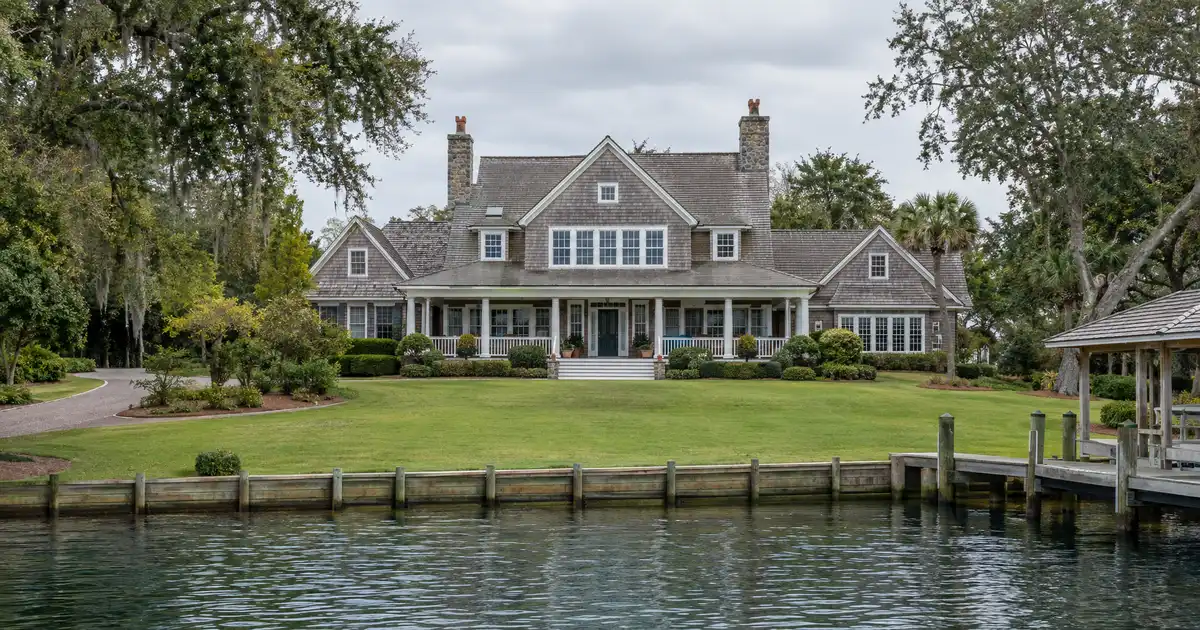
Picture the house being refinanced from scratch, above the limit: a loan sized to the appraisal and the lane’s leverage, the payoffs and the costs taken from it, and the balance paid to the owner after rescission. The old loan disappears; the new one carries its own term, its own payment, and its own set of lane rules on reserves, appraisals, and cash.
Which lane carries the file
Eight wholesale lanes allow a cash-out, each a bundle of rules: a credit floor, a leverage ceiling, a loan maximum that may differ for second homes and investment property, a ratio ceiling, a structure, and in two cases a cap on the cash in hand. A file lands on the lanes whose rules it satisfies at once, and the loan officer places it on the one that serves the owner best.
Reserves, and one appraisal or two
Reserves are months of the full new housing payment left in verified accounts after closing, and every cash-out lane wants them. On several lanes the automated finding sets the base and the sheet adds months above a stated amount; the top fixed lane states a minimum on any cash-out; the expanded adjustable lane wants a year or more. Retirement and brokerage balances count where the lane allows.
Jumbo cash-out or the alternatives
Jumbo cash-out, a line of credit, or a conforming cash-out: the right one depends on the current loan, the amount wanted, and the term the owner prefers. The cash-out produces one fixed or adjustable loan; the line produces a second, variable payment behind an untouched first; the conforming route applies only under the limit. Lendmire arranges all three, so the recommendation follows the arithmetic.
Every jumbo cash-out reduces to the same line: lane leverage on the appraised value, capped by the lane maximum, less what is owed, equals the cash before costs. The lane’s cash cap, its reserve months, and its appraisal threshold are read off the final amount. The calculator on this page applies every lane at once and names the ones that carry the scenario.
Where Homosassa Springs’ larger homes sit — and how a jumbo cash-out fits.
The Homosassa Springs market is the context for every jumbo cash-out, not the input. Owner-household counts, the median value, and the occupancy mix describe the pool of homes; the appraisal of one home, its existing balance, and the lane’s rules describe the loan. Read the figures below as a sense of scale.
Market context only. Homosassa Springs’ owner households carry the equity a jumbo cash-out reaches. The figures below are market context, not underwriting inputs; the appraisal, the balance, and the lane decide the loan.
Data sources: U.S. Census Bureau — ACS 5-Year (2024) housing and population estimates, including tenure, home values, gross rents, and household income.
Distinct Homosassa Springs neighborhoods, distinct jumbo files.
Homosassa Springs’ submarkets differ in the size and age of their homes, in how much of the stock is attached, and in how far values run past the conforming limit, and a jumbo cash-out file reads a little differently in each. The cards below take the kinds of homes Homosassa Springs holds and note what a lane looks for in each.
Townhomes and attached homes in planned communities
A townhome cash-out in Homosassa Springs is usually a straightforward jumbo file: comparable sales close by, an association with a budget, and a deed that settles whether the project review applies. The lane’s leverage, its loan maximum, and the cash cap on two lanes govern the loan as they would on any home, and the association’s questionnaire is ordered where the form of title requires it. Median household income in Homosassa Springs sits near $48,049 on the latest Census estimate.
Luxury condominiums and the project review
For a Homosassa Springs condominium the project is underwritten alongside the owner. Dues enter the ratio and the reserve count, the management company’s questionnaire is the first document ordered, and a building with investor-heavy ownership or a pending lawsuit narrows the lanes to the two that take non-warrantable projects, each with its own leverage and maximum. Roughly 5,329 Homosassa Springs households own their homes on the latest Census estimate — 86% of all households, the pool a jumbo cash-out refinance draws on.
Homes held in trusts and entities
Trust vesting is routine on a Homosassa Springs jumbo cash-out, and the trust agreement, the certification, and the trustee’s authority to borrow are gathered with the other documents. An irrevocable trust or a limited liability company on title is a different conversation, settled at the review rather than at closing, because some lanes will not lend to it. On a home in Homosassa Springs priced well above the $158,200 median, a jumbo cash-out at a lane’s leverage is sized on the appraised value — the existing balance comes off the top, the lane’s cash cap applies where it states one, and the rest is the cash available before closing costs.
Recently purchased and newly built homes
A new build or a recent purchase in Homosassa Springs raises two questions: whether the lane’s seasoning rule is met, and whether the appraised value has moved since the sale. One lane allows a conforming amount on a cash-out at or below eighty percent of value with six months of seasoning; the loan officer reads the seasoning rule of the lane in question. The loan officer settles the seasoning question before the appraisal is ordered; the appraisal answers the question of value. Homosassa Springs is home to about 16K people.
Owner-occupied two- to four-unit buildings
An owner-occupied multi-unit building above the conforming limit is a specialized jumbo file: the appraisal carries an income approach, the leases document the rent, and the lane must accept the unit count. The leverage is the lane’s principal-residence figure, the cash cap applies where the lane states one, and reserves run on the full payment of the whole building. About 14% of Homosassa Springs’ households rent — roughly 844 renter households on the latest Census estimate.
Close-in homes with decades of equity
A home bought long ago in a close-in Homosassa Springs neighborhood often carries a small balance and a large value, which makes the cash-out arithmetic generous and the lane choice easy. What needs care is the appraisal, where renovated and original homes on the same block differ sharply, and the cash cap on the two lanes that state one when the owner wants a large lump sum. The median owner-occupied home value in Homosassa Springs runs near $158,200 on the latest Census estimate.
Submarket context is where a Homosassa Springs conversation starts; the appraisal, the lane, the balance, and the reserves are where the loan is decided, and the calculator below carries the numbers from one to the other.
Where Homosassa Springs owners put jumbo equity to work.
A jumbo cash-out can fund almost anything, but the use still matters to the loan: debts paid at closing leave the ratio, a cash cap on two lanes limits what one refinance can return, and an investment purchase brings its own documentation. The cards below take the common uses in turn.
Fund the down payment on a second home or an investment property
A cash-out on the home the owner lives in, used to buy a second property, is two files in sequence: the jumbo cash-out first, sized on the residence and its lane, then the purchase with the cash as the down payment. The lane’s cash cap on two lanes limits what one refinance can return, so the loan officer sizes the first file to the second one’s needs.
Education, family, and one-time obligations
Tuition for more than one child, a wedding, help to a parent, a divorce settlement, or a tax obligation: a jumbo cash-out meets a large one-time need from equity at a fixed payment instead of from unsecured borrowing. The lane rules are indifferent to the purpose; what matters is that the loan sits inside the leverage, the maximum, and the cash cap where one applies.
Capital for a business or a practice
Equity on a residence can fund a buy-in, equipment, or working capital without pledging the business itself. The cash-out is underwritten on the owner, not the company: the lane’s credit floor, the reserve months, the ratio ceiling, and two years of personal and business returns. The cash cap on two lanes bears on how much one refinance can deliver.
Retire a second lien or a line that has reset
Many Homosassa Springs owners carry a line of credit or a second mortgage behind a jumbo first, and a line that has moved from its draw period to repayment can double its payment. A jumbo cash-out pays off both liens at closing and leaves one payment, fixed on a fixed-rate loan and adjustable on an adjustable-rate loan; the paid-off accounts leave the ratio, which often turns a file that was tight on the line into a comfortable one on the new loan.
Estimate the cash, the lane, and the new payment on a Homosassa Springs home before requesting a quote.
Use the estimate to see where a Homosassa Springs, FL scenario lands before requesting a quote. The rate field carries the weekly Freddie Mac benchmark, a market reference and not a jumbo quote; the lane rules are read from the same snapshot the tables above show; and every field is editable, so a second scenario is a few keystrokes away.
Homosassa Springs jumbo cash-out estimate
Value, balance, cash wanted, occupancy, structure: the calculator returns the lanes that fit, the most cash any lane allows, and the payment.
Editable benchmark: 7.28% as of October 1, 2026 · Freddie Mac 30-year average via FRED®. A conventional market reference, not a jumbo cash-out refinance quote.
Illustrative starting assumptions: a $2,000,000 home value in the jumbo range for Homosassa Springs, well above the median, a $1,000,000 current balance, a principal residence on a thirty-year fixed structure at the current Freddie Mac conforming benchmark, property taxes and insurance estimated for Florida (U.S. Census Bureau). Every field is editable.
Illustrative estimate only — not a Loan Estimate, approval, quote, or commitment to lend. The rate field carries the weekly Freddie Mac thirty-year conforming benchmark, a market reference and not a jumbo cash-out refinance quote; a jumbo loan is priced by the lender at lock. The lanes shown are the wholesale cash-out lanes behind this page as of the snapshot date; the calculator reads each lane’s leverage, loan maximum by occupancy, cash-in-hand cap, and reserves as the lane table states them, and a Lendmire loan officer confirms the lane on the file. The cash available is the loan the lane allows less the balances paid off, before closing costs, which are not included; on most lanes a jumbo cash-out begins one dollar above the conforming limit for the county, and two lanes start at a stated dollar floor instead. The HELOC line is the line program’s combined loan-to-value ceiling applied to the same value and balance. Taxes and insurance are editable estimates. Licensed in sixteen states for consumer mortgages.
Same equity, three ways to borrow it.
The same equity can be reached by rewriting the first mortgage above the limit, by rewriting it under the limit where the amount allows, or by leaving it alone and borrowing behind it. Each route has a payment, a cost, and a set of rules, and the comparison below lays them side by side.
Jumbo cash-out, a conforming cash-out, or a HELOC behind the first.
The jumbo cash-out rewrites the first mortgage at a larger amount and hands the owner the difference. One payment, one structure, one set of lane rules: leverage on the appraised value, a loan maximum by occupancy, a cash cap on two lanes, reserves in months of the new payment, and two appraisals above the lane’s threshold. It suits an owner whose current loan is not worth keeping.
Where the arithmetic lands under the limit, the agencies’ cash-out program is usually the simpler file: one appraisal in most cases, an automated finding, and reserves set by that finding. It is not available above the limit, which is where the jumbo lanes begin; an owner near the line sometimes takes less cash to stay conforming, and sometimes crosses it on purpose for the larger amount. See Lendmire’s cash-out refinance program.
A home equity line of credit leaves the existing first mortgage untouched and lends behind it, up to the line program’s combined loan-to-value and its own line ceiling. It is the route when the first mortgage carries a rate worth keeping, when the amount needed is modest, or when the owner wants to draw over time rather than take a lump sum at closing. See Lendmire’s home equity line of credit.
The decision turns on three questions: is the current first mortgage worth keeping, does the new loan exceed the conforming limit, and does the owner want a lump sum or a line to draw on. The answers point to one of the three routes, and a Homosassa Springs loan officer puts the terms of each in writing on the same value and balance. For a purchase or a rate-and-term refinance above the limit, see the jumbo loan program.
What to prepare for a Homosassa Springs scenario review.
A jumbo cash-out file is a complete refinance file plus the reserves and the appraisals the lane requires, and gathering the documents before the scenario review shortens every step that follows. The list below is what a Homosassa Springs loan officer asks for first.
This is a general preparation guide, not a universal checklist. The selected lender may request additional information based on the transaction, the property, the lane, the automated finding, and the income picture. Nothing here is legal or tax advice.
Local details that can change the loan.
Beyond the lane table, five things decide what a Homosassa Springs jumbo cash-out looks like in practice. Each is a rule the lane sheet states and a loan officer applies to the specific file, and each can move the cash, the amount, or the lane. They are set out below with the check a loan officer runs for each.
Use these checks to keep the Homosassa Springs file clean and fundable.
Three checks come first on any jumbo cash-out: whether the lane caps the cash, whether the amount calls for a second appraisal, and whether the reserves after closing meet the lane’s months. The rest of the file follows from those three.
- Confirm the cash cap: Payoffs are not counted against a cash cap; only the cash the owner takes is.
- Check the appraisal count: A loan sized just under the threshold avoids the second report when the cash allows it.
- Count the reserves: Retirement, brokerage, and business funds count as the lane allows; the cash taken may count on some lanes.
Two lanes cap the cash itself, not just the leverage
The cash cap is the rule owners least expect, though most never meet it: a lane can allow a very large loan at high leverage and still limit how much of it comes back as cash. On the top fixed lane the cap rises when the leverage falls, so the loan officer sizes the leverage to the cash wanted; on the expanded adjustable lane the cap steps up with the loan amount. The lane table on this page states both.
Above the lane threshold, two appraisals from two appraisers
The second appraisal is a cost, a delay, and a risk, and a loan officer plans around it: if the loan can be sized under the lane’s threshold without starving the owner of cash, that is usually the recommendation; if not, both reports are ordered together and the file proceeds once both are in. The lane table on this page shows every lane’s threshold.
Reserves are counted in months of the new payment, and they grow with the amount
Reserves are a check a Homosassa Springs jumbo cash-out can fail even with strong credit. The months are measured against the new payment, which a cash-out raises, so an owner with ample equity and thin accounts can fall short. The lane table states each lane’s months; which assets count toward them, and at what discount, is read from the lane’s own rules rather than from this page.
The ratio is tested on the new payment, and the ceiling differs by lane
The debt-to-income ratio on a jumbo cash-out is measured on the new loan’s payment plus taxes, insurance, dues, and the other monthly debts, against gross income. The ceiling is the lane’s: the fixed lanes and the expanded adjustable lane allow the highest figure, the standard adjustable lane and one fixed lane less. Debts paid at closing leave the calculation where the lane allows it.
On a principal residence the cash arrives after the rescission period
A refinance of a principal dwelling carries a right of rescission under federal law: after signing, the owner has a short window to cancel, and the loan does not fund until it has passed. The settlement agent then pays the existing liens and disburses the cash. A Homosassa Springs owner planning to use the proceeds on a date should count the window in, and the loan officer confirms the schedule at closing.
From a Homosassa Springs scenario review to cash at closing.
The process is the same one every Homosassa Springs refinance follows, with the jumbo lane’s extra checks folded in: more reserve months to verify, a possible second appraisal, and a project review on a condominium. The steps below take it from the first review to the funded loan.
Scenario review
The review settles the shape of a Homosassa Springs file: whether the current first mortgage is worth replacing, which lanes the leverage and the amount allow, whether the cash wanted clears the lane’s cap, how many months of reserves the accounts cover, and whether the amount triggers two appraisals. The owner leaves with written terms for the cash-out and the alternatives on the same numbers.
Documentation and the automated finding
The file proves the review: two years of income, every page of the asset statements, the mortgage statements on the liens being paid, the insurance and tax records, and the condominium questionnaire where there is one. On the lanes that use an automated finding, the finding is run and the reserves and the ratio are read with it; the loan officer resolves any condition before the appraisal is ordered.
Appraisal, or two, and the project review
The appraisal step is where the estimate becomes a number. Above the lane’s threshold two appraisers visit the Homosassa Springs home, and the lower of their values sets the loan; under it, one report does. Appraisal waivers are not offered on the prime lanes. If the value comes in short, the loan officer shows the owner the choices: less cash, a different lane, or a line of credit for the balance.
Closing, rescission, and funding
The closing is the quiet end of a loud file: documents signed, payoffs confirmed, and the cash disbursed after rescission where it applies. A Homosassa Springs owner receives the settlement statement in advance and reviews the figures with the loan officer; the lane’s terms, the payoffs, and the cash on it match the written terms from the review, or the loan officer explains what moved and why.
A brokerage built around larger equity.
Three habits define how Lendmire handles a jumbo cash-out: every route reviewed at once, every lane read from the sheet, and every figure written down before an appraisal is ordered. The cards below describe each for a Homosassa Springs owner.
Every route, one review
An owner is never pushed toward the one loan a lender offers. The jumbo cash-out, the line of credit, and the conventional cash-out are each priced on the same value and balance, and the one that serves the owner is the one recommended, even when that is the smaller loan or the line behind an untouched first mortgage.
Every lane, read from the sheet
Lanes are not interchangeable: one of the two lanes that lend the most caps the cash, two of the four lanes with the lowest floor take non-warrantable condominiums, an adjustable lane lends the most on that structure and carries the largest rental cash-out as well. Reading them together is the work, and Lendmire does it on every file, with the snapshot on this page kept current from one guideline source.
Every figure, in writing first
Nothing is ordered until the terms are written: the lane, the loan amount, the cash after payoffs and costs, the reserve months, the appraisal count, and the payment at the benchmark. A Homosassa Springs owner reviews those figures beside the line-of-credit and conforming alternatives, and the appraisal is ordered only when the owner has chosen.
Trusted by owners & families alike.


Homosassa Springs jumbo cash-out refinance FAQs
The questions Homosassa Springs owners ask most about a jumbo cash-out, answered from the lane sheets and the rules on this page: what the loan is, how much it reaches, where the cash is capped, what the lanes want in credit and reserves, and how it compares with a line of credit.
What is a jumbo cash-out refinance, and when do I need one?
It is a new first mortgage larger than the conforming loan limit for the county that pays off the existing liens on the home and returns the difference in cash. A Homosassa Springs owner needs one when the balance plus the cash wanted exceeds the limit; at or below the limit, the conventional cash-out program applies instead. The loan is placed on one of the wholesale jumbo lanes shown on this page.
How much cash can a jumbo cash-out reach on a Homosassa Springs home?
It depends on three numbers and one lane. The numbers are value, balance, and cash wanted. The lane sets a leverage limit, a maximum, and a cash cap. A principal residence on the top fixed lanes reaches the most; second homes and rentals reach less; two lanes cap the cash itself. The snapshot on this page has the figures, and the calculator applies every lane at once to a Homosassa Springs scenario.
Why is the cash in hand capped on some lanes?
Because the cap is the price of the lane’s generosity: the lanes that lend the most keep the cash in hand inside a stated figure. On the top fixed lane the cap rises when the leverage falls, so a Homosassa Springs owner who needs more cash than the cap allows at the top leverage can take a lower leverage and a higher cap; on the expanded adjustable lane the cap steps up with the loan amount. The calculator applies each lane’s cap to the cash entered and says which lanes carry the scenario.
What credit score does a jumbo cash-out need?
Every lane states its own floor, from the lowest in the snapshot to the seven-hundreds on the top lanes, and the floor is a decision score, not an average. A Homosassa Springs owner at the lower floors still has four lanes to choose from; one at the higher floors has every lane. The loan officer places the file where the score, the leverage, and the amount meet.
How many months of reserves does a jumbo cash-out require?
Enough to cover the new payment for the months the lane states, with the base set by the automated finding or the sheet and added months above the lane’s amount thresholds. Retirement and brokerage accounts count at a discount, business funds count with the accountant’s letter, and the cash from the loan itself may be counted on the lanes that allow it. The lane table has every reserve amount; which accounts count toward them, and at what discount, is read from the lane’s own rules.
Does a jumbo cash-out carry mortgage insurance?
It is confirmed on the file rather than stated here. The lanes publish their leverage and their other terms without a mortgage insurance schedule, so the only honest answer on a page is that the loan officer confirms the structure for the lane chosen. What the page can say is what the lanes do publish, and all of that is in the snapshot and the lane tables above.
What debt-to-income ratio does a jumbo cash-out allow?
Each lane states its own ceiling, the full figure on most lanes, fixed and adjustable alike, and lower on two of them. The test is on the new payment rather than the old one, so a longer term, a smaller cash figure, or payoffs through the closing bring a tight ratio back, and the loan officer runs the ratio for every lane that fits before the appraisal is ordered.
Can I take cash out of a second home or an investment property above the conforming limit?
A second home must be the owner’s to use rather than rented full-time, and a rental is underwritten with its lease; each has its own column in the lane table, and the calculator switches lanes when the occupancy changes. The largest amounts belong to a principal residence; the other occupancies carry caps on several lanes, and one lane excludes a second-home cash-out.
What if my new loan would be at or below the conforming limit?
A jumbo cash-out begins one dollar above the conforming limit for the county; at or below it, the file is a conventional cash-out. A Homosassa Springs owner near the line sometimes takes a little less cash to stay conforming, and sometimes crosses it on purpose for the larger amount; the loan officer prices both so the choice is made on the numbers rather than the label.
What does a jumbo cash-out cost to close?
The same lines any refinance shows on its disclosures, with a second appraisal above the lane’s threshold as the cost unique to a large loan. The costs reduce the cash the owner receives, which the settlement statement shows line by line, and the loan officer reviews the figures with the owner before signing. This page does not quote fees; the federal disclosures state them for the specific file.
A Homosassa Springs jumbo cash-out sized to the value, the balance, and the lane.
Start with a review of the value, the balance on every lien, the cash wanted, the occupancy, the structure, the income, and the accounts. A licensed Lendmire loan officer applies each cash-out lane’s leverage, maximum, and cash cap, counts the reserves and the appraisals, prices a line of credit and a conforming cash-out beside the jumbo loan, and delivers written terms before any appraisal is ordered.
This guide covers Homosassa Springs — for the statewide guidelines, markets, and scenarios, see Jumbo Cash-Out Refinance in Florida, part of Lendmire’s jumbo cash-out refinance program.
Nearby markets in Florida: Wildwood · Ocala · Clermont · Tampa · Clearwater · Gainesville · Apopka · Lakeland
Related programs: Cash-Out Refinance · Jumbo Loans · HELOC