
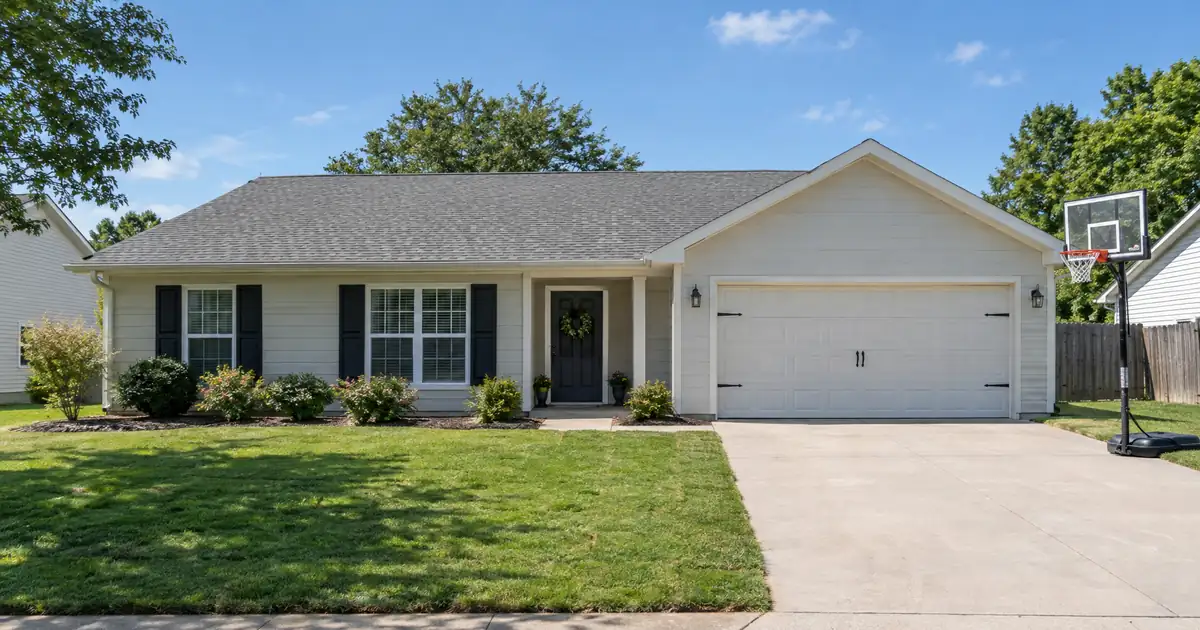
The Quick Read: A cash-out refinance fits you if you want to stay in the home, can carry the new loan alone, and have enough equity left after paying your partner. Selling fits you if the home no longer makes sense or you can’t qualify on your own. A buyout-only refinance and a refinance that also hands you cash are two different loans with different limits. “Partner” here means anyone on title: a spouse, a domestic partner, a co-buyer, or a business partner.
Side-by-Side
Here is how the two paths compare on the points that decide most files. Figures are typical of the wholesale programs Lendmire places files with and are subject to lender guidelines and full file review.
| Factor | Cash-Out Refinance | Selling the Home |
|---|---|---|
| What it does | New loan pays off old one and your partner | Sale pays off loan, splits what is left |
| Leverage, buyout only | Up to 95% LTV, principal residence | No loan involved |
| Leverage, with cash to you | 80% LTV, one-unit principal residence | No loan involved |
| Credit floor | 620 decision score on wholesale conventional | None for the sale itself |
| Mortgage insurance | Required above 80% LTV | None |
| Occupancy | You live in the home | You move out |
| Documentation | Income, credit, appraisal, signed agreement | Sale contract and settlement paperwork |
| Seasoning | 12-month-old first mortgage, 6 months on title (cash-out) | None |
LTV means loan-to-value: the loan balance as a percentage of the home’s appraised value. Seasoning is the waiting period a lender wants before a certain transaction.
Two things stand out. The refinance asks you to qualify alone and to keep the home as collateral. Selling asks nothing of your credit but gives up the home. Neither one is better in the abstract.
If the home is a second home or a rental, occupancy changes the math. Conventional cash-out tops out at 75% LTV there. The rest of this article assumes the home you live in. Terms vary by lender guidelines, property type, leverage, credit profile, and full file review.
What Does the Buyout Actually Look Like?
A buyout refinance replaces the current mortgage with a new one. The new loan pays off the old balance and pays your partner for their share. Your partner then comes off the loan and off the deed.
The remaining borrower has to qualify alone. Income, credit, assets, and debts are all reviewed as if your partner did not exist. If the household only worked with two incomes, this is the first place the plan breaks.
The paperwork matters as much as the income. Fannie Mae’s Selling Guide treats a qualifying co-owner buyout as a limited cash-out refinance. It requires a period of joint ownership and a written agreement signed by all parties. The agreement states the transfer terms and how the proceeds are paid out. A divorce settlement can serve as that agreement.
A quitclaim deed alone does not finish the job. The old mortgage still has to be paid off, and the lender has to document the transfer.
Freddie Mac has its own version, called special purpose cash-out. Its Guide section 4301.6 limits the loan amount to what buys out the co-owner and requires a signed written agreement. It also applies its own occupancy and ownership conditions. Ask a loan officer which set of conditions fits your title history.
An appraisal sets the value for the whole deal. If you and your partner disagree on value, settle that first. The appraisal drives both the loan limit and the buyout number.
Equity math is simple. Take the appraised value, subtract the loan balance, and split what is left as the agreement says. Then check whether the new loan fits under the leverage cap. A gap between what you owe your partner and what a lender will fund is common. Hybrids such as a staged payout or a note from you to your partner can fill it, but those are negotiated between the two of you.
When a Cash-Out Refinance Is the Better Fit
Choose the refinance when keeping the home is the goal and the numbers hold with one income. It works best when three things line up.
You can carry the new loan alone. The new loan is larger than the old one. A single borrower must cover it within the program’s ratio limits. Most wholesale conventional files run through automated underwriting, with a total ratio ceiling of 50%. Manually underwritten loans use tighter ceilings.
The equity is deep enough. A buyout-only refinance can reach 95% LTV on a one-unit principal residence. Add cash for yourself and the loan moves into full cash-out treatment. That caps at 80% on one unit and 75% on two to four units. Per Fannie Mae’s guide, cash back on a limited cash-out is capped at a small amount. Pulling real money for the next purchase while buying out a partner is a different loan. Exact terms depend on the lender’s guidelines, property type, leverage, and a full review of the borrower’s file.
The seasoning clock is on your side. For a standard cash-out, the first mortgage being paid off must be at least 12 months old. At least one borrower must have been on title for six months. Freddie Mac’s cash-out guide applies the same six-month title test and requires every borrower on a primary residence to occupy the home. Buyouts, inheritances, and property awarded in a divorce carry named exceptions, so ask before assuming you are blocked.
One wholesale lane deserves a mention. It reaches 89.99% LTV with no mortgage insurance at a 680 score and a 50% ratio. It is limited to a thirty-year fixed on a primary residence with a conforming balance, and it has its own six months of seasoning. It is not written in Texas, where the state constitution caps homestead cash-out at the agency figure. Every figure here varies by lender and program — guidelines, property type, leverage, and credit profile all apply.
Mortgage insurance is the cost that surprises people. It applies above 80% LTV. You can ask to cancel it at 80% of the original value with a good payment history and no second liens. The servicer must end it automatically at 78%. Published typical annual premiums run from 0.58% to 1.86% of the balance. That is a range, not a quote. Final terms depend on lender guidelines, property type, leverage, and the borrower’s complete credit picture.
If you already have an FHA or VA loan, a streamline will not do this job. The HUD streamline allows only a token amount of cash back. The VA IRRRL is built to lower an existing VA loan’s cost. A partner payout or cash for scaling needs a cash-out product instead. Lendmire’s cash-out refinance programs page lays out the lanes.
When Selling Is the Better Fit
Choose the sale when the loan won’t fit or the home has stopped being the plan. It is the right call more often than people admit.
You can’t qualify alone. If income and credit fall short without your partner, no amount of equity fixes it. The refinance fails at underwriting. Selling doesn’t need approval.
The buyout would leave you thin. Suppose the new loan would sit near the leverage cap, with mortgage insurance and a stretched ratio. One bad year then puts the house at risk. A sale turns the same equity into cash with no debt attached.
Your partner needs certainty. A sale pays everyone at closing from the same proceeds. A buyout depends on one person’s loan approval. If the relationship is strained, a clean sale can be easier to document.
The next move is a purchase. Selling frees all the equity. It may fund a bigger down payment on the next home. A new purchase carries its own limits: up to 95% LTV on a principal residence, and 97% for qualifying first-time buyers. These specifics are subject to lender guidelines and a full review of property, leverage, and credit.
Selling has real costs. You lose the home and its housing cost, you pay selling expenses, and you move. Tax treatment can depend on your situation; borrowers should speak with a qualified tax professional before relying on any deduction or credit.
Lendmire’s piece Cash-Out Refinance vs Selling: Keeping the Home and Taking the Equity walks through that tradeoff in more depth.
Can You Pay a Partner and Keep Scaling With Equity?
Sometimes, but the home carries the risk. Every dollar of cash-out becomes debt secured by the house you live in. The CFPB’s research on cash-out refinances notes that turning other debt into mortgage debt can put the home at risk. Its point is plain: a failed venture still leaves the mortgage owed.
Run the scaling test before you pick a path. Ask three questions.
1. Does the home still carry itself after the buyout? Count the new loan, taxes, insurance, and any mortgage insurance against your income alone.
2. How much cushion is left? A refinance that uses the full leverage cap leaves little room if values dip. Being underwater makes it harder to sell or refinance later.
3. Does selling redeploy capital better? A sale releases all the equity at once. A refinance releases only what the cap allows, and you pay for it in a larger debt.
In practice, the cleanest files do one job at a time. A buyout-only refinance at the higher leverage cap is simpler than a buyout plus cash. It leaves the next step for later, when the loan is seasoned and your income is proven alone. Stacking both asks the file to do two things at the lower cash-out cap.
If your scaling plan needs the cash right now, the plain truth is that a sale may fit better. Your equity then isn’t tied to a loan you have to qualify for.
Key Terms Defined
Limited cash-out refinance: A refinance that pays off the existing first mortgage and closing costs, with only incidental cash back. Fannie Mae can treat a qualifying co-owner buyout this way.
Full cash-out refinance: A refinance where you take meaningful cash from the equity. It has lower leverage caps than a limited cash-out.
Special purpose cash-out: Freddie Mac’s version, where proceeds are limited to buying out a co-owner.
Net proceeds: What is left from a sale after the mortgage and selling costs are paid.
The Verdict
Refinance if you want the home, can qualify alone, and keep a real equity cushion after paying your partner. Sell if qualifying is a stretch, the cushion is thin, or your partner needs a clean exit. A hybrid is possible, but it needs agreement between you both.
Whichever way you lean, settle the agreement and the appraisal first. If you are weighing a cash-out refinance against keeping the loan you have, Lendmire can help you compare the programs and the equity each one reaches.
Frequently Asked Questions
Is a partner buyout the same as a regular cash-out refinance?
No. Fannie Mae can treat a qualifying buyout as a limited cash-out refinance, which carries higher leverage than full cash-out. Freddie Mac uses special purpose cash-out, with proceeds restricted to the buyout. Both require a signed written agreement.
Can I take extra cash while buying out my partner?
Only a small amount under the limited cash-out rules. Anything beyond that pushes the loan into full cash-out treatment, which has lower leverage caps. Some renovation-loan buyouts allow no cash back at all.
What if my partner is not on title?
A person who is not on title generally can’t be bought out under these rules. Ask a loan officer how the file would be reviewed, since the answer depends on the lender and your documents.
Can an FHA Streamline or VA IRRRL pay out a partner?
No. The HUD streamline allows only a token amount of cash back, and the IRRRL is for existing VA loans. Both are built to improve an existing loan, not to fund a payout. An FHA or VA cash-out loan is the route.
How long do I have to own the home before refinancing?
For a standard cash-out, at least one borrower must have been on title for six months. The first mortgage being paid off must be at least 12 months old. Exceptions exist for inheritance, divorce awards, and some buyouts. All figures are subject to lender guidelines and full file review, and nothing here is a commitment to lend.
For your own numbers, request a scenario review with Lendmire.
For current guidelines and terms, see Lendmire’s refinance programs page.
About Lendmire
Lendmire — NMLS# 2371349 — is a mortgage broker that arranges FHA, VA, conventional and jumbo home purchase and refinance financing in 16 states through wholesale lenders. Every option is subject to the lender’s guidelines and full underwriting. Scotsman Guide named Lendmire a Top Mortgage Workplace in both 2025 and 2026.
Get Started
Ready to find the right loan for you?
In about 30 seconds you can review financing options available for your home or investment property. No commitment required.
Informational only. Not a Loan Estimate, approval, or commitment to lend. Program availability and eligibility are subject to lender guidelines, credit approval, property review, and underwriting.
References
1. Fannie Mae Selling Guide B2-1.3-02, Limited Cash-Out Refinance Transactions
2. Freddie Mac Guide 4301.6, Special Purpose Cash-Out Refinance Mortgages
3. Freddie Mac Guide 4301.5, Cash-Out Refinance Mortgages
4. HUD, FHA Streamline Refinance
5. CFPB, Cash-Out Refinances and Paydown Behavior of Non-Mortgage Debt Balances
This article is part of Lendmire’s Refinance series — every loan program’s qualification details, guidelines, and scenarios live on the loan options page.
Related reading: Individual Cash-Out Refinances vs. a Blanket Loan With a Release Clause · How to Document Title Seasoning for a Delayed Financing Cash-Out · How Much Equity a Cash-Out Refinance Frees for a Buyout While Scaling
Brandon Miller
Founder & CEO, Mortgage Loan Originator, Lendmire LLC
- Mortgage Loan Originator · NMLS# 1129696 · Verify on NMLS Consumer Access
- North Carolina Real Estate Broker · License# 343312 · Verify on NCREC
- North Carolina Insurance Producer · License# 19053198 · Property, Casualty, Life, Health · Verify on NAIC SBS
- Lendmire LLC · Firm NMLS# 2371349 · Verify firm licensure
Important disclosures. Lendmire (NMLS# 2371349) is a licensed mortgage brokerage. Lendmire is not a direct lender, depository institution, or financial advisor. All loan inquiries are subject to lender underwriting; this article does not constitute a commitment to lend. Rates, terms, and program guidelines are subject to change without notice and vary by borrower profile, property type, and state. Information in this article is general in nature and is not financial, legal, or tax advice. Equal Housing Opportunity. NMLS Consumer Access: nmlsconsumeraccess.org.