
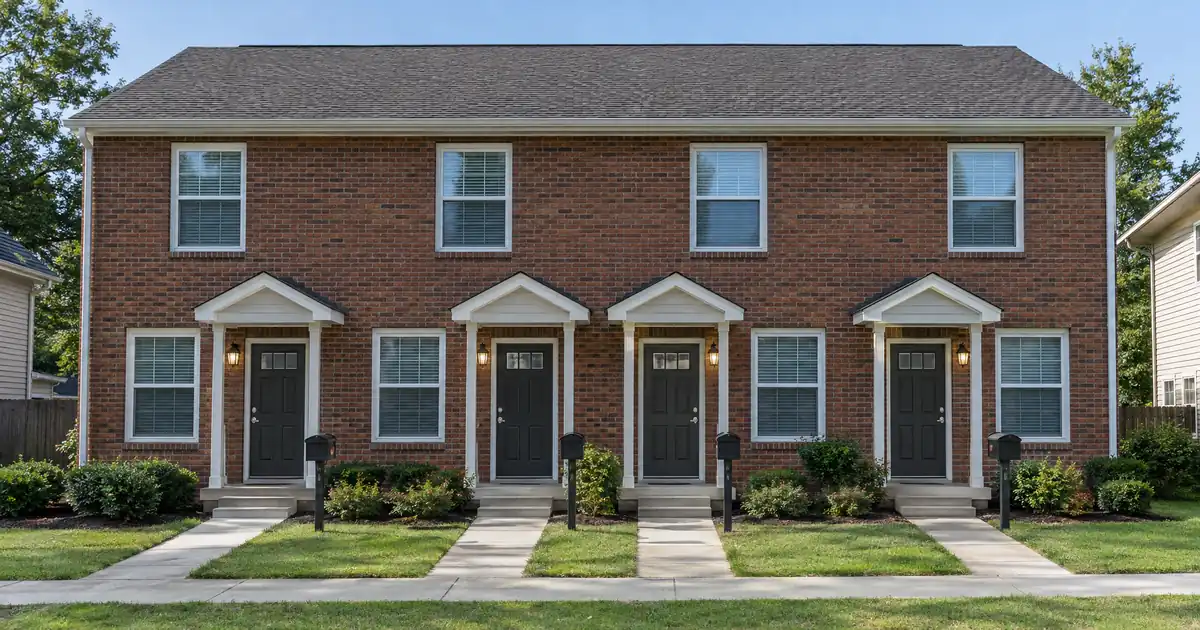
The Quick Read: You protect the cash in three layers. Prepare before the appraiser arrives, diagnose the report if it comes in low, and decide your fallback before you need it. The appraised value sets your maximum loan, and the cap on a two-to-four unit home sits below the cap on a one-unit home. A small value miss therefore cuts your cash much more than it cuts the value.
Key Takeaways
- The lender uses the appraiser’s value, not your estimate, to size the loan.
- Cash to you is the maximum loan minus your payoff and costs. That leftover shrinks much faster than the value does.
- Preparation costs little compared with a shrunken loan: a clean rent roll, leases, a list of improvements and your own comparable sales.
- A reconsideration of value is allowed once per appraisal and needs documented reasons, not disagreement alone.
- Plan a smaller draw on purpose. A cushion beats a request that only works at the highest value.
Key Terms Defined
Appraised value is the appraiser’s written opinion of what the property is worth. The lender sizes the loan from it.
LTV (loan-to-value) is the loan amount divided by the appraised value. A 75% LTV means the loan is three-quarters of the value. Final terms depend on the lender’s guidelines, the property type, and the borrower’s complete credit picture.
Cash-out refinance replaces your current mortgage with a larger one and pays you the difference after payoff and costs.
Reconsideration of value (ROV) is a formal request that the original appraiser review the report, with new facts or comparable sales.
Seasoning is the waiting period tied to when you bought the property or took out the loan you are paying off.
Rent schedule is the appraiser’s unit-by-unit opinion of market rent for the other units in the building.
Cash-out refinance estimate
The starting figures are an example value with a balance and a cash request in proportion. Replace them with yours.
Editable benchmark: 7.40% as of October 15, 2026 · Freddie Mac 30-year average via FRED®. A conventional market reference, not a cash-out refinance quote.
Illustrative starting assumptions: a $350,000 home value, a $193,000 current balance, the agency cap on a one-unit principal residence, a thirty-year term at the current Freddie Mac benchmark, and property taxes and insurance estimated at typical national rates. Every field is editable.
Illustrative estimate only — not a Loan Estimate, approval, quote, or commitment to lend. The rate field carries the weekly Freddie Mac thirty-year conventional benchmark, a market reference and not a cash-out refinance quote; a cash-out loan is priced by the lender at lock. The cash available is the loan the program cap allows less the balances paid off, before closing costs, which are not included. The HELOC line is the program’s combined loan-to-value ceiling applied to the same value and balance. Taxes and insurance are editable estimates. Licensed in sixteen states for consumer mortgages.
Why a Low Appraisal Hits a Two-to-Four Unit Cash-Out Harder
Two things make a duplex, triplex or fourplex fragile here. The leverage ceiling is lower, and the comparable sales are harder to find.
Across the wholesale programs Lendmire places files with, a conventional cash-out on a one-unit primary residence reaches 80% LTV. On a two-to-four unit property, it stops at 75%. Second homes and investment properties also stop at 75%, so occupancy decides your leverage. If you are weighing cash-out refinance programs, start with that number. Each figure is subject to lender guidelines and a complete review of property type, leverage, and credit.
Here is the catch. Your payoff does not move when the value does. The loan shrinks, the payoff stays put, and the cash is squeezed in the middle.
Comparable sales add a second exposure. A neighborhood may have dozens of recent single-family sales and only a handful of multi-unit ones. The appraiser then leans on fewer, older or less similar comps. The report also weighs your unit mix, condition and the quality of the rent information you supply. A weak rent roll can drag the value even when the sales look fine.
What the Math Looks Like at a 5%, 10% and 15% Miss
Here is a modeled example, not a market fact. Say you expect a value of 100 units, you owe 60% of that value, and the program cap is 75%. Closing costs come out of the cash too, so these figures are before costs.
| Appraisal vs. your estimate | Max loan (% of expected value) | Cash before costs (% of expected value) |
|---|---|---|
| On target | 75.00% | 15.00% |
| 5% low | 71.25% | 11.25% |
| 10% low | 67.50% | 7.50% |
| 15% low | 63.75% | 3.75% |
A 5% miss removes a quarter of your cash. A 10% miss removes half. At a 20% miss, the maximum loan equals the payoff and the cash is gone.
That is why a deal that only works at the top of your value range is a risky deal. Costs make it worse, because a smaller loan still carries most of the same closing costs.
Before the Appraisal: The Prep Checklist
Prevention works better than appeals. The appraiser decides the value, and you cannot edit the report. You can control what the appraiser sees.
- Rent roll and leases. Build a current unit-by-unit list showing rent, lease dates and tenant status. Keep signed leases ready. A mismatch between the rent roll and what the appraiser observes invites a conservative number.
- Unit mix and layout. Confirm bedroom and bathroom counts and square footage for each unit. Errors here are the most fixable errors later.
- Improvement list. Write down upgrades by unit, with dates and invoices for kitchens, roofs, mechanicals or added baths. Appraisers cannot credit what they cannot verify.
- Your own comparables. Collect recent sales of similar buildings nearby. Save them for the one reconsideration you get.
- Access. Make every unit available for the inspection. A unit the appraiser cannot enter is a unit that gets an assumption.
- Repairs and condition. Fix visible deferred maintenance beforehand. Condition affects value directly.
Early answers leave room to recover. A rushed file with thin margins leaves none.
Size the Draw With a Cushion
Ask for less than the maximum on purpose. Run your plan at the stated cap, then again at a value 10% lower. If the plan breaks, the request is too big.
Decide what the cash is for. Repairs, debt payoff and a down payment elsewhere all have a floor. Know that floor before the report arrives, so you can tell quickly whether a shrunken loan still works.
A smaller loan can also ease your debt-to-income ratio. Rent from the other units may count toward qualifying, subject to lender guidelines. A smaller loan does not erase other eligibility limits, like credit score or reserves.
Tax treatment can depend on your situation; borrowers should speak with a qualified tax professional before relying on any deduction or credit.
After a Low Report: Error or Opinion?
Read the report before you react. A low number comes from either a fixable error or a defensible opinion. The response differs.
| What you find | Type | Likely response |
|---|---|---|
| Wrong unit count, bedrooms or square footage | Error | Document and request correction |
| Missed upgrade or addition | Error | Send invoices, permits, photos |
| Rent schedule contradicts signed leases | Error | Send the leases and rent roll |
| Comps are stale, distressed or far away | Opinion | Offer better comps, within limits |
| Appraiser simply sees a lower value | Opinion | Weigh a fallback instead |
Audit the rent schedule unit by unit. One unit rented below market can pull the whole opinion down if the report does not explain it. Say so in writing with the lease terms.
How Does a Reconsideration of Value Work?
You get one request per appraisal, and it goes through your lender. Fannie Mae’s ROV page states that a borrower may request a maximum of one ROV per appraisal report. Fannie Mae, Freddie Mac and HUD/FHA aligned their borrower ROV rules in 2024.
The process runs in a set order.
1. Tell your loan officer. The request goes through the lender. You do not contact the appraiser.
2. State what is wrong. Under the Selling Guide’s appraisal quality rules, the lender’s request describes what is unsupported, inaccurate or deficient. It can include additional comparable sales, with a maximum of five.
3. The original appraiser responds. You get a revised report with commentary, whether or not the value changes. Only that appraiser can change the report, and the lender must confirm it.
4. The lender documents the outcome in your file.
The same guide says a request must rest on substantive issues, not on the value merely being below what you expected. “It feels low” is not a reason. A wrong square-footage figure is.
Honest odds: many requests do not move the number. A packet moves it when it shows facts, such as a measurement error, a missed addition or closer, newer sales. It rarely moves it when it shows cherry-picked comps or emotion. Keep the tone factual.
Plan three branches before you send it:
- Full win. The value rises to where your plan works, so you can proceed.
- Partial win. The value rises some. Re-run your math at the new figure.
- Loss. The value holds. Move to a fallback.
If the lender cannot resolve a concern with the original appraiser, it may need a replacement report before the final decision. A second appraisal is a separate tool. It needs lender consent and is not a way to shop for a higher number.
If the Value Holds: Your Fallback Options
Once the number stands, you are choosing among trade-offs.
| Option | What it solves | What it costs |
|---|---|---|
| Take a smaller cash-out | Keeps the program and timing | Less cash than planned |
| Switch to limited cash-out or rate-and-term | Raises the leverage ceiling sharply | Only incidental cash back |
| Bring cash to closing | Lowers the loan to fit the cap | Uses your own funds |
| Wait and reappraise | Lets repairs or rent growth show up | Delay, and another appraisal fee |
| Second appraisal, with consent | Tests an unresolved error | Added fee, uncertain outcome |
Limited cash-out is a different product. The new loan pays off your existing first mortgage and closing costs, with only incidental cash back. The ceiling is far higher than on cash-out. It fits when you mainly want to restructure the loan and the cash was a bonus. It does not fund a large project.
Bringing cash is a cash-in refinance. It reverses the goal, but it can still make sense if the structure otherwise improves.
Where the General Rule Breaks
Recent purchase. Conventional cash-out generally needs the first mortgage being paid off to be at least 12 months old, and a borrower on title for six months. Fannie Mae’s cash-out rules list exceptions, including the delayed financing exception for a recent cash buyer. Inheritance and legal awards are also exceptions. The same LTV caps apply, so a low appraisal still limits the amount.
Reserves. Reserve requirements come from the automated underwriting findings and the lender’s guidelines, not from a single flat rule. A smaller loan can change your ratios, and with them the reserves a file needs. Leverage, reserves, and pricing vary by lender and program; the final terms follow the full file review.
The cap itself. Fannie Mae’s Eligibility Matrix shows the two-to-four unit cash-out ceiling below the one-unit one. It is higher for limited cash-out and for purchases. Loans above the conforming limit follow different, often tighter, schedules, and the numbers vary by program.
FHA and VA streamlines. These do not rescue a cash-out. The FHA Streamline needs an existing FHA loan, skips the appraisal and allows no real cash back. The VA IRRRL needs an existing VA loan and carries a funding fee unless exempt. Neither is a loophole for a conventional borrower. Both help only if your goal changes to a lower payment or term.
FHA cash-out. It has its own leverage ceiling, set by HUD rather than by the conventional matrix, and it requires a full appraisal. Switching to FHA does not remove the appraisal risk.
Unusual properties. If an appraiser cannot find evidence that buyers accept a property’s design, the lender may decline it. An odd layout or a non-conforming conversion raises this risk.
After closing. An ROV cannot be filed once the loan has closed. Raise problems before.
Your Right to the Appraisal Copy
Read the report in full. The CFPB’s ECOA valuations factsheet says the lender must tell you in writing, shortly after your application, that you can receive copies of appraisals. You must receive them. The copy is free, though the lender can charge a reasonable fee for the appraisal itself. That fee is generally not refunded if the value disappoints.
Proceed or Walk? A Short Decision Checklist
- Does the plan still work at the new maximum loan, after costs?
- Is closing cost a bigger share of a smaller loan? Compare it with what the cash is worth to you.
- Would a rate-and-term structure meet the real goal without the cash?
- Can you wait, and would waiting change the value?
- If you win the ROV, do you recover enough to justify the effort?
Walking away is a legitimate answer. A cash-out that barely works at the first number is usually a cash-out to rethink.
Next Step
If you are weighing a cash-out refinance against keeping the loan you have, Lendmire can help you compare the programs and the equity each one reaches. Lendmire is a mortgage broker and arranges loans through wholesale lenders, subject to lender guidelines and full file review. Nothing here is a commitment to lend.
Frequently Asked Questions
Can I challenge a low appraisal on a duplex, triplex or fourplex?
Yes, through a reconsideration of value, once per appraisal. Your request goes through the lender and must rest on specific issues. Corrected facts, added improvements and better comparable sales have the best chance.
What if only the rent figure is low?
Check the rent schedule against your signed leases. If the report understates them, document the difference and raise it in the ROV. Rent can matter for qualifying as well as value, so ask your lender how it counts.
Does a smaller loan help me qualify?
It can ease your ratios and reduce reserve needs. It does not remove other requirements, such as credit score or seasoning, and closing costs still apply.
Can I get a second appraisal?
Sometimes, with lender consent and usually when the original appraiser cannot resolve a deficiency. It is not a tool for chasing a higher number. You would typically pay for it.
Can an FHA Streamline or VA IRRRL give me cash instead?
No. The FHA Streamline allows no meaningful cash back, and the VA IRRRL is not a cash-out. Both require an existing loan of the same type.
For your own numbers, request a scenario review with Lendmire.
For current guidelines and terms, see Lendmire’s refinance programs page.
About Lendmire
Lendmire, NMLS# 2371349, is a mortgage brokerage with consumer lending licenses in 16 states. FHA, VA, conventional and jumbo purchase and refinance loans are arranged through wholesale lending partners, and each application is reviewed individually by the lender. Scotsman Guide named Lendmire a Top Mortgage Workplace in both 2025 and 2026.
Get Started
Ready to find the right loan for you?
In about 30 seconds you can review financing options available for your home or investment property. No commitment required.
Informational only. Not a Loan Estimate, approval, or commitment to lend. Program availability and eligibility are subject to lender guidelines, credit approval, property review, and underwriting.
References
1. Fannie Mae: Reconsideration of Value (ROV)
2. Fannie Mae Selling Guide B4-1.3-12: Appraisal Quality Matters
3. Fannie Mae Selling Guide B2-1.3-03: Cash-Out Refinance Transactions
4. Fannie Mae Eligibility Matrix
5. CFPB ECOA Valuations Rule: Transaction Coverage Factsheet
This article is part of Lendmire’s cash-out refinance program — full qualification details, guidelines, and scenarios live on the program page.
Related reading: How to Get Matched With a Broker for a Cash-Out Refinance · Does a Cash-Out Refinance Involve an Appraisal and Payoff? · Cash-Out Refinance for Homeowners Choosing How to Use the Cash
Brandon Miller
Founder & CEO, Mortgage Loan Originator, Lendmire LLC
- Mortgage Loan Originator · NMLS# 1129696 · Verify on NMLS Consumer Access
- North Carolina Real Estate Broker · License# 343312 · Verify on NCREC
- North Carolina Insurance Producer · License# 19053198 · Property, Casualty, Life, Health · Verify on NAIC SBS
- Lendmire LLC · Firm NMLS# 2371349 · Verify firm licensure
Disclosure information. Lendmire is a state-licensed mortgage brokerage under NMLS# 2371349. Lendmire is not a depository institution, direct lender, or financial advisor — all loans referenced are placed through wholesale lender partners and are subject to each lender's underwriting standards. This article is provided for general informational purposes and is not a commitment to lend, nor does it constitute financial, legal, or tax advice. Loan programs, terms, rates, and qualification standards change without notice and depend on borrower profile, property type, and the state in which the subject property is located. Equal Housing Opportunity provider. NMLS Consumer Access: nmlsconsumeraccess.org.