
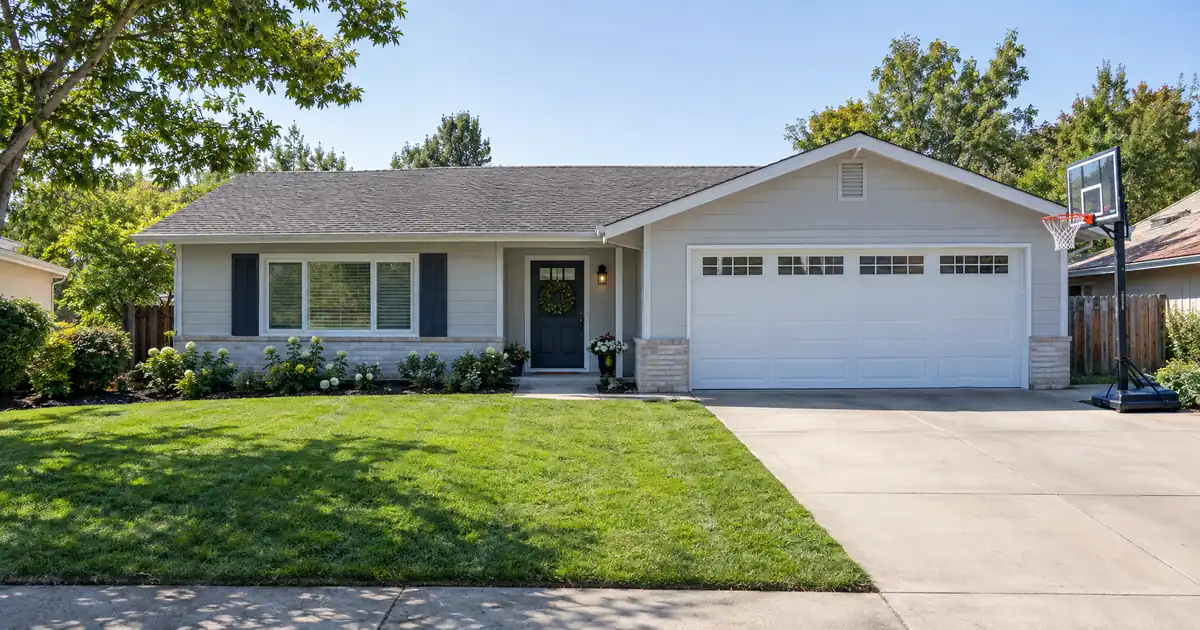
The Quick Read: The occupancy clock is the 12 months you must own and live in the home as your principal residence, counted back from the day the lender assigns your FHA case number. It does not stop at closing. Across the wholesale programs Lendmire places files with, the FHA cash-out reaches 80% loan-to-value (LTV, the loan as a share of the home’s value) on a home you owned and occupied for that full stretch. Control the case number date, and you control the timeline.
Key Takeaways
- The 12 months are counted back from case number assignment, not from the closing date.
- Title alone does not count. You must have lived in the home as your main residence.
- Payment history on your existing mortgages is a separate test from occupancy.
- Second homes and rentals do not qualify for an FHA cash-out.
- Program details are subject to lender guidelines and full file review. Confirm current rules before you order anything.
Key Terms Defined
Case number: The identifier FHA assigns to your loan file when the lender orders it. It starts the official clock.
Occupancy: Living in the home as your principal residence, meaning your main home, not a second home or rental.
Cash-out refinance: A new, larger mortgage that pays off your current one and hands you the difference in cash.
LTV (loan-to-value): Your loan balance as a percentage of the home’s appraised value.
Seasoning: The waiting period a lender wants before you can take a new step, such as refinancing.
Principal residence: The home you live in most of the year. FHA cash-out is limited to these.
What Is the Occupancy Clock?
The occupancy clock is the rule that you must have owned the home and lived in it as your principal residence for 12 months before the FHA case number is assigned. Most borrowers hear “seasoning” and think of one waiting period. There are really several clocks running at once.
Here are the three that matter:
1. Ownership and occupancy. At least one borrower on the loan must have owned and lived in the home for the 12 months.
2. Payment history. Your mortgage payments over that stretch must have been made on time.
3. Your calendar. The case number date, which you control more than you might expect.
Borrowers tend to fixate on one and miss another. Someone who has owned the home for years can still stumble on payment history. Someone who has paid perfectly can still fall short on occupancy because they moved in late.
A note on sourcing. The rule lives in HUD’s FHA Single Family Housing Policy Handbook. The HUD Handbook 4000.1 is the governing document, and HUD updates it periodically. Your lender applies the current version, so confirm the exact wording with them before you plan around a date.
Why the Case Number Date Is the Whole Game
The clock stops when the case number is assigned, not when you close. That one detail changes how you plan.
The lender orders the case number early in the file. Count back 12 months from that date. If you apply a few weeks early, you may fall short, and the file can be denied or restarted. Applying a few weeks late costs you nothing on the occupancy test.
So the rule of thumb is simple. Do not let anyone order the case number until your 12 months are complete. You decide when the file starts, which means you decide the clock.
HUD’s own glossary shows the same 12-month line in a related setting. Under its definition of adjusted as-is value for 203(k) refinances, the HUD Handbook 4000.1 Glossary calls for an as-is appraisal when the property was acquired within 12 months of case number assignment. When it was acquired 12 or more months earlier, the as-is value is used. That definition covers 203(k) loans only. Still, it shows how often the 12-month mark anchors to the case number.
How the Loan Is Underwritten, Step by Step
Here is how a cash-out file moves from first conversation to closing table.
1. Count your months. Pick the date you plan to start the file. Count back 12 months. You must have owned and lived in the home for that whole stretch.
2. Pull your proof. The lender must see documentation of occupancy. Typically that means employment records or utility bills showing the home as your address for the 12 months. Gather these early.
3. Check your payment record. Every payment on your mortgages should have been made within the month it was due over the previous 12 months. If you have owned the home for less time, the review covers the period since you took the loan.
4. Order the appraisal and size the loan. The FHA cash-out reaches 80% LTV on a home owned and occupied for the full 12 months. The appraised value sets the ceiling. Your payoff, closing costs and any cash out must fit under it.
5. Underwrite and close. The lender reviews income, credit and debt ratios. Across the wholesale programs we place files with, the base ratio pair is 31/43 (housing payment to income, total debt to income) with no compensating factors. Documented compensating factors can stretch that to 40/50 at the top tier, and the automated finding governs most files.
Credit matters too. The wholesale programs we work with start at a 580 decision score. Some lenders set a higher floor than HUD does, so two lenders can give two different answers on the same borrower.
Four things decide the outcome:
- The date of case number assignment.
- Proof of continuous occupancy.
- Whether any payment was late in the prior 12 months.
- The appraised value against your payoff plus costs.
Worked Timelines (No Dollar Figures Needed)
Dates make the rule concrete. Each scenario below uses a plain-language calendar.
The clean buyer
You bought the home and moved in the same month. Twelve full months later, you are eligible to have the case number assigned. Not eleven. Waiting an extra month costs you nothing.
Move-in delayed after purchase
You closed on the purchase in March but did not move in until June because of renovations. The clock starts at move-in, not at the deed, because the requirement is occupancy as your principal residence. Count 12 months from June. Utility bills and employment records showing your address are what prove the move-in date, so keep them.
Part-year rental
You rented the home out for several months, then moved in. This is where files get tangled. A lender will want to see that you occupied the home as your principal residence for the full 12 months. Treat the rental months as time that does not count, and count from the date you began living there. Because lender interpretation varies, ask before you assume a gap simply pauses the clock.
The inherited home
Inheritance is an exception, not a loophole. A borrower is not required to have occupied an inherited home for a minimum period before a cash-out, provided the borrower has not treated it as an investment property at any point since inheriting. If you rent it out after inheriting, that waiver is lost. You would then need to occupy it as your principal residence for at least 12 months first.
What Counts and What Doesn’t
| Situation | Counts toward the clock? |
|---|---|
| Living in the home as your main residence | Yes |
| Owning but renting the whole home out | No |
| Owning a second home you visit | No |
| Title in your name, living elsewhere | No |
| Non-occupant co-borrower’s income | No |
Treat borderline cases, such as renting a room, living in one unit of a multi-unit home, or being away for a time, as questions for your lender. The answer depends on the facts and on the lender’s reading of HUD’s rules. Do not guess, and do not shade the truth. Occupancy is something you sign a statement about, and misrepresenting it carries real consequences.
Edge Cases Where the General Rule Bends
The 12-month rule is the general rule. Here is where it breaks or shifts.
Inherited property. Covered above. The waiver depends on never treating the home as an investment.
Second homes and rentals. Not eligible for FHA cash-out. Occupancy decides leverage, and a home that is not your principal residence does not reach this program.
A co-borrower who does not live there. For purchases, the programs we work with allow a non-occupant co-borrower. For a standard cash-out, income from a non-occupant co-borrower cannot be used to qualify. The cash-out is built for owner-occupants.
Owned less than 12 months. Older HUD guidance limited the loan to the lesser of appraised value or the original sales price when the home was recently acquired. That guidance is historical and used a different percentage than today’s. Today, the 12-month occupancy requirement is the main hurdle.
Different program, different clock. The FHA Streamline refinances an existing FHA loan with no appraisal, a limited credit review and a net tangible benefit. It runs on loan-age and payment tests rather than occupancy. Meanwhile, the FHA rate-and-term refinance with an appraisal reaches 97.75% on a principal residence occupied for the previous twelve months. If you are short on the occupancy clock but need a lower payment, these may be the better fit.
Military. For purchases, HUD allows owner-occupant treatment when an active-duty borrower’s family member lives in the home. Do not assume that carries over to a cash-out. Ask your lender.
Lender overlays. Many lenders add rules beyond HUD’s, such as higher credit floors or requirements that the home has been off the market for a set period. These vary, so ask any lender you talk with what extras they apply.
What a Cash-Out Costs You
A cash-out replaces your whole mortgage. That means you can swap an existing loan for one with different terms, and the new terms may be less favorable than what you hold now.
Research from the CFPB looked at this. The CFPB research on cash-out refinances notes that the benefit of pulling out equity depends on individual circumstances and market conditions. It also says closing costs can be substantial, including origination fees, appraisal fees and title insurance. And the most frequent use of cash-out funds was paying the closing costs of the new mortgage. In plain terms, the cash that reaches you is less than the equity you pulled.
FHA adds its own layer. The programs we place files with carry an upfront mortgage insurance premium of 1.75% of the base loan, which is financed into the loan. There is also an annual premium between 0.15% and 0.75% of the balance, depending on term, loan amount and LTV. On a thirty-year loan above ninety percent LTV, the annual premium lasts for the term. At or below ninety percent, it ends after eleven years. These are program mechanics, not prices, and your Loan Estimate will show the actual costs.
Planning Backward From Your Target Date
Work backward from the day you want the case number assigned.
1. Confirm your 12 months. Mark the exact date you moved in. Add 12 months.
2. Gather proof early. Pull utility bills and employment records that show your address across the whole window. If your records lag, fix them now.
3. Review your payment history. Pull your mortgage statements. A late payment within the month due can derail the file.
4. Talk to a lender before the date. Ask for a conversation, not a case number. A good broker will tell you whether you are ready.
5. Start the file after the date. Only then should the case number be ordered.
Waiting a few extra weeks beats a denial and a restart. If you are close, use the time to tidy documents.
Wait or Pick a Different Product?
If you are short on the clock, you have a decision to make. Waiting keeps you on the FHA cash-out path. Other products run on their own timelines and rules, and a conventional cash-out has its own seasoning requirements, so compare the two before assuming either one is faster or cheaper.
A few questions help frame it:
- Do you need the cash now, or can it wait for your date?
- Is your current loan one you want to keep?
- Would the FHA mortgage insurance structure fit your plans?
Honestly, this one is a toss-up for many borrowers. If your current terms are good and the need is not urgent, waiting for the clock costs little. If the need is pressing, compare the alternatives with a broker who can show you more than one option. Tax treatment can depend on your situation; borrowers should speak with a qualified tax professional before relying on any deduction or credit.
If you are weighing a cash-out refinance against keeping the loan you have, Lendmire can help you compare the programs and the equity each one reaches. The FHA cash-out refinance program page lays out how the loan works. Lendmire is a mortgage broker, so the lender reviews eligibility, and nothing here is a commitment to lend.
Frequently Asked Questions
Does the 12 months start at my deed date or my move-in date?
It starts when you began living in the home as your principal residence. If you owned the home first and moved in later, count from move-in. Keep utility bills and employment records that show your address as proof.
Can I apply a few weeks early if I will be eligible by closing?
No, plan on the case number date. The 12 months are counted back from that date, not from closing. Applying early can lead to a denial or a restart, so wait until the full stretch is complete.
Can a family member who does not live there help me qualify?
Not for a standard cash-out. Income from a non-occupant co-borrower cannot be used to qualify, because the program is for owner-occupants. A non-occupant co-borrower is allowed on a purchase, which is a different situation.
Can I cash out on a second home or a rental?
No. An FHA cash-out is limited to your principal residence. Occupancy decides the leverage, and a second home or rental does not reach this program.
What if I inherited the home?
You may not need a minimum occupancy period, provided you have not treated the home as an investment property since inheriting. If you rent it out after inheriting, you lose that exception and must occupy the home for at least 12 months before a cash-out.
For your own numbers, request a scenario review with Lendmire.
About Lendmire
Lendmire, NMLS# 2371349, is a mortgage brokerage with consumer lending licenses in 16 states. FHA, VA, conventional and jumbo purchase and refinance loans are arranged through wholesale lending partners, and each application is reviewed individually by the lender. Scotsman Guide named Lendmire a Top Mortgage Workplace in both 2025 and 2026.
For the program’s current guidelines, see FHA loan programs.
Get Started
Ready to find the right loan for you?
In about 30 seconds you can review financing options available for your home or investment property. No commitment required.
Informational only. Not a Loan Estimate, approval, or commitment to lend. Program availability and eligibility are subject to lender guidelines, credit approval, property review, and underwriting.
References
1. HUD Handbook 4000.1 (FHA Single Family Housing Policy Handbook)
2. HUD Handbook 4000.1 Glossary
3. CFPB research: Cash-Out Refinances and Paydown Behavior of Non-Mortgage Debt Balances
This article is part of Lendmire’s FHA Loan series — every loan program’s qualification details, guidelines, and scenarios live on the loan options page.
Related reading: Refinancing An FHA 203(k) Loan After The Renovation Is Done · FHA Simple Refinance Vs FHA Streamline: The Appraisal Makes The Difference · FHA Cash-out Refinance Credit Requirements: The Floor And The Overlays Above It
Brandon Miller
Founder & CEO, Mortgage Loan Originator, Lendmire LLC
- Mortgage Loan Originator · NMLS# 1129696 · Verify on NMLS Consumer Access
- North Carolina Real Estate Broker · License# 343312 · Verify on NCREC
- North Carolina Insurance Producer · License# 19053198 · Property, Casualty, Life, Health · Verify on NAIC SBS
- Lendmire LLC · Firm NMLS# 2371349 · Verify firm licensure
Important disclosures. Lendmire (NMLS# 2371349) is a licensed mortgage brokerage. Lendmire is not a direct lender, depository institution, or financial advisor. All loan inquiries are subject to lender underwriting; this article does not constitute a commitment to lend. Rates, terms, and program guidelines are subject to change without notice and vary by borrower profile, property type, and state. Information in this article is general in nature and is not financial, legal, or tax advice. Equal Housing Opportunity. NMLS Consumer Access: nmlsconsumeraccess.org.