
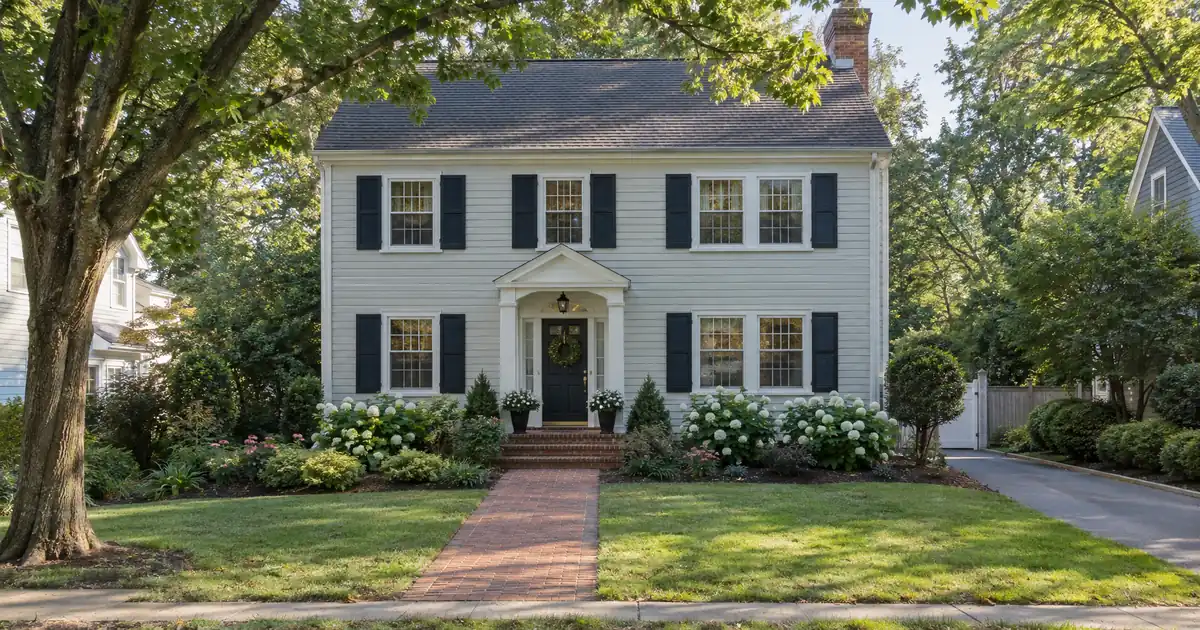
The Quick Read: A VA cash-out refinance is for a home you live in. VA expects you to certify that the home is your residence, or that you intend to occupy it. If you are on active duty and cannot occupy it, your spouse may certify in your place. A rental, a vacant house, or a second home generally does not fit this program.
The rest of this page walks through the rule, how a lender checks it, and where it bends. You will also see where it stops, and what to do if your situation does not match.
Key Terms Defined
Occupancy certification: A signed statement that you live in the home, or intend to move in. It is made at application and again at closing.
Certificate of Eligibility (COE): The VA document that confirms your service qualifies you and shows your entitlement.
Entitlement: The amount of guaranty VA will back on your loan. Full entitlement is what removes the VA loan limit.
Reasonable value: The value VA’s appraisal sets on the Notice of Value. It caps how much you can borrow.
IRRRL: The Interest Rate Reduction Refinance Loan, VA’s streamline refinance for an existing VA loan.
Residual income: The money left each month after your major obligations and living costs. VA underwriting treats it as the controlling test.
What Is the Core Occupancy Rule?
You must live in the home you are refinancing. That is the whole rule in plain words.
VA’s cash-out page lists three conditions. You need a COE, you must meet VA’s and the lender’s credit and income standards, and you must live in the home. VA’s older benefits site describes the loan the same way: a refinance of a first mortgage on a home you own and occupy.
The VA cash-out refinance program does two jobs. It can pull cash out of your equity. It can also move a non-VA loan into a VA-backed one. Either way, the home must be your residence.
Across the wholesale programs Lendmire places VA files with, this is the first question a loan officer asks. Not credit. Not equity. Occupancy. Every other part of the file depends on the answer. Program figures here are subject to lender guidelines and full file review, and nothing on this page is a commitment to lend.
Current Occupancy or Intent to Occupy?
Both can satisfy the rule, depending on your facts. The statute says occupancy means you personally live in the property, or intend to move in within a reasonable time. VA’s regulation then requires a certification of occupancy for a refinance.
Here is how that plays out:
- You live there now. You certify present occupancy. This is the common case.
- You are about to move in. You certify intent. A good example is a home under major repair, covered below.
- You moved out and rented it. You cannot truthfully certify either one. The program does not fit.
Intent is not a loophole. Lenders can generally accept your certification at face value unless something in the file points the other way. If doubt appears, the question becomes whether a reasonable basis exists to believe you can and will occupy the home as you certified. A lease on the property or a new address on your paperwork would raise exactly that doubt.
Lenders may also set rules stricter than VA’s. That is the one place the lender’s overlay and the agency rule can part ways. If a lender asks for more than the statute does, the lender’s rule governs that file.
How Long Do You Have to Stay?
VA’s own text sets no fixed number. The rule speaks in terms of intent and a reasonable time.
You will hear “60 days” and “12 months” from lenders and forums. Those are rules of thumb, not statute. The primary text does not set a year. Think of it as: move in within a reasonable period, which is generally about two months, and mean it.
Ask your loan officer what the specific lender expects. Then get that answer before you apply, not after.
Why Cash-Out Is Stricter Than a Streamline
Cash-out is a brand-new loan with full underwriting. An IRRRL is a lighter refinance of a loan VA already guarantees. That difference drives the occupancy gap.
| Factor | VA Cash-Out | IRRRL |
|---|---|---|
| Occupancy test | Current or intended | Current or prior |
| Underwriting | Full credit and income review | Lighter review |
| VA appraisal | Sets reasonable value | Not required |
| Loan source | Any loan type | Existing VA loan only |
| Spouse relief | Active duty only | Prior occupancy can count |
The IRRRL asks only that you certify you live there or once did. That is why a veteran who moved away and rented the home may still use an IRRRL. Cash-out gives no such relief. It is the biggest difference between the two.
VA’s 2024 Federal Register proposal restates the split in plain terms: a cash-out borrower certifies intent to occupy, while an IRRRL borrower certifies current or prior occupancy. That is a proposed rule, not a final one, so treat it as direction, not law.
Can a Spouse Satisfy Occupancy?
Yes, but only in a narrow case. The veteran must be on active duty and unable to occupy the home because of that duty. Then the spouse can occupy, or intend to occupy, and make the certification.
The statute, 38 U.S.C. § 3704, also covers a dependent child. If a child occupies the home, the veteran’s attorney-in-fact or the child’s legal guardian makes the certification. The occupancy certification is carried on a VA form, and the child scenario has its own signer.
Three points trip people up:
1. “Active duty” is the trigger. A retired or separated veteran with a spouse at home generally does not get the spouse exception.
2. The spouse does not simply sign for you. The spouse must actually live there or intend to.
3. PCS orders and deployments are the pressure points. If orders arrive while your file is open, tell your loan officer right away.
Some secondary sources mention an exception for distant non-military employment, but that exception is not confirmed in the primary program guidelines. Ask the lender before you rely on it.
Surviving Spouses, Divorce, and Non-Veteran Spouses
Surviving spouses and divorce raise questions this page cannot settle. Eligibility for a surviving spouse runs through VA’s COE process, so that is the first step.
A non-veteran spouse living in the home does not, by itself, create the exception. The exception depends on the veteran’s active-duty status. If you are divorced, or the borrowers on the loan are changing, VA treats refinances differently by loan type. Ask your loan officer before you apply, because the answer depends on the loan and the file.
Delayed Occupancy: When Repairs Keep You Out
If the new loan funds extensive repairs that keep you out of the home, you may certify intent to occupy or reoccupy once the work is done. That comes straight from VA’s regulation, 38 CFR § 36.4303.
Picture a veteran whose home needs major work. The cash-out proceeds fund it. Nobody can live there during construction. The borrower certifies that they will move back in when the work ends. That is a real, documented plan, not a convenient one.
The key word is “extensive.” Cosmetic updates do not keep you out of a house. Lenders look for work that makes the home unlivable for a time.
What About Rented, Vacant, or Moved-Out Homes?
A home you do not live in does not qualify for VA cash-out. A rental, a vacant house, and a second home all land in the same place. Occupancy is the gate, and a borrower who cannot truthfully certify cannot use this program.
Here is a plain decision path:
- Can you move back in? Then the home may fit, once you actually occupy it or genuinely intend to.
- Is the existing loan a VA loan? An IRRRL may work, since it accepts prior occupancy. It does not pay out cash.
- Want cash from a home you will not occupy? Look at other products, such as a conventional or home-equity option, which carry their own rules.
- Ready to leave the home behind? Selling may be the cleaner route.
Do not try to fix this with paperwork. A false occupancy certification is a compliance problem. The certification is a serious commitment, so sign only what is true.
Multi-Unit Homes
You can use VA cash-out on a multi-unit property, if you live in one of the units. The veteran occupies one unit and the rest can be rented. VA’s credit underwriting chapter addresses how rental income counts on multi-unit homes.
One catch for reserves. VA’s Chapter 4 on credit underwriting says cash proceeds from a regular cash-out cannot count as the required reserves on a rental unit. Reserves must be your own funds, sitting in an account before closing.
How Lenders Check Occupancy
The lender starts with your signed certification, then looks for anything that contradicts it. Typical checks include:
- The address on your credit report, pay records, and bills
- The loan application and the certification at application and closing
- The appraisal, which can show whether the home looks lived in
- Any lease, listing, or rental income tied to the property
- For military borrowers, orders that show where you are assigned
A lease on the property. A mailing address elsewhere. Rental income that does not match a multi-unit structure. When one appears, expect questions.
What If Plans Change After Closing?
The rule is about what you certify at closing. One lender-affiliated source says a later PCS order does not retroactively void the loan. That is not verified against VA text, so do not treat it as settled.
The safe approach is practical. If your plans change, tell your servicer and loan officer instead of guessing. Do it early, before the next move.
What Does a Cash-Out Cost and Reach?
Across the wholesale programs Lendmire places VA files with, a VA cash-out reaches up to 100% of the appraised value, including the financed funding fee. It can refinance any loan type into VA. It carries the same seasoning as an IRRRL, which is the later of 210 days from the first payment and the sixth payment. It also requires a net tangible benefit, meaning the new loan must help you in a real way.
The funding fee is 2.15% on first use and 3.3% after, and it is waived for veterans receiving compensation for a service-connected disability and the other exempt groups. VA charges no mortgage insurance. Wholesale programs start at a 580 decision score, and VA sets no minimum of its own. These are subject to lender guidelines and full file review.
VA’s Chapter 3 handbook ties the loan to reasonable value on the Notice of Value. A bigger balance means a bigger payment, and rolling costs in raises the balance. VA also warns that refinancing costs can add up, so check how the new loan relates to your home’s value.
Underwriting is full. Residual income is the controlling test, and the 41% debt-to-income figure is a guideline, not a cap.
Tax treatment can depend on your situation; borrowers should speak with a qualified tax professional before relying on any deduction or credit.
Four Short Scenarios
Active duty, spouse at home. The service member is stationed away. The spouse lives in the home and certifies. This fits the spouse exception.
Moved out and rented. A veteran got PCS orders and rented the house. Cash-out does not fit. An IRRRL might, if the loan is already VA.
Retiree moving in soon. A veteran is retiring and relocating to the home. Intent to occupy within a reasonable time may work. The lender will want that plan to be credible.
Duplex owner. A veteran lives in one unit and rents the other. Occupancy is met. The lender will review the rental income under VA’s multi-unit rules.
Frequently Asked Questions
Can my spouse sign the occupancy certification for me?
Only if you are on active duty and cannot occupy the home because of that duty. Then your spouse can certify that they occupy it or intend to. A retired or separated veteran generally cannot use this exception.
Can I cash out on a rental or a second home?
No. VA cash-out requires that you live in the home. A rental, vacant house, or second home generally does not fit this program.
Do I have to live there for 12 months?
VA’s primary text sets no fixed year. The rule speaks of intent and a reasonable time. Some lenders expect more, so ask yours what it requires before you apply.
Does an IRRRL have the same occupancy rule?
No. An IRRRL needs a certification of current or prior occupancy, and a spouse can certify prior occupancy for an active-duty veteran. Cash-out does not get that relief.
Can I use cash-out to leave a non-VA loan?
Yes. A VA cash-out can refinance a non-VA loan into a VA-backed loan, as long as the home is your residence and you meet VA’s and the lender’s credit and income standards.
If you are weighing a cash-out refinance against keeping the loan you have, Lendmire can help you compare the programs and the equity each one reaches. Details above are subject to lender guidelines and are not a commitment to lend. For a related look at another program, see Lendmire’s guide FHA Cash-Out Refinance Rules: Occupancy, Loan-to-Value, and Credit. Ask about the VA cash-out refinance program to see how your situation fits.
For your own numbers, request a scenario review with Lendmire.
About Lendmire
Lendmire (NMLS# 2371349) is a mortgage broker licensed for consumer lending in 16 states. Lendmire arranges FHA, VA, conventional and jumbo purchase and refinance loans through wholesale lenders; every file is underwritten by the lender under the applicable program guidelines. Scotsman Guide named Lendmire a Top Mortgage Workplace in both 2025 and 2026.
Get Started
Ready to find the right loan for you?
In about 30 seconds you can review financing options available for your home or investment property. No commitment required.
Informational only. Not a Loan Estimate, approval, or commitment to lend. Program availability and eligibility are subject to lender guidelines, credit approval, property review, and underwriting.
References
1. VA – Cash-out refinance loan
2. VA Benefits – Purchase & Cash-Out
3. Federal Register – Loan Reporting proposal
6. Chapter 4 on credit underwriting
7. VA Lenders Handbook, Chapter 3
This article is part of Lendmire’s VA Loans series — every loan program’s qualification details, guidelines, and scenarios live on the loan options page.
Related reading: VA IRRRL Vs VA Cash-out: Choosing The Right VA Refinance · VA Cash-out Refinance To Pay Off A Non-va Loan: Type I Vs Type II Explained · VA Cash-out Refinance: How The 100 Percent Ceiling Really Works
Brandon Miller
Founder & CEO, Mortgage Loan Originator, Lendmire LLC
- Mortgage Loan Originator · NMLS# 1129696 · Verify on NMLS Consumer Access
- North Carolina Real Estate Broker · License# 343312 · Verify on NCREC
- North Carolina Insurance Producer · License# 19053198 · Property, Casualty, Life, Health · Verify on NAIC SBS
- Lendmire LLC · Firm NMLS# 2371349 · Verify firm licensure
Disclosure information. Lendmire is a state-licensed mortgage brokerage under NMLS# 2371349. Lendmire is not a depository institution, direct lender, or financial advisor — all loans referenced are placed through wholesale lender partners and are subject to each lender's underwriting standards. This article is provided for general informational purposes and is not a commitment to lend, nor does it constitute financial, legal, or tax advice. Loan programs, terms, rates, and qualification standards change without notice and depend on borrower profile, property type, and the state in which the subject property is located. Equal Housing Opportunity provider. NMLS Consumer Access: nmlsconsumeraccess.org.