
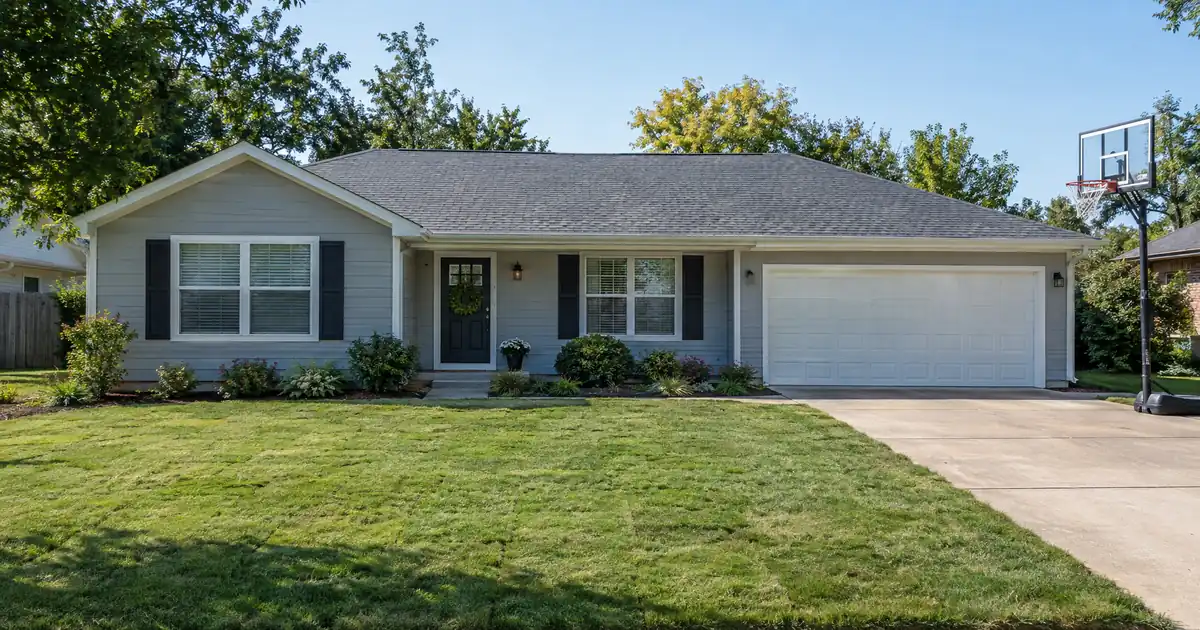
The Quick Read: A cash-out refinance can fund a second home, but it replaces your low first mortgage instead of sitting on top of it. The new, larger loan carries today’s pricing on your whole balance, not just the cash you pull out. A second lien such as a HELOC leaves the low loan alone. Which route wins depends on how big your balance is compared with your home’s value, and on how much cash you need.
Key Takeaways
- A cash-out refinance pays off your current first mortgage and creates a new one. You cannot keep the old loan and take cash out through it.
- On a primary residence, conventional cash-out is limited to 80% of the home’s value on a one-unit property.
- The second home is a separate loan. It gets its own approval, reserves and occupancy review.
- A small balance relative to value can flip the usual advice to “keep the low mortgage.”
- FHA Streamline and VA IRRRL loans cannot fund a second home.
What Does a Cash-Out Refinance Do to a Low First Mortgage?
It ends it. The new loan pays off the old first mortgage in full, and whatever equity is left over comes to you as cash. Your old terms disappear.
That is the central trade-off. Say your existing loan was set up on friendlier terms than anything on offer today. Then you give those terms up on the entire balance, not only on the new money. Borrowers often picture the cash as an add-on to the old loan. It is not. It is a brand-new loan.
Across the wholesale programs Lendmire places files with, the same pattern shows up again and again. Homeowners ask for “cash out” when they really mean “access to equity.” Those are different goals, and different products serve them. Cash-out refinance programs fit when replacing the first mortgage makes sense on its own. A second lien fits when keeping the first mortgage matters most.
For a conventional loan on your primary residence, the cap is 80% of appraised value on a one-unit home. On two- to four-unit primary residences, that drops to 75%. Appraised value sets everything, so a low appraisal shrinks your cash.
How Does the Money Move From Refinance to Second Home?
Order matters. The refinance has to close and the funds have to arrive before you can use them. The usual sequence:
1. Pick the structure. Choose between a cash-out refinance, a HELOC or home equity loan, or financing the second home with its own loan and a smaller down payment.
2. Check cash-out eligibility. Confirm the seasoning clocks below and that the home is not listed for sale.
3. Refinance the primary home. The appraisal sets the value. The new loan pays off the old one, covers closing costs, and sends the rest to you.
4. Document the funds. The second-home lender will want to see where your down payment and reserves came from.
5. Qualify for the second-home loan. This is a separate approval. Cash-out proceeds do not pre-approve it.
6. Close on the second home.
Do not time the purchase so tightly that a delay in step 3 breaks your contract. Build slack into the purchase agreement.
How Much Cash Can You Actually Get?
Take your appraised value, apply the leverage cap, subtract your current balance, then subtract closing costs. What remains is your cash. The leverage cap is the same whatever you plan to spend the money on.
Run the numbers in percentages of value, as modeled assumptions. Picture two homeowners, each with a primary residence under the 80% cap.
- Small balance. The current mortgage is 25% of value. Up to 55 points of value are available as cash, and only the first 25% of value gets repriced.
- Large balance. The current mortgage is 70% of value. Only about 10 points of value are available, and that 70% all moves to new terms.
Homeowner two gives up the low loan on almost the whole balance for a small cash payout. That is rarely a good trade.
One state rule is worth knowing. In Texas, the state constitution limits cash-out on a homestead, so check the local rules before planning around more cash. Everything here is subject to lender guidelines and full file review.
When Does Replacing the Low Mortgage Make Sense?
Replacing it makes sense when the balance is small relative to value, or when you need a lump sum large enough that a second lien would strain your budget. It does not make sense when most of your value is still owed.
Think of it as a four-step test:
1. List the cash you need.
2. Estimate how much of your balance the new loan would reprice.
3. Compare that with a second lien that reprices only the new money.
4. Check the total cost over the years you plan to hold the loan.
Many advice pages say “keep your low rate” and stop there. That advice assumes a large balance. With a small balance, the repricing touches little money. The refinance may also release more cash than a second lien would allow. This is the counterintuitive case, and it is worth running both ways.
Qualifying Twice: Refinance Rules and Second-Home Rules
You pass two separate reviews. Each one has its own rules.
The refinance. The new first mortgage must pay off your existing one under the Fannie Mae cash-out refinance rules. Those rules require the loan being paid off to be at least 12 months old, measured from note date to note date. Conventional programs also want at least one borrower on title for six months, unless an exception applies. Wholesale conventional programs generally start at a 620 decision score. The automated finding governs most files, with a total ratio ceiling of 50%.
The second home. Fannie Mae’s purchase leverage for a one-unit second home is up to 90%, so expect a down payment of about 10% plus closing costs and reserves. Your debt-to-income ratio now includes both payments: the new first mortgage on your home and the new loan on the second one. Additional financed properties also raise the reserve requirement, which scales with the balances you owe on them. Terms depend on the lender’s guidelines, the property type, the leverage, and a full review of the credit profile.
Lenders also look at where your down payment came from. Funds from a cash-out refinance are generally acceptable when documented. Expect to show the closing disclosure from the refinance and the deposit trail.
What Counts as a Second Home?
Occupancy decides the leverage, and the rules are narrow. Under Fannie Mae’s occupancy rules, a second home must be:
- occupied by you for some part of the year;
- a one-unit dwelling;
- suitable for year-round use;
- under your exclusive control;
- not a rental or timeshare arrangement.
Rental income from the property cannot be used to qualify. A part-time rental does not fit the definition.
Do not call a property a second home to get better terms if you plan to rent it. Misclassifying occupancy is a serious problem, and lenders look for red flags such as a 12-month lease. Likewise, you cannot buy a new primary residence, move out of the refinanced home right away, and treat the old one as an afterthought. The refinance was underwritten as your primary residence.
Where Does the General Rule Break?
Several edge cases change the answer.
Delayed financing. If you pay cash for a home, the six-month title wait can be waived when the purchase was arm’s-length and the source of funds is documented. If a HELOC on another property funded the cash purchase, the refinance proceeds must pay that loan off or down. This creates a possible sequence: take a HELOC on your primary home, buy the second home with cash, then do a cash-out on the second home. Cash-out leverage on a second home is 75%, per Fannie Mae’s eligibility matrix. It applies to conventional loans only, so confirm it with your lender.
Limited cash-out. A rate-and-term refinance allows only incidental cash back. It pays off the first mortgage and costs, but it is not a way to fund a second home.
FHA Streamline and VA IRRRL. Both refinance an existing government loan, and neither puts meaningful cash in your hand. The IRRRL carries a 0.5% funding fee unless exempt. They are tools for changing the terms of the loan you have, not for buying a second home.
An existing HELOC. If a second lien is already on the home, it must be paid off or subordinated in a refinance. Plan for that before you apply.
Mortgage insurance. It enters when leverage on the new loan goes above 80%. It can be cancelled at 80% of original value and ends automatically at 78%, though conventional cash-out loans are capped at 80% to begin with.
Which Option Fits Best?
| Factor | Cash-out refinance | HELOC | Home equity loan |
|---|---|---|---|
| Your first mortgage | Replaced | Stays in place | Stays in place |
| What gets repriced | Whole balance | New money only | New money only |
| Number of payments | One | Two | Two |
| Draw style | Lump sum | Draw as needed | Lump sum |
| Best fit | Small balance, big cash need | Staged or smaller needs | Fixed one-time amount |
The Consumer Financial Protection Bureau describes a home equity loan as a lump sum and a HELOC as a line you draw on up to a limit. Both are second mortgages paid on top of the first. A lender can freeze or reduce a HELOC if your home’s value falls, so check that before building a purchase plan around one.
For a deeper side-by-side on this exact choice, see Lendmire’s piece Cash-Out Refinance vs Second Lien on a Rental With a Low First Mortgage.
Key Terms Defined
Cash-out refinance: a new first mortgage larger than the old one, with the difference paid to you.
Second lien: a loan secured by your home that sits behind the first mortgage, such as a HELOC or home equity loan.
Seasoning: the waiting period a lender wants between events, such as owning a loan or a property for a minimum time before refinancing.
Combined loan-to-value (CLTV): all loans on the home added together, divided by its value.
Reserves: liquid funds left over after closing, counted as months of payments.
What Does the Decision Look Like?
Use this as a quick filter:
- Small balance and a large cash need: lean toward the cash-out refinance.
- Large balance and a modest cash need: lean toward a second lien.
- Staged spending: a HELOC fits better than a lump sum.
- Tight purchase deadline: do not rely on a refinance closing in time.
- Plan to rent the property: it is not a second home, so do not frame it as one.
Tax treatment can depend on your situation; borrowers should speak with a qualified tax professional before relying on any deduction or credit.
If you are weighing a cash-out refinance against keeping the loan you have, Lendmire can help you compare the programs and the equity each one reaches.
Frequently Asked Questions
Can I use cash-out refinance money as the down payment on a second home?
Yes, when the funds are documented and the second-home loan separately qualifies. The refinance gives you cash. It does not approve the purchase. Expect to show the closing disclosure from the refinance and a clear trail into your account.
Can I keep my low-rate first mortgage and still do a cash-out refinance?
No. A cash-out refinance pays off the existing first mortgage and replaces it. To keep the loan you have, use a second lien or finance the second home directly.
Does a limited cash-out refinance let me take equity out?
Not in any meaningful amount. It allows only incidental cash back and is meant to change the terms of the loan, not to fund a purchase.
How long must I wait before a cash-out refinance?
The loan being paid off must be at least 12 months old, and at least one borrower must have been on title for six months unless an exception such as delayed financing applies. Other programs may set longer waits.
Do I use the same lender for both loans?
Not necessarily. The refinance and the second-home loan are separate transactions. A broker can place them with different wholesale lenders if that fits each file better.
For your own numbers, request a scenario review with Lendmire.
For current guidelines and terms, see Lendmire’s refinance programs page.
About Lendmire
Lendmire (NMLS# 2371349) is a mortgage brokerage serving homeowners and home buyers in 16 states. FHA, VA, conventional and jumbo purchase and refinance loans are arranged through wholesale lending channels; Lendmire brokers the financing and the lender underwrites each application. Scotsman Guide named Lendmire a Top Mortgage Workplace in both 2025 and 2026.
Get Started
Ready to find the right loan for you?
In about 30 seconds you can review financing options available for your home or investment property. No commitment required.
Informational only. Not a Loan Estimate, approval, or commitment to lend. Program availability and eligibility are subject to lender guidelines, credit approval, property review, and underwriting.
References
1. Fannie Mae Selling Guide: Cash-Out Refinance Transactions
2. Fannie Mae Selling Guide: Occupancy Types
3. Fannie Mae Eligibility Matrix
4. Consumer Financial Protection Bureau: Home Equity Loan vs. HELOC
This article is part of Lendmire’s Refinance series — every loan program’s qualification details, guidelines, and scenarios live on the loan options page.
Related reading: Cash-Out Refinance Mortgage Insurance Rules With a Low First Mortgage · How Much Down Payment a Cash-Out Refinance Funds Over a Low First Mortgage · How to Sequence a Cash-Out Refinance Before a Second-Home Purchase
Brandon Miller
Founder & CEO, Mortgage Loan Originator, Lendmire LLC
- Mortgage Loan Originator · NMLS# 1129696 · Verify on NMLS Consumer Access
- North Carolina Real Estate Broker · License# 343312 · Verify on NCREC
- North Carolina Insurance Producer · License# 19053198 · Property, Casualty, Life, Health · Verify on NAIC SBS
- Lendmire LLC · Firm NMLS# 2371349 · Verify firm licensure
Disclosures. The information presented in this article is general market commentary, not financial, legal, or tax advice. Lendmire is a mortgage brokerage (NMLS# 2371349) — not a direct lender or depository institution — and loan placement is subject to lender underwriting. Nothing in this content represents a commitment to lend. Loan terms, pricing, and program availability vary based on borrower qualifications, property characteristics, and state of subject property, and are subject to change at any time. Lendmire complies with Equal Housing Opportunity requirements. Consumer access: nmlsconsumeraccess.org.