
The Quick Read: An heir who lives in an inherited home can often do an FHA cash-out refinance without waiting the usual 12 months, as long as the home was never treated as an investment property after the inheritance. Renting it out, even for a stretch, generally restarts the clock. The heir must also own the home, live in it as a principal residence, and qualify on their own income. Confirm the current wording in HUD’s handbook, because details vary by lender and file.
What FHA Means by Occupancy on a Cash-Out Loan
FHA cash-out refinancing is for owner-occupied principal residences only. HUD’s own FAQ describes a cash-out refinance as a refinance of any mortgage, or a withdrawal of equity where no mortgage exists, with proceeds not limited to specific purposes. That includes a home with no loan on it.
The general rule is a 12-month test. In the wholesale programs Lendmire works with, an FHA cash-out reaches 80% loan-to-value on a home the borrower has owned and occupied for 12 months before the case number is assigned. A case number is the identifier FHA assigns to the loan file.
That 12-month rule is why inherited homes need their own treatment. An heir may have owned the house for a few weeks. Under the general rule, that would mean waiting. The handbook carves out an exception.
The Inheritance Exception, in Plain Words
HUD’s FAQ sends readers to Handbook 4000.1 for refinances involving inherited property. The handbook’s inheritance language, as described by lenders who work with it, says two things.
First, an heir does not have to occupy the home for a minimum period before applying for cash-out. Second, that holds only if the heir has not treated the property as an investment at any point since inheriting it.
If the heir rents the home after inheriting, the exception is gone. They need 12 months of principal-residence occupancy before cash-out is available.
Older HUD material shows the same idea in a stricter form. An archived HUD reference guide treated inherited homes as eligible when the borrower had occupied the home as a primary residence since the inheritance, and the lender had to document the inheritance. That page is dated, so treat it as background. The current handbook is less strict about prior occupancy but adds the “no investment use” condition.
Always check the live text. HUD lists handbook updates on its Housing Handbooks page, and the wording is what a lender’s underwriter will follow.
How the File Gets Built, Step by Step
Across the FHA files Lendmire arranges through wholesale lenders, an inherited-home cash-out follows a predictable sequence.
1. Title comes first. The heir has to actually own the home. A will alone does not move title. Probate may be needed unless the home passed outside it, such as through a transfer-on-death designation or a trust. After probate, a new deed is recorded with the county. At least one borrower on the refinance must hold title before the case number is assigned.
2. The lender documents the inheritance. Expect to provide the paperwork showing how the home was acquired, such as court or estate documents and the recorded deed.
3. The heir proves they live there. Lenders look for evidence of occupancy. Utility bills in the heir’s name, employment records showing the address, and a government ID are common.
4. The heir shows no investment use. Expect questions about whether the home was ever rented, listed for rent, or left to tenants. Useful documents include lease history, tax-return rental schedules, utility bills, and a signed occupancy statement. HUD does not publish a standard checklist for this, so the exact proof varies by lender.
5. Existing liens are paid off. If a mortgage came with the house, the new loan pays it off. If the home is free and clear, it can still be a cash-out transaction. If the heir is paying an inherited mortgage, lenders review the payment history on it.
6. The appraisal sets the value. The appraisal drives the loan amount. In the programs Lendmire places, FHA cash-out tops out at 80% of value. Older HUD material cites a higher figure, so ignore any 85% you see on dated pages.
7. The heir is reviewed on their own. More on that next.
Credit and Income: The Heir Qualifies Alone
Income from a non-occupant co-borrower cannot be used to qualify on an FHA cash-out refinance. That is a common surprise. On an FHA purchase, a non-occupant co-borrower can help. On cash-out, the occupying heir has to carry the file.
The wholesale programs Lendmire works with start at a 580 decision score. Ratios, meaning housing cost and total debt as a share of income, begin at a 31/43 base pair with no compensating factors. Documented compensating factors can stretch that to 40/50 at the top tier, and the automated underwriting finding governs most files. All of this is subject to lender guidelines and full file review.
FHA also charges mortgage insurance on the loan. There is an upfront premium of 1.75% of the base loan, which is typically financed. There is also an annual premium of 0.15% to 0.75% of the balance, depending on term, loan amount and LTV. On a thirty-year loan above 90% LTV, the annual premium lasts for the loan term. At or below 90%, it ends after eleven years. Those are program mechanics, not prices.
Edge Cases: Where the Exception Breaks or Bends
The heir rented the house after inheriting. The exception is lost. The heir needs 12 months of principal-residence occupancy before cash-out. Brief rentals count too, because the rule asks whether the home was treated as an investment at any point.
What counts as “treated as an investment”? HUD’s text does not list examples. Lenders usually read it to cover a lease, a relative paying rent, short-term rental use, and a rental listing. A vacant house is different. Vacancy is not rental use, but the heir still has to show they live there now. Anything borderline should go to a loan officer before an appraisal is ordered.
The heir lives elsewhere and plans to move in. Cash-out requires an owner-occupied principal residence when the loan is made. Intent to move in later does not work for cash-out. An heir who has not yet moved in should settle the residence question first.
The heir is a non-occupant. A non-occupant heir cannot use FHA cash-out, and a non-occupant co-borrower’s income cannot be counted.
Several heirs, one lives there. The handbook requires that at least one borrower hold title before the case number is assigned. Buying out co-heirs is a separate question. FHA has provisions for refinancing to buy out a title-holder’s equity, usually discussed for ex-spouses and co-borrowers. How that applies among siblings should be confirmed with a loan officer before anyone signs a buyout agreement.
The home came with a reverse mortgage. HUD has published guidance for heirs of reverse-mortgage borrowers. Check hud.gov for the current document, since this is its own track with its own deadlines.
The home came with a conventional loan. An FHA streamline refinance requires an existing FHA loan, so an heir with an inherited conventional loan generally cannot use one. Streamlines can be done without the occupancy test, but that route is closed here.
The heir does not want to live there. FHA occupancy rules are firm. Cash-out in that case is a program choice, not an FHA fix. A conventional program is a different conversation, and Lendmire’s team can walk through how occupancy decides the leverage.
Scenario Guide: Find Your Situation
| Your situation | Inheritance exception? | What to document |
|---|---|---|
| Live there now, never rented | Generally yes | Deed, estate papers, utility bills |
| Plan to move in later | No, occupancy is required now | Wait until you live there |
| Rented it briefly after inheriting | No, 12-month clock applies | Proof of 12 months of occupancy |
| A relative pays you rent | Likely no | Lender will treat as rental use |
| Vacant, you live elsewhere | No | You must live there as principal residence |
| Sibling lives there, you don’t | Not for you | Occupying heir must hold title and qualify |
Treat this as orientation, not a ruling. Lenders apply HUD’s text through their own review, and some set stricter overlays on things like mortgage payment history.
Picture an Heir Living in the Home
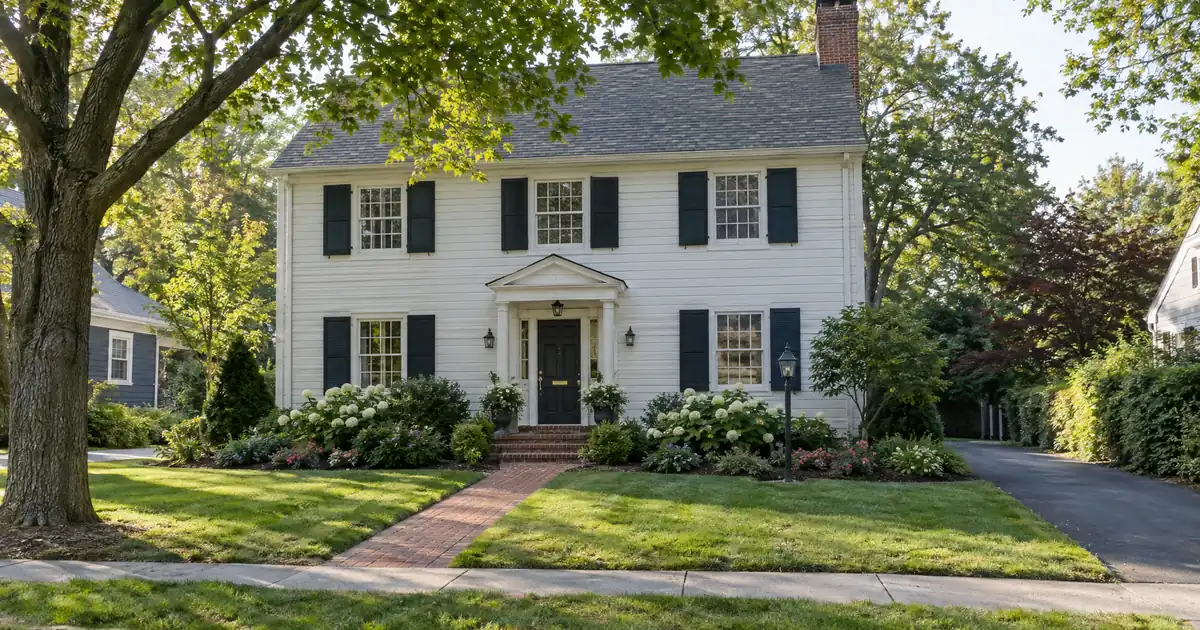
Say a woman moves into her late father’s house to care for him. After he passes, she stays. The estate clears probate and title is recorded in her name. She never leased a room or listed the home. A few months later she wants to pull equity for repairs and to pay off a car loan.
For her, the usual 12-month wait is likely not the obstacle. The questions become title, proof that she lives there, and proof that the home was never a rental. Her own income and credit have to carry the loan at up to 80% LTV on the appraised value. If her brother, who lives in another state, offers to co-sign, his income does not count. Terms vary by lender guidelines, property type, leverage, credit profile, and full file review.
Now change one fact. Suppose she rented the upstairs unit for a season before applying. The exception no longer applies, and she would wait out 12 months of principal-residence occupancy first. A small detail changes the timeline, which is why disclosing the full history up front matters.
Occupancy After Closing
The heir signs a security instrument that includes an occupancy commitment. FHA generally expects a borrower to occupy as a principal residence and intend to stay for at least a year. Moving out and renting the home soon after closing can create legal exposure, so plans should be settled before the loan is signed.
What the Money Costs You, Beyond the Fees
A cash-out refinance replaces the current loan with a larger one. The CFPB’s home equity guide notes that the payment may rise because the loan is bigger, the term may reset, and the loan terms change. The CFPB also warns that rolling unsecured debt into a mortgage puts the home at risk if payments become unsustainable.
Paying off debt is the most common reason borrowers cash out, followed by home repairs, according to the CFPB’s cash-out borrower report. Debt payoff made up more than half of responses in each year from 2014 to 2019. That helps, but the equity you inherited is also a safety net. Decide how much of it you really want to convert into debt.
Tax treatment can depend on your situation; borrowers should speak with a qualified tax professional before relying on any deduction or credit.
Key Terms Defined
Heir: A person who receives property from someone who has died, by will or by law.
Probate: The court process that confirms a will and moves title to the people who inherit.
Principal residence: The home you live in as your main address.
Case number: The FHA identifier assigned when a lender starts the file, which anchors the 12-month ownership test.
Investment use: Treating the home as a rental or income property, which ends the inheritance exception.
Cash-out refinance: A new, larger mortgage that pays off the old one, with the difference paid to you as cash.
Frequently Asked Questions
Do I have to live in an inherited house for 12 months before an FHA cash-out?
Generally no, if you live there and have never treated it as an investment. The 12-month wait applies if you rented the home after inheriting it. The current handbook text controls, so have a loan officer confirm it against HUD’s latest update.
Can I use an FHA cash-out on an inherited home that has no mortgage?
Yes, a home owned free and clear can still be a cash-out transaction. The heir still needs recorded title, proof of occupancy, and qualifying credit and income. Loan amount is capped at 80% of appraised value in the programs Lendmire places, subject to lender guidelines.
What if only one of several heirs lives in the home?
At least one borrower must hold title before the case number is assigned, and the occupying borrower has to qualify alone. Buying out the other heirs involves separate provisions, so settle that with a loan officer before agreeing on a payout.
Does renting the home for a few months really disqualify me?
It generally does. Any rental period after inheriting counts as investment use and starts the 12-month principal-residence clock. Disclose the full history to the lender up front, since leases and tax schedules can surface it later.
Can a relative who doesn’t live there co-sign to help me qualify?
Not on an FHA cash-out. Income from a non-occupant co-borrower cannot be used. That differs from FHA purchase loans, where a non-occupant co-borrower is allowed.
If you are weighing a cash-out refinance against keeping the loan you have, Lendmire can help you compare the programs and the equity each one reaches. Reach the team at 828-256-2183, or start with the FHA cash-out refinance program overview. Program figures are subject to lender guidelines and full file review, and nothing here is a commitment to lend.
For your own numbers, request a scenario review with Lendmire.
About Lendmire
Lendmire is a mortgage brokerage (NMLS# 2371349) licensed for consumer mortgage lending in 16 states, arranging FHA, VA, conventional and jumbo purchase and refinance loans through a wholesale lending network. Eligibility is determined by the lender on each file. Scotsman Guide named Lendmire a Top Mortgage Workplace in both 2025 and 2026.
For the program’s current guidelines, see FHA loan programs.
Get Started
Ready to find the right loan for you?
In about 30 seconds you can review financing options available for your home or investment property. No commitment required.
Informational only. Not a Loan Estimate, approval, or commitment to lend. Program availability and eligibility are subject to lender guidelines, credit approval, property review, and underwriting.
References
1. HUD Archives – HOC Reference Guide, Refinances
2. HUD – Housing Handbooks listing
3. CFPB – Using home equity guide
4. CFPB: CFPB Report Finds Cash Out Mortgage Refinance Borrowers Improve Credit Scores
This article is part of Lendmire’s FHA Loan series — every loan program’s qualification details, guidelines, and scenarios live on the loan options page.
Related reading: Can You Refinance Out of FHA With a Conventional Cash-Out Refinance? · Can You Get an FHA Cash-Out Refinance With a Living Trust? · How to Time an FHA Cash-Out Around the Occupancy Clock
Brandon Miller
Founder & CEO, Mortgage Loan Originator, Lendmire LLC
- Mortgage Loan Originator · NMLS# 1129696 · Verify on NMLS Consumer Access
- North Carolina Real Estate Broker · License# 343312 · Verify on NCREC
- North Carolina Insurance Producer · License# 19053198 · Property, Casualty, Life, Health · Verify on NAIC SBS
- Lendmire LLC · Firm NMLS# 2371349 · Verify firm licensure
Compliance and disclosures. Lendmire (NMLS# 2371349) is a licensed mortgage broker and is not a direct lender, depository institution, financial advisor, or tax professional. Content in this article is general market analysis and educational information — not financial, legal, or tax advice for any specific situation. Lendmire does not guarantee loan approval; every transaction is subject to underwriting by the funding lender. Mortgage pricing and loan program guidelines are subject to change at any time without notice and vary by borrower characteristics, property type, and state regulations. Lendmire complies with Equal Housing Opportunity. Licensure verification: NMLS Consumer Access.