
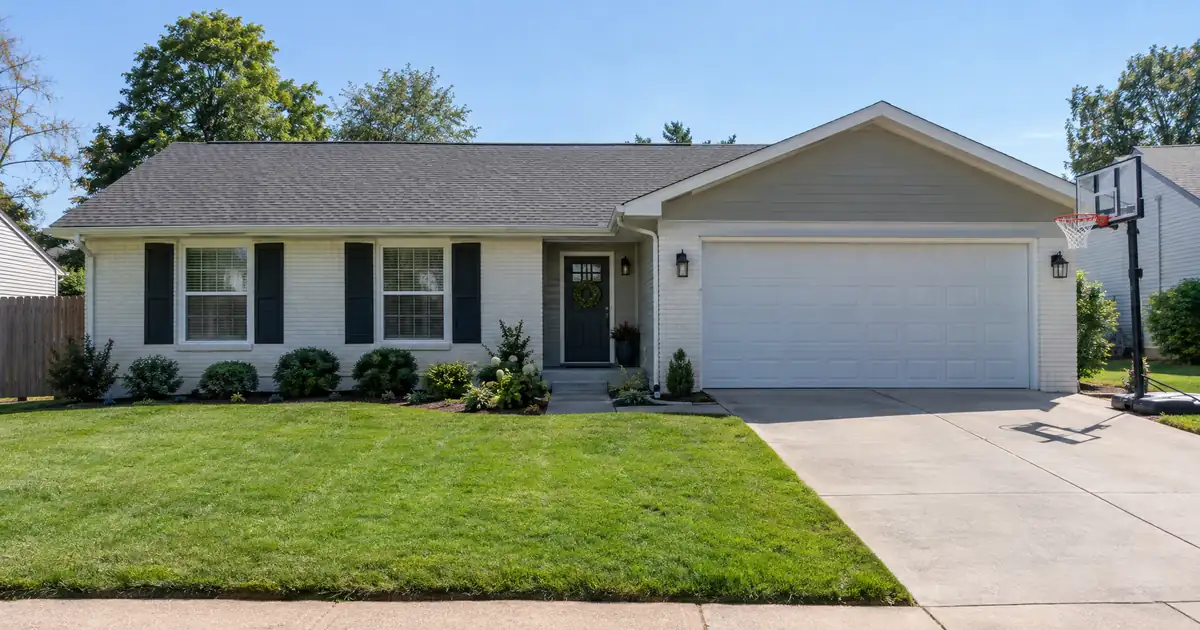
The Quick Read: Timing comes down to three clocks: how old your current mortgage is, how long you have been on title, and when the project needs its money. A cash-out loan replaces your whole mortgage and sizes the new loan on today’s appraised value, not the finished project’s value. Get those clocks lined up before you sign a contractor, and the financing usually fits.
Key Takeaways
- A cash-out refinance pays off your current mortgage and hands you the extra as cash. The new loan terms apply to the entire balance.
- On a one-unit home you live in, conventional cash-out typically tops out at 80% of the home’s appraised value. Two- to four-unit homes top out at 75%.
- The mortgage you are paying off generally must be at least 12 months old. You also need to have been on title for at least six months, with exceptions for inheritance and legal awards.
- A “limited” refinance cannot fund a big project. It allows only a small amount of cash back.
- A planned ADU’s future rent generally does not help you qualify. An ADU that already exists may.
What Does a Cash-Out Refinance Actually Do for a Project?
A cash-out refinance swaps your current mortgage for a bigger one. The new loan pays off the old balance, covers closing costs, and sends you the rest as a lump sum. You then spend that money on the kitchen, the addition, or the backyard cottage.
That sounds simple. The catch is that it is a brand-new loan. Your rate, term, and payment reset on the whole balance, not just the extra cash. If your current loan has terms you like, that matters.
It also differs from a home equity line or a second mortgage. Those sit behind your first mortgage and leave it alone. A cash-out refinance replaces it. Lendmire’s cash-out refinance programs work this way, with the leverage limits covered below, and any specific program is subject to lender guidelines and full file review.
One more point. Mortgage proceeds from a standard cash-out are not tied to receipts. The lender does not check that you spent the money on the project. That freedom is real, but so is the discipline it demands.
How Is the Loan Sized and Underwritten?
The lender starts with your home’s appraised value today. It then applies a leverage cap, subtracts what you owe, and checks that your income can carry the larger loan. The appraisal is the step that surprises renovators most, because it reflects the house as it stands, not as you plan to build it.
Here is the sequence, step by step:
1. Check seasoning. The mortgage being paid off generally must be at least 12 months old, measured from note date to note date. At least one borrower must also have been on title for six months. Exceptions exist for inheritance, legal awards, and delayed financing.
2. Run the equity math. On a one-unit principal residence, conventional cash-out reaches 80% of the appraised value. Two- to four-unit principal residences, second homes, and investment property reach 75%. Your payoff and closing costs come out of that cap first. What remains is your cash.
3. Order the appraisal. The appraiser values the home as-is. Planned work does not count until it exists.
4. Document income, assets, and debts. Your new payment is qualified on the larger balance. Across the wholesale programs a broker places files with, conventional loans typically start at a 620 decision score. The automated finding governs most files, with a total debt ratio ceiling of 50%.
5. Close and receive funds. A cash-out funds in one lump sum at closing.
Strong-credit borrowers have one more lane. A wholesale option reaches 89.99% leverage with no mortgage insurance. It needs a 680 score and a 50% ratio on a thirty-year fixed loan, a primary residence, and a conforming balance. It carries its own six months of seasoning. In Texas, a cash-out on the homestead is capped by the state constitution, and that lane is not written there. Every figure here varies by lender and program — guidelines, property type, leverage, and credit profile all apply.
Note the sequence. The appraisal comes after your contractor bids, so the bids need to be in hand first if you want a real budget. That is the heart of the timing problem.
Which Clock Matters Most? The Seasoning Rules
The 12-month rule on your current mortgage is the clock that blocks the most people. It is separate from the six-month title rule. You can pass one and fail the other.
Freddie Mac’s Guide section 4301.5 spells out both. All borrowers must occupy the home as a primary residence. At least one borrower must have been on title for six months before the note date. The first lien being refinanced must be seasoned at least 12 months, with listed exceptions. Fannie Mae applies the same 12-month and six-month tests.
Here is how that plays out.
- Bought the home 8 months ago and want to add an ADU now. The six-month title clock is already satisfied, but the 12-month loan-age clock is still open. Cash-out is not available yet, subject to listed exceptions.
- Refinanced 10 months ago for a lower payment. The new loan is your “first mortgage,” and it is not 12 months old. A cash-out has to wait.
- Inherited the home and have a small existing loan. The title exception may apply, but the loan-age test still gets checked.
- Existing loan is a home equity line. Freddie Mac exempts a line serving as the first lien from the 12-month test, along with certain co-owner buyouts.
Rules like these change at the agency level, so the lender’s current guidelines control. If your dates are close to the line, ask before you schedule anything.
Is Cash-Out Even the Right Tool?
Cash-out works best when you have plenty of equity, the project is large, and your current loan terms are not something you want to protect. It is a poor fit when you have a loan you love or a project that needs financing beyond today’s value.
| Option | Best fit | Main tradeoff | Timing implication |
|---|---|---|---|
| Cash-out refinance | Large equity, project scope settled | Replaces the whole loan | Needs seasoning; one lump sum |
| Home equity line or loan | Keeping a loan you like | Second payment | Can open once equity is there |
| Renovation refinance | Thin equity, big scope | Plans, contractor, and inspections required | Money released in stages |
| Construction-to-permanent loan | New build or major addition | More paperwork | Tied to permits and plans |
If you are weighing the first two options closely, Lendmire’s piece Cash-Out Refinance vs HELOC for a First-Time Equity Renovation goes deeper. For a backyard unit, there is also a HELOC vs renovation loan vs cash-out refinance for an ADU.
Why Not Just Use a Renovation Loan?
A renovation refinance lends against the finished value of the home, so it can work when you lack much equity today. Fannie Mae’s HomeStyle Renovation is the best-known version. It applies to a purchase or a limited cash-out refinance. It does not offer a cash-out option.
The trade for that extra reach is paperwork:
- You need a construction contract and plans from a licensed or certified professional.
- The lender reviews your contractor’s qualifications.
- Funds are released in stages after the work is inspected.
- The appraiser reviews plans and later signs off on completion.
The FHA 203(k) is the government version. HUD’s 203(k) program page describes a Standard version, which requires a consultant, and a Limited version for minor, non-structural work. Luxury items and anything that does not become a permanent part of the property are not eligible.
So the choice is really about equity. A thick-equity homeowner who wants freedom picks cash-out. A thin-equity homeowner with a big plan picks a renovation loan. Honestly, many people in the middle could go either way.
Why Can’t a “Limited” Refinance Fund the Work?
Because the cash is capped. A limited refinance, which the industry calls a limited cash-out refinance, pays off your existing first mortgage, closing costs, and any purchase-money second lien. In our program set it reaches 95% of value on a one-unit principal residence. It reaches 97% where the existing loan is agency-owned and the first-time-buyer program allows.
But only incidental cash comes back. Fannie Mae’s SEL-2025-08 announcement sets a small ceiling on cash back, so this is a hard stop, not a negotiation. It will not pay a contractor.
The streamlines follow the same logic. The FHA Streamline and the VA IRRRL exist to improve an existing government loan. Neither pulls equity out. If you hold an FHA or VA loan and want project money, the path runs through a separate full-underwriting product, such as a VA cash-out refinance or an FHA 203(k).
Should You Refinance Before, During, or After the Project?
Before is usually right for a large, well-defined project when you have the equity today. After is right when the plan is vague, or when you could finish with cash and refinance later on a higher value. During is the awkward middle, and it is rarely clean.
| Path | Strength | Weakness |
|---|---|---|
| Before | Cash in hand for deposits and bids | Sized on today’s value only |
| After | Appraisal may reflect finished work | You must bridge the cost yourself |
| During | Part of the work can be proven | Unfinished work complicates the file |
Before. You get one lump sum and a fixed budget. You also start paying on the full balance on day one, while spending the money over months. Holding unspent cash has a carrying cost. Set the loan to match the realistic scope, not the dream scope.
After. This works if you can fund the project from savings or a short-term source, then refinance once the improvements show up in the home’s value. The risk is an appraisal that comes in lower than you hoped. Value uplift is never guaranteed. Another risk is the seasoning clock: if you refinanced recently, finishing the project may not move the date.
During. Lenders get cautious about a home that is mid-construction. Freddie Mac’s rules, for instance, require extra approval to buy loans where renovations are still underway. If your timeline is landing here, a renovation loan built for stages usually fits better than a cash-out.
What Changes When the Project Is an ADU?
An ADU is an accessory dwelling unit, a separate small home on your property such as a garage conversion or backyard cottage. It adds two timing wrinkles: the appraisal and the rental income.
The appraisal. A cash-out is sized on the as-is value. A planned ADU adds nothing until it is built. You are borrowing against the house you have now to build the unit you want later.
The rent. Fannie Mae’s SEL-2025-08 now lets rental income from an existing ADU count toward qualifying, but only on a one-unit principal residence, and only on a purchase or limited cash-out refinance. Income from just one ADU counts, and it is capped at a share of your total qualifying income. Freddie Mac has a similar ADU policy, and its listed transactions are purchase and no-cash-out refinances. The two agencies do not line up exactly. Neither lets a not-yet-built unit’s projected rent count toward qualifying.
So plan on qualifying with your present income. If you take cash out to build the ADU, count rent only after the unit exists and is rented. A later refinance on the finished property is when that income may help.
FHA allows ADU income in some cases too, with a cap on how much it can count and a requirement for two months of reserves. Lender guidelines control the details.
Where Does the General Rule Break?
The rules above hold for most owner-occupants. These edge cases are where they bend.
- Co-owner buyouts. Some are exempt from the 12-month first-lien test.
- Title exceptions. Inheritance, divorce awards, and certain trust or LLC situations can satisfy the six-month title rule. The Fannie Mae limited cash-out guide lists them.
- Multi-unit homes. The cash-out cap drops to 75%. A duplex with an ADU on the lot is a different file from a single-family house.
- Second or rental property. If the home is not your primary residence, occupancy decides leverage. Second homes and investment property reach 75% on cash-out.
- Mortgage insurance. Above 80% leverage, mortgage insurance generally applies, though a wholesale option reaches 89.99% leverage with no mortgage insurance. You can request cancellation at 80% of the original value with good payment history and no subordinate liens. The servicer must end it automatically at 78%. Premiums are a range set by the program, not a quote.
- Credit events. Agency waiting periods apply after a bankruptcy, foreclosure, short sale, or deed in lieu. These can push the timeline beyond your project’s start.
- A prior renovation loan. An existing FHA 203(k) generally has to be completed and closed out before it can be refinanced.
What Mistakes Cost People the Most?
- Assuming an uplift. Borrowing against the value the finished project might have. Today’s appraisal does not give you that.
- Skipping the contingency. Projects run over. A single lump sum leaves no cushion unless you build one in.
- Forgetting net versus gross. Closing costs come out of the loan, so your cash is less than the headline number.
- Counting ADU rent too early. Projected income from a unit that does not exist yet is not counted.
- Hiring first, financing second. Signing a contractor before you know your leverage cap and seasoning dates.
- Ignoring the collateral. Your home secures the loan. If payments become unsustainable, the home is at risk, which is different from unsecured debt.
Here is a quick scenario in percentages. Say you owe about 55% of your home’s appraised value, your loan is well past 12 months, and you have held title for years. An 80% cap leaves room of up to roughly 25% of value before closing costs. If the project’s real scope needs more than that, cash-out will not stretch. A renovation loan might. If the scope is smaller, cash-out is cleaner.
Tax treatment can depend on your situation; borrowers should speak with a qualified tax professional before relying on any deduction or credit.
Pre-Application Checklist
Have these ready before you apply:
1. Your current loan’s note date and your date on title.
2. Contractor bids and a written scope.
3. Plans and permits, or a clear timeline for them.
4. A budget with a contingency line.
5. Recent income, asset, and debt documents.
6. A decision on whether you want to keep your current loan terms.
Key Terms Defined
Seasoning: The waiting period a lender requires, such as the age of your current mortgage or your time on title.
LTV (loan-to-value): Your total loan divided by the home’s appraised value, shown as a percentage.
Limited cash-out refinance: A refinance that pays off your existing loan and costs and allows only a small amount of cash back.
ADU: An accessory dwelling unit, meaning a second small home on the same lot.
As-is value: What the home is worth today, before any planned work.
As-completed value: An estimate of the home’s worth after planned work is finished, used in renovation loans.
Mortgage insurance: Coverage on loans above 80% leverage that cancels or ends as your balance falls. Final terms depend on lender guidelines, property type, leverage, and the borrower’s complete credit picture.
Frequently Asked Questions
Can I use a cash-out refinance to build an ADU?
Yes, if you meet the seasoning rules and have enough equity. The loan is sized on your home’s current appraised value, so the planned ADU adds nothing to the amount. You can spend the cash on the build. The lender will not count the unit’s future rent toward qualifying.
How soon after buying or refinancing can I take cash out?
It depends on two dates. The mortgage being paid off generally must be at least 12 months old, and at least one borrower must have been on title for six months. A recent refinance restarts the loan-age clock.
Should I refinance before or after the renovation?
Before works when the scope is set and you need cash for deposits. After works when you can fund the project yourself and want the appraisal to reflect finished work. The risk of waiting is that an expected value gain does not show up in the appraisal.
Can an FHA Streamline or VA IRRRL give me project money?
No. Both are built to improve an existing government loan, not to pull equity. For project funds, look at a cash-out refinance or an FHA 203(k) rehab loan, each with fuller underwriting.
Do I have to prove how I spent the cash?
Not on a standard cash-out. Freddie Mac’s guide places no restriction on how proceeds are used. A renovation loan is different, because it ties funds to a contract and inspections.
Next Step
If you are weighing a cash-out refinance against keeping the loan you have, Lendmire can help you compare the programs and the equity each one reaches. Program figures are subject to lender guidelines and full file review, and nothing here is a commitment to lend.
Lining up your seasoning dates before the first contractor deposit is a low-cost piece of planning in any renovation or ADU budget.
For your own numbers, request a scenario review with Lendmire.
About Lendmire
Lendmire is a mortgage brokerage (NMLS# 2371349) licensed for consumer mortgage lending in 16 states, arranging FHA, VA, conventional and jumbo purchase and refinance loans through a wholesale lending network. Eligibility is determined by the lender on each file. Scotsman Guide named Lendmire a Top Mortgage Workplace in both 2025 and 2026.
Get Started
Ready to find the right loan for you?
In about 30 seconds you can review financing options available for your home or investment property. No commitment required.
Informational only. Not a Loan Estimate, approval, or commitment to lend. Program availability and eligibility are subject to lender guidelines, credit approval, property review, and underwriting.
References
1. Freddie Mac Guide section 4301.5
2. Fannie Mae HomeStyle Renovation
3. HUD FHA 203(k) Rehabilitation Mortgage Insurance Program
4. Fannie Mae SEL-2025-08 announcement
5. Fannie Mae Selling Guide B2-1.3-02, Limited Cash-Out Refinance Transactions
This article is part of Lendmire’s Refinance series — every loan program’s qualification details, guidelines, and scenarios live on the loan options page.
Related reading: Cash Out Refinance Duplex Home · How to Fund a Business Purchase With a Cash-Out Refinance · How to Size a Cash-Out Refinance for a Renovation Using Contractor Bids
Brandon Miller
Founder & CEO, Mortgage Loan Originator, Lendmire LLC
- Mortgage Loan Originator · NMLS# 1129696 · Verify on NMLS Consumer Access
- North Carolina Real Estate Broker · License# 343312 · Verify on NCREC
- North Carolina Insurance Producer · License# 19053198 · Property, Casualty, Life, Health · Verify on NAIC SBS
- Lendmire LLC · Firm NMLS# 2371349 · Verify firm licensure
Important disclosures. Lendmire (NMLS# 2371349) is a licensed mortgage brokerage. Lendmire is not a direct lender, depository institution, or financial advisor. All loan inquiries are subject to lender underwriting; this article does not constitute a commitment to lend. Rates, terms, and program guidelines are subject to change without notice and vary by borrower profile, property type, and state. Information in this article is general in nature and is not financial, legal, or tax advice. Equal Housing Opportunity. NMLS Consumer Access: nmlsconsumeraccess.org.