
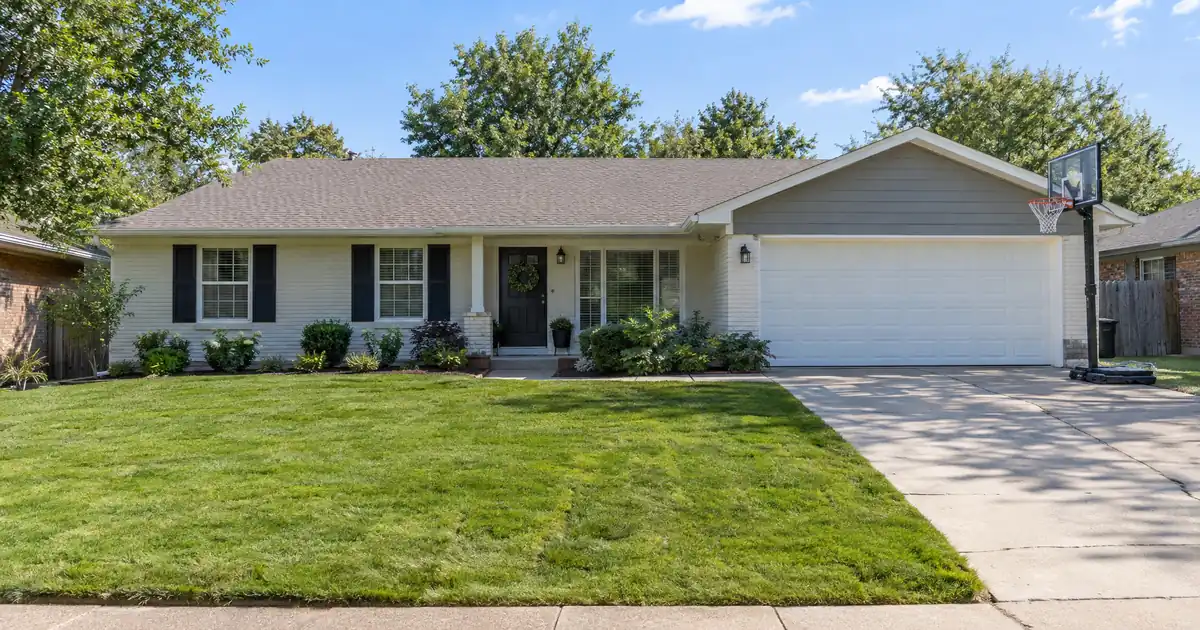
The Quick Read: A surviving spouse certifies occupancy on a VA cash-out by stating that the home being refinanced is, or will be, their own primary residence. There is no special surviving-spouse occupancy test. The spouse is the borrower and signs as the person who lives in the home, with eligibility confirmed by a Certificate of Eligibility (COE) and the loan reviewed subject to lender guidelines. Not a commitment to lend.
Key Takeaways
- Occupancy is certified by the borrower. A surviving spouse who is the borrower certifies their own residence, not the veteran’s past residence.
- The COE comes first. VA decides whether you qualify as a surviving spouse, and the lender then reviews credit and income.
- A home you rent out, or have moved out of with no plan to return, does not fit a VA cash-out.
- If you were not on the original VA loan, cash-out is the refinance path, not the VA streamline refinance.
- The certification is a signed statement, so it must be true. Intent is not a loophole.
What Does “Occupancy” Mean on a VA Cash-Out?
VA’s cash-out refinance page lists three conditions, and all must be true. You qualify for a COE. You meet VA’s and the lender’s credit and income standards. And you will live in the home you are refinancing.
That third condition is occupancy. VA’s benefits site describes the cash-out program as refinancing the first mortgage on a home you currently own and occupy, with the new loan reaching up to 100 percent of appraised value. Across the wholesale programs Lendmire places VA files with, that is the same picture: a primary residence, owned and lived in by the borrower.
The VA regulation on this point asks the borrower to certify present occupancy for a refinancing loan. It carries a narrow exception for homes under substantial repair, where the borrower certifies they intend to move in or move back once the work is done. The separate spouse-or-dependent occupancy exception exists for active-duty servicemembers who cannot be at the home. A surviving spouse is not using that exception. A surviving spouse is the borrower, and the borrower is the one who lives there.
One honest caveat: that is a reading of VA’s published materials, not a VA statement about surviving spouses specifically. VA publishes no separate occupancy test for them, which is itself the answer.
Who Counts as a Surviving Spouse for This Benefit?
VA’s surviving spouse home loan page lists the qualifying situations. They include a veteran who died in service or from a service-connected disability where you did not remarry, a spouse who remarried on or after age 57, and a spouse of a servicemember missing in action or held as a prisoner of war. You need the COE, and you must also meet the lender’s credit and income requirements.
| Eligibility path | What usually proves it | Common snag |
|---|---|---|
| Veteran died in service | Marriage record, death record, VA application | Missing documents |
| Death from service-connected disability | Death certificate, VA records | Cause-of-death wording |
| Remarried at 57 or later | Marriage dates on the application | Confusing the age cutoff |
| Spouse MIA or POW | Service department documentation | Unusual paperwork trail |
Ex-spouses are not surviving spouses for this benefit. And if the veteran used part of their entitlement on earlier loans, VA’s regulations disregard that use for a surviving spouse, so the entitlement question is separate from the veteran’s history.
What Are You Actually Signing?
You are signing a statement that the home is, or will be, your primary residence. Treat form numbers as something your loan officer confirms rather than something to memorize.
Three points matter more than the form names.
The borrower signs for themselves. Prior occupancy by the late veteran does not carry over. The cash-out test looks at current or intended occupancy by you. Prior occupancy is enough only for the streamlined IRRRL.
Lenders typically accept the certification at face value unless something in the file contradicts it. If doubt remains, the question becomes whether there is a reasonable basis to conclude you can and will live there. A utility bill at another address or a lease on the property can raise that doubt.
It has to be true. Misstating occupancy on a federally backed loan can carry serious legal consequences. If your plans are uncertain, talk it through with the loan officer before signing anything, not after.
Present Occupancy vs. Intent: Where the Line Falls
For a cash-out on a home you already own, the ordinary case is present occupancy. Intent matters mainly in narrow situations.
| Your situation | Can you certify? | What to document |
|---|---|---|
| Still living in the marital home | Yes, present occupancy | ID, mail, utilities at the address |
| Temporarily staying elsewhere, returning | Depends on the facts | Why you left, plan to return |
| Inherited home, not yet moved in | Intent may apply, lender review | Title status, move-in plan |
| Home under substantial repair | Intent to move in or back, per VA’s regulation | Repair scope, completion plan |
| Home rented to a tenant | No | Cash-out does not fit |
Here is the practical dividing line. If you are living in the home, certify and document. If you plan to live there, the lender must have a reasonable basis to believe you will, and “reasonable time” is a limited window rather than an open-ended one. That concept mostly matters for purchases, not for a home you already live in.
Four Scenarios Worked Through
Staying in the marital home. You have lived there throughout. You obtain the COE, the lender reviews credit and income, and you certify present occupancy. Your ID, bills, and mail already show the address. This is the cleanest file.
Moving into an inherited home. You now hold the home but have not moved in. A cash-out may still be possible if you intend to occupy it as your primary residence, but expect more questions about title, your current address, and your timeline. If you cannot honestly say you will live there, a VA cash-out is the wrong tool.
Temporarily staying with family. Perhaps you moved in with a relative after the loss, or you are in a care facility for a period. Whether you can certify depends on whether the home remains your residence and you plan to return. Describe the facts plainly to the loan officer. Don’t shade them.
Adult children on title. If heirs share ownership, the lender will want to understand who is on the loan and who lives in the home. Title and who signs the note affect the structure, so raise this first. Several parties on title can change what the file needs.
The Steps in Order
1. Confirm title and who owes what. Know whose name is on the deed and the existing mortgage.
2. Get the COE. Without your own military service, VA decides whether you qualify as a surviving spouse. You can request it through a lender, VA.gov, or by mail.
3. Check whether you were on the original loan. A surviving spouse who was not on the loan may only complete a cash-out refinance. A spouse who was on the loan with the veteran may be able to use an IRRRL, the streamlined VA-to-VA refinance, without a new COE application.
4. Certify occupancy at the stages the lender requires.
5. Underwriting. The lender reviews credit and income. Across the wholesale programs Lendmire works with, residual income is the controlling test, and the 41% debt-to-income figure is a guideline rather than a cap.
6. Appraisal. The new loan can reach up to 100 percent of appraised value, including the financed funding fee, with seasoning and a net tangible benefit required.
Funding Fee, Loan Limits, and What Changes
VA News says there is no funding fee for eligible surviving spouses, no loan limit when the spouse has full entitlement and meets lender guidelines, and no private mortgage insurance. Get the exemption documented on the COE or verified before closing, since it should not be assumed automatic.
For comparison, the standard cash-out funding fee in the wholesale programs is 2.15 percent on first use and 3.3 percent after, waived for exempt borrowers. Wholesale programs here start at a 580 decision score and serve amounts to $4,000,000 with full entitlement. One lender-side wrinkle: some guidelines tie the exemption to receiving Dependency and Indemnity Compensation (DIC) before closing, and certain DIC types may not qualify. Check that with VA and your lender rather than guessing.
A cash-out is a new loan replacing your existing mortgage, not a second lien. The payment and term change, and closing costs can add up. VA lists typical uses as paying off debt, school, home improvements, or refinancing a non-VA loan into VA. If you are weighing it against keeping what you have, Lendmire’s VA cash-out refinance program page lays out the mechanics.
Keep the Loan, Assume It, or Cash Out?
| Option | Occupancy test | Fits when |
|---|---|---|
| Keep paying existing loan | None new | You want no change |
| IRRRL (if on original loan) | Prior occupancy | Same VA loan, lower cost goal |
| VA cash-out | Your present or intended occupancy | You need equity or a new loan |
One misconception worth correcting: VA does not pay off the loan when the veteran dies. The guaranty protects the lender, so the surviving spouse or co-borrower keeps making payments, and otherwise the estate is responsible.
Mistakes That Stall or Sink a File
- Certifying a home you rent or do not plan to live in. A false certification is a legal risk, not a formality.
- Assuming the late veteran’s occupancy history counts. It does not for cash-out.
- Skipping the COE until late in the process.
- Assuming the fee exemption is automatic.
- Leaving a mismatched address on ID, mail, or utilities unexplained.
- Not mentioning heirs on title until underwriting.
Questions to Ask Your Loan Officer
- Which occupancy certifications will I sign, and when?
- What evidence of residence do you need beyond my signature?
- Was I on the original loan, and does that change my refinance options?
- How will my fee exemption be documented?
- How does title affect who signs?
- What happens if my plans change after closing?
Tax treatment can depend on your situation; borrowers should speak with a qualified tax professional before relying on any deduction or credit.
Key Terms Defined
Certificate of Eligibility (COE): The VA document confirming you qualify for a VA home loan benefit.
Occupancy certification: Your signed statement that the home is, or will be, your primary residence.
IRRRL: The streamlined VA refinance of an existing VA loan, which uses prior occupancy rather than a new occupancy test.
Residual income: The money left each month after major obligations, which is the controlling VA underwriting test.
Net tangible benefit: A requirement that the refinance provides a real, measurable benefit to the borrower.
Frequently Asked Questions
Can a surviving spouse get a VA cash-out refinance?
Yes, if VA issues a COE and you meet the lender’s credit and income standards. VA names certain surviving spouses among those eligible. Qualification remains subject to lender guidelines and a full file review.
Does the veteran’s past occupancy count for my certification?
No. For a cash-out, the test is your current or intended occupancy as the borrower. Prior occupancy is enough only for an IRRRL, and only if you were on the original loan.
Can I use cash-out if I was not on the original VA loan?
Yes. A surviving spouse who was not on the original loan may only complete a cash-out refinance, not an IRRRL. You would still need the COE and to meet credit and income standards.
What if I haven’t moved into the inherited home yet?
It depends on the facts. VA’s rules center on occupancy as a home, and intent can matter in limited cases, but the lender needs a reasonable basis to believe you will live there. If you cannot honestly certify that, the program does not fit.
Is the funding fee waived for a surviving spouse?
VA News says eligible surviving spouses pay no funding fee. Make sure the exemption is documented on the COE or verified before closing, and ask about any DIC requirement.
If you are weighing a cash-out refinance against keeping the loan you have, Lendmire can help you compare the programs and the equity each one reaches. For related background, see Lendmire’s piece VA Cash-Out Occupancy Rules for Veterans and Spouses.
For your own numbers, request a scenario review with Lendmire.
About Lendmire
Lendmire is a mortgage brokerage (NMLS# 2371349) licensed for consumer mortgage lending in 16 states, arranging FHA, VA, conventional and jumbo purchase and refinance loans through a wholesale lending network. Eligibility is determined by the lender on each file. Scotsman Guide named Lendmire a Top Mortgage Workplace in both 2025 and 2026.
For the program’s current guidelines, see VA loan programs.
Get Started
Ready to find the right loan for you?
In about 30 seconds you can review financing options available for your home or investment property. No commitment required.
Informational only. Not a Loan Estimate, approval, or commitment to lend. Program availability and eligibility are subject to lender guidelines, credit approval, property review, and underwriting.
References
1. VA – Cash-out refinance loan
2. VA Benefits – Purchase & Cash-Out Refinance
3. VA – Home loans for surviving spouses
4. VA News – Surviving spouses and VA home loans
This article is part of Lendmire’s VA Loans series — every loan program’s qualification details, guidelines, and scenarios live on the loan options page.
Related reading: How Much More Cash a VA Cash-Out Reaches Than Conventional · VA vs Conventional Cash-Out Requirements for a Veteran · How to Certify Occupancy on a VA Cash-Out While Deployed
Brandon Miller
Founder & CEO, Mortgage Loan Originator, Lendmire LLC
- Mortgage Loan Originator · NMLS# 1129696 · Verify on NMLS Consumer Access
- North Carolina Real Estate Broker · License# 343312 · Verify on NCREC
- North Carolina Insurance Producer · License# 19053198 · Property, Casualty, Life, Health · Verify on NAIC SBS
- Lendmire LLC · Firm NMLS# 2371349 · Verify firm licensure
Compliance and disclosures. Lendmire (NMLS# 2371349) is a licensed mortgage broker and is not a direct lender, depository institution, financial advisor, or tax professional. Content in this article is general market analysis and educational information — not financial, legal, or tax advice for any specific situation. Lendmire does not guarantee loan approval; every transaction is subject to underwriting by the funding lender. Mortgage pricing and loan program guidelines are subject to change at any time without notice and vary by borrower characteristics, property type, and state regulations. Lendmire complies with Equal Housing Opportunity. Licensure verification: NMLS Consumer Access.