
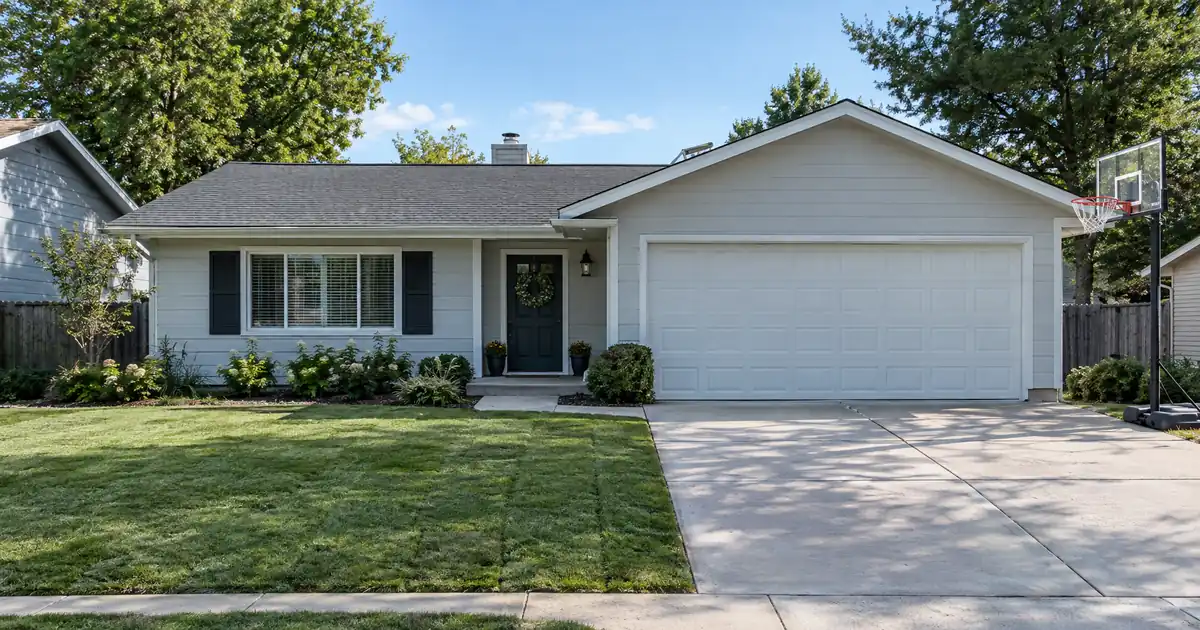
The Quick Read: A limited cash-out refinance fits you if you want to change the loan, not pull equity. A cash-out refinance fits you if you need real cash and have the equity to support it. With a low first mortgage, the dividing line is simple. Limited cash-out lets you borrow high but hand back almost nothing, while cash-out lets you take cash but caps how much of the home’s value you can borrow against.
Key Takeaways
- Limited cash-out replaces your first mortgage, closing costs, and sometimes a purchase-money second lien. Cash back is incidental only.
- Cash-out replaces the first mortgage and puts the extra equity in your hands, with a lower leverage ceiling.
- On a one-unit primary residence, limited cash-out reaches 95% of the home’s value. Conventional cash-out stops at 80%.
- Cash-out adds clocks: the loan you pay off must be at least 12 months old, and a borrower must have been on title for 6 months. Exceptions exist.
- A low first mortgage means a lot of equity. Replacing that loan to reach it is a real decision, not a formality.
Side-by-Side
The table covers conventional loans on a principal residence unless a row says otherwise. Every figure is subject to lender guidelines and full file review.
| Factor | Limited Cash-Out | Cash-Out |
|---|---|---|
| Purpose | Change the loan, not tap equity | Turn equity into cash |
| Max leverage, one-unit primary | 95% (97% in narrow cases) | 80% |
| Other occupancies | Lower caps for second homes, rentals | 75% on 2-4 units, second homes, rentals |
| Credit floor | 620 decision score, wholesale conventional | 620 decision score (680 on the no-MI lane) |
| Mortgage insurance | Required above 80% | Not needed at 80% or below |
| Seasoning | Borrower on title at application | First loan 12+ months old; 6 months on title |
| Cash back to you | Small, incidental amount | Whatever the equity and cap allow |
| Second liens | Only a purchase-money second | Any second can be paid off |
| Documentation | Payoff, title evidence, income and assets | Same, plus proof of seasoning |
Two cells deserve a note. The 97% limited cash-out ceiling applies only where the existing loan is agency-owned and the first-time-buyer program allows it. And the 680 score belongs to one wholesale lane that reaches 89.99% with no mortgage insurance. More on that lane below.
What Does a Low First Mortgage Change?
A low first mortgage means you owe much less than the home is worth. That is a lot of equity sitting idle. It is also a loan you may not want to give up.
Both refinance types replace your existing first mortgage with a brand-new loan. That is the catch. The new loan has new terms, a new payoff clock, and new closing costs. If your current loan is small and its terms suit you, replacing it just to reach the equity may cost you more than it gives.
Limited cash-out makes this plain. Because cash back is incidental, the loan barely grows. You gain a new term or a different structure. You do not gain spending money. For a borrower with a low balance, that is a narrow use, since there is less balance to restructure.
Cash-out is the route that actually reaches the equity. Lendmire arranges cash-out refinance programs through wholesale lenders, and across those programs the pattern holds. The loan can grow up to the leverage cap, and the difference comes to you.
There is a third path that people forget. You can leave the first mortgage alone and borrow against the equity with a second lien, such as a home equity loan or a HELOC. The Consumer Financial Protection Bureau notes that these products leave the first lien in place, while a cash-out refinance replaces it. Either way, your home secures the debt.
How Does the Lender Sort Your File?
Before anything else, the lender decides which bucket your file falls in. That decision drives the leverage cap, the waiting periods, and the documents. Here is how it usually goes.
It is limited cash-out when the new loan pays off only the following:
- your existing first mortgage
- the closing costs
- a second lien that was used to buy the home
Cash back must stay small. The Fannie Mae Selling Guide also requires that at least one borrower be on title at application. A home that was listed for sale must be off the market by the disbursement date.
It is cash-out when the new loan does anything beyond that. Paying off a second lien that was not used to buy the home flips the file into cash-out. So does taking more than the small allowance back. That surprises people. A HELOC you opened to remodel the kitchen is not purchase-money debt.
For a primary residence, all borrowers must occupy the home. At least one borrower must have been on title for six months before the note date, with listed exceptions. The loan being refinanced must be at least 12 months old, measured note date to note date.
The exceptions to the title clock include an inheritance and a legal award, such as a divorce settlement. Delayed financing, for a home bought with cash, also waives it. Delayed financing still counts as cash-out, though.
Check this early. It is the kind of detail that stalls a file late.
The agencies update these guides. The cash-back cap in particular has changed in recent updates, and older articles online may carry stale wording. Ask your loan officer for the current figure, and treat any number you read in a blog post, this one included, as a pointer to the guide.
When Limited Cash-Out Is the Better Fit
Limited cash-out is the better fit when the loan itself is the problem and the cash is not. It is the right tool in a handful of situations.
You want a different term or structure. Maybe you hold an adjustable loan and want a fixed one. Maybe you want a shorter payoff period. The new balance stays close to the old payoff, so your monthly budget moves for structural reasons rather than because you borrowed more.
You are buying out a co-owner. Fannie Mae’s limited cash-out section has a provision for refinances that buy out an owner’s interest, such as after a divorce or between siblings. The buyer must qualify under the standard underwriting guidelines.
You have little time on title or on the loan. Limited cash-out only needs a borrower on title at application. You do not face the 12-month first-loan clock that cash-out carries. If you bought recently and your situation changed, this may be the only conventional door open.
You need the extra leverage room. This is the odd one with a low first mortgage. If your balance is low, you are probably nowhere near 95%, so the ceiling rarely binds. It matters more for a recent buyer with a small down payment. That borrower can refinance up to 95% on a one-unit primary residence (97% where the existing loan is agency-owned and the first-time-buyer program allows), with mortgage insurance above 80%.
On that insurance point, the rules are mechanical. Insurance is required above 80% of the home’s value. You can request cancellation at 80% of the original value, given a good payment history, no subordinate liens, and no decline in value. The servicer must end it automatically at 78%.
Limited cash-out is a poor fit when you need real money. A small incidental amount will not fund a roof, tuition, or a debt payoff. If cash is the goal, skip this lane.
When Cash-Out Is the Better Fit
Cash-out is the better fit when the equity is the point. With a low first mortgage, you probably have plenty.
You need a meaningful sum for a defined purpose. Home improvement, a large expense, or consolidating other debt are the common uses. Cash-out has no restrictions on how you use the proceeds. Be careful with the debt use, though. CFPB research warns that turning non-mortgage debt into mortgage debt can put the home at risk, since missed payments can lead to foreclosure.
You hold a second lien you want gone. If a HELOC or non-purchase second is attached to the home, cash-out can pay it off. Limited cash-out cannot. Folding two loans into one clean first mortgage is a legitimate goal.
You meet the clocks. On the conventional side, a borrower must have been on title for six months, and the first mortgage must be at least 12 months old. A borrower with a low, seasoned first mortgage usually clears both easily. That is one advantage of a low balance on an older loan.
You fit under the leverage cap. Conventional cash-out on a one-unit primary residence stops at 80% of the home’s value. Two- to four-unit primary residences, second homes, and rentals stop at 75%. Occupancy decides the cap. If you are weighing a rental or second home, that is the whole answer.
A low balance helps here. If you owe, say, a third of the home’s value, you have room under 80%. The ceiling, not your balance, becomes the limit on how much you can take.
You want to skip mortgage insurance above 80%. One wholesale lane across the network reaches 89.99% LTV with no mortgage insurance. It requires a 680 score and a 50% ratio on a thirty-year fixed, a primary residence, and a conforming balance. It carries its own six months of seasoning. Texas homestead cash-outs follow a separate cap set by the state constitution, and this lane is not written there. Each figure is subject to lender guidelines and a complete review of property type, leverage, and credit.
Cash-out has real costs beyond the new loan. A larger balance may raise your monthly payment and stretch out your payoff time. The CFPB’s guide for older homeowners says as much, and adds that no option turns 100% of your equity into cash. Tax treatment can depend on your situation; borrowers should speak with a qualified tax professional before relying on any deduction or credit.
A Worked Example in Percentages
Picture a homeowner on a one-unit primary residence with a first mortgage equal to about 35% of the home’s value. The home was bought a few years ago. The owner wants cash for a major project and likes the terms on the current loan.
Path one: limited cash-out. The new loan pays off the first mortgage and the closing costs. Cash back stays small. The owner ends up with a new loan close to the old payoff and almost no project money. Limited cash-out answers a different question.
Path two: cash-out. The new loan can reach 80% of value. The balance would jump from about 35% to whatever amount the owner chooses below that cap. The owner receives the difference. The current loan’s terms are gone, and the new balance is much larger. The owner needs the 12-month and six-month clocks met, which a few-year-old purchase should do.
Path three: keep the first, add a second lien. The first mortgage stays untouched at about 35%. The owner borrows against the equity separately. The combined debt must fit the second-lien lender’s own limits. The first loan’s terms survive, which is the whole appeal.
None of these is the right answer by default. The right one depends on how much cash you need and how much you value the loan you hold. Your loan officer can run the same equity under each path with your actual numbers.
What About the FHA Streamline and VA IRRRL?
If your current loan is government-backed, a streamline is a third option, and it works differently. These are the narrowest refinances on the market.
The HUD streamline requires that your existing mortgage already be FHA-insured and current. The refinance must produce a net tangible benefit. HUD allows only a very small amount of cash out, and it does not allow closing costs to be rolled into the new mortgage amount of a streamline.
The VA IRRRL works only from one VA loan to another. VA states that no appraisal or credit underwriting package is required, and you cannot take any cash from the proceeds. A second-mortgage holder must agree to subordinate so the new VA loan is a first lien. Check the current VA guidance before you proceed, since program rules can change.
Neither lane is a cash-out tool. If you hold an FHA or VA loan and want real cash, a conventional cash-out refinance is the path, and you leave the government program to take it. That is a trade-off worth pricing before you choose.
Mistakes That Push a File Into the Wrong Bucket
Most problems come from assumptions made before the lender sorts the file. A few show up often.
- Assuming any second lien rolls into a limited cash-out. Only purchase-money seconds do. A second used for anything else makes it cash-out.
- Treating small cash back as automatic cash-out. A small allowance is permitted within limited cash-out. The cap sits in the guide, so confirm the current wording.
- Expecting cash from a streamline. FHA allows only a trivial amount and VA allows none.
- Assuming the clocks are fixed. The six-month title rule has exceptions.
- Skipping the title check on an LLC-held home. It has to move into your name by the note date.
- Comparing the new loan to the old one on balance alone. Terms, remaining payoff time, and mortgage insurance all matter too.
Across the wholesale programs Lendmire places files with, the most common stumble is the second lien. Borrowers often describe an old home equity line as “part of the mortgage.” The lender sorts it by what the money was used for, and that single detail can change the leverage cap, the clocks, and the documents.
The Balanced Verdict
Neither option wins on its own. They solve different problems.
Choose limited cash-out when you want the loan restructured and the equity left alone. It offers the highest leverage, the lightest seasoning, and a smaller cash allowance. It suits recent buyers, co-owner buyouts, and borrowers swapping an adjustable loan for a fixed one.
Choose cash-out when you need real money and have enough equity to stay within the leverage cap. It costs you leverage and adds waiting periods, but it is the only conventional refinance that hands you meaningful cash. It also makes the loan you are replacing harder to give up.
Between the two sits a third answer. If the first mortgage is the best thing you own, a second lien may serve you better than either refinance. Each option has a cost, and the cost is rarely the interest alone.
If you are weighing a cash-out refinance against keeping the loan you have, Lendmire can help you compare the programs and the equity each one reaches. Program figures here are subject to lender guidelines and full file review, and nothing on this page is a commitment to lend.
Frequently Asked Questions
Can I take any cash at all with a limited cash-out refinance?
Yes, but only a small incidental amount. The agency guides set a cap, and that cap has changed in recent updates. Excess proceeds must reduce the loan balance rather than go to you. Ask your loan officer for the current figure.
Does paying off a HELOC make my refinance a cash-out loan?
Usually, yes. Limited cash-out allows only a second lien that was used to buy the property. A HELOC used for anything else turns the refinance into cash-out, with the lower leverage ceiling and the seasoning clocks that come with it.
How long do I have to own the home before a cash-out refinance?
On conventional loans, at least one borrower typically must have been on title for six months, and the first mortgage being paid off must be at least 12 months old. Inheritance, legal awards such as divorce, and delayed financing are exceptions to the title clock. Limited cash-out requires only that a borrower be on title at application.
How much can I borrow on a cash-out refinance?
On a conventional loan, up to 80% of the home’s value for a one-unit primary residence, and 75% for two- to four-unit primary residences, second homes, and rentals. One wholesale lane reaches 89.99% with no mortgage insurance at a 680 score, a 50% ratio, and a thirty-year fixed on a conforming primary residence. Texas homestead loans follow a separate state cap.
Is a second lien better than refinancing when my first mortgage is low?
It depends on how much cash you need and how much you value your current loan. A second lien leaves the first mortgage in place, while a cash-out refinance replaces it. Either way, your home secures the debt. Comparing both on the same equity is the fairest test.
For your own numbers, request a scenario review with Lendmire.
For current guidelines and terms, see Lendmire’s refinance programs page.
About Lendmire
As a mortgage broker (NMLS# 2371349), Lendmire helps homeowners and home buyers in 16 states with FHA, VA, conventional and jumbo purchase and refinance loans arranged through wholesale lenders. Lendmire is never the lender; program terms are set by the lender and the agency guidelines. Scotsman Guide named Lendmire a Top Mortgage Workplace in both 2025 and 2026.
Get Started
Ready to find the right loan for you?
In about 30 seconds you can review financing options available for your home or investment property. No commitment required.
Informational only. Not a Loan Estimate, approval, or commitment to lend. Program availability and eligibility are subject to lender guidelines, credit approval, property review, and underwriting.
References
1. CFPB, A Look at Cash-Out Refinance Mortgages and Their Borrowers
2. Fannie Mae Selling Guide, Limited Cash-Out Refinance Transactions (B2-1.3-02)
3. CFPB older-Americans home equity guide
4. HUD, FHA Single Family Streamline Refinance
This article is part of Lendmire’s Refinance series — every loan program’s qualification details, guidelines, and scenarios live on the loan options page.
Related reading: Should You Max Out a Cash-Out Refinance on a Mortgage Worth Keeping? · Should You Touch a Low First Mortgage With a Cash-Out Refinance Now? · Cash-Out Refinance Mortgage Insurance Rules and the No-MI Option
Brandon Miller
Founder & CEO, Mortgage Loan Originator, Lendmire LLC
- Mortgage Loan Originator · NMLS# 1129696 · Verify on NMLS Consumer Access
- North Carolina Real Estate Broker · License# 343312 · Verify on NCREC
- North Carolina Insurance Producer · License# 19053198 · Property, Casualty, Life, Health · Verify on NAIC SBS
- Lendmire LLC · Firm NMLS# 2371349 · Verify firm licensure
Legal disclosures. Lendmire (NMLS# 2371349) is a state-licensed mortgage brokerage that arranges financing through wholesale lender relationships. Lendmire is not a direct lender, depository institution, or registered financial advisor. The discussion above is general informational content about real estate financing — it is not financial, legal, or tax advice, and readers should consult licensed professionals for guidance on their individual circumstances. Loan inquiries are subject to lender underwriting; this article does not represent a commitment to lend. Loan terms, rates, and qualification standards vary by borrower, property, and state, and are subject to change at any time. Equal Housing Opportunity. NMLS Consumer Access: nmlsconsumeraccess.org.