
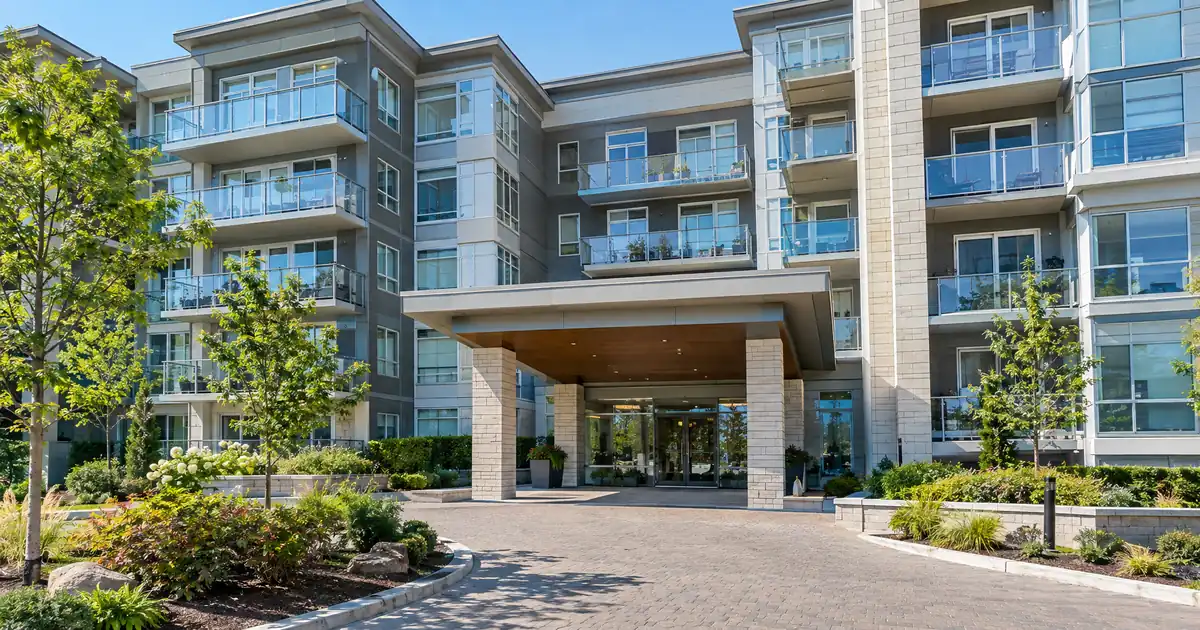
The Quick Read: Conventional cash-out usually fits a condo owner with solid credit, manageable debt and a building that passes project review. FHA fits a borrower whose credit or debt ratios need more room, as long as the building is eligible. The building is often the deciding factor, not the borrower. Both programs cap how much equity you can pull out, and neither lets you borrow all of it.
Key Takeaways
- FHA cash-out reaches 80% LTV on a home you have owned and lived in for 12 months before the case number.
- FHA looks at the condo project first, and the building can block an otherwise strong file.
- Conventional cash-out also reviews the project, with its own seasoning clocks and reserve rules.
- FHA usually trades easier credit and ratio standards for mortgage insurance on the new loan.
- Conventional tends to suit stronger files, and FHA tends to suit files that need flexibility.
Side-by-Side
| Factor | Conventional cash-out | FHA cash-out |
|---|---|---|
| Leverage | Lower cap than a purchase | Up to 80% LTV |
| Credit floor | Lender-set, usually higher | 580 decision score at Lendmire’s wholesale lenders |
| Debt ratios | Automated findings drive it | 31/43 base, up to 40/50 with documented factors |
| Mortgage insurance | Typically none at lower leverage | Upfront plus annual premium |
| Occupancy | Principal residence, second homes allowed | Principal residence only |
| Ownership clock | Time on title and on the existing loan | 12 months owned and occupied |
| Condo project | Full review for most attached units | Approved project or single-unit approval |
Every figure above is subject to lender guidelines and full file review. Nothing here is a commitment to lend.
Why a Condo Changes the Question
On a house, the lender mostly looks at you and the appraisal. On a condo, the lender also looks at the building. The HOA’s finances, the share of owner-occupied units, pending litigation and special assessments all count.
That is why the same borrower can qualify on one condo and get stopped on another. Strong credit does not fix a building the lender cannot approve. Check the project before you pay for an appraisal.
Lendmire’s FHA cash-out refinance program explains the owner-occupant side of the loan in more detail. The rest of this piece covers the condo-specific differences.
How FHA Cash-Out Works on a Condo
FHA cash-out is for a principal residence only. Across the wholesale programs Lendmire places files with, the home must be owned and occupied for 12 months before the case number is assigned. Maximum leverage is 80% LTV, so you keep at least 20% equity. The exact numbers vary by lender and program and follow a full review of property, leverage, and credit.
The score and ratio standards are where FHA gives room. The wholesale programs start at a 580 decision score. The base debt ratio pair is 31/43 (housing and total), and documented compensating factors can stretch it to 40/50 at the top tier. The automated finding governs most files.
The cost of that room is mortgage insurance. There is an upfront premium of 1.75% of the base loan, usually financed. There is also an annual premium that varies by term, loan amount and LTV. At or below 90% LTV on a thirty-year loan, the annual premium ends after eleven years. Because cash-out stops at 80%, that is the band that would normally apply.
Then there is the building. HUD’s condo help page says a project must be approved before FHA can insure loans on its individual units. There are two routes. Full project approval is reviewed by HUD or by the lender. Single-unit approval is an alternative for a unit in a building that is not approved.
Single-unit approval comes with limits. HUD’s final rule allows FHA to insure a unit in a non-approved project only if the building meets minimum standards. Those include caps on how much of the project FHA already insures. Manufactured-housing condos are excluded.
Whether a given cash-out file fits that route depends on the lender’s review of the building. Do not assume it will.
The cap itself has a history. HUD lowered the maximum LTV on FHA cash-out to 80% of adjusted value, citing risk to the FHA insurance fund. Older articles may quote a higher cap. Treat those as out of date.
How Conventional Cash-Out Works on a Condo
Conventional cash-out has fewer special programs and more lender discretion. The leverage cap is lower than on a purchase or a limited cash-out. Lenders can also set lower caps for certain condo types, so the cap you see for a house may not be the one that applies to your unit.
Two clocks matter. The existing first mortgage generally must have been in place for a set period. At least one borrower must also have been on title for a set period before funds are disbursed. Fannie Mae’s Selling Guide lays out both. The same section asks for extra reserves on some files when the debt-to-income ratio runs high. A property listed for sale must come off the market first.
Project review is the condo-specific hurdle. Fannie Mae waives full project review for some property types, such as detached condos. The waiver for refinances is aimed at limited cash-out loans on Fannie Mae-owned mortgages. A standard cash-out on an attached unit in a larger building generally goes through full review. The lender also checks that the project is not flagged as unavailable in Fannie Mae’s condo tool.
The upside is cost. At the lower leverage conventional cash-out allows, private mortgage insurance is typically not required on the new loan. That is where the savings come from, if your file qualifies.
When Conventional Cash-Out Is the Better Fit
Conventional usually wins when most of these are true:
- Your credit is strong. Better scores and cleaner histories are what the conventional lane rewards.
- Your debt ratios have room. HOA dues count toward your debt-to-income ratio, so a high-dues building can squeeze the file.
- You have plenty of equity. Conventional’s lower leverage cap is easier to live with when you are not trying to reach the ceiling.
- You want to avoid ongoing mortgage insurance. Without it, the loan stays simpler to leave later.
- Your building is awkward for FHA. Examples include a project that is not approved or one too heavily FHA-insured already.
- The home is not your main residence. FHA cash-out is limited to primary homes. Conventional can reach a second home, though caps are lower.
Conventional is also the stronger lane if you may refinance again soon. Without FHA’s insurance premiums on the loan, there is less to carry along.
Already hold an FHA loan? A conventional cash-out pays it off, which ends that loan’s FHA premiums, provided your credit, ratios and equity meet the conventional standards. An FHA Streamline is a different product: it refinances an existing FHA loan with no appraisal and a limited credit review, and it keeps the premium going. It is built for lowering cost, not for pulling equity, so a borrower who wants cash from an FHA loan compares the two cash-out lanes described here.
When FHA Cash-Out Is the Better Fit
FHA usually wins when these are true:
- Your credit is in the middle range. A 580 decision score is the entry point at the wholesale programs Lendmire works with.
- Your debt ratios run higher. FHA’s documented-factor path to 40/50 can fit a file that conventional automated findings decline.
- Your building is FHA-approved. An approved project removes the biggest FHA hurdle.
- You have lived in the home at least 12 months as your main residence. That is the gate for the program.
- You can accept mortgage insurance in exchange for flexibility. The upfront premium is financed and the annual premium continues for a defined period.
Where Each Loan Can Fail
FHA can fail on the building. An unapproved project, too much FHA concentration, too few owner-occupants or weak HOA finances can sink the file. HUD’s condo rule also limits how many units may carry FHA insurance. A building that was fine for purchases some time ago may not be fine now.
Conventional can fail on the borrower and the unit. Lower leverage, tighter credit expectations, seasoning clocks and reserves all apply. A listed property, or a project flagged as unavailable, can also stop it.
Both can fail on the appraisal. A lower-than-expected value shrinks the equity you can reach. At an 80% cap, a small drop in value can mean a large drop in cash out.
Both also face the same practical limit on equity. The CFPB’s home equity guide notes that a cash-out refinance replaces your mortgage with a larger loan. It can stretch your payoff time and may raise your payment. It also says no equity option turns 100% of your equity into cash.
A Simple Checklist Before You Apply
1. Confirm the home is your principal residence and note how long you have owned and lived in it.
2. Ask the HOA or management company about reserves, special assessments, pending litigation and the owner-occupancy mix.
3. Ask whether the building is on the FHA approved list, and whether the approval is current.
4. Add your HOA dues to your monthly budget, since dues feed your debt ratios.
5. Decide what the money is for, and whether the larger balance still fits your plan.
6. Compare both programs on the same facts, not on one lender’s pitch for one product.
Tax treatment can depend on your situation; borrowers should speak with a qualified tax professional before relying on any deduction or credit.
The Verdict
Neither loan wins on every condo. Conventional is usually the cleaner option for a borrower with strong credit, comfortable ratios and a building that clears project review. FHA is usually the better option when your credit or ratios need flexibility and your building is eligible. In that case, you accept mortgage insurance on the new loan.
If the building will not clear FHA, conventional may be the only workable lane. Because the building is often the gate, check it first.
If you are weighing a cash-out refinance against keeping the loan you have, Lendmire can help you compare the programs and the equity each one reaches.
Key Terms Defined
Cash-out refinance: a new, larger mortgage that pays off your current one and returns the difference as cash.
Adjusted value: the value FHA uses to apply its LTV cap, based on the appraisal.
LTV (loan-to-value): the loan balance as a percentage of the home’s value.
DTI (debt-to-income): your monthly debts, including HOA dues, as a share of your monthly income.
Single-unit approval: an FHA route for a unit in a condo project that is not on the approved list.
Seasoning: the time you must own the home, or hold the existing loan, before a cash-out qualifies.
MIP (mortgage insurance premium): FHA’s insurance charge, made up of an upfront premium and an annual premium.
Frequently Asked Questions
Can I do an FHA cash-out on a condo that is not approved?
Possibly, but only through single-unit approval, and only within limits. The building must meet minimum standards, including caps on FHA concentration. The lender also has to submit the unit for review. Many cash-out files in non-approved buildings do not fit, so check before you order an appraisal.
How do I know whether my condo is FHA-approved?
A lender can look the project up in FHA’s condo approval database. The listing shows a status such as approved, expired, rejected or withdrawn. An expired or rejected project can still be considered through single-unit approval if the conditions are met. Ask the HOA too, since the management company often holds the paperwork.
Do HOA dues count against me?
Yes. Dues are part of your housing expense, so they feed your debt ratios on both FHA and conventional loans. A high-dues building leaves less room under the ratio limits. That can tip a borderline file from one program to the other.
Is conventional easier on a condo?
Not by default. Conventional cash-out still requires project review for most attached units, plus seasoning clocks and sometimes added reserves. It tends to be easier for borrowers with strong credit and low debt. FHA tends to be easier for borrowers with moderate credit, provided the building is approved.
Can I start with FHA and switch to conventional later?
Often yes, if your equity, credit and ratios improve and the building clears review. The tradeoff is that you carry FHA’s insurance until you refinance out. Conventional also has its own seasoning clocks, so the timing matters.
For your own numbers, request a scenario review with Lendmire.
About Lendmire
Lendmire is a mortgage brokerage (NMLS# 2371349) licensed for consumer mortgage lending in 16 states, arranging FHA, VA, conventional and jumbo purchase and refinance loans through a wholesale lending network. Eligibility is determined by the lender on each file. Scotsman Guide named Lendmire a Top Mortgage Workplace in both 2025 and 2026.
For current guidelines, see FHA loan programs.
Get Started
Ready to find the right loan for you?
In about 30 seconds you can review financing options available for your home or investment property. No commitment required.
Informational only. Not a Loan Estimate, approval, or commitment to lend. Program availability and eligibility are subject to lender guidelines, credit approval, property review, and underwriting.
References
1. HUD FHA Connection Condominiums Help
2. Federal Register: Project Approval for Single-Family Condominiums
3. HUD Mortgagee Letter 2019-11
4. Fannie Mae Selling Guide: Cash-Out Refinance Transactions
5. Fannie Mae waives full project review
6. CFPB: Using Home Equity guide
This article is part of Lendmire’s FHA Loan series — every loan program’s qualification details, guidelines, and scenarios live on the loan options page.
Related reading: Should a Condo Owner Choose FHA Cash-Out or Conventional? · Can You Get an FHA Cash-Out If Conventional Turned You Down? · How to End Mortgage Insurance After an FHA Cash-Out on a Condo
Brandon Miller
Founder & CEO, Mortgage Loan Originator, Lendmire LLC
- Mortgage Loan Originator · NMLS# 1129696 · Verify on NMLS Consumer Access
- North Carolina Real Estate Broker · License# 343312 · Verify on NCREC
- North Carolina Insurance Producer · License# 19053198 · Property, Casualty, Life, Health · Verify on NAIC SBS
- Lendmire LLC · Firm NMLS# 2371349 · Verify firm licensure
Important disclosures. Lendmire (NMLS# 2371349) is a licensed mortgage brokerage. Lendmire is not a direct lender, depository institution, or financial advisor. All loan inquiries are subject to lender underwriting; this article does not constitute a commitment to lend. Rates, terms, and program guidelines are subject to change without notice and vary by borrower profile, property type, and state. Information in this article is general in nature and is not financial, legal, or tax advice. Equal Housing Opportunity. NMLS Consumer Access: nmlsconsumeraccess.org.