
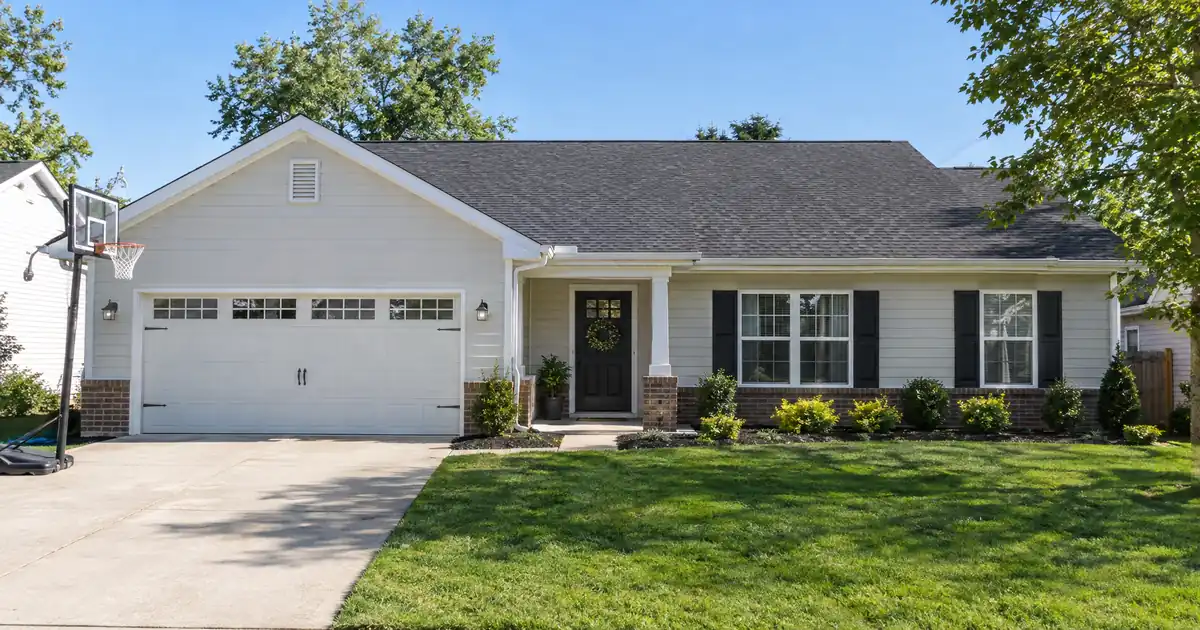
The Quick Read: The spouse who keeps the house takes out a brand-new first mortgage. The loan proceeds pay the departing spouse’s share of the equity at closing. Because the home has no loan today, lenders treat this as a cash-out refinance, which means a lower loan-to-value cap than a standard refinance. The staying spouse must also qualify alone, on one income.
What the Buyout Really Is
A buyout on a paid-off home is simpler than most divorce guides suggest, and it has one catch. There is no old mortgage to pay off and no lender to release anyone from. You are creating a first lien (the lender’s claim on the home) where none existed. The money from that lien goes to the person leaving.
Across the wholesale programs these files go to, the same questions decide almost every buyout:
- What is the home worth on a lender’s appraisal?
- Does the new loan fit under the cash-out leverage cap?
- Is the written settlement complete and signed?
- Can the staying spouse qualify alone?
What to know before you read further:
- A paid-off home is cash-out by definition. The conventional cap is 80% of appraised value on a one-unit home.
- The new loan has to cover the payout plus closing costs, all inside that cap.
- A deed transfer changes who owns the home. It does not create the money.
- The staying spouse’s income, credit and debts decide the file. The departing spouse’s do not.
- Your settlement agreement should be in writing before you apply.
Key Terms Defined
Equity is the home’s value minus what is owed on it. On a paid-off home, equity equals the full value.
Buyout means one owner pays the other for their share of the equity, so one person ends up as sole owner.
Cash-out refinance is a new mortgage that replaces any existing loan and hands you cash. On a home with no loan, the whole new loan is cash.
Loan-to-value (LTV) is the loan amount as a percentage of the appraised value. An 80% LTV means the loan is four-fifths of value. Exact terms depend on the lender’s guidelines, property type, leverage, and a full review of the borrower’s file.
Seasoning is the waiting period a lender wants, such as time on title or the age of the loan being replaced.
Title is the legal record of who owns the property. Title changes by deed, not by loan.
Mortgage insurance is a premium that protects the lender when leverage is high. On conventional loans it is required above 80% LTV. Every figure here varies by lender and program — guidelines, property type, leverage, and credit profile all apply.
Why a Paid-Off Home Changes the Math
Start with the formula. With no loan to subtract, the buyout equals the departing spouse’s percentage share multiplied by the appraised value. An even split means half the value changes hands.
Picture a home that appraises at 100 units of value, split 50/50. The departing spouse is owed 50 units. Add closing costs, say a few more percentage points of value. The new loan lands around 53 to 55% of value. That sits comfortably under an 80% cap.
The cap starts to bite in two situations. One is an uneven settlement, such as the departing spouse receiving 70% or more of the equity because the other spouse keeps retirement accounts or other assets. The other is a low appraisal. Since the cap applies to appraised value, a low number shrinks the maximum loan, and the maximum loan has to cover the payout.
Lenders sort this into the cash-out bucket. In the Fannie Mae eligibility matrix, cash-out on a one-unit primary residence is capped at 80% LTV, and at 75% for two to four units. A standard rate-and-term refinance can reach 95% on a one-unit primary home, but only when an existing first mortgage is being paid off. With no mortgage to pay off, that lane is out. Final terms depend on lender guidelines, property type, leverage, and the borrower’s complete credit picture.
Lendmire’s cash-out refinance programs follow the same structure, subject to lender guidelines and full file review. Nothing here is a commitment to lend.
Why borrow at all if you could pay cash?
Many people can’t write that check. Others can, but would drain their savings to do it. A new loan keeps your cash in reserve, at the price of a mortgage payment on a home that had none. That trade is the heart of the decision, and we return to it below.
How the Loan Is Underwritten, Step by Step
Underwriting is the lender’s review of whether you can repay. Here is the sequence, in the order the paperwork usually has to happen.
1. Fix the equity number. The settlement should state who gets what, in writing, signed by both spouses. The Fannie Mae Selling Guide requires a written agreement from all parties on transfer terms and where the proceeds go. A decree or separation agreement normally does that job. A handshake does not.
2. Confirm who is on title. The conventional cash-out rules want at least one borrower on title for six months. Exceptions exist for inheritance, a property legally awarded through divorce or separation, and delayed financing after a recent all-cash purchase. Details are in the Selling Guide’s cash-out section. The 12-month age test for the loan being paid off does not come into play, because there is no loan.
3. Order the appraisal. A new appraisal is standard on cash-out files. The loan cap and the payout both hang on this single number. Ask early whether the settlement can be adjusted if value comes in short.
4. Size the loan. The loan must cover the payout and closing costs and still fit under the cap. Closing costs are real, and someone has to fund them. Some programs let costs be rolled into the loan. Others leave the staying spouse to pay them.
5. Qualify alone. The lender looks at the staying spouse’s income, credit, assets and debts. Across the wholesale conventional programs, the starting credit floor is a 620 decision score. The automated underwriting finding governs most files, with a total debt-to-income ceiling of 50%. A higher debt ratio can also trigger extra cash reserves on a cash-out file.
6. Review the disclosures. You get a Loan Estimate at application. The Closing Disclosure arrives before closing, and the final numbers should match what you were shown. Read the page that lists who is paid what.
7. Close and record. The closing agent records the new lien and the deed that puts the home in one name. The departing spouse is paid from the loan proceeds. On a primary residence refinance, the right to cancel runs for a short window after signing, so funds are released after that window ends.
How the single income looks to the lender matters most here. Support payments, if any, and the treatment of other household income vary by program, so ask for the specific guidelines on your file.
Cash-Out Refinance vs. Other Ways to Pay
A cash-out refinance isn’t the only route. It is simply the one most people think of first.
| Option | How it works | Main trade-off |
|---|---|---|
| Pay cash | Use savings or other assets | Drains liquidity |
| Cash-out refinance | New first mortgage funds the payout | New monthly debt |
| Home equity loan or HELOC | Second lien on the home | Variable terms, new debt |
| Trade other assets | Spouse keeps accounts, you keep the home | May leave no money to move |
| Sell | Split the proceeds | You lose the house |
A HELOC (home equity line of credit) is a revolving credit line secured by the home. Lenders offering one need to see the same ownership and income picture. On a paid-off home, a first-lien cash-out is the usual route for a large buyout, because one loan replaces a patchwork.
Trading other assets deserves a serious look. If the departing spouse takes a larger share of retirement savings and the staying spouse takes the house, the payout may shrink or disappear. That can turn a loan too big for the cap into one that fits easily. An attorney should structure it, because taxes and legal consequences depend on your situation.
Variations on the Basic Buyout
The staying spouse isn’t on the deed. Selling-guide rules include exceptions for a spouse who was legally awarded the property. That can apply when the divorce settlement transfers title to them.
The home was recently bought for cash. A delayed-financing exception can waive the six-month title wait. Lenders want a clean paper trail showing the purchase used the buyer’s own funds and carried no mortgage.
The home was on the market. Guidelines address homes recently listed for sale. Expect the listing to be withdrawn before the loan funds.
The buyout is too big for 80%. Across the wholesale programs these files go to, one lane reaches 89.99% LTV with no mortgage insurance. It requires a 680 score and a 50% ratio on a 30-year fixed loan, a primary residence and a conforming balance. It carries its own six months of seasoning. It isn’t offered in every state, and it isn’t written for Texas homestead loans, where the state constitution caps cash-out at the agency figure. These specifics are subject to lender guidelines and a full review of property, leverage, and credit.
The two agencies treat buyouts differently. Freddie Mac has a “special purpose cash-out refinance” for buying out a co-owner. It runs under cash-out leverage limits and can pay off a first mortgage regardless of age. Fannie Mae places a buyout in its limited cash-out category when an existing loan is being refinanced. Both are conventional. Don’t assume one’s rules apply to the other.
The home had a mortgage after all. A buyout that pays off an existing first mortgage can use rate-and-term leverage, up to 95% on a one-unit primary home. That is a different transaction from the one here.
Where the General Rule Breaks
One spouse owned the home before the marriage. The lender cares about title and the signed agreement, not who “really” owns it. But the equity split in your divorce may depend on state law about separate and marital property. That is a lawyer’s question, not a lender’s.
The appraisal is contested. If you and your spouse disagree on value, settle it before the lender’s appraiser arrives. A lender’s appraisal sets the loan cap, and it may differ from the number in your settlement. Some couples agree to a split of any difference.
The staying spouse’s income is thin. Don’t assume a bigger co-borrower is the only fix. A smaller buyout, a trade of other assets, or a longer payout schedule negotiated in the settlement can each change the loan size. A co-borrower, such as a relative, is an option, but it adds a second person to a very personal loan.
A VA loan exists. A VA cash-out refinance has its own occupancy rules, and it can go up to 100% of VA’s reasonable value per VA Pamphlet 26-7. That’s a rare case for a paid-off home. A veteran should ask a lender about entitlement before deciding.
You want cash for yourself, too. Buyout programs tend to restrict cash back to the staying spouse. Whether yours does depends on the program, so ask before you plan around it.
The deed gets done first. A quitclaim deed (a deed that transfers whatever interest the signer has) changes ownership. On a paid-off home there is no loan to remove a name from, but a deed signed before the loan is in place can create title problems for the new lien. Have an attorney or title company sequence the documents.
The New-Debt Trade-Off
Today, the home costs you taxes, insurance and upkeep. After the buyout, it also costs a mortgage payment on one income. That’s the real decision, so run it honestly.
Say the new loan is 55% of value. That’s a modest leverage level, but it is still a monthly obligation that didn’t exist before. Compare it with your income on one paycheck, not two. Then add the new costs of a single-income household.
The Consumer Financial Protection Bureau has documented homeowners running into problems with mortgage servicers after a divorce. A refinance is a strong tool here. It shouldn’t be the only one you look at.
Mortgage insurance usually isn’t a factor on this loan. It applies above 80% LTV, and a standard cash-out stays at or below that. If you use a higher-leverage lane, the mechanics change, so read the Loan Estimate line by line.
Tax treatment can depend on your situation; borrowers should speak with a qualified tax professional before relying on any deduction or credit.
Common Mistakes
- Applying before the settlement is signed. The lender needs the written terms.
- Assuming the decree handles everything. A decree states who gets what. It doesn’t create a loan or record a deed.
- Ignoring the appraisal risk. A low value can squeeze the loan below the payout.
- Forgetting closing costs. They come out of someone’s share or someone’s pocket.
- Skipping the single-income test. Run your own numbers before your spouse leaves the title.
- Leaving the old owner on a recorded deed. Make sure the deed is filed.
What the Decision Looks Like in Practice
Start with the equity and the appraisal. Then decide how the split is paid: cash, other assets, a cash-out loan, or a combination. If you go the loan route, check your own income against a monthly payment before anything is signed.
A broker’s value on a file like this is mostly sorting. Which programs reach the leverage you need? Does your seasoning fit? Does the lane you want exist in your state? These questions have different answers on different programs, and they’re cheaper to ask before the appraisal than after.
Next Step
If you are weighing a cash-out refinance on a home you own outright, Lendmire can help you compare the programs and the equity each one reaches.
Frequently Asked Questions
Can I buy out my spouse before the divorce is final?
Often yes, but the lender will want the signed written agreement on the transfer terms. Fannie Mae’s guide requires one from all parties. A pending divorce without a signed agreement usually stalls the file.
Does the staying spouse need to be on the title?
Not always. Selling-guide exceptions cover a spouse who was legally awarded the property through divorce or separation. Without an exception, a borrower generally needs to have been on title for six months.
Can I borrow more than 80% of the home’s value?
On a standard conventional cash-out for a one-unit primary home, the cap is 80%. Two- to four-unit homes cap at 75%. One wholesale lane reaches 89.99% with no mortgage insurance, subject to a 680 score, a 50% ratio and other conditions.
What if I can’t qualify on my income alone?
Look at shrinking the loan. Trade other assets, negotiate a smaller payout, or add a co-borrower. Selling is the fallback if none of those fits.
Does a quitclaim deed remove my ex from a mortgage?
No. A deed changes title, and a mortgage is a separate contract with the lender. On a paid-off home there’s no mortgage to remove, but the new loan and the new deed still need to be recorded in the right order.
For your own numbers, request a scenario review with Lendmire.
For current guidelines and terms, see Lendmire’s refinance programs page.
About Lendmire
Lendmire — NMLS# 2371349 — is a mortgage broker that arranges FHA, VA, conventional and jumbo home purchase and refinance financing in 16 states through wholesale lenders. Every option is subject to the lender’s guidelines and full underwriting. Scotsman Guide named Lendmire a Top Mortgage Workplace in both 2025 and 2026.
Get Started
Ready to find the right loan for you?
In about 30 seconds you can review financing options available for your home or investment property. No commitment required.
Informational only. Not a Loan Estimate, approval, or commitment to lend. Program availability and eligibility are subject to lender guidelines, credit approval, property review, and underwriting.
References
1. Fannie Mae Eligibility Matrix
2. Fannie Mae Selling Guide: Limited Cash-Out Refinance Transactions
3. Fannie Mae Selling Guide: Cash-Out Refinance Transactions
4. Freddie Mac Guide: Special Purpose Cash-Out Refinance Mortgages
This article is part of Lendmire’s Refinance series — every loan program’s qualification details, guidelines, and scenarios live on the loan options page.
Related reading: How to Qualify for a Cash-Out Refinance on a Free-and-Clear Home · Can a Retiree Qualify for Cash-Out Refinance on a Paid-Off Home? · How to Buy Out a Spouse on Retirement Assets With a Cash-Out Refinance
Brandon Miller
Founder & CEO, Mortgage Loan Originator, Lendmire LLC
- Mortgage Loan Originator · NMLS# 1129696 · Verify on NMLS Consumer Access
- North Carolina Real Estate Broker · License# 343312 · Verify on NCREC
- North Carolina Insurance Producer · License# 19053198 · Property, Casualty, Life, Health · Verify on NAIC SBS
- Lendmire LLC · Firm NMLS# 2371349 · Verify firm licensure
Disclosure information. Lendmire is a state-licensed mortgage brokerage under NMLS# 2371349. Lendmire is not a depository institution, direct lender, or financial advisor — all loans referenced are placed through wholesale lender partners and are subject to each lender's underwriting standards. This article is provided for general informational purposes and is not a commitment to lend, nor does it constitute financial, legal, or tax advice. Loan programs, terms, rates, and qualification standards change without notice and depend on borrower profile, property type, and the state in which the subject property is located. Equal Housing Opportunity provider. NMLS Consumer Access: nmlsconsumeraccess.org.