
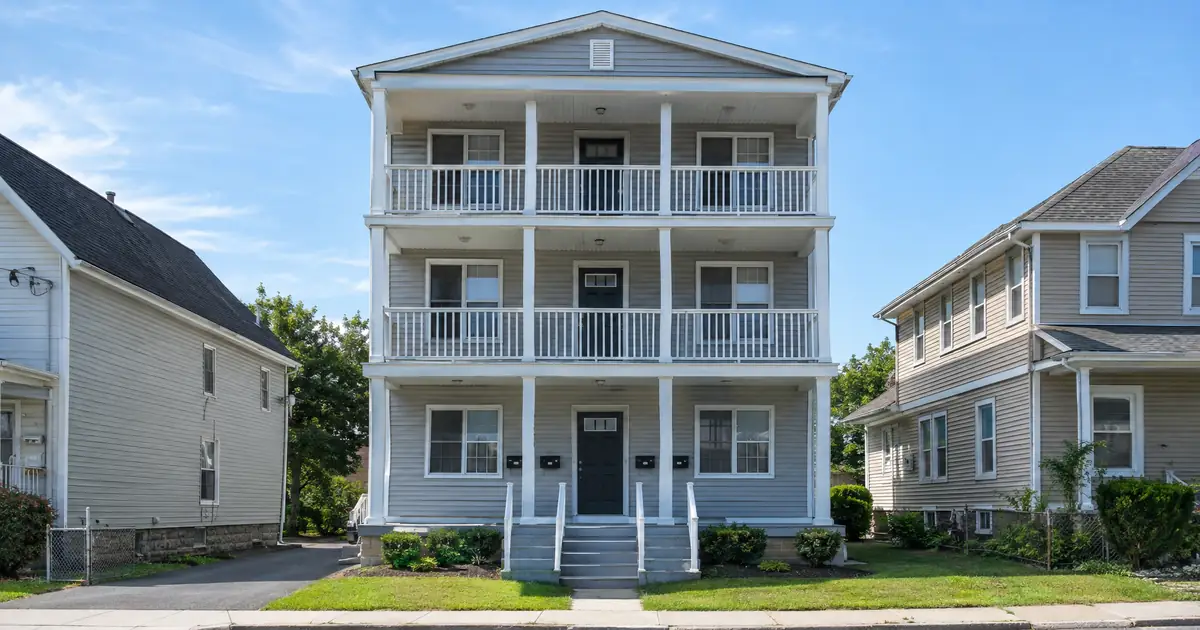
The Quick Read: A VA cash-out usually fits a veteran who lives in one unit of a 2-4 unit home and wants the most equity access with no monthly mortgage insurance. Staying conventional, either by keeping the current loan or doing a conventional cash-out, tends to fit when the current loan is hard to replace, the cash need is small, or the veteran wants to save VA entitlement. Neither choice wins every time, and the right one depends on the file.
Who Each Option Is Really For
A VA cash-out is built for the borrower who qualifies for the benefit, lives in the property, and needs real leverage. A conventional path is built for the borrower who values keeping what is already working. Both are legitimate. The mistake is treating one as the default.
Here is the honest split. If you hold a 2-4 unit home, live in one unit, and have a Certificate of Eligibility, VA can reach further into your equity than most conventional options. If you have a conventional first mortgage you like and only need a modest amount of cash, replacing the whole loan may cost more than it returns.
Everything below assumes you occupy one unit. That is a hard line for VA. It is also true of the conventional primary-residence path, and it is what separates both from investment-property financing, where occupancy decides the leverage and the program changes entirely.
Side-by-Side
| Factor | VA Cash-Out | Conventional Cash-Out |
|---|---|---|
| Maximum leverage | Up to 100% of appraised value | Lower cap on 2-4 units |
| Mortgage insurance | None | Often required at higher leverage |
| Upfront charge | VA funding fee, unless exempt | No funding fee |
| Credit floor | 580 decision score on our wholesale programs | Set by the lender, often higher |
| Occupancy | You must live in one unit | You must live in one unit |
| Eligibility | Certificate of Eligibility required | No COE needed |
| Rental income | Partial credit with reserves | Rent from other units may count |
| Documentation | Full underwriting and appraisal | Full underwriting and appraisal |
Treat the table as a map, not a verdict. Individual lenders add their own rules, and every figure here is subject to lender guidelines and full file review.
What a VA Cash-Out Actually Does
The VA cash-out refinance program replaces your current mortgage with a new VA-backed loan. It can reach 100% of the appraised value, including the financed funding fee, and it can refinance any loan type into VA. That includes a conventional loan. VA’s cash-out page says you need a Certificate of Eligibility, you must meet credit and income standards, and you must live in the home.
Two things surprise people. First, you do not need an existing VA loan. A conventional owner can move into the VA program. Second, this is not a streamline. The IRRRL only works on an existing VA loan, with no VA appraisal. A cash-out needs an appraisal, a credit check, and full underwriting, as the Congressional Research Service describes.
VA loans also carry a net tangible benefit requirement. The new loan has to improve your financial position in a way VA recognizes. Refinance files are also tested against a seasoning requirement, which is measured from the first payment on the existing loan and generally requires both 210 days to have passed and six payments to have been made.
When VA Cash-Out Is the Better Fit
VA tends to win in four situations.
You carry mortgage insurance today. A conventional loan at high leverage usually carries monthly mortgage insurance. VA has none, of any kind. Removing it is itself one of the ways a cash-out can show a net tangible benefit. The tradeoff is the funding fee: 2.15% on a first-use cash-out and 3.3% after, waived for veterans receiving compensation for a service-connected disability and the other exempt groups. VA describes the fee’s range and payment options in a VA News article. It can be financed, which means it adds to the balance. Tax treatment can depend on your situation; borrowers should speak with a qualified tax professional before relying on any deduction or credit.
You need more equity than conventional allows. Conventional leverage on a 2-4 unit primary home sits below what it does on a single-family home. If a renovation, a debt payoff, or a major repair needs more than that cap permits, VA’s ceiling may be the only door that fits.
Your credit is rebuilding. VA sets no minimum credit score. The wholesale programs Lendmire places VA loans with start at a 580 decision score. Many conventional lenders set a higher floor. That gap can decide the file.
Your fixed costs make residual income the better test. VA underwriting treats residual income as the controlling test. The 41% debt-to-income figure is a guideline, not a cap. A ratio above it needs residual income well above the table, but it is not an automatic denial. For a borrower with a heavy debt ratio and steady cash left over each month, that flexibility matters.
When Staying Conventional Is the Better Fit
Conventional is often the quieter, cheaper-to-leave-alone choice. It wins in these cases.
The current loan is hard to replace. A cash-out replaces the whole first mortgage, not just the piece you want. If your existing loan has terms you value, giving them up to access a small amount of cash can be a poor trade. A second lien or a different product might reach the cash without touching the first loan. This is worth a direct comparison before committing.
The cash need is small. The funding fee, closing costs, and a larger balance all scale with the new loan. For a modest need, the cost of the whole refinance can outweigh the benefit. Run the comparison on total cost over the time you expect to hold the loan, not just the monthly line.
You want to preserve entitlement. Using VA entitlement on this home ties it up. If you plan to buy another primary residence with VA soon, think about what a full entitlement does for you. With full entitlement there is no VA loan limit on purchases. With remaining entitlement, a down payment may be required, and that is a conversation for a loan officer, not a rule of thumb.
Your rental income needs to count and VA’s rules get in the way. This is where the two paths diverge most for a 2-4 unit owner. See the next section.
How Rental Income Counts (The Part Most Comparisons Skip)
This is the section that most often decides the outcome on a multi-unit file.
Under VA’s lender rules, rent from the other units counts only if you show a reasonable likelihood of success as a landlord and hold cash reserves of at least six months of principal, interest, taxes, and insurance. VA’s Lenders Handbook chapter on underwriting sets those conditions. The lender documents prior landlord experience or use of a property manager. The counted rent is 75% of the lease or rental agreement, unless a higher percentage is documented, per an older copy of the same handbook chapter. Confirm the current version with your lender.
Three catches matter.
- Equity is not reserves. Reserves must be your own funds. Home equity does not count.
- Cash-out proceeds are not reserves. The cash you pull out of a VA cash-out cannot satisfy the reserve requirement on the same property. A borrower who plans to use proceeds as the cushion will hit a wall.
- Each unit may need its own reserves. Where units are separate and not under one mortgage, the six-month requirement applies to each. Terms vary by lender guidelines, property type, leverage, credit profile, and full file review.
On the conventional side, Fannie Mae’s Selling Guide rental income rule allows rent from the other units of a 2-4 unit primary residence to be considered. It generally does not allow rent from the unit you occupy. Gross rent must be reported either way. A conventional lender may treat the rent differently than a VA lender does.
So a borrower with strong, documented leases but thin reserves may qualify more comfortably on one side. A borrower with deep reserves and a debt-heavy file may prefer the other. Neither side is generous in every case.
Thinking It Through: Two Borrower Pictures
Consider a veteran who lives in one unit of a duplex and rents the other. The conventional loan carries mortgage insurance, credit has improved since origination, and a roof and unit renovation will cost more than conventional leverage permits. VA cash-out likely deserves a serious look. Removing mortgage insurance may satisfy the net tangible benefit test, and the leverage ceiling fits the project. The cost is the funding fee, unless the veteran is exempt.
Now consider a veteran with a fourplex, steady tenants, and a conventional loan the veteran is comfortable with. The need is a modest cash cushion. Reserves are moderate, and the veteran plans to buy another primary home with VA in a few years. Staying conventional, or adding a separate lien, may be the better fit. The cash-out would reset the whole loan and use entitlement for a small gain.
Same property type, opposite answers. The deciding variables are leverage need, the existing loan, reserves, and entitlement plans.
Occupancy: The Rule Both Paths Share
VA requires you to live in the home you refinance. The occupancy rule is a condition of the program, and the VBA home loans page says purchase and cash-out loans are for a home you occupy. Active-duty members may have a spouse or dependent occupy in some cases.
If you are planning to move out, this matters now. A home you no longer live in is no longer a primary residence. It would fall outside VA’s occupancy requirement, and the conventional cap for it would also change. Decide on the timeline before you apply, not after.
Watch for Refinance Pitches That Sound Too Good
Regulators have warned veterans about refinance offers that promise perks like “no out-of-pocket closing costs” or skipped payments. Those costs generally get added to the loan balance. The CFPB and VA joint warning flags them as red flags. The net tangible benefit rule exists because cash-out refinances can be sold on incomplete cost comparisons. Ask for the Loan Estimate and compare total cost against the loan you have.
Key Terms Defined
Certificate of Eligibility (COE): The VA document that confirms you qualify for the VA home loan benefit.
Entitlement: The amount of your VA benefit available to back a loan, which affects how much you can borrow without a down payment.
Funding fee: A one-time VA charge paid in place of mortgage insurance, which can be financed and is waived for exempt veterans.
Net tangible benefit: The VA test requiring that a cash-out refinance improve your financial position in a recognized way.
Residual income: The money left each month after major obligations, which VA treats as the controlling underwriting test.
Seasoning: The waiting period after your first payment before you can refinance.
A Balanced Verdict
VA cash-out is often the stronger tool for a veteran who needs substantial equity, carries mortgage insurance, or has a credit profile that conventional lenders handle less flexibly. It asks for occupancy, a COE, a funding fee unless exempt, and careful handling of reserves on rental income.
Staying conventional is often the stronger choice for the borrower who likes the current loan, needs modest cash, or wants to keep entitlement free for another purchase.
The cleanest test is simple. Compare the full cost of each path against the benefit you need, over the time you will actually hold the loan. If the cash-out clears that test, go. If it does not, leave the loan alone.
If you are weighing a cash-out refinance against keeping the loan you have, Lendmire can help you compare the programs and the equity each one reaches.
Frequently Asked Questions
Can I use a VA cash-out on a duplex, triplex, or fourplex?
Yes, if you live in one of the units. VA-backed loans can cover dwellings of up to four units. The occupancy requirement is firm, and rental income from the other units counts only under VA’s reserve and landlord-experience conditions. Eligibility remains subject to lender guidelines and full file review.
Do I need an existing VA loan to do a VA cash-out?
No. A VA cash-out can refinance any loan type into VA, including a conventional mortgage. The IRRRL is the product that requires an existing VA loan. A cash-out needs a Certificate of Eligibility, an appraisal, and full underwriting.
Can I use my cash-out proceeds as my required reserves?
No. VA’s underwriting rules do not let cash from a VA cash-out count toward the reserves required on rental income. Home equity does not count as reserves either. Reserves have to be your own funds. Exact terms depend on lender and investor guidelines, credit profile, reserves, and property review.
Does VA set a minimum credit score?
VA does not set one. Lenders set their own floors. The wholesale programs Lendmire places VA loans with start at a 580 decision score, while some lenders set a higher one. Residual income is the controlling underwriting test.
Will a VA cash-out use up my entitlement?
It can tie up entitlement while the loan is in place. With full entitlement there is no VA loan limit, while remaining entitlement may require a down payment on a later purchase. If you plan another VA purchase soon, speak with a loan officer before refinancing.
For your own numbers, request a scenario review with Lendmire.
About Lendmire
Lendmire, NMLS# 2371349, is a mortgage brokerage with consumer lending licenses in 16 states. FHA, VA, conventional and jumbo purchase and refinance loans are arranged through wholesale lending partners, and each application is reviewed individually by the lender. Scotsman Guide named Lendmire a Top Mortgage Workplace in both 2025 and 2026.
Get Started
Ready to find the right loan for you?
In about 30 seconds you can review financing options available for your home or investment property. No commitment required.
Informational only. Not a Loan Estimate, approval, or commitment to lend. Program availability and eligibility are subject to lender guidelines, credit approval, property review, and underwriting.
References
1. VA.gov: Cash-out refinance loan
2. Congressional Research Service: VA Home Loan Programs
3. VA News: Funding fees deductible
4. VA Pamphlet 26-7, Chapter 4
5. VA Pamphlet 26-7 Ch. 4 (older PDF)
6. Fannie Mae Selling Guide B3-3.1-08: Rental Income
7. VA Benefits – Home loans overview
This article is part of Lendmire’s VA Loans series — every loan program’s qualification details, guidelines, and scenarios live on the loan options page.
Related reading: VA Cash-Out vs Conventional Cash-Out When the Home Is Worth Far More · Is VA Cash-Out Better Than Conventional With a Disability Rating? · VA Cash-Out vs Conventional Cash-Out With a Disability Fee Exemption
Brandon Miller
Founder & CEO, Mortgage Loan Originator, Lendmire LLC
- Mortgage Loan Originator · NMLS# 1129696 · Verify on NMLS Consumer Access
- North Carolina Real Estate Broker · License# 343312 · Verify on NCREC
- North Carolina Insurance Producer · License# 19053198 · Property, Casualty, Life, Health · Verify on NAIC SBS
- Lendmire LLC · Firm NMLS# 2371349 · Verify firm licensure
Important disclosures. Lendmire (NMLS# 2371349) is a licensed mortgage brokerage. Lendmire is not a direct lender, depository institution, or financial advisor. All loan inquiries are subject to lender underwriting; this article does not constitute a commitment to lend. Rates, terms, and program guidelines are subject to change without notice and vary by borrower profile, property type, and state. Information in this article is general in nature and is not financial, legal, or tax advice. Equal Housing Opportunity. NMLS Consumer Access: nmlsconsumeraccess.org.