
The Quick Read: It depends, but it can be possible. A high debt-to-income ratio (DTI) does not end the file by itself. It usually moves the file from an automated decision to a hand review. There, a decision credit score of 580 or higher, documented strengths like reserves, and a modest payment increase decide the outcome, subject to lender guidelines and full file review. You must live in one of the units, and the new loan can reach 80% of the home’s value.
What Does “High DTI” Actually Mean Here?
Debt-to-income ratio compares your monthly debts to your gross monthly income. FHA looks at two versions. The housing ratio covers the home payment alone. The total ratio adds car loans, cards, student loans and other debts.
Across the wholesale programs Lendmire places FHA files with, the base pair is 31/43 with no compensating factors. Documented compensating factors can stretch that to 40/50 at the top tier. The automated finding governs most files.
So “high” is relative. A 45% total ratio is high against the base pair. It is workable with strong documented factors. A 52% ratio is past the top tier. Rent from the other units can change the picture, but only in specific ways, covered below.
Why Does a High DTI Change the Underwriting Path?
Most FHA loans run through HUD’s TOTAL Mortgage Scorecard, an automated tool. It returns “Accept” or “Refer.” Accept means the loan can be insured without a manual review, unless the Handbook requires a manual downgrade. Refer means an underwriter works the file by hand.
HUD also says a lender cannot approve or deny a loan based only on the scorecard result. No single DTI number guarantees an Accept or blocks one.
Here is the practical side. A high ratio with thin credit and no reserves tends to come back as a Refer. A person then looks for reasons the loan is safe. Reserves, a small payment increase, a clean mortgage history and stable income are those reasons. A high ratio with none of them is a hard file.
Below a 580 decision score, the stretch route closes. The ratios stay at the base pair. Pricing and available terms vary by lender, borrower profile, property type, and full underwriting review.
What Makes a 2-4 Unit Different From a One-Unit Home?
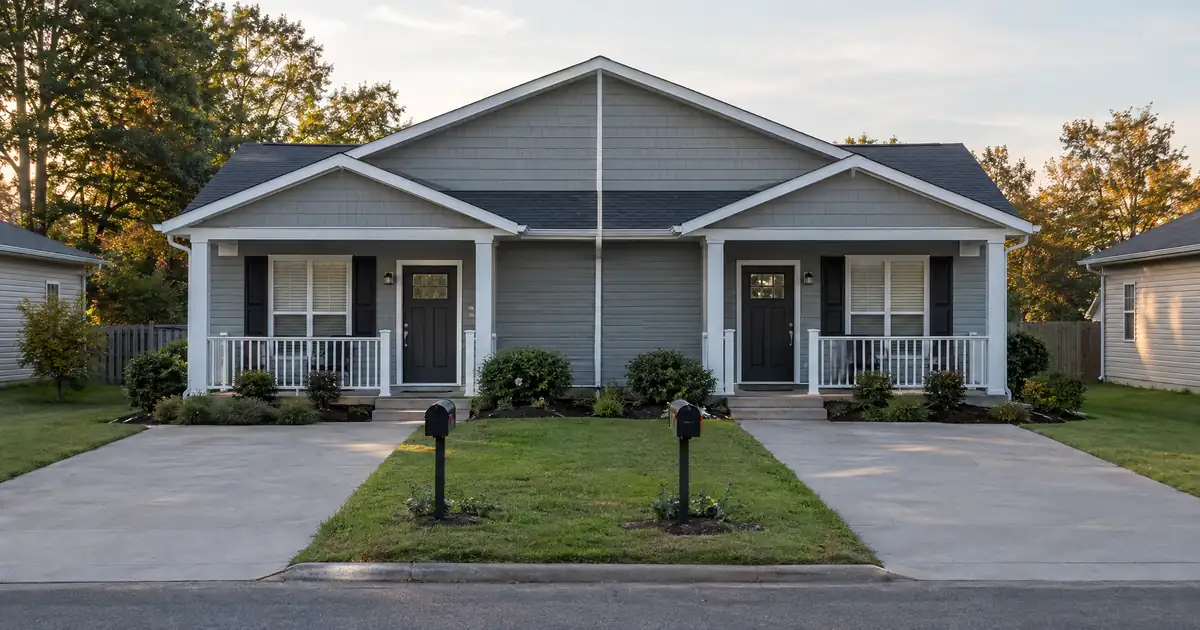
The home must be your primary residence. You live in one unit and may rent the others. FHA does not finance a 2-4 unit property you do not occupy.
For a cash-out, the program we place reaches 80% LTV on a home you have owned and occupied for 12 months before the case number is assigned. LTV, or loan-to-value, is the new loan as a percentage of the appraised value. HUD cut the cash-out cap from 85% to 80% years ago, but older web pages still quote 85%, so treat those older figures as outdated. Every figure here varies by lender and program — guidelines, property type, leverage, and credit profile all apply.
Two points trip people up:
- The 80% covers the whole base loan. The payoff of your current mortgage and any closing costs rolled in all sit inside it. The financed upfront premium is added on top. Cash to you is what is left.
- Unit count matters for 3-4 units. Triplexes and fourplexes face an extra property test, covered next. Duplexes do not.
Rules like occupancy history and unit-specific reserves live in HUD’s Handbook 4000.1, which changes often. Lenders also add their own overlays, so confirm the current version with your loan officer.
How Does Rent From the Other Units Help?
Rent can help, but it is not a dollar-for-dollar offset. HUD guidance allows rent from the subject property to count as income on a two- to four-unit home. The lender needs an appraisal showing fair market rent, plus leases where available.
Three limits apply:
- A haircut applies. Lenders count only part of the rent, not all of it. Your lender will tell you the exact share.
- Your own unit’s rent does not count. You live there.
- A non-occupant co-borrower’s income cannot be used to qualify on a cash-out. That is different from a purchase, where a non-occupant co-borrower is allowed.
Think of a duplex where the second unit rents well. That counted rent can lower your net housing burden and pull a borderline ratio into range. It will not rescue a file that is far past the limits, and it does nothing for a weak credit score.
One side note: a one-unit home with an accessory dwelling unit cannot use that unit’s rent for a cash-out. A true 2-4 unit is a different property type, so that limit does not apply here.
How Does a Cash-Out Raise Your DTI?
A cash-out replaces your loan with a larger one. The CFPB’s guide notes that this may extend your payoff timeline and raise your monthly payment, and the terms change.
The ratio follows the payment. Every dollar of cash you take out adds to the balance. A bigger balance means a bigger payment, which pushes the total ratio up. Add the upfront premium, which is 1.75% of the base loan and financed into the balance, and the balance grows again.
There is also the annual premium. It runs between 0.15% and 0.75% of the balance depending on term, loan amount and LTV, per HUD’s premium structure. On a thirty-year loan above 90% LTV, it lasts for the full term. At or below 90%, it ends after eleven years. Both feed your monthly payment, so both feed your DTI. Final terms depend on lender guidelines, property type, leverage, and the borrower’s complete credit picture.
The lever you control is the amount. Taking less cash keeps the payment closer to what you pay now. For a high-DTI file, that is often the single most useful move.
What Is the Self-Sufficiency Test for 3-4 Units?
It is a separate property test. It asks whether the building’s rent can carry its own payment, no matter what your personal income looks like. It applies to triplexes and fourplexes, not duplexes.
The lender takes the appraiser’s market rent for all units and reduces it for vacancy and upkeep. The result must cover the full monthly housing payment. Lenders confirm the exact haircut and whether it applies to your refinance, so ask early.
This is where many 3-4 unit files stall. Your DTI can look fine, yet the building fails the test. Or your DTI can look high, yet the building passes. The two checks do not offset each other. Reserves after closing are also commonly required on 3-4 units. Ask your loan officer what your lender wants to see.
Three Scenarios, in Plain Words
The clean pass. A borrower owns a duplex, has lived in it well over 12 months and has no late mortgage payments. The decision score is comfortably above 580 and the ratio sits near the base pair. The scorecard accepts the file. The 80% cap, not the DTI, sets the limit.
The high-DTI file helped by rent. A borrower’s total ratio runs well above 43% because of a car loan and student debt. The score is above 580. They have documented reserves, and the cash-out they want is small, so the payment barely moves. The appraisal supports solid rent on the other unit. The scorecard returns a Refer, and an underwriter weighs the compensating factors. Approval is possible, not promised.
The fourplex that fails on its own. Income is strong and the personal ratio is fine. But the appraiser’s rents, after the haircut, do not cover the housing payment. The building fails self-sufficiency. Strong personal income does not override that test. Options include a smaller loan amount, a different product or waiting until rents are better documented.
FHA Cash-Out, Conventional or a HELOC?
If FHA will not stretch far enough, compare the alternatives.
| Factor | FHA cash-out | Conventional cash-out | HELOC |
|---|---|---|---|
| High DTI | Manual path with factors | Often stricter | Varies by lender |
| Your current loan | Replaced | Replaced | Stays in place |
| Rent treatment | HUD rental income rules | Separate lender rules | Varies |
| Mortgage insurance | Upfront and annual premiums | Depends on LTV | None on the loan |
Conventional loans treat rent differently, and cash-out limits on 2-4 unit primary homes are often tighter than on one-unit homes. A HELOC, a line of credit secured by your home, can leave your existing loan alone. The Federal Reserve suggests comparing a home equity loan or HELOC before you refinance, because taking equity out means you own less of the home and it takes time to rebuild.
What Can You Do if Your DTI Is Too High?
Work the levers in this order:
1. Shrink the cash-out. A smaller balance means a smaller payment change.
2. Pay down monthly debts. Retiring a car loan or card balance cuts the total ratio directly.
3. Document reserves. Savings after closing are among the strongest compensating factors.
4. Raise the score. Reaching 580 or above opens the stretch ratios on the programs we use.
5. Confirm rent documentation. Current leases and a solid appraiser rent figure matter on a 2-4 unit.
6. Compare other products. A HELOC or a conventional loan may fit better.
Note that an FHA Streamline is a different product. It refinances an existing FHA loan with no appraisal, a limited credit review and a net tangible benefit, and it does not pay out cash.
Cash-out borrowers also tend to see higher payments. A CFPB research post notes that the home is collateral and that missed payments can lead to foreclosure. Size the loan for the budget you will live with, not just the ratio you can squeeze through.
Key Terms Defined
DTI (debt-to-income ratio): your monthly debt payments divided by your gross monthly income.
LTV (loan-to-value): the new loan as a percentage of the home’s appraised value.
Compensating factors: documented strengths, like reserves or a small payment increase, that offset a high ratio.
Manual underwriting: a person reviews the file by hand, instead of relying on the automated scorecard.
Self-sufficiency test: a check that a 3-4 unit building’s rent can cover its own payment.
Seasoning: the time you must have owned and lived in the home before a cash-out.
Where the FHA Cash-Out Program Fits
Lendmire is a mortgage broker. It arranges the FHA cash-out refinance program through wholesale lenders. It does not lend or approve. Every figure here is subject to lender guidelines and full file review, and nothing is a commitment to lend. FHA county loan limits are set by HUD rather than by the lender, and they can change from year to year. Tax treatment can depend on your situation; borrowers should speak with a qualified tax professional before relying on any deduction or credit.
Frequently Asked Questions
Is there one DTI cap for an FHA cash-out?
No. The base pair is 31/43, and documented compensating factors can reach 40/50 at the top tier on the programs we place. A Refer result sends the file to a human underwriter, who weighs the whole picture.
Can I use rent from the other units to qualify?
Yes, in part. HUD allows subject-property rent from a 2-4 unit to count as income, based on an appraisal of fair market rent. Only a portion counts, and your own unit’s rent does not. It helps a borderline ratio but does not erase it.
Do duplexes face the self-sufficiency test?
No. It applies to three- and four-unit homes. Those files need the building’s adjusted rent to cover its housing payment, a check that sits apart from your DTI.
Will taking cash out raise my payment?
Usually, yes. A larger balance, a financed upfront premium and the annual premium all feed the payment. Asking for less cash is the simplest way to protect your ratio.
What if I live in only one unit and rent the rest?
That is the intended use. You must occupy one unit as your primary home, and the cash-out program we place needs 12 months of ownership and occupancy before the case number. FHA does not cover a 2-4 unit property you do not live in.
If you are weighing a cash-out refinance against keeping the loan you have, Lendmire can help you compare the programs and the equity each one reaches.
For your own numbers, request a scenario review with Lendmire.
About Lendmire
Lendmire (NMLS# 2371349) is a mortgage broker licensed for consumer lending in 16 states. Lendmire arranges FHA, VA, conventional and jumbo purchase and refinance loans through wholesale lenders; every file is underwritten by the lender under the applicable program guidelines. Scotsman Guide named Lendmire a Top Mortgage Workplace in both 2025 and 2026.
Get Started
Ready to find the right loan for you?
In about 30 seconds you can review financing options available for your home or investment property. No commitment required.
Informational only. Not a Loan Estimate, approval, or commitment to lend. Program availability and eligibility are subject to lender guidelines, credit approval, property review, and underwriting.
References
2. HUD Mortgagee Letter 2019-11
3. HUD Mortgagee Letter 2023-17
4. CFPB older Americans housing guide
5. HUD FHA Resource Center, MIP structure
7. CFPB Office of Research blog
This article is part of Lendmire’s FHA Loan series — every loan program’s qualification details, guidelines, and scenarios live on the loan options page.
Related reading: Can a High-DTI Texas Homeowner Consolidate Debt With FHA Cash-Out? · FHA Cash-Out Ratio Requirements for Consolidating Debt on a High DTI · Can You Consolidate Debt With a High DTI on an FHA Cash-Out?
Brandon Miller
Founder & CEO, Mortgage Loan Originator, Lendmire LLC
- Mortgage Loan Originator · NMLS# 1129696 · Verify on NMLS Consumer Access
- North Carolina Real Estate Broker · License# 343312 · Verify on NCREC
- North Carolina Insurance Producer · License# 19053198 · Property, Casualty, Life, Health · Verify on NAIC SBS
- Lendmire LLC · Firm NMLS# 2371349 · Verify firm licensure
Compliance and disclosures. Lendmire (NMLS# 2371349) is a licensed mortgage broker and is not a direct lender, depository institution, financial advisor, or tax professional. Content in this article is general market analysis and educational information — not financial, legal, or tax advice for any specific situation. Lendmire does not guarantee loan approval; every transaction is subject to underwriting by the funding lender. Mortgage pricing and loan program guidelines are subject to change at any time without notice and vary by borrower characteristics, property type, and state regulations. Lendmire complies with Equal Housing Opportunity. Licensure verification: NMLS Consumer Access.