
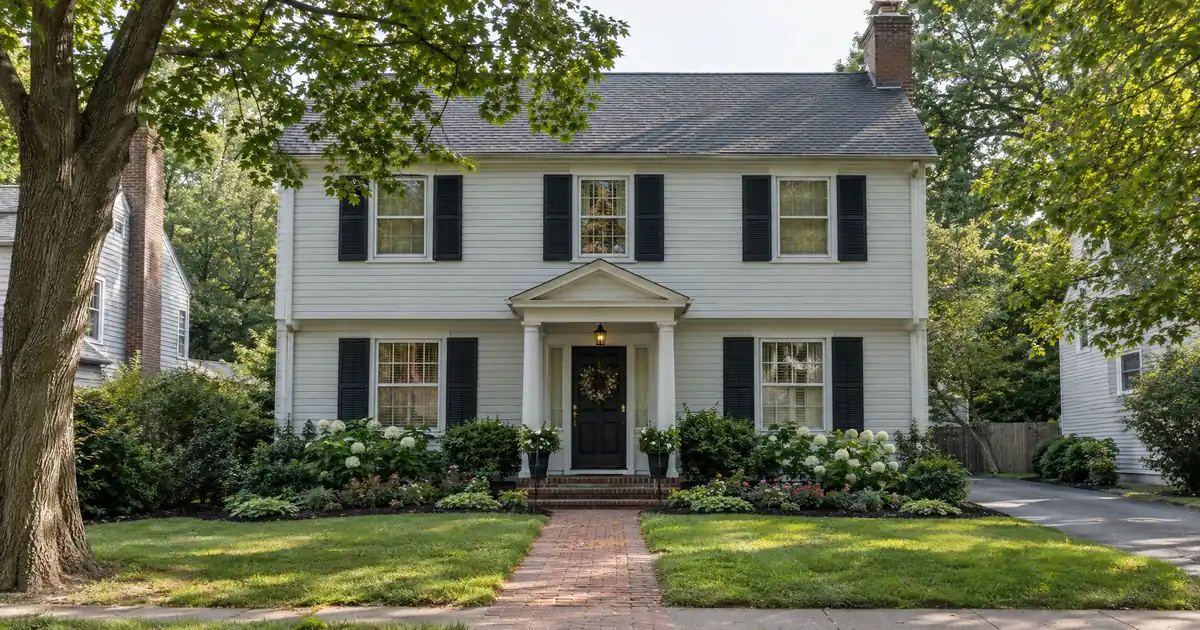
The Quick Read: A VA cash-out vs second lien comparison starts with one fact: the VA cash-out refinance program replaces an existing loan, and a home with no lien has nothing to replace. A second lien is a new loan added on top of whatever is already there. On a paid-off home it is usually the only route that fits. The VA path becomes a real option once a lien exists, and then it can reach up to 100% of the appraised value with no mortgage insurance.
The answer for most veterans with a paid-off home: the second lien is the practical tool today, and the VA cash-out is a tool for a different situation. Neither is “better” in the abstract. Each fits a different starting point.
Key takeaways
- A VA cash-out refinance is built to pay off existing liens. A free-and-clear home generally has none.
- A second lien on a paid-off home is, oddly, a first lien. It becomes the household’s only mortgage payment.
- The VA path brings 100% financing, no mortgage insurance, and a funding fee unless you are exempt. The second lien brings flexibility, with the lender setting leverage and terms.
- Going from zero payments to any payment is the biggest lifestyle change in this decision. Weigh it before comparing anything else.
Side-by-Side
The table below compares the two paths as they work for a veteran who occupies the home. The VA column assumes a lien exists. Program figures are subject to lender guidelines and full file review, and nothing here is a commitment to lend.
| Factor | VA Cash-Out | Second Lien (HELOC or Home Equity Loan) |
|---|---|---|
| Needs an existing lien? | Yes, to refinance | No |
| What it does | Replaces the current loan | Adds a new loan |
| Leverage | Up to 100% of appraised value | Set by the lender |
| Credit floor | 580 decision score on our wholesale programs | Set by the lender |
| Mortgage insurance | None | Set by the lender |
| One-time fee | Funding fee, waived if exempt | Lender-specific costs |
| Occupancy | Primary residence | Lender-specific |
| Documentation | Full appraisal, residual income test | Lender-specific valuation and review |
| Payment structure | One new first-mortgage payment | One new payment, may change on a HELOC |
Two cells need a note. “Set by the lender” means it varies, so any single number you read online is not a rule. And the 580 figure describes the wholesale programs Lendmire places VA loans with. VA itself sets no minimum score, and some lenders set a higher floor.
Why a Paid-Off Home Changes the Question
Federal law ties a VA refinance to debt that already exists. The statute authorizes refinancing of “existing mortgage loans or other liens which are secured of record” on the veteran’s home, per 38 U.S.C. § 3710. That is a VA rule, not a lender preference. Nothing on the title, nothing to refinance.
Some marketing blurs this. A product advertised as a “VA loan for homeowners” may not cover a paid-off property at all. Ask any lender directly whether the loan you are being offered is guaranteed by VA.
There is one narrow exception worth knowing. The statute also lists a separate purpose for repairing, altering or improving a veteran’s owned home. But the proceeds under that purpose must pay for the improvement, per 38 U.S.C. § 3710(b)(1). It is not general cash, and few lenders offer it. Do not plan around it without confirming with a loan officer.
Here is the twist on the other side. The Consumer Financial Protection Bureau explains that on a paid-off home, a home equity loan is a new mortgage on the property. On a home with a mortgage, it is a second mortgage with its own payment. So “second lien” can literally be your first lien. The name describes the loan type, not your position.
Key Terms Defined
Lien: A legal claim on your home that secures a loan. If the loan goes unpaid, the lender can take the home.
Second lien: A loan secured by your home, added behind or alongside another loan. Home equity loans and HELOCs are the common kinds.
HELOC: A home equity line of credit. You draw cash as needed during a set period, then repay.
Home equity loan: A closed-end second lien. You receive the full amount at once.
Funding fee: A one-time VA fee on most VA-backed loans. It can be financed into the loan, and exempt veterans do not pay it.
Residual income: The money left each month after taxes, debts and the home payment, measured against VA’s table. It is the controlling test on a VA loan.
Net tangible benefit: A concrete gain, such as a shorter term or removing mortgage insurance, that VA requires on a refinance.
How the VA Cash-Out Works (Once a Lien Exists)
Across the wholesale programs we place VA files with, the cash-out can reach 100% of the appraised value, with the financed funding fee counted inside that limit. It refinances any loan type into a VA loan, whether the current loan is conventional, FHA or VA. The VA’s regulation caps the new loan at 100% of reasonable value. Many consumer sites say 90%. That figure is a lender overlay or a benefit test in certain cases, not the VA’s cap.
The costs are mechanical. The funding fee for a cash-out refinance is 2.15% on first use and 3.3% on later use. Veterans who receive compensation for a service-connected disability, and the other exempt groups, do not pay it. There is no mortgage insurance on top. A full VA appraisal is required, and the home must be your primary residence.
Underwriting leans on residual income more than on the debt-to-income ratio. The 41% figure is a guideline, not a hard cap. A higher ratio needs residual income well above the table. The refinance also has to show a net tangible benefit and meet seasoning, which means waiting until the later of 210 days from the first payment and the 6th payment on the loan being refinanced.
That last piece matters for the paid-off veteran in one way. Say you borrow against the home now with a second lien and later want to roll everything into a VA loan. The existing lien would give the VA cash-out something to refinance. Whether a particular lien, at a particular time, fits the program is a question for a loan officer reviewing your file. Do not assume.
How a Second Lien Works on a Paid-Off Home
A second lien comes in two shapes. A home equity loan pays out one lump sum. A HELOC is a revolving line: you draw during a set period, then repay.
The CFPB’s HELOC brochure notes that HELOC interest is typically variable, built from an index plus a margin. That means the payment can change even when you borrow nothing new. It also says a HELOC generally must be paid in full if you sell. And it lists possible up-front costs, including an appraisal fee, an application fee and closing costs, some of which lenders waive.
Leverage, credit floors and documentation are the lender’s call. Some lenders use an automated valuation, others send an appraiser. Combined leverage, credit and income drive the decision. A second lien does not use VA entitlement, because VA does not guarantee it.
The risk is plain. The CFPB says to consider a HELOC only if you are confident you can keep up with the payments, because falling behind puts the home at risk. Using equity to pay off other debts swaps one loan for another. It does not erase the debt.
When a VA Cash-Out Is the Better Fit
The VA cash-out wins when a lien already exists and the numbers favor replacing it. Four situations come up most often.
You have a loan on the home and want one payment. A cash-out folds the old balance and the new cash into one loan. A second lien would leave you with two payments.
You need a large amount against a high-value home. Up to 100% of appraised value with no mortgage insurance gives the VA path reach that other programs may not match. Our VA loans carry no loan limit with full entitlement.
You are leaving a conventional or FHA loan. A cash-out can convert it into a VA loan and remove monthly mortgage insurance. That removal counts as a net tangible benefit.
You are exempt from the funding fee. The biggest cost line on the VA side drops out. That shifts the comparison toward VA more than any other single factor.
For the truly paid-off veteran, none of these apply today. The VA path is the better fit only after a lien enters the picture.
When a Second Lien Is the Better Fit
A second lien is the better fit when the home is free and clear, which is the scenario in this title. It works without any existing loan to replace.
You want cash with no VA rules in the way. No occupancy certification, no net tangible benefit test, no entitlement questions. The lender sets the terms.
You need money in stages. A HELOC suits phased projects or an uncertain total. You pay on what you use.
The amount is modest. The VA funding fee applies to the whole new balance, not just the new cash. On a small need against a home with no loan, that is a poor fit even if the program were open to you.
You value keeping the option open. A second lien leaves your VA entitlement untouched and lets you revisit a VA refinance later.
The costs are real, though. HELOC payments can move. A second lien must be repaid in full if you sell. And you are putting a lien on a home that currently has none.
The Budget Shift Nobody Mentions
Both paths end the same way for a debt-free veteran. You go from no housing payment to one. That is a bigger change than the choice between products.
Ask yourself three things. Could the household carry the new payment if income dropped? Is the cash for something that adds value or earns a return, or for spending? And would you be comfortable if the payment changed on a variable line?
Home values can also fall. Pulling out equity lowers your cushion. VA’s rules require the lender to tell you how much equity you are removing and that it may affect a later sale.
Tax treatment can depend on your situation; borrowers should speak with a qualified tax professional before relying on any deduction or credit.
Which Fits Which Need
| Your situation | Likely fit |
|---|---|
| Home is paid off, one lump sum needed | Second lien (home equity loan) |
| Home is paid off, spending in stages | Second lien (HELOC) |
| Existing loan, want one payment and no mortgage insurance | VA cash-out |
| Existing conventional or FHA loan with mortgage insurance | VA cash-out |
| Small amount, funding fee not waived | Second lien |
| Need very high leverage | VA cash-out, if a lien exists |
A Balanced Verdict
For a veteran who owns the home outright, the second lien is the realistic option now. The VA cash-out is a better product in many cases, but it needs a lien to refinance, and your home has none. Don’t read that as a failing of the VA program. It is simply built for another starting point.
The decision usually comes down to three questions. Is there a lien today? Do you want one payment or flexibility? And can your budget handle a payment where none exists now? Answer those honestly and the choice tends to make itself.
If the answer to the first question changes later, the other path opens. A VA cash-out can then refinance what you have, subject to appraisal, residual income, seasoning and a net tangible benefit.
Questions to Ask a Loan Officer
- Is this loan VA-guaranteed, or a non-VA product sold to veterans?
- What combined leverage will you allow, and what sets it?
- Is the payment fixed or variable, and what happens at the end of any draw period?
- What are the up-front costs, and which can be waived?
- Does this use any of my VA entitlement?
- If I refinance into a VA loan later, would this lien get in the way?
Frequently Asked Questions
Can I do a VA cash-out on a paid-off home?
Generally not. VA’s statute ties refinancing to existing liens, and a free-and-clear home has none. A narrow VA improvement loan exists in the rules, but its proceeds must pay for the improvement and few lenders offer it. Confirm with a loan officer before relying on either.
Does the VA offer a HELOC or home equity loan?
No. VA guarantees purchase and refinance loans, not second liens. Home equity products on a VA-eligible veteran’s home come from private lenders and follow those lenders’ rules.
Can I keep a VA first loan and add a second lien?
Often yes, at the lender’s discretion. A second lien sits behind your VA loan and is judged on credit, income and combined leverage. Some lenders restrict it, so ask about the combined limit.
Does a second lien use my VA entitlement?
No, because VA does not guarantee it. A VA cash-out is a VA-backed loan and does interact with entitlement. Ask a loan officer how your remaining entitlement would be affected.
Do I pay a funding fee on both?
Only on the VA cash-out, and only if you are not exempt. The fee is 2.15% on first use and 3.3% after. Veterans who receive compensation for a service-connected disability are exempt. A second lien carries lender-specific costs instead.
If you are weighing a cash-out refinance on a home you own outright, Lendmire can help you compare the programs and the equity each one reaches.
A home with no lien keeps both doors open for later: a second lien today, and a VA refinance if a lien ever enters the picture.
For your own numbers, request a scenario review with Lendmire.
About Lendmire
Lendmire (NMLS# 2371349) is a mortgage brokerage serving homeowners and home buyers in 16 states. FHA, VA, conventional and jumbo purchase and refinance loans are arranged through wholesale lending channels; Lendmire brokers the financing and the lender underwrites each application. Scotsman Guide named Lendmire a Top Mortgage Workplace in both 2025 and 2026.
Get Started
Ready to find the right loan for you?
In about 30 seconds you can review financing options available for your home or investment property. No commitment required.
Informational only. Not a Loan Estimate, approval, or commitment to lend. Program availability and eligibility are subject to lender guidelines, credit approval, property review, and underwriting.
References
1. 38 U.S.C. § 3710 (U.S. House Office of the Law Revision Counsel)
2. CFPB, Using home equity to meet financial needs
3. 38 CFR § 36.4306, Refinancing of mortgage or other lien indebtedness (eCFR)
This article is part of Lendmire’s VA Loans series — every loan program’s qualification details, guidelines, and scenarios live on the loan options page.
Related reading: Is a VA Cash-Out Worth It for a Veteran With an Existing VA Loan? · How to Use a VA Cash-Out on an Existing VA Loan for the Next Home · Should a High-DTI Veteran Use a VA Cash-Out to Pay Off Debt?
Brandon Miller
Founder & CEO, Mortgage Loan Originator, Lendmire LLC
- Mortgage Loan Originator · NMLS# 1129696 · Verify on NMLS Consumer Access
- North Carolina Real Estate Broker · License# 343312 · Verify on NCREC
- North Carolina Insurance Producer · License# 19053198 · Property, Casualty, Life, Health · Verify on NAIC SBS
- Lendmire LLC · Firm NMLS# 2371349 · Verify firm licensure
Legal disclosures. Lendmire (NMLS# 2371349) is a state-licensed mortgage brokerage that arranges financing through wholesale lender relationships. Lendmire is not a direct lender, depository institution, or registered financial advisor. The discussion above is general informational content about real estate financing — it is not financial, legal, or tax advice, and readers should consult licensed professionals for guidance on their individual circumstances. Loan inquiries are subject to lender underwriting; this article does not represent a commitment to lend. Loan terms, rates, and qualification standards vary by borrower, property, and state, and are subject to change at any time. Equal Housing Opportunity. NMLS Consumer Access: nmlsconsumeraccess.org.