
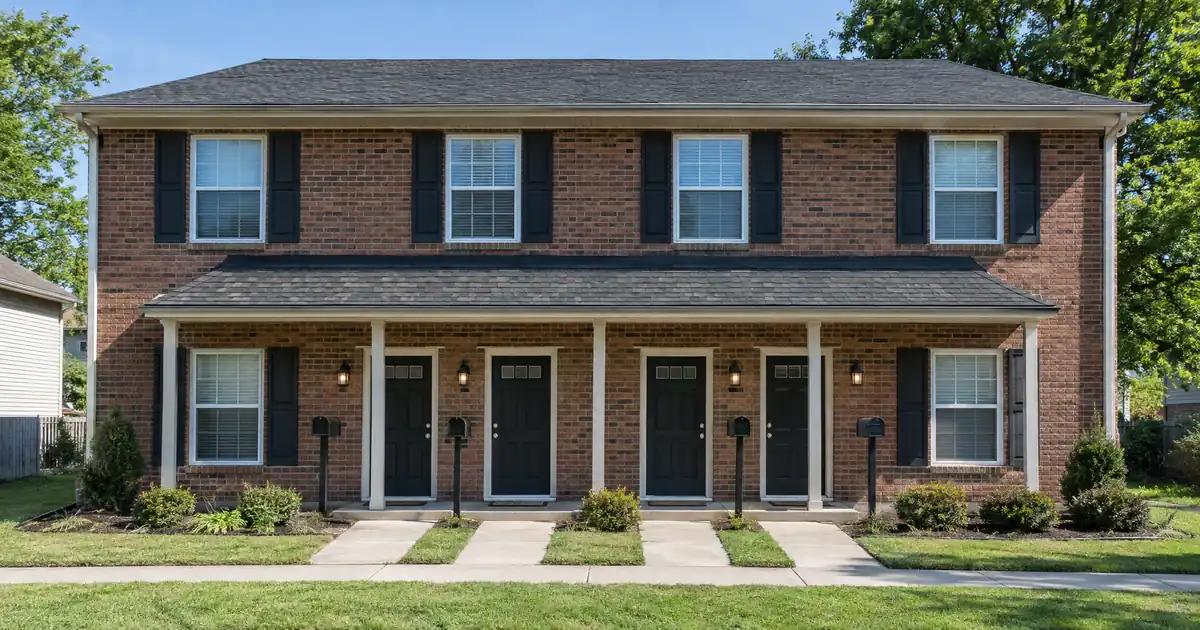
The Quick Read: The cash you receive is a subtraction, not a promise. Take the appraised value, multiply it by the program’s cap, then subtract the old mortgage, any liens that stay, and any closing costs you finance. On a conventional loan for a duplex, triplex, or fourplex you live in, that cap is 75% of value. What is left after the subtraction is your check, and it is usually smaller than people expect.
Key Takeaways
- The cap limits the new total debt, not the cash. Cash is what remains after payoffs and costs.
- A conventional cash-out on a 2-4 unit home you live in caps at 75% of value. A one-unit home caps at 80%.
- Appraised value moves the result more than anything else you control, and it moves cash by more than the same percentage.
- Financed closing costs come straight out of your proceeds.
- Rent from the other units can help you qualify. It does not raise the cap.
- Wanting a better loan, not cash, may put you in a different product with a much higher cap.
How Is the Cash Calculated, Step by Step?
The formula is one line: appraised value × cap − payoff of the current loan − liens that stay − financed costs = cash to you. Each piece has a job, and the order matters.
1. Value. An appraiser sets the number. On a 2-4 unit home the appraiser also reports market rents for each unit, because the building is partly an income property.
2. Cap. Multiply that value by the program’s maximum. The result is the most total debt the new loan, plus any remaining liens, can reach.
3. Subtract what must be paid. The current first mortgage gets paid off. So do any liens the lender requires you to clear.
4. Subtract costs you finance. Closing costs and prepaid items (taxes and insurance collected up front) reduce the check if you roll them into the loan.
5. What remains is yours. That is the release.
Across the wholesale programs Lendmire places files with, the step people skip is number four. A borrower sees “75% of value” and assumes that gap over the old balance is a deposit waiting to happen. It is not. It is a ceiling on debt.
The cap is a ceiling, not an entitlement. You can borrow less, and often you should. Lendmire’s cash-out refinance programs are built around that choice: how much equity you reach versus how much you leave in the home.
What Is the Cap on a 2-4 Unit Home?
For a conventional cash-out on a principal residence, the cap is 80% on one unit and 75% on two to four units. Both are subject to lender guidelines and full file review.
| Loan type | One-unit home you live in | 2-4 unit home you live in |
|---|---|---|
| Conventional cash-out | 80% | 75% |
| Conventional rate-and-term (limited cash-out) | 95% (97% in some cases) | Much higher than cash-out; footnotes apply |
| FHA cash-out | Capped on “Adjusted Value” | Same cap; 3-4 units carry extra tests |
| VA cash-out | Set by VA, then lender | Same, with occupancy required |
Occupancy changes everything. A second home or a rental sits under different rules than the home you live in. This article covers only the home you live in.
The table shows something worth saying plainly. The 75% cap is not a penalty on your credit. It reflects how the market treats buildings with more units, where there are more tenants, more systems, and more ways for value to move. Lenders ask you to keep more equity in the building.
What Does the Math Look Like at the Cap?
Here is a worked example in percentages of value, with no dollar figures. The inputs are modeled assumptions, not market data. Assume the current mortgage equals 50% of the appraised value. Assume you finance closing costs and prepaids equal to about 3% of value. No other liens exist.
| Step | Percent of appraised value |
|---|---|
| Cap on a 2-4 unit home | 75% |
| Less current first mortgage | −50% |
| Less financed costs and prepaids | −3% |
| Cash to you | 22% |
At 75% total debt, the new loan sits below the 80% line, so mortgage insurance is not triggered by leverage. That is a quiet benefit of the lower cap. Mortgage insurance applies above 80% LTV, and it is a topic for loans that go higher. These specifics are subject to lender guidelines and a full review of property, leverage, and credit.
Now stress the appraisal. Say the building appraises 5% lower than you expected. The cap drops from 75% of the expected value to 75% of the lower number. Your payoff and costs do not move.
| Step | Percent of the original value estimate |
|---|---|
| Cap on the lower value | 71.25% |
| Less current first mortgage | −50% |
| Less financed costs and prepaids | −3% |
| Cash to you | 18.25% |
A 5% appraisal miss cut the cash by about 3.75 points, roughly a sixth of the release. Small value changes hit the check harder than their size suggests. That is leverage working against you.
Why Does a Duplex Release Less Than a Single-Family Home?
Run the same assumptions on a one-unit home at 80%. The cash comes out to 27% of value instead of 22%. Five points of value separate the two, on identical equity. In plain terms, the extra units cost you about a fifth of the proceeds before any other factor enters.
That gap is the dollar cost of the lower cap. It is why a borrower who owns a duplex and a single-family home with the same equity percentage will see different checks. A related problem is that many online articles quote the 80% number without saying it applies to one unit only.
What Shrinks the Check?
Five things take cash off the table, and most borrowers meet at least three.
- The old mortgage. It always gets paid off first.
- Other liens. A home equity loan or line that stays in place counts toward the combined limit. A second lien does not get you around the cap.
- Financed closing costs. Origination, appraisal, and title charges add up. The CFPB’s Loan Estimate guide shows where the Estimated Cash to Close line sits and how to compare offers. Roll costs in and the balance grows. Pay them in cash and the balance stays lower.
- Prepaids. Taxes and insurance collected at closing behave like costs.
- A soft appraisal. See the stress test above.
Mortgage insurance is not on this list because it does not apply at the cap. If you stretch toward higher leverage, it does. Insurance is required above 80% LTV. You can ask to cancel at 80% of the original value, and the servicer must end it automatically at 78%. Terms depend on the lender’s guidelines, the property type, the leverage, and a full review of the credit profile.
How Do Lenders Underwrite a 2-4 Unit Cash-Out?
Lenders check the building, the loan history, and you. The building check starts with the appraisal. For a 2-4 unit home, the appraiser also documents market rent for each unit, which supports any rental income the lender counts.
The loan history check is where timing bites. Under Fannie Mae’s Selling Guide section on cash-out refinances, the first mortgage you are paying off must be at least 12 months old, measured from note date to note date. At least one borrower must have been on title for six months before the loan funds. Fannie Mae announced the 12-month rule through a capital markets update on cash-out eligibility. If your last refinance was recent, you may need to wait.
The Guide also says a home that was listed for sale must be off the market by the funding date. And higher debt-to-income ratios on automated findings can trigger added reserves, meaning cash left in the bank after closing.
The borrower check covers credit score, total debt ratio, and reserves. The wholesale conventional programs generally start at a 620 decision score. The automated finding governs most files, with a total ratio ceiling of 50%. Manually underwritten loans run tighter, at 36% or 45%, depending on score and reserves. Programs vary, and every figure is subject to lender guidelines.
On income, owner-occupied 2-4 unit rules let lenders count part of the rent from the other units, supported by the appraiser’s rent schedule. Your full housing payment still counts. Rent does not offset it. And it does not raise the cap. A vacant unit or a thin lease file can weaken the application even when the equity is ample.
Where Does the General Rule Break?
The 75% figure is the rule for a conventional cash-out on the home you live in. It stops being the answer in a handful of named situations.
You want a lower payment, not cash. A limited cash-out (rate-and-term) refinance is a different product. It pays off the existing first mortgage and closing costs, with only incidental cash back. Its cap is much higher than 75%. If cash is not the goal, you may never touch the lower cap.
You own the building free and clear. A conventional cash-out can still work. If you bought with cash, a delayed financing exception lets you refinance sooner, but you must document that the purchase was arm’s-length and that no mortgage financed it. Inheritance and legal-award situations carry their own exceptions to the seasoning clocks.
FHA. HUD lowered the cash-out cap on FHA loans, and it is measured against “Adjusted Value,” not always the appraised number. Buildings with three or four units can face added tests and reserves under HUD’s handbook. Check the current requirements before you plan around them. The FHA Streamline is not a way to pull cash. It is a no-cash-out refinance of an existing FHA loan.
VA. VA’s cash-out loan lets eligible borrowers take cash from equity. VA’s own rules allow a ceiling well above conventional caps, but many lenders stop lower than that. The VA IRRRL is VA-to-VA only, and it cannot deliver cash. The VA cash-out loan requires occupancy, and VA warns that closing costs add up. The VA funding fee is described in VA’s own materials, not here as a price.
Large loans. Above the conforming limit, jumbo programs take over, with their own score and leverage rules. Loan limits differ by county, so Lendmire’s team checks yours instead of quoting one.
Texas. A cash-out on a Texas homestead is subject to limits set by the state constitution. The wholesale no-mortgage-insurance lane is not written there.
A PACE lien. Fannie Mae says a property with a PACE loan can make a cash-out ineligible when the borrower has the equity to pay it off and chooses not to. Ask early.
Last, a reminder that is worth its own line: a 2-4 unit home you live in is not a rental loan. If you rent out the whole building, occupancy changes the leverage, and this article no longer applies.
What Does the Decision Look Like in Practice?
Picture a homeowner with a fourplex they live in, a first mortgage balance near half the value, and a roof they want to replace. The equity is there. The question is how much to take.
Start with the number the cap allows. Then ask what you need, and borrow that. The cap gives you room, not a target. Each extra point of proceeds becomes extra balance you repay with interest.
Run this checklist before you apply:
- Have you held the current loan for 12 months from its note date?
- Has one borrower been on title for six months?
- Is any lien besides the first mortgage staying on the property?
- Will you finance closing costs, or pay them in cash?
- What does the appraisal need to say for the numbers to work? Test a result 5% lower.
- Are all units occupied or leased, with documents to match?
- Would a limited cash-out refinance, a smaller draw, or a separate equity loan meet your goal for less?
Two more points. Your monthly budget is the real test, because a larger balance usually means a larger payment. And tax treatment of proceeds and interest can depend on how you use the money. Tax treatment can depend on your situation; borrowers should speak with a qualified tax professional before relying on any deduction or credit.
If you are weighing a cash-out refinance against keeping the loan you have, Lendmire can help you compare the programs and the equity each one reaches. Reach the team at 828-256-2183.
Key Terms Defined
Appraised value: The opinion of value an appraiser reports. It is the base for every cap calculation.
Cap (maximum LTV): The highest share of the home’s value that total debt can reach. On a conventional 2-4 unit cash-out, that share is 75%.
Loan-to-value (LTV): Your total loan debt divided by the appraised value, shown as a percentage.
Cash-out refinance: A new mortgage larger than the one it replaces, with the difference paid to you after costs.
Limited cash-out (rate-and-term) refinance: A refinance that replaces your current loan and covers costs, with only minor cash back.
Seasoning: The waiting period a lender requires before you can refinance, such as the age of the loan or how long you have held title.
Prepaids: Taxes and insurance collected at closing to fund your escrow account.
Reserves: Cash or liquid assets you keep after closing.
Combined LTV: Total debt from all liens on the home, divided by its value.
Frequently Asked Questions
Can I take 80% cash-out on a duplex I live in?
Not on a conventional loan. The 80% cap applies to a one-unit home. Duplexes, triplexes, and fourplexes cap at 75% of value on a conventional cash-out. FHA and VA follow their own rules, and every program is subject to lender guidelines and full file review.
Does rent from my other units raise the amount I can take out?
No. Rent can help you qualify by adding to income in the debt-to-income calculation, and the appraiser documents it. It has no effect on the 75% cap. A vacant unit or missing lease paperwork can hurt qualifying even when your equity is large.
Will a HELOC or second mortgage let me get past the cap?
No. Subordinate liens count toward combined LTV, so a second mortgage that stays on the property uses up room under the cap. FHA applies its cap to combined debt too. A second loan changes where the money comes from, not how much equity the lender will let you tap.
How long must I wait after my last refinance?
Under conventional rules, the mortgage you are paying off must be at least 12 months old, counted from note date to note date. One borrower must also have been on title for six months. Named exceptions exist, including delayed financing, inheritance, and legal awards.
Is an FHA Streamline or VA IRRRL a way to pull cash?
No. The FHA Streamline refinances an existing FHA loan with limited credit review and a net tangible benefit. The VA IRRRL refinances an existing VA loan. Neither is a cash-out product. If you want cash, you need a cash-out loan under the program that fits your situation.
For your own numbers, request a scenario review with Lendmire.
For current guidelines and terms, see Lendmire’s refinance programs page.
About Lendmire
Lendmire (NMLS# 2371349) is a mortgage broker licensed for consumer lending in 16 states. Lendmire arranges FHA, VA, conventional and jumbo purchase and refinance loans through wholesale lenders; every file is underwritten by the lender under the applicable program guidelines. Scotsman Guide named Lendmire a Top Mortgage Workplace in both 2025 and 2026.
Get Started
Ready to find the right loan for you?
In about 30 seconds you can review financing options available for your home or investment property. No commitment required.
Informational only. Not a Loan Estimate, approval, or commitment to lend. Program availability and eligibility are subject to lender guidelines, credit approval, property review, and underwriting.
References
2. Fannie Mae Selling Guide B2-1.3-03, Cash-Out Refinance Transactions
3. Fannie Mae Capital Markets, Updates to Cash-Out Refinance Eligibility
4. HUD
This article is part of Lendmire’s Refinance series — every loan program’s qualification details, guidelines, and scenarios live on the loan options page.
Related reading: How Much a Cash-Out Refinance Releases for an ADU or Addition · How Much Cash a Cash-Out Refinance Should Fund for a Renovation or ADU · How Much a Cash-Out Refinance Costs a Retiree Living on Assets
Brandon Miller
Founder & CEO, Mortgage Loan Originator, Lendmire LLC
- Mortgage Loan Originator · NMLS# 1129696 · Verify on NMLS Consumer Access
- North Carolina Real Estate Broker · License# 343312 · Verify on NCREC
- North Carolina Insurance Producer · License# 19053198 · Property, Casualty, Life, Health · Verify on NAIC SBS
- Lendmire LLC · Firm NMLS# 2371349 · Verify firm licensure
Disclosure information. Lendmire is a state-licensed mortgage brokerage under NMLS# 2371349. Lendmire is not a depository institution, direct lender, or financial advisor — all loans referenced are placed through wholesale lender partners and are subject to each lender's underwriting standards. This article is provided for general informational purposes and is not a commitment to lend, nor does it constitute financial, legal, or tax advice. Loan programs, terms, rates, and qualification standards change without notice and depend on borrower profile, property type, and the state in which the subject property is located. Equal Housing Opportunity provider. NMLS Consumer Access: nmlsconsumeraccess.org.