
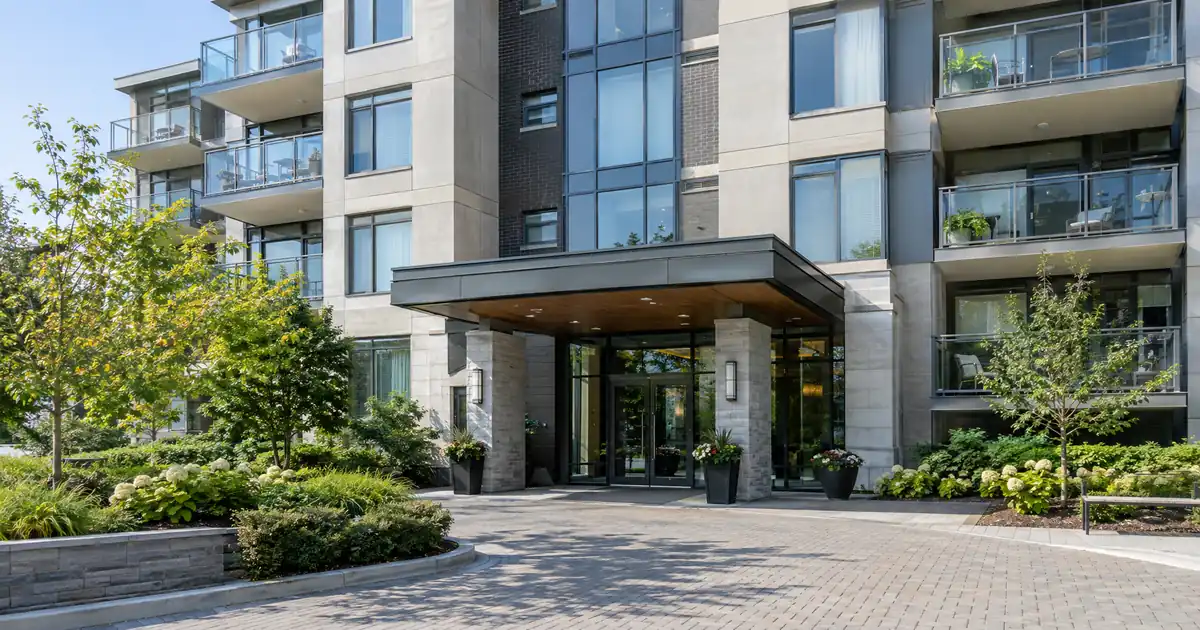
The Quick Read: Yes, in some cases. The building does not need to be on FHA’s approved-project list, but the unit still needs one of two approvals: full project approval or Single-Unit Approval (SUA). SUA is a one-unit approval for a condo project FHA has not approved. The only FHA condo loan that skips both is the FHA-to-FHA Streamline, and that loan cannot pay out cash.
How Does FHA Cash-Out Work on a Condo?
An FHA cash-out refinance replaces your current loan with a larger one and pays you the difference. On the wholesale programs Lendmire places files with, the FHA cash-out reaches 80% LTV on a home you have owned and occupied for 12 months before the case number. Occupancy is primary residence only. Subject to lender guidelines and full file review.
The condo adds a second test. The loan is tested on you, and the building is tested too. HUD says FHA insures loans to purchase or refinance a unit in an approved project, or in a project that is not approved but meets the Single-Unit Approval requirements. A cash-out refinance has to clear one of those two paths.
You can read the full program rules on Lendmire’s FHA cash-out refinance program page.
Project Approval vs. Single-Unit Approval
Project approval covers the building. SUA covers one unit in one transaction. HUD’s glossary treats SUA as its own category: approval of a unit in a condo project that is not an Approved Condominium Project.
| Factor | Project Approval | Single-Unit Approval |
|---|---|---|
| What it covers | The whole building | One unit |
| Who usually drives it | Association | Lender, with association input |
| Makes the building FHA-approved? | Yes | No |
| Typical use | Buildings courting FHA buyers | Unapproved or lapsed buildings |
That last row matters. A building whose approval is expired, rejected or withdrawn can often go the SUA route too. HUD’s help page says SUA applies to projects that never went through HUD’s approval process and to previously approved projects now in those statuses.
What Does a Building Have to Pass for SUA?
The building decides this one, not you. HUD’s condo page lists the baseline: the project must be complete and ready for occupancy, have at least five dwelling units, and not be manufactured housing.
Then comes concentration. Per HUD’s FHA Connection help page, the cap on FHA-insured units is 10% for a project with ten or more units. For projects under ten units, a maximum of two FHA-insured units is allowed. A project with an adverse determination for significant viability issues cannot get SUA at all.
HUD also names the factors it tests: FHA insurance concentration, owner-occupancy percentage and the project’s financial condition. Other thresholds, like the owner-occupancy floor, the arrears limit and reserve requirements, are tied to HUD’s approval rules, and some may have changed by mortgagee letter. Ask your loan officer for the current figures. Don’t trust a number from a blog. Every figure here varies by lender and program — guidelines, property type, leverage, and credit profile all apply.
Where the Files Stall
On these files, the building is what stalls the case, not the borrower. Three spots come up most:
- The association’s part of Form HUD-9991. The condo association or management company completes part of the questionnaire. If they sit on it, nothing moves.
- Concentration. A building with too many FHA loans already can’t get through, however strong your credit is.
- Insurance evidence. The form asks for hazard and flood insurance documentation. Gaps there cause kickbacks.
The lender requests the case number together with the Condominium Loan Level/Single-Unit Approval Questionnaire. HUD reviews it. If it is approved, a new condo project is established for the unit. Only then does standard underwriting run in full. Confirm that sequence against the current HUD Handbook 4000.1 with your loan officer.
A condo with a strong borrower can still fail on project tests. A weak building sinks a clean file.
What Happens by Building Status?
| Building status | Cash-out possible? | Next step |
|---|---|---|
| Approved project | Yes, if you qualify | Standard underwriting |
| Never approved | Possibly, via SUA | Lender requests SUA |
| Expired, rejected or withdrawn | Possibly, via SUA | Lender requests SUA |
| Fails SUA tests | No FHA cash-out | Compare other loans |
Check status early. Your loan officer can look the project up in FHA Connection, and the answer shapes everything else.
Cash-Out vs. Streamline vs. Rate-and-Term on a Condo
| Loan | Condo approval needed? | Pays cash? |
|---|---|---|
| FHA Streamline | No | No |
| FHA rate-and-term | Yes | No |
| FHA cash-out | Yes | Yes |
The Streamline is the exception. HUD’s help page exempts only FHA-to-FHA streamline refinances and HUD REO sales from the questionnaire. On the programs Lendmire works with, the Streamline refinances an existing FHA loan with no appraisal, a limited credit review and a net tangible benefit. It is useful for lowering the cost of a loan you already hold. It will never hand you cash.
A Quick Scenario
Picture a homeowner in a mid-sized condo building. She has lived in the unit for several years, owns it with solid equity, and wants cash for a renovation. The building was never FHA-approved. Her lender checks the project’s status, finds it unapproved, and asks about SUA. The management company completes its section of the questionnaire. The building turns out to have a low share of FHA loans and good owner-occupancy, so the case moves ahead.
Now flip it. Same borrower, but the building is full of FHA loans already. The unit fails the concentration test and FHA cash-out is off the table. Her credit never changed. The building decided the outcome. That is the point of this whole topic.
Why 80% and Not More?
FHA used to allow more. HUD’s 2019 announcement cut the maximum cash-out LTV from 85% to 80%, aligning FHA with the maximum cash-out LTV of the government-sponsored enterprises. HUD’s stated reason in its mortgagee letter was keeping an equity cushion to reduce loss severity if a borrower defaults. That rule now lives in Handbook 4000.1. A common belief is that FHA lets you borrow more than conventional on cash-out. It doesn’t. Final terms depend on lender guidelines, property type, leverage, and the borrower’s complete credit picture.
Cash-out also raises your balance, and FHA mortgage insurance applies. On the programs Lendmire places, the upfront premium is 1.75% of the base loan and is financed, and the annual premium runs between 0.15% and 0.75% of the balance depending on term, amount and LTV. On a thirty-year loan above 90% LTV, the annual premium lasts for the term. At or below 90%, it ends after eleven years. These specifics are subject to lender guidelines and a full review of property, leverage, and credit.
If FHA Isn’t Available
If the building fails SUA, you still have options to compare:
- Conventional cash-out. Has its own building review, and may accept a building FHA rejects.
- Home equity loan. A second loan that leaves your first mortgage alone.
- HELOC. A revolving line against your equity.
Each has trade-offs on terms and costs. A broker can compare them against your first mortgage. You can also ask your association whether it plans to pursue project approval. That is a longer path, and the association runs it, not you.
Common Misconceptions
“Not on the approved list means FHA is impossible.” HUD’s condo page says the opposite. SUA exists for units in unapproved projects.
“A Streamline works for any cash need.” It doesn’t pay cash.
“SUA approves the building.” It approves one unit and does not make the project FHA-approved.
“A strong borrower is enough.” Project-level tests can fail the case regardless of your profile.
Key Terms Defined
Single-Unit Approval (SUA): HUD approval of one unit in a condo project that is not on the approved list.
Form HUD-9991: The condo questionnaire the lender submits, with the association completing part of it.
FHA concentration: The share of units in a building that carry FHA-insured loans.
Streamline refinance: An FHA-to-FHA refinance with limited review and no cash out.
Net tangible benefit: A measurable improvement for the borrower that an FHA Streamline must show.
Frequently Asked Questions
Can I do an FHA cash-out in a condo that isn’t FHA-approved?
Possibly. Single-Unit Approval can cover it if the building passes HUD’s tests, including the concentration cap and minimum size. If it fails, FHA cash-out is not available on that unit.
Does expired project approval matter?
It changes the path, not always the outcome. HUD’s help page treats expired, rejected and withdrawn projects as eligible to be reviewed for SUA. Your lender can tell you the status in FHA Connection.
Does having an existing FHA loan help?
Only for the Streamline, which skips the condo questionnaire but pays no cash. A cash-out doesn’t require an existing FHA loan, but it does require the condo approval path.
What if my HOA won’t cooperate?
That can stall the case, because the association completes part of Form HUD-9991. Ask your loan officer exactly what is needed, and send the request in writing. If the association never responds, compare conventional cash-out or a home equity product.
Who pays for SUA?
Who pays depends on your file: any costs for a loan like this appear in your Loan Estimate and Closing Disclosure like any other loan costs, which show what you owe and what others pay, so ask your loan officer what applies to you.
Tax treatment can depend on your situation; borrowers should speak with a qualified tax professional before relying on any deduction or credit.
Lendmire’s team has also covered whether a condo owner should choose FHA cash-out or conventional, which helps when the building is borderline.
If you are weighing a cash-out refinance against keeping the loan you have, Lendmire can help you compare the programs and the equity each one reaches.
For your own numbers, request a scenario review with Lendmire.
About Lendmire
Lendmire (NMLS# 2371349) is a mortgage broker licensed for consumer lending in 16 states. Lendmire arranges FHA, VA, conventional and jumbo purchase and refinance loans through wholesale lenders; every file is underwritten by the lender under the applicable program guidelines. Scotsman Guide named Lendmire a Top Mortgage Workplace in both 2025 and 2026.
Get Started
Ready to find the right loan for you?
In about 30 seconds you can review financing options available for your home or investment property. No commitment required.
Informational only. Not a Loan Estimate, approval, or commitment to lend. Program availability and eligibility are subject to lender guidelines, credit approval, property review, and underwriting.
References
2. HUD – Handbook 4000.1 Glossary
3. HUD – FHA Connection Condominiums Help
4. HUD Archives – 2019 Press Release
This article is part of Lendmire’s FHA Loan series — every loan program’s qualification details, guidelines, and scenarios live on the loan options page.
Related reading: Is an FHA Cash-Out Easier Than Conventional If You Want Out of FHA? · FHA Cash-Out Refinance Requirements at a Glance · Can an FHA Loan Owner Add a Second Lien Above the FHA Cash-Out Cap?
Brandon Miller
Founder & CEO, Mortgage Loan Originator, Lendmire LLC
- Mortgage Loan Originator · NMLS# 1129696 · Verify on NMLS Consumer Access
- North Carolina Real Estate Broker · License# 343312 · Verify on NCREC
- North Carolina Insurance Producer · License# 19053198 · Property, Casualty, Life, Health · Verify on NAIC SBS
- Lendmire LLC · Firm NMLS# 2371349 · Verify firm licensure
Compliance and disclosures. Lendmire (NMLS# 2371349) is a licensed mortgage broker and is not a direct lender, depository institution, financial advisor, or tax professional. Content in this article is general market analysis and educational information — not financial, legal, or tax advice for any specific situation. Lendmire does not guarantee loan approval; every transaction is subject to underwriting by the funding lender. Mortgage pricing and loan program guidelines are subject to change at any time without notice and vary by borrower characteristics, property type, and state regulations. Lendmire complies with Equal Housing Opportunity. Licensure verification: NMLS Consumer Access.