
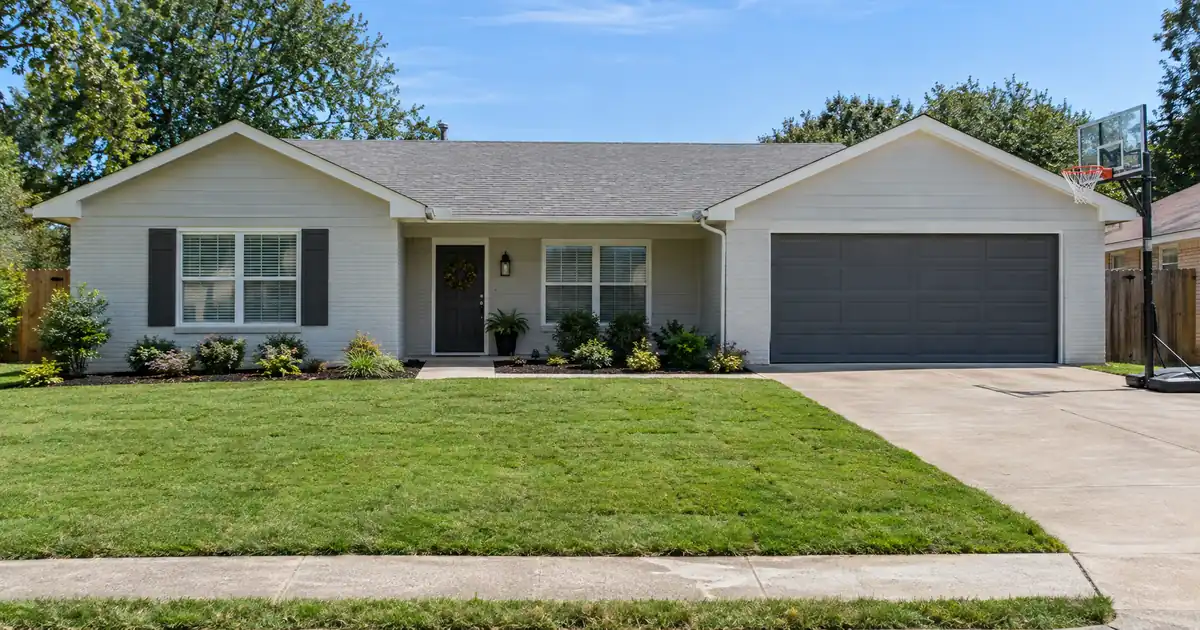
The Quick Read: The choice comes down to whether you want the home you have. A cash-out refinance fits people who like their home and need equity for a specific purpose. Selling fits people whose home no longer fits their life. Either path can fund the next chapter, but they do very different things to your debt, your costs and your options.
Key Takeaways
- A cash-out refinance replaces your current first mortgage with one larger loan. You keep the home and take the difference in cash.
- Selling turns equity into cash and ends the loan. You then need a new purchase loan for the next home.
- Conventional cash-out on a one-unit primary home generally tops out at 80% loan-to-value (LTV). That is the share of the home’s value you borrow against.
- Buying the next home after a sale can reach 95% LTV on a principal residence, subject to lender guidelines.
- Occupancy, seasoning and your debt ratio often decide the answer before preference does.
Side-by-Side
Here is how the two paths compare on the features that decide eligibility. All figures reflect the wholesale conventional programs a broker typically works with. They remain subject to lender guidelines and full file review.
| Factor | Cash-Out and Stay | Sell and Buy Next |
|---|---|---|
| Leverage | 80% LTV one-unit primary home | Up to 95% LTV on a primary home |
| Two- to four-unit homes | 75% LTV | Up to 95% LTV, principal residence |
| Credit floor | Starts at a 620 decision score | Starts at a 620 decision score |
| Mortgage insurance | None at or below 80% LTV | Required above 80% LTV |
| Occupancy | Borrower must live in the home | Borrower must live in the new home |
| Seasoning | 12-month-old loan, 6 months on title | None on the old home |
| Documentation | Appraisal, income, assets, debt review | Same review, plus a sale contract |
| Home you own after | Same home, larger loan | New home, new loan |
Look at the leverage row first. A buyer putting 5% down on the next home borrows more against it than a cash-out refinance allows on the current one. That surprises many people. Leverage, reserves, and pricing vary by lender and program; the final terms follow the full file review.
How Each Path Works
A cash-out refinance pays off your existing first mortgage and writes a new one. The new loan is larger. The difference arrives as cash at closing. One new loan replaces the old terms in full. That matters if your current loan has terms you like.
Across the wholesale programs Lendmire places files with, cash-out refinance programs share a simple frame. The appraised value sets the ceiling. The program’s LTV limit caps the loan. The payoff of existing liens, costs and prepaid items come out of that. What remains is your cash. It is not simply value minus balance.
Selling works differently. You market the home, a buyer’s financing and appraisal must hold up, and you net what remains after the payoff and selling costs. Then you qualify for a purchase loan and close on the next home. Two transactions, two sets of moving parts. Sellers should expect agent commissions, a second closing and moving costs. Those amounts vary widely, so this piece does not guess at them.
When Cash-Out Refinance Is the Better Fit
Cash-out and stay is the stronger choice when the home still works and the equity has a clear job. Picture a homeowner whose house has 40% equity. The family loves the school district and the commute. The kitchen is dated, and a repair or renovation would add real value. Selling means paying selling costs to leave a home that already fits. Cash-out keeps the address and funds the project.
It also suits people who need cash but not a move. Freddie Mac’s guide says a cash-out refinance carries no specific restrictions on how you use the proceeds. Lenders still review the file. Paying off other debts is the most common reason borrowers give, according to the CFPB’s research on cash-out borrowers. More than half of surveyed borrowers cited it each year from 2014 to 2019.
Two more cases favor staying:
- Tight timing. You can’t or won’t carry the stress of two transactions.
- Buying out a co-owner. In a divorce, one spouse keeping the home often works through a special-purpose cash-out. Freddie Mac describes it as proceeds used to buy out a co-owner’s equity.
Now the catch. You swap your current loan for a new one, so a low-cost first mortgage disappears. You may also lengthen the time it takes to pay the home off. And the CFPB warns that paying non-mortgage debts with mortgage debt can raise foreclosure risk. Clearing a card balance is not the same as fixing the spending that built it.
Some wholesale lanes reach 80% LTV with no mortgage insurance. That needs a 680 score, a 50% ratio ceiling and a 30-year fixed loan on a primary residence with a conforming balance. The lane has its own six months of seasoning. It is not written on Texas homesteads, where state law caps cash-out. A broker can tell you whether a lane fits your file. Terms vary by lender guidelines, property type, leverage, credit profile, and full file review.
When Selling and Buying Is the Better Fit
Selling is the better fit when the home itself is the problem. Think of a family of five in a house built for two. Or a job relocation. Or a homeowner who wants to downsize and free up cash with no new debt attached. A cash-out refinance cannot fix a floor plan or a commute.
Selling also wins when you want to leave debt behind. You settle the old loan and carry only the purchase loan on the next home. A cash-out leaves you with a bigger balance on the old home and a new balance on the next. That is two loans to carry.
Leverage is a quiet advantage too. Cash-out stops at 80% LTV on a one-unit primary home. A purchase loan can go to 95%, which means a smaller down payment on the next home. Where the sale leaves you with limited cash, a purchase loan may stretch it further than a cash-out would. Exact terms depend on the lender’s guidelines, property type, leverage, and a full review of the borrower’s file.
Selling does carry real costs and risks. Commissions and a second closing are real money. The sale can fall through. The next home might not appear on your schedule. And whether a sale gain is taxable depends on your situation. Tax treatment can depend on your situation; borrowers should speak with a qualified tax professional before relying on any deduction or credit. The IRS covers the basics in Publication 523.
Can You Buy the Next Home on the Cash-Out?
Yes, but the order matters. Many homeowners picture this: refinance the current home, use the cash as a down payment on a new one, and maybe keep the old house. That raises an occupancy problem.
A primary-residence cash-out means the borrower lives in the home. Freddie Mac’s guide covers the primary-residence occupancy requirement in the same section as the six-month ownership rule. Buy a new primary home right away and move out? That conflicts with what you signed. Talk to your loan officer before you structure it, not after. Occupancy decides leverage, too. Cash-out on a second home or a rental falls to the 75% level, and the purchase limits change as well.
Sequencing also affects qualifying. Lenders review your debts at the time of the new application. Keep the old home and its new, larger loan, and that payment counts against you for the next purchase. The ratio ceiling on most automated approvals is 50% of income, and manual underwriting sets tighter lines at 36% or 45%. A second payment can push you over. Stress-test this before you list or refinance.
The Rules That Can Block a Cash-Out
A few rules decide whether you can refinance at all. They apply on conventional loans:
- Six months on title. At least one borrower must have owned the home for six months. Fannie Mae’s Selling Guide lists exceptions, including delayed financing after an all-cash purchase. Inheritance and legal awards, such as a divorce settlement, can also waive the wait.
- A 12-month-old first mortgage. The loan you’re paying off must be at least 12 months old, measured note date to note date, per Fannie Mae’s capital markets notice.
- Reserves on high ratios. On automated files, a debt-to-income ratio above 45% requires six months of reserves under the same Fannie Mae guide.
- Delisting. If you listed the home for sale, it must come off the market by the time the new loan disburses. Changed your mind about selling? Take the listing down first.
FHA and VA borrowers should know the streamlines are not cash-out tools. The FHA Streamline limits cash in hand, and the VA IRRRL only lowers the cost of an existing VA loan. VA borrowers who want equity use the separate VA cash-out. Lendmire has written on using a VA cash-out to buy the next home during a PCS move and on how to keep your home and buy next with a VA cash-out above the limit.
Costs Most People Miss
Both paths cost more than the headline suggests. Name them honestly and you will compare them better.
On the cash-out side: closing costs, appraisal, the loss of your current loan’s terms, and a larger balance that stretches the payoff schedule. Your Loan Estimate itemizes the costs. Compare it against any other offer line by line. One caution on “no-closing-cost” marketing: the costs are still there, built into the pricing or the balance.
On the sale side: agent commissions, repairs before listing, a second closing, movers, and possibly overlapping housing costs if closings don’t line up. And selling may mean taking on a new loan with different terms from the one you gave up.
On the keep-both side: two sets of taxes, insurance and upkeep. Easy to forget. Costly if you do.
Here’s a quiet one. If your current first mortgage is a good one, both paths cost you that loan. Refinancing replaces it. Selling pays it off. Only a second lien such as a home equity loan or line of credit leaves it intact, which is why borrowers with strong existing terms often look there first.
Alternatives Worth a Look
Three other tools sit alongside the main paths:
- Home equity loan or line of credit. A second lien on top of your first mortgage. Your first loan stays in place. Cost and limits vary by lender.
- Bridge loan. Short-term borrowing against the old home while you buy the next one. It suits people who need to buy before they sell.
- Rate-and-term refinance. If cash isn’t the goal, a refinance can change your loan without pulling equity. Programs reach 95% LTV on a one-unit primary home.
None of these is automatically better. Each trades simplicity for something else.
Stress Tests Before You Choose
Run both paths through a few bad days before committing.
The appraisal comes in low. Cash-out proceeds shrink, because value drives the loan limit. A low sale price shrinks your net the same way. Plan for a gap in both cases.
Your income drops. The cash-out path leaves you with a larger payment on a home you can’t easily exit. The sell path leaves you with a smaller debt but fewer options if the next purchase falls through.
The next home falls through. If you sold first, you may be renting. If you cashed out first, you hold a bigger loan and no new home. The second is easier to live with, but it costs more to hold.
Prices fall. Borrowing up to 80% leaves a thin cushion. Selling and buying with 5% down leaves a thinner one on the next home. Neither path is safe from a decline. Consider how much margin you want. Every figure here varies by lender and program — guidelines, property type, leverage, and credit profile all apply.
Key Terms Defined
- Cash-out refinance: a new, larger first mortgage that pays off the old one and gives you the difference in cash.
- LTV (loan-to-value): the loan amount divided by the home’s appraised value.
- Seasoning: the waiting period a loan or ownership must meet before you can refinance.
- Mortgage insurance: coverage for the lender that applies above 80% LTV; you can request cancellation at 80% and it ends automatically at 78%, subject to payment history and other conditions.
- Delayed financing: an exception that lets you take cash out soon after an all-cash purchase. Final terms depend on lender guidelines, property type, leverage, and the borrower’s complete credit picture.
The Verdict
Stay and cash out when you like the home, the equity has a defined job and your numbers hold with a bigger loan. Sell when the home no longer fits, when you’d rather hold less debt, or when the next purchase needs more leverage than a cash-out allows. Neither is better in the abstract.
A fair test: write down what you’d do if the cash-out funds vanished tomorrow. If the answer is “still live here,” refinancing deserves a serious look. If it’s “still want to move,” run the sale numbers first. When it’s a genuine toss-up, the deciding factor is usually the existing loan. A strong first mortgage argues for leaving it alone.
If you are weighing a cash-out refinance against keeping the loan you have, Lendmire can help you compare the programs and the equity each one reaches.
Frequently Asked Questions
Can I sell soon after a cash-out refinance?
Usually yes, since nothing forbids it. But you will have paid closing costs on a loan you used briefly, and a sale soon after may not recover them. If you are likely to move, ask your loan officer whether a refinance makes sense at all. The occupancy commitment on a primary-residence loan also matters.
Can I use cash-out funds as a down payment on my next home?
Yes, in most cases. Proceeds have no specific use restrictions under Freddie Mac’s guide. The lender will still count the payment on the old home and the new one when you apply for the next loan. A second home or rental carries different leverage limits from a primary home.
Do I have to live in the home I refinance?
Yes, if you refinance it as a primary residence. The borrowers on the loan are expected to occupy it. Planning to move out and keep it? Raise that with your loan officer before applying, because occupancy decides the leverage limit.
Is it better to refinance before selling?
Rarely. A refinance right before listing adds closing costs you may not recover. The exception is a repair or improvement that raises the sale price. Even then, compare the cost against alternatives such as a home equity line.
What if I owe more than the home is worth?
Then cash-out is off the table, because there is no equity to borrow against. A sale may leave you owing money at closing. Talk to a lender about options before you act, such as waiting for value to recover.
For your own numbers, request a scenario review with Lendmire.
For current guidelines and terms, see Lendmire’s refinance programs page.
About Lendmire
Lendmire (NMLS# 2371349) is a mortgage brokerage serving homeowners and home buyers in 16 states. FHA, VA, conventional and jumbo purchase and refinance loans are arranged through wholesale lending channels; Lendmire brokers the financing and the lender underwrites each application. Scotsman Guide named Lendmire a Top Mortgage Workplace in both 2025 and 2026.
Get Started
Ready to find the right loan for you?
In about 30 seconds you can review financing options available for your home or investment property. No commitment required.
Informational only. Not a Loan Estimate, approval, or commitment to lend. Program availability and eligibility are subject to lender guidelines, credit approval, property review, and underwriting.
References
1. Freddie Mac Guide 4301.5, Cash-Out Refinance Mortgages
2. CFPB, Cash-Out Refinance Borrowers and Credit Scores
4. IRS Publication 523, Selling Your Home
5. Fannie Mae Selling Guide B2-1.3-03, Cash-Out Refinance Transactions
6. Fannie Mae Capital Markets, Cash-Out Refinance Eligibility Update
This article is part of Lendmire’s Refinance series — every loan program’s qualification details, guidelines, and scenarios live on the loan options page.
Related reading: How to Qualify for a Second Home Cash-Out Refinance on DTI · Can You Cash-Out Refinance a Texas Homestead to Buy a Second Home? · Does an Inherited Home Need Six Months Before a Cash-Out Refinance?
Brandon Miller
Founder & CEO, Mortgage Loan Originator, Lendmire LLC
- Mortgage Loan Originator · NMLS# 1129696 · Verify on NMLS Consumer Access
- North Carolina Real Estate Broker · License# 343312 · Verify on NCREC
- North Carolina Insurance Producer · License# 19053198 · Property, Casualty, Life, Health · Verify on NAIC SBS
- Lendmire LLC · Firm NMLS# 2371349 · Verify firm licensure
Disclosure information. Lendmire is a state-licensed mortgage brokerage under NMLS# 2371349. Lendmire is not a depository institution, direct lender, or financial advisor — all loans referenced are placed through wholesale lender partners and are subject to each lender's underwriting standards. This article is provided for general informational purposes and is not a commitment to lend, nor does it constitute financial, legal, or tax advice. Loan programs, terms, rates, and qualification standards change without notice and depend on borrower profile, property type, and the state in which the subject property is located. Equal Housing Opportunity provider. NMLS Consumer Access: nmlsconsumeraccess.org.