
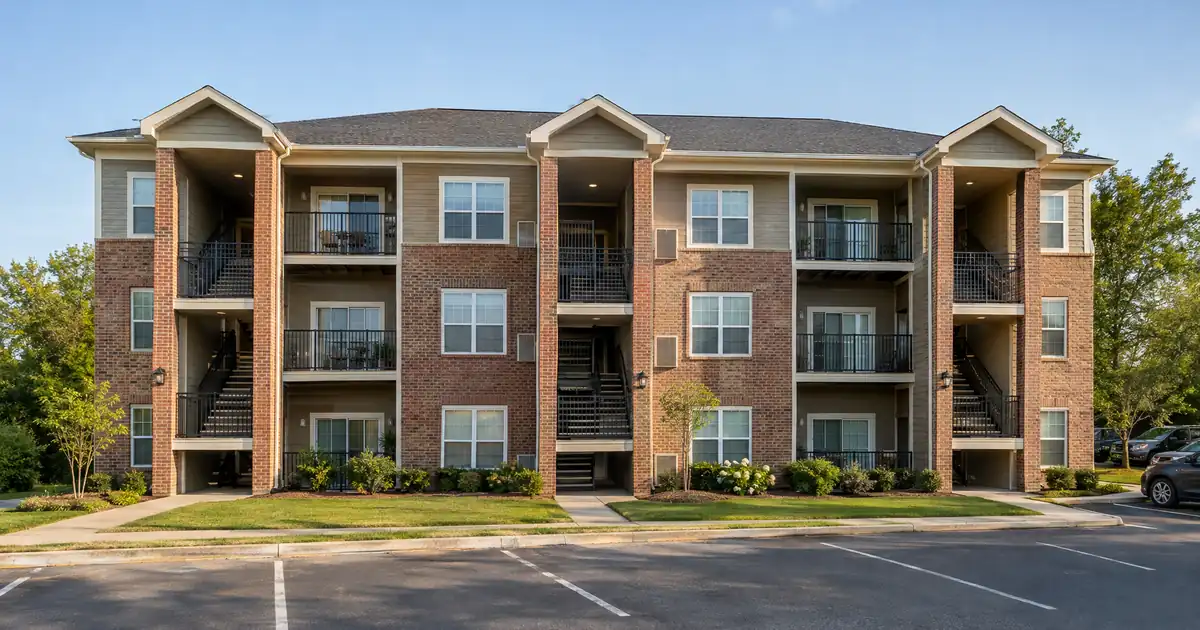
The Quick Read: A conventional cash-out refinance on a condo has two separate tests: one for you and one for the building. On the borrower side, a one-unit primary residence typically reaches 80% loan-to-value, with seasoning, credit and ratio rules, all subject to lender guidelines. On the building side, the condo project itself must pass the agency’s project review, and the review rules have tightened. A strong borrower in an ineligible building can still be turned down.
What Is a Conventional Cash-Out Refinance on a Condo?
A cash-out refinance replaces your existing first mortgage with a larger one and pays you the difference. For a condo, the loan is sold to Fannie Mae or Freddie Mac, so the agency’s rules apply to you and to your building.
That second part is what surprises people. House owners face one test. Condo owners face two:
| Item | Borrower test | Building test |
|---|---|---|
| What is checked | Equity, credit, ratios, seasoning | Reserves, repairs, ownership mix, safety |
| Who controls it | You | The HOA and its board |
| Where it fails | Low appraisal, high debt | Critical repairs, unfinished assessments |
| Can you fix it? | Often | Sometimes, but slowly |
Lendmire’s cash-out refinance programs run through wholesale lenders in the 16 states where Lendmire arranges consumer mortgages. Across those files, the building test is the one that most often changes the outcome.
What Does the Borrower Have to Meet?
Most borrowers see the same core requirements they would see on a house, with the condo-specific project review layered on top. Every figure below is subject to lender guidelines and full file review.
Leverage. Cash-out on a one-unit principal residence typically reaches 80% LTV. Two- to four-unit principal residences, second homes and investment property cap at 75%. The Fannie Mae Eligibility Matrix publishes these caps. A condo is generally treated as a one-unit residence for them, subject to project eligibility. This is a lower ceiling than a rate-and-term refinance, which reaches 95% on the same property. You need more equity to take cash out.
Seasoning. The first mortgage being paid off must be at least 12 months old, measured from note date to note date. At least one borrower must have been on title for six months. The Fannie Mae Selling Guide on cash-out refinances also describes exceptions for delayed financing, inheritance and legal awards. A home listed for sale must come off the market by the disbursement date.
Credit and ratios. Wholesale conventional programs start at a 620 decision score. The automated finding governs most files, with a total ratio ceiling of 50%. For automated loans with a ratio above 45%, the agency requires six months of reserves. HOA dues count toward your ratio, so a high-dues building can squeeze the number even when your income is strong.
Occupancy. Occupancy decides leverage. Primary residence gets 80%. A second-home or rental condo gets the 75% cap.
One special lane. A wholesale lane reaches 89.99% LTV with no mortgage insurance. It requires a 680 score, a 50% ratio, a thirty-year fixed rate, a primary residence, a conforming balance and its own six months of seasoning. It is not written in Texas, where state law caps homestead cash-out at the agency figure. Whether a given condo qualifies for it depends on the building test below. Final terms depend on lender guidelines, property type, leverage, and the borrower’s complete credit picture.
How Is the Condo Building Reviewed?
The lender must confirm the project is eligible before it can sell the loan. The review type depends on project size and unit type. Per Fannie Mae’s project standards, the options are:
- Full Review, where the lender examines the project’s finances, insurance, ownership mix and condition.
- Waiver of review, which covers units in two- to ten-unit projects and detached condos. Attached units in a five- to ten-unit project that is part of a master association are the exception.
- Reciprocal review or FHA project approval, where an existing approval can be relied on.
- A separate path for co-ops, which need special lender approval.
Even a waived project cannot be a condo hotel, a timeshare or a segmented-ownership project.
The Rule Change Behind the Headlines
Limited Review has been retired. Projects that used to pass through it now need Full Review or, where it applies, a waiver. Fannie Mae’s announcement SEL-2026-07 folded this into the Selling Guide and refers to loans eligible under the old process based on an application date before Aug. 3, 2026. It also says new reserve standards for projects take effect for applications on or after Jan. 4, 2027. In plain terms, that means a higher required reserve contribution by the association. Freddie Mac made a parallel move when it retired its Streamlined Review type and raised reserve-study and replacement-reserve expectations, per Bulletin 2026-C.
The takeaway: “my building was approved when I bought” is no longer a safe assumption.
Where the General Rule Breaks
The refinance waiver does not help cash-out borrowers. Fannie Mae waives project review for its own loans refinanced as limited cash-out at up to 80% LTV. Freddie Mac has a similar exemption for its own no-cash-out refinances. Neither covers a true cash-out. These specifics are subject to lender guidelines and a full review of property, leverage, and credit.
A building can fail while you pass. Under Fannie’s ineligible-project rules, these can sink the file:
- Projects needing critical repairs.
- Projects with an evacuation order, until the unsafe condition is fixed and the buildings are deemed safe.
- Projects that failed mandatory state, county or local structural-safety inspections or certifications.
- Condo-hotel or similar operations.
- Excessive HOA income from non-incidental business arrangements, above 10% of budgeted income.
- Single-entity ownership above the agency’s limits.
Special assessments get a close look. The lender reviews each assessment’s purpose, approval date, original and remaining amounts, and expected payoff date. If a structural or mechanical inspection happened within three years of the project review, the lender must obtain and review the report.
Delayed financing is the seasoning exception. If you bought with cash, you may be able to take cash out sooner than six months, as long as the Guide’s conditions are met.
A short-term refinance can count as cash-out. Combining a first mortgage with a non-purchase-money second, or refinancing a loan within six months, generally moves you into cash-out treatment.
How the Process Runs, Step by Step
1. Pick the transaction type. The loan is cash-out unless it meets limited cash-out criteria.
2. Check seasoning. Confirm the 12-month and six-month rules.
3. Check ratios and reserves. Add HOA dues to your housing costs before you assume the numbers work.
4. Lender picks the project review type. This depends on the building.
5. Documents are collected. The lender gathers items from the HOA or management company, such as a questionnaire, financial statements, meeting minutes or an engineer’s report. Per Fannie Mae’s project FAQ, those sources are neither prescriptive nor exhaustive, so the lender decides what it needs.
6. Appraisal. A one-unit condo uses the Individual Condominium Unit Appraisal Report, Form 1073. A low appraisal shrinks the cash available.
7. Underwriting and disclosures. You receive a Loan Estimate and, later, a Closing Disclosure.
8. Closing. The old first mortgage is paid off, costs are settled, and the remainder comes to you.
Three things decide the outcome: the appraised value against the leverage cap, your credit, ratios and reserves, and whether the building passes review. The third is out of your hands.
A Worked Example With No Dollar Figures
Picture a condo owner with a one-unit primary residence and a first mortgage well past the 12-month mark. Equity looks healthy. The lender’s maximum is 80% of the appraised value, and the existing payoff plus closing costs come out of that same limit. Cash to you is whatever remains.
Now the appraiser returns a value a few percent lower than expected. The 80% cap shrinks with it. The cash drops, and if the payoff and costs already take up most of the limit, there may be little left to take.
Then the lender requests the HOA documents and finds a pending assessment for roof work that has not been completed. If critical repairs are unfinished, the project stays ineligible until they are done. You pass the borrower test and fail the building test.
What to Do If the Building Fails
- Fix. Some problems are the board’s to solve, such as completing critical repairs or finishing a safety assessment.
- Wait. Others, such as reserve contributions, take budget cycles to change.
- Pivot. You may keep the current loan, check whether a different lender’s review reaches a different result, or compare other ways to tap equity. A home equity line or loan is a different product with its own rules.
Ask the lender early whether a project review is already on file. Ask the management company for the questionnaire, the budget and any assessment notices before you pay for an appraisal.
What Does a Condo Cash-Out Cost, and What Are the Risks?
You refinance the entire mortgage, not only the cash portion. The CFPB notes that origination, appraisal, title and other fees can be substantial. It also notes that a new loan may carry a different rate than the old one, so the benefit depends on your situation. Moving unsecured debt into a mortgage secured by your home can put the home at risk if payments become unsustainable. The Loan Estimate and Closing Disclosure spell out closing costs and cash to close.
Tax treatment can depend on your situation; borrowers should speak with a qualified tax professional before relying on any deduction or credit.
If you are also comparing paths, Lendmire’s piece Can a Condo Owner Get a Conventional Cash-Out Refinance? covers the owner’s side of the question.
Key Terms Defined
Cash-out refinance: A new mortgage that pays off the old one and gives you the leftover equity as cash.
Limited cash-out (rate-and-term) refinance: A refinance that pays off the old loan, closing costs and a purchase-money second, with only incidental cash back.
Project review: The lender’s check that the condo building meets the agency’s eligibility standards.
Warrantable condo: A building that meets agency standards, so loans on its units can be sold to Fannie Mae or Freddie Mac.
Special assessment: A charge to owners, beyond regular dues, for a specific cost such as a major repair.
LTV: Loan-to-value, the loan amount divided by the appraised value.
Frequently Asked Questions
Is the cash-out limit lower for a condo than for a house?
Not on the matrix text reviewed. A one-unit principal residence is capped at 80% LTV, and a condo generally falls under that same cap, subject to project eligibility. The condo difference comes from the building test, not the leverage number.
Can I take cash out right after buying my condo?
Usually not. The baseline is six months on title and an existing first mortgage at least 12 months old. Delayed financing is the named exception for borrowers who bought with cash, when the Guide’s conditions are met.
Does the project-review waiver for refinances apply to cash-out?
No. The waiver covers Fannie-owned loans refinanced as limited cash-out at up to 80% LTV. A true cash-out still needs the project review that fits the building. Terms depend on the lender’s guidelines, the property type, the leverage, and a full review of the credit profile.
Do the new project rules change my credit or income requirements?
The changes are about how buildings are reviewed, not how borrowers qualify. Your credit score, ratios and reserves are tested the same way, though higher HOA dues or a pending assessment can still affect your ratios.
What happens if my building has an evacuation order or unfinished critical repairs?
The project is ineligible until the unsafe condition is remediated and the buildings are deemed safe. That is true even if your own file is strong.
If you are weighing a cash-out refinance against keeping the loan you have, Lendmire can help you compare the programs and the equity each one reaches. Every figure above is subject to lender guidelines and full file review, and nothing here is a commitment to lend.
Condo cash-out refinancing is shifting toward stricter building standards, so an owner who checks the HOA’s repairs, reserves and assessments before applying is working with the facts that decide the file.
For your own numbers, request a scenario review with Lendmire.
About Lendmire
Lendmire — NMLS# 2371349 — is a mortgage broker that arranges FHA, VA, conventional and jumbo home purchase and refinance financing in 16 states through wholesale lenders. Every option is subject to the lender’s guidelines and full underwriting. Scotsman Guide named Lendmire a Top Mortgage Workplace in both 2025 and 2026.
For the program’s current guidelines, see conventional loan programs.
Get Started
Ready to find the right loan for you?
In about 30 seconds you can review financing options available for your home or investment property. No commitment required.
Informational only. Not a Loan Estimate, approval, or commitment to lend. Program availability and eligibility are subject to lender guidelines, credit approval, property review, and underwriting.
References
1. Fannie Mae Eligibility Matrix
2. Fannie Mae Selling Guide B2-1.3-03, Cash-Out Refinance Transactions
3. Fannie Mae Selling Guide B4-2.1-01, General Information on Project Standards
5. Fannie Mae Selling Guide B4-2.1-03, Ineligible Projects
7. CFPB
This article is part of Lendmire’s Conventional Loans series — every loan program’s qualification details, guidelines, and scenarios live on the loan options page.
Related reading: Conventional Cash-Out Refinance DTI Requirements for a Second Home · Should You Consolidate Debt Into a Conventional Cash-Out Refinance? · Conventional Loan Limited Cash-Out Refinance Requirements
Brandon Miller
Founder & CEO, Mortgage Loan Originator, Lendmire LLC
- Mortgage Loan Originator · NMLS# 1129696 · Verify on NMLS Consumer Access
- North Carolina Real Estate Broker · License# 343312 · Verify on NCREC
- North Carolina Insurance Producer · License# 19053198 · Property, Casualty, Life, Health · Verify on NAIC SBS
- Lendmire LLC · Firm NMLS# 2371349 · Verify firm licensure
Disclosures. The information presented in this article is general market commentary, not financial, legal, or tax advice. Lendmire is a mortgage brokerage (NMLS# 2371349) — not a direct lender or depository institution — and loan placement is subject to lender underwriting. Nothing in this content represents a commitment to lend. Loan terms, pricing, and program availability vary based on borrower qualifications, property characteristics, and state of subject property, and are subject to change at any time. Lendmire complies with Equal Housing Opportunity requirements. Consumer access: nmlsconsumeraccess.org.