
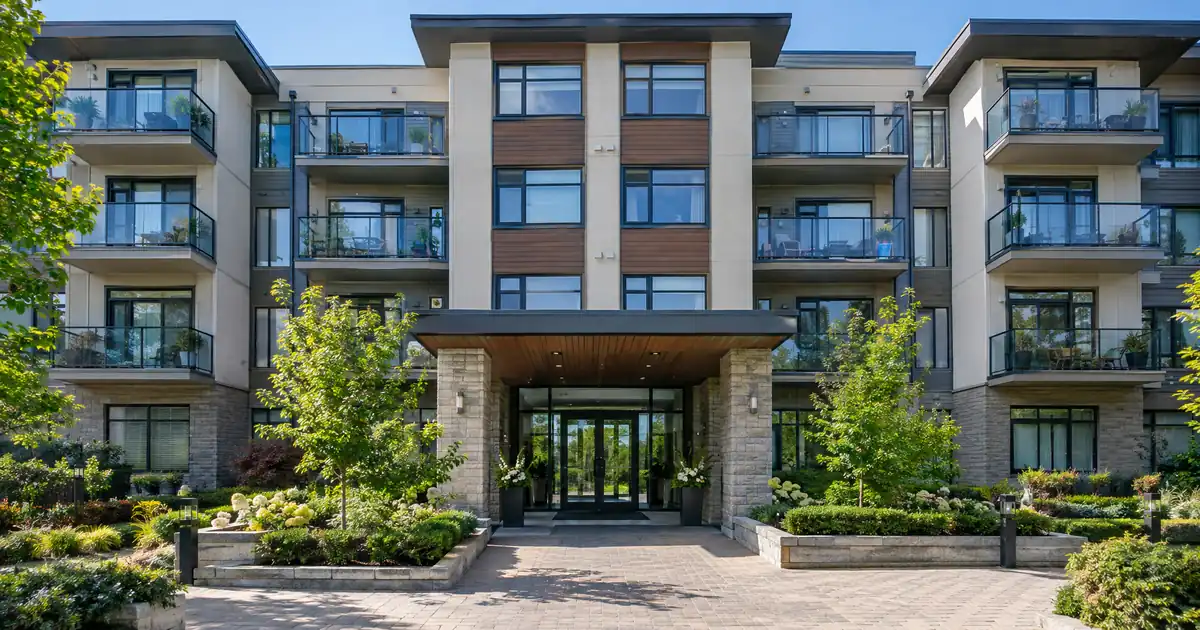
The Quick Read: Usually not, unless the cash is worth more than the low rate you give up. A cash-out refinance replaces your whole first mortgage, so today’s pricing applies to the entire balance, not just the cash you take out. Condo owners face a second test, because the building has to qualify along with you. If you need a smaller sum, keeping the low first and borrowing separately often wins.
What Happens to Your Low First Mortgage?
A cash-out refinance pays off your current first mortgage and puts a new, larger one in its place. That is the whole mechanism. The CFPB notes that a cash-out refinance takes the place of the original mortgage, while home equity loans and HELOCs leave the original first-lien mortgage intact.
So you are really choosing between two structures:
- Option A: one new first mortgage, larger than the old one, at today’s pricing on every dollar.
- Option B: keep the low first mortgage and borrow the cash separately, usually with a second lien.
A common misconception is “I’ll only pay the higher rate on the cash I take out.” That is false with a cash-out. The new terms cover the whole loan. Only a second lien or HELOC leaves your old first mortgage alone.
Giving up a very low first mortgage for a modest amount of cash trades a long-term advantage for a short-term need. That is the situation to scrutinize hardest.
How Do You Test Whether Giving Up the Low Rate Is Worth It?
Run three checks: how big the cash need is compared with your balance, how long you will keep the loan, and how far your current rate sits below today’s pricing. The wider that gap and the smaller the cash need, the harder a cash-out is to justify.
Here is how three modeled situations tend to play out. These are illustrations of the logic, not market data.
| Situation | Cash need vs. balance | Cash-out repricing hurts | Usual lean |
|---|---|---|---|
| Small cash, large balance | Small | Most | Keep the first, borrow separately |
| Balanced | Moderate | Moderately | Compare both carefully |
| Large cash, small balance | Large | Least | Cash-out can make sense |
Why does the balance matter? Repricing hits every dollar you carry. If you owe a lot and need a little, you are repricing a big loan to unlock a small sum. If you owe little and need a lot, the new loan is mostly new money anyway, so there is less low-rate debt to lose.
Also count what a new loan resets. You start a fresh term, which means you restart amortization, the schedule that shifts each payment from mostly interest toward mostly principal. A cash-out also usually enlarges the balance, so your payment can rise even when the rate does not.
Why Does a Condo Change the Answer?
A condo loan is judged on two things: you and the building. You can have strong credit and plenty of equity and still be blocked by the project. That surprises most condo owners.
Fannie Mae will not buy loans on units in projects flagged “Unavailable” in its Condo Project Manager, the system lenders use to check project status. Per Fannie Mae’s Selling Guide, those loans are ineligible for purchase. Good credit does not cure a building problem.
The lender looks at the project’s health: insurance, reserves, repairs, ownership mix, and unpaid association dues. Under Fannie Mae’s full review, no more than 15% of total units may be 60 or more days past due on common expense assessments, per the Selling Guide.
Here is a quick building-health checklist:
- Is the association current on insurance?
- Does it have healthy reserves, and are any special assessments pending?
- Are there unaddressed critical repairs?
- Are many owners behind on dues?
- Is the project a condo hotel or timeshare? Those are ineligible.
Co-ops are a different animal. Fannie Mae treats them separately, and the project review waiver below does not apply to them.
Your monthly association dues also count in your debt ratio, so a condo with high dues has less room than a detached home with the same income.
Does a Smaller Cash Amount Change the Loan Type?
Yes, sometimes. A limited cash-out refinance, which many people call rate-and-term, allows only incidental cash back. Fannie Mae caps it at the greater of 1% of the new loan balance or $2,000, per its SEL-2025-08 announcement.
Across the programs Lendmire works with, a refinance on a one-unit principal residence reaches 95% LTV, with mortgage insurance above 80%. LTV, or loan-to-value, is your loan balance divided by the home’s appraised value. If the existing loan is agency-owned and a first-time-buyer program applies, 97% is possible. Everything is subject to lender guidelines and full file review.
Two details trip people up:
- Only a second lien used to buy the home can be paid off in a limited cash-out. A second taken for renovation or anything else turns the deal into a full cash-out.
- At least one borrower must already be on title when you apply.
The condo upside: Fannie Mae waives project review for units in condo projects when it already owns the loan and you refinance as a limited cash-out with a maximum LTV of 80%, per its waiver of project review. The project still cannot be “Unavailable,” and insurance requirements still apply. A true cash-out does not get that waiver by default. Each figure is subject to lender guidelines and a complete review of property type, leverage, and credit.
That is a niche case. Most people reading this want real cash, which means a true cash-out.
What Are the Real Cash-Out Rules?
A conventional cash-out on a one-unit principal residence tops out at 80% LTV. Two- to four-unit principal residences, second homes, and investment property top out at 75%. Fannie Mae’s Eligibility Matrix sets these ceilings by unit count and occupancy, not by condo versus detached. The project test is separate. Leverage, reserves, and pricing vary by lender and program; the final terms follow the full file review.
Seasoning applies too. Seasoning is the waiting period a lender wants before you refinance. The first mortgage being paid off must be at least 12 months old, counted from note date to note date. A borrower must also have been on title for six months, with exceptions for delayed financing, inheritance, and legal awards.
One wholesale lane reaches 89.99% LTV with no mortgage insurance. It requires a 680 score, a 50% ratio, a thirty-year fixed rate, a primary residence, a conforming balance, and its own six months of seasoning. Whether your condo fits depends on the file and the project. Terms vary by lender guidelines, property type, leverage, credit profile, and full file review.
The lender then reviews credit, income, debts, and assets, usually through automated underwriting. The conventional wholesale programs generally start at a 620 decision score. The appraisal values the unit, and a cash-out calls for a full interior appraisal. An appraiser’s read of a building can swing the number.
Texas owners should know that a cash-out on a homestead is capped by the state constitution, and the wholesale lane above is not written there.
You will receive a Loan Estimate and, later, a Closing Disclosure, so you can compare the full terms before you commit.
Your Options Side by Side
| Factor | Cash-out refinance | HELOC or home equity loan |
|---|---|---|
| Your low first mortgage | Replaced | Stays in place |
| What gets repriced | Entire balance | Only the new money |
| Condo project review | Yes | Depends on the lender |
| Amortization | Restarts | Unchanged on the first |
| Best fit | Large cash need | Smaller or staged need |
Condo owners should check one thing before leaning on a HELOC: whether a second-lien lender will lend on their building. Some lenders restrict certain projects. If your building has problems, both paths can narrow. Ask early.
When Does a Cash-Out Still Win?
Sometimes the cash-out is the right move. These are the common exceptions:
- The cash need is large compared with your balance. The repricing hurts less, as shown above.
- Your existing rate is not far below current pricing. You give up little.
- You are paying off high-interest debt. The savings may exceed the cost, but note the CFPB’s warning below.
- A second lien cannot be placed. Some projects or lenders rule it out.
- You want to change the loan itself, such as moving from an adjustable to a fixed structure.
Be careful with debt consolidation. A CFPB research paper warns that converting non-mortgage debts into mortgage debt secured by the home can put the home at risk of foreclosure if payments become unsustainable. It also notes that cash-out refinancing draws down current wealth that could be used later. You are spending equity. Make sure the purpose justifies it.
This one is a genuine judgment call. A renovation that raises the unit’s value is easier to defend than spending equity on a vacation.
Tax treatment can depend on your situation; borrowers should speak with a qualified tax professional before relying on any deduction or credit.
What About a Second Home or a Rented Unit?
Occupancy decides leverage. Per the parameters above, a conventional cash-out on a second home or investment condo tops out at 75% LTV, versus 80% on a one-unit principal residence. Beyond that, this article stays with the home you live in. Exact terms depend on the lender’s guidelines, property type, leverage, and a full review of the borrower’s file.
What Should You Gather Before You Apply?
Have these ready, and ask your association for the project documents early. Delays often start there.
- Pay stubs or income records, plus recent tax documents if you are self-employed
- Statements for assets and existing debts
- Your current mortgage statement
- Your association’s budget, insurance certificate, and any notice of assessments
- A clear sense of how much cash you need and what it is for
Mistakes to Avoid
- Comparing only headline numbers. Compare the whole loan, including costs and the reset term.
- Ignoring the closing costs. A refinance usually needs a new lender’s title insurance policy, which does not carry over, per CFPB remarks. Costs can be paid up front or financed. A financed cost raises your balance.
- Ignoring the building. Check the project before you pay for an appraisal.
- Taking more cash than you need. Every extra dollar is repriced at today’s terms.
- Forgetting the exit. If you regret the new loan, you will pay costs again to change it.
If you hold an FHA or VA loan and only want a lower rate or term, the streamlines are separate tools. An FHA Streamline needs a current FHA loan and a net tangible benefit, and it does not allow closing costs in the new loan amount, per HUD. The VA IRRRL works for existing VA loans. Neither is a cash tool. Lendmire’s cash-out refinance programs cover the conventional cash-out lane.
Frequently Asked Questions
Will the new rate apply only to the cash I take out?
No. The new rate applies to the entire new loan, including the balance you already owed. Only a second lien or HELOC leaves your original first mortgage and its rate untouched.
Can my building block my refinance even if my credit is strong?
Yes. Fannie Mae will not purchase loans on units in projects marked “Unavailable.” Unpaid dues, weak insurance, and unaddressed repairs can all count against a project. Your personal file and the building are reviewed separately.
Is a small amount of cash back still a cash-out?
Not necessarily. A limited cash-out allows incidental cash back, capped at the greater of 1% of the new loan balance or $2,000 on Fannie Mae loans. Anything above that moves you into cash-out pricing and LTV limits.
How long must I own the condo before a cash-out?
For a conventional cash-out, the first mortgage being paid off must be at least 12 months old, and a borrower must have been on title for six months. Exceptions exist for delayed financing, inheritance, and legal awards, subject to lender guidelines.
Can an FHA Streamline pull cash out of my condo?
No. A Streamline requires a current FHA loan and a net tangible benefit, and it does not allow closing costs to be rolled into the new loan. Cash-out on an FHA loan is a separate product.
If you are weighing a cash-out refinance against keeping the loan you have, Lendmire can help you compare the programs and the equity each one reaches. Program details are subject to lender guidelines and full file review, and nothing here is a commitment to lend.
For current guidelines and terms, see Lendmire’s refinance programs page.
About Lendmire
As a mortgage broker (NMLS# 2371349), Lendmire helps homeowners and home buyers in 16 states with FHA, VA, conventional and jumbo purchase and refinance loans arranged through wholesale lenders. Lendmire is never the lender; program terms are set by the lender and the agency guidelines. Scotsman Guide named Lendmire a Top Mortgage Workplace in both 2025 and 2026.
For your own numbers, request a scenario review with Lendmire.
Get Started
Ready to find the right loan for you?
In about 30 seconds you can review financing options available for your home or investment property. No commitment required.
Informational only. Not a Loan Estimate, approval, or commitment to lend. Program availability and eligibility are subject to lender guidelines, credit approval, property review, and underwriting.
References
1. CFPB Office of Research blog on cash-out refinance mortgages
2. Fannie Mae Selling Guide: ineligible projects
3. Fannie Mae Selling Guide: full review process
4. Fannie Mae SEL-2025-08 announcement
5. Fannie Mae Selling Guide: waiver of project review
6. Fannie Mae Eligibility Matrix
7. CFPB research paper on cash-out refinances and non-mortgage debt
8. CFPB remarks
This article is part of Lendmire’s Refinance series — every loan program’s qualification details, guidelines, and scenarios live on the loan options page.
Related reading: Cash-Out Refinance vs Resubordination for a Low First Mortgage · How Mortgage Insurance Adds to a Condo Cash-Out Refinance Payment · How Much Cash Justifies a Cash-Out Refinance on a Mortgage Worth Keeping
Brandon Miller
Founder & CEO, Mortgage Loan Originator, Lendmire LLC
- Mortgage Loan Originator · NMLS# 1129696 · Verify on NMLS Consumer Access
- North Carolina Real Estate Broker · License# 343312 · Verify on NCREC
- North Carolina Insurance Producer · License# 19053198 · Property, Casualty, Life, Health · Verify on NAIC SBS
- Lendmire LLC · Firm NMLS# 2371349 · Verify firm licensure
Important disclosures. Lendmire (NMLS# 2371349) is a licensed mortgage brokerage. Lendmire is not a direct lender, depository institution, or financial advisor. All loan inquiries are subject to lender underwriting; this article does not constitute a commitment to lend. Rates, terms, and program guidelines are subject to change without notice and vary by borrower profile, property type, and state. Information in this article is general in nature and is not financial, legal, or tax advice. Equal Housing Opportunity. NMLS Consumer Access: nmlsconsumeraccess.org.