
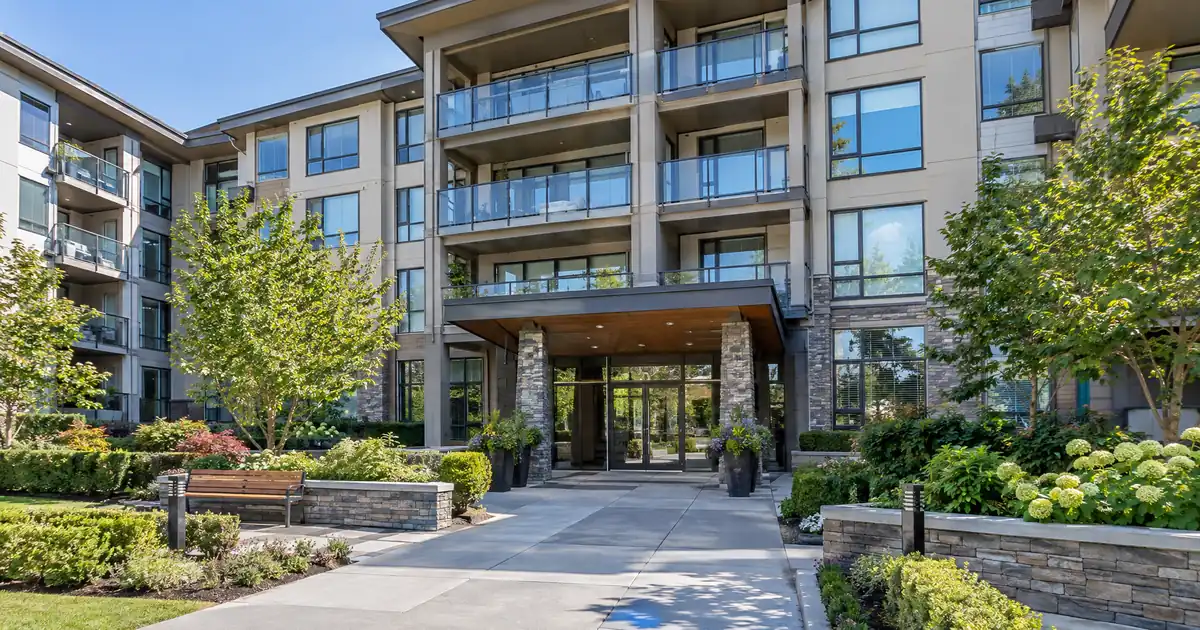
The Quick Read: It depends, and the deciding factor is the building, not you. A VA cash-out can go forward only if the condo project holds current VA approval when the loan closes. A lawsuit matters because it can stop a project from getting approved or keeping its approval. Three things decide the file: the project’s VA status, what the suit is about, and whether it threatens the HOA’s finances or the structure.
The Straight Answer
Maybe. A VA cash-out on a condo is available only when the project is on VA’s approved list or can be approved. Litigation is one of the items reviewed inside that project approval. VA does not carve out a separate exception for a cash-out, and no public VA text sets a bright-line threshold for how serious a suit has to be.
So the household can have clean credit and plenty of equity and still hit a wall. The wall is the building.
Why a Cash-Out Still Triggers a Condo Project Review
A cash-out is a new VA guaranty, so the project question comes back. The VA Lenders Handbook states that condominiums, unlike PUDs, must be approved by VA before any unit in the project is eligible for VA loan guaranty. That applies to any guaranty, refinances included.
The federal regulation says the same thing in different words. 38 CFR Part 36 requires that a condominium be determined acceptable by VA, and it adds that a condo acceptable to HUD or USDA may also be acceptable to VA. “May” is the word to watch. Check the VA list, not the FHA list.
A one-family condo loan is guaranteed to the same extent and on the same terms as other VA loans, per 38 CFR 36.4360. That means a condo gets the same program envelope as a house, plus the project test on top.
Here is the program envelope the wholesale network works inside. The VA cash-out reaches up to 100% of the appraised value, including the financed funding fee. It refinances any loan type into VA. It carries seasoning and a net tangible benefit requirement. There is no monthly mortgage insurance. The funding fee on a cash-out is 2.15% for first use and 3.3% for subsequent use, and it is waived for veterans receiving compensation for a service-connected disability and the other exempt groups. Residual income is the controlling underwriting test, and the 41% debt-to-income figure is a guideline, not a cap. All of this is subject to lender guidelines and full file review.
The VA Buyer’s Guide says an appraisal is mandatory on a cash-out. Unlike a streamline, you do not skip the appraisal, and the appraisal is where the unapproved-project problem surfaces.
How Do You Check the Project’s Status?
Start with the approved list before anything else. This is a more affordable step and it answers most of the question.
1. Have the lender look up the project. VA keeps a nationwide list of approved condominiums, reached through its appraisal system. The Handbook calls it the “Condominiums, Planned Unit Developments and Builders list.”
2. Read the status, not just the listing. A project can be approved, approved with conditions, or not on the list at all. A condition can tie to a lawsuit.
3. Check HUD or USDA acceptance as a secondary route. Projects accepted by those agencies are generally added to VA’s list. Lenders report that VA can still find in rare cases that such a project does not comply, so treat it as a lead, not an answer.
4. If the project is not listed, ask who submits. The lender or sponsor sends VA’s Office of Jurisdiction a written request for approval with the condominium’s organizational documents. VA’s counsel reviews them and the lender is notified.
One caution on that last step. VA circulars have described the move from paper to electronic submission, and the circular describing it has since been rescinded. Use it to understand the general flow, not as current procedure. Your lender will know today’s submission method.
How Reviewers Treat Different Kinds of Lawsuits
Not all litigation is the same, and the public rules do not sort it for you. The table below is practitioner judgment from how these files tend to read, not a published VA rule.
| Type of suit | Who is named | Typical effect on the file | Next move |
|---|---|---|---|
| Structural or construction defect | HOA or developer | Highest risk; often stops approval | Wait for resolution or pivot |
| Major financial claim against the HOA | HOA | Serious; threatens reserves | Get the HOA’s litigation statement |
| HOA suing a contractor over a repair | Contractor | Often less severe, still disclosed | Document the scope and insurance |
| Routine insured claim | HOA, insurer defending | Usually reviewed, may be minor | Confirm insurance coverage |
| Dispute over a single unit | One owner | Depends on project exposure | Ask the lender how it reads it |
Secondary sources describe structural defect and major financial suits as the highest risk, and that matches how files read in practice. Beyond that, the nature of the case and the HOA’s exposure decide it. Reviewers have discretion here.
One more layer. Lenders can set stricter standards than VA, particularly for construction-defect claims. A project VA could accept may still be turned away by a particular lender. That varies by lender, which is why a second lender’s read is sometimes worth getting.
How the Lender Finds Out About the Suit
It surfaces through the project documents. Expect these requests, which the HOA or its management company has to supply:
- The HOA’s litigation statement, describing any pending or threatened suits.
- The project questionnaire.
- The declaration, bylaws and budget.
- A plat or survey.
- A special assessment statement.
- Recent meeting minutes and financial statements.
The HOA is not obligated to hand these over, and that is where owner files stall. A slow or uncooperative board can hold up the whole file. Ask the management company early, in writing, and keep a copy of every request.
Be accurate with disclosures on your side too. A suit you know about that does not show up on paper tends to surface at the appraisal or title stage, which is a worse time.
What Happens at the Appraisal
The appraisal is ordered through VA’s system. On a condo VA has not approved, or where approval conditions remain open, the notice of value is conditioned. The lender is responsible for making sure the condo is acceptable to VA and that any special conditions are met.
Some lenders will not order the appraisal until the project is on the approved list. That is an operating choice, not a VA rule, but it means a stalled project holds the whole file in place.
The unit also has to meet VA minimum property requirements on its own. A building under litigation for deferred repairs can put the unit’s condition in play as well.
Decision Table: Where Your Building Stands
| Your situation | Can the cash-out proceed? | Next move |
|---|---|---|
| Approved, no new suit | Generally yes, subject to file review | Confirm status is current at closing |
| Approved, new suit filed | Open question | Ask lender whether status holds |
| Approved with conditions | Only if conditions are met | Get the conditions in writing |
| Not listed | Not until approved | Ask whether lender or sponsor can submit |
| Denied | No, for now | Wait, fix the issue, or pivot |
Status must be current when the loan closes. An approval that lapses or is withdrawn between application and closing can stop a refinance, even for a borrower who bought when the project was in good standing.
Two Short Scenarios
A localized suit. Picture a veteran who owns a unit in an approved building. The HOA is suing its roofing contractor over a repair on one wing. The project stays on the list and the HOA’s litigation statement shows insurance involved and no claim against the association. The lender reviews the statement, the budget and reserves, and confirms status. This kind of file can move forward, subject to the lender’s own overlay and full underwriting. It is not a promise. It is the profile that tends to read as manageable.
A structural suit. Say a different veteran’s building is facing a construction-defect claim over the foundation, with the HOA named as defendant and a special assessment on the table. Project approval is in doubt or has been withdrawn. The household’s credit and equity are fine and it does not matter. The options become waiting for resolution, re-checking status after a settlement, or a different path to the cash.
What If the Answer Is No, or Not Yet?
| Option | What it does | Trade-off |
|---|---|---|
| Wait and re-check | Lets the suit resolve or settle | Cash is delayed |
| Work with the HOA | Gets documents or conditions cleared | Depends on a board you do not control |
| VA streamline (IRRRL) | Refinances an existing VA loan to a lower rate or fixed | Not a cash source |
| Different loan product | May fund the cash need | Different terms, may carry mortgage insurance |
| Different property | Avoids the building | Only for buyers, not current owners |
On the streamline: sources conflict on whether it needs current project approval. One lender view says no new approval is needed because VA already accepted the unit. Another says current approved status is required. Confirm with your lender before assuming either. The streamline refinances an existing VA loan with no VA appraisal, a 0.5% funding fee unless exempt, a net tangible benefit, and seasoning of the later of 210 days from the first payment and the sixth payment. It lowers a rate or moves from adjustable to fixed. It does not pay you cash.
A cash-out, by contrast, is full underwriting and a full appraisal, so project status matters.
A Word on “Single-Unit Approval”
Some lender and blog pages describe a VA single-unit approval path. A plain-language summary of the Handbook could not verify any such path in an official VA circular or regulation. Other sources say VA has no spot approval.
Do not plan around a single-unit route. If a lender says it has one, ask what VA-documented authority it relies on.
Hidden Costs of Living in a Building With Litigation
Approval is not the only way a suit reaches your budget.
- Special assessments. A litigation-driven assessment can raise your housing costs. It would appear in the HOA’s litigation and assessment statements.
- HOA dues. Dues count in the debt picture, and high dues can push the ratio up. With VA, residual income is the controlling test, but dues still reduce it.
- Resale. A building that cannot get project approval narrows your pool of buyers, since the same problem hits the next VA borrower.
- Extra cost from delay. Waiting can mean repeat appraisals or lock extensions, and a cash-out you needed for a deadline may not arrive on time.
Other Reasons a Project Fails (Not the Lawsuit)
The same review can reject a project for unrelated reasons. 38 CFR 36.4350 bars a right of first refusal, a right of prior approval of a purchaser or tenant, unreasonable leasing restrictions, and minimum lease terms over one year, per a plain-language Handbook summary. Occupancy, delinquencies, reserves, insurance and the governing documents also count. If a litigation-free building was denied, the cause may be elsewhere.
PUDs are different. Only condominiums, not PUDs, need VA approval. Some lenders still screen PUD HOAs when litigation is disclosed, but that is a lender overlay, not a VA rule.
Questions to Ask the HOA and the Lender
Before you spend money on an appraisal, ask:
- Is the project on VA’s approved list today, and with what status?
- Does the HOA have pending or threatened litigation, and who is named?
- Is the claim covered by insurance?
- Is a special assessment planned?
- Will the HOA provide the full document package, and by when?
- Does this lender apply a stricter litigation standard than VA?
- If status changes before closing, what happens to the file?
Project approval is slow, and sources describe it as taking several months. No official figure was verified, so treat any specific promise with caution.
Key Terms Defined
Project approval: VA’s acceptance of the whole condominium development, not just your unit, as eligible for VA guaranty.
Notice of value: The document from VA’s appraisal that states the value used for the loan, which can carry conditions.
Litigation statement: The HOA’s written disclosure of pending or threatened lawsuits.
IRRRL: The VA streamline refinance, which lowers a rate or switches adjustable to fixed on an existing VA loan.
Residual income: What is left of monthly income after debts and living costs, the controlling VA underwriting test.
Seasoning: The minimum time after your first payment before you can refinance.
Frequently Asked Questions
Can I refinance if my building has been sued?
Possibly, if the project still holds current VA approval at closing. The suit does not automatically bar the loan, since no VA text found sets that rule, but a significant suit, especially over structure or major finances, can cost the project its approval. The lender’s own overlays can add to that.
Does a lawsuit over one unit matter to my cash-out?
It can matter. VA reviews the whole project, so exposure for the association matters more than whose unit is named. A dispute that does not threaten the HOA’s finances reads very differently from one that does. Ask the lender how it reads the specific case.
Does VA publish a lawsuit threshold?
No threshold appears in the VA text reviewed. Litigation is screened inside the project review, and reviewers have discretion. Treat any claim of a flat ban or flat allowance with caution.
Can I do a streamline instead if I already have a VA loan?
A streamline lowers a rate or fixes an adjustable loan, but it pays no cash. Whether it needs current condo approval is described differently by different sources, so confirm with your lender first.
What if the suit settles?
Once the case resolves, the project can be re-checked and the status updated. Ask the lender and the HOA for the settlement documents and have the status confirmed before you reapply.
If you are weighing a cash-out refinance against keeping the loan you have, Lendmire can help you compare the programs and the equity each one reaches. The VA cash-out refinance program page covers the program basics. Tax treatment can depend on your situation; borrowers should speak with a qualified tax professional before relying on any deduction or credit.
For your own numbers, request a scenario review with Lendmire.
About Lendmire
Lendmire is a mortgage brokerage (NMLS# 2371349) licensed for consumer mortgage lending in 16 states, arranging FHA, VA, conventional and jumbo purchase and refinance loans through a wholesale lending network. Eligibility is determined by the lender on each file. Scotsman Guide named Lendmire a Top Mortgage Workplace in both 2025 and 2026.
Get Started
Ready to find the right loan for you?
In about 30 seconds you can review financing options available for your home or investment property. No commitment required.
Informational only. Not a Loan Estimate, approval, or commitment to lend. Program availability and eligibility are subject to lender guidelines, credit approval, property review, and underwriting.
References
1. VA Pamphlet 26-7, Chapter 16
4. VA Home Loan Guaranty Buyer’s Guide
5. Plain-language summary of VA Handbook Chapter 16
This article is part of Lendmire’s VA Loans series — every loan program’s qualification details, guidelines, and scenarios live on the loan options page.
Related reading: Can a Veteran Use VA Cash-Out Money for a Remodel? · Can a VA Cash-Out on a Condo Skip the Appraisal? · Can a Veteran Get a VA Cash-Out in an Irrevocable Trust?
Brandon Miller
Founder & CEO, Mortgage Loan Originator, Lendmire LLC
- Mortgage Loan Originator · NMLS# 1129696 · Verify on NMLS Consumer Access
- North Carolina Real Estate Broker · License# 343312 · Verify on NCREC
- North Carolina Insurance Producer · License# 19053198 · Property, Casualty, Life, Health · Verify on NAIC SBS
- Lendmire LLC · Firm NMLS# 2371349 · Verify firm licensure
Required disclosures. Lendmire (NMLS# 2371349) operates as a licensed mortgage broker, not a direct lender or depository. The discussion in this article is general in nature and should not be relied upon as financial, legal, or tax advice — every investment scenario is unique and should be reviewed by a qualified professional. Any loan inquiry is subject to lender underwriting, and this article is not a commitment to lend or a guarantee of approval. Mortgage rates, loan terms, and program guidelines vary by borrower, property, and state, and may change without notice. Equal Housing Opportunity. Verify licensure at NMLS Consumer Access.