
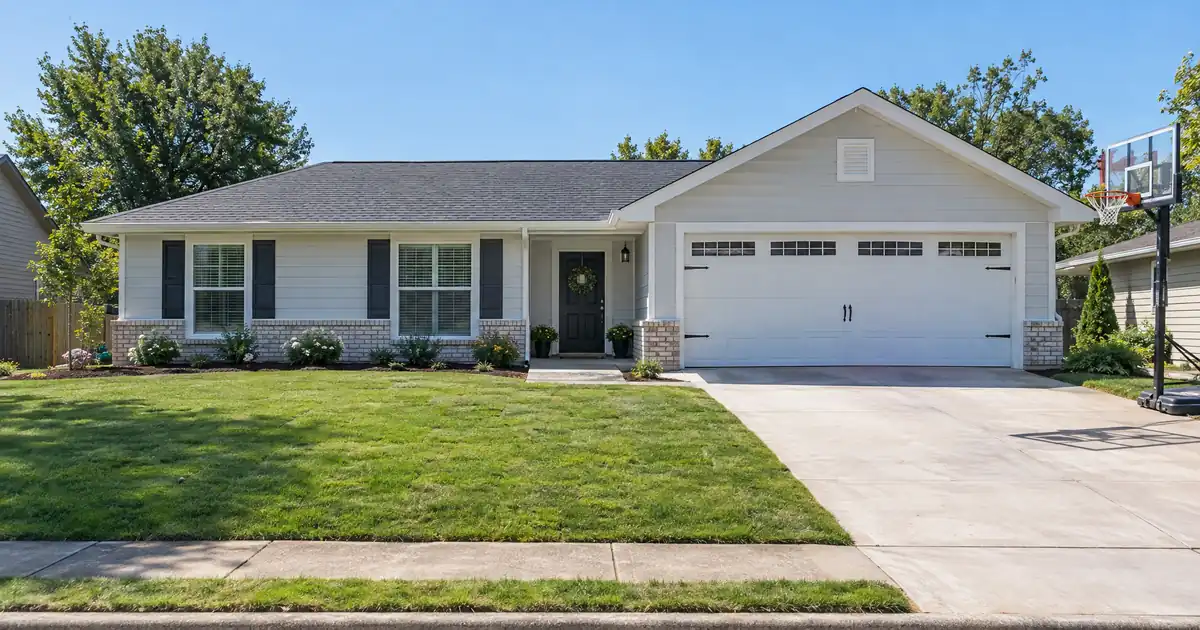
The Quick Read: Yes, as long as the property counts as a “second home” under conventional rules. The cap is tighter than on the home you live in: 75% of the appraised value, versus 80% on a one-unit primary residence. The property must be one unit, suitable for year-round use, and under your exclusive control. If it fails those tests, it gets treated as an investment property, and different limits apply.
What Counts as a Second Home?
A second home is a one-unit property you occupy for part of the year and control yourself. Fannie Mae’s occupancy rules say the home must be occupied by the borrower for some portion of the year, restricted to one unit, suitable for year-round occupancy, and under the borrower’s exclusive control.
That last test trips people up. If a management company decides who stays there and when, or the home sits in a rental pool, it falls outside the definition. Timeshares fail too. This is a common reason a “vacation home” gets reclassified.
Renting it out now and then does not automatically disqualify you. The loan can still be delivered as a second home if the rental income is not used to qualify. You just can’t count that income toward your approval.
Occupancy decides the leverage, so be honest about how you use the place. Misstating it is the fastest way to sink a file.
How Much Can You Borrow?
Across the wholesale programs I arrange conventional files through, the cash-out limit is 80% of value on a one-unit primary residence. On second homes, it drops to 75%.
Fannie Mae’s Eligibility Matrix lists the same 75% for a one-unit second-home cash-out. Freddie Mac lists second homes as eligible for cash-out too and sets its limits in Guide Chapter 4203. They are broadly aligned with Fannie’s.
Here is a number people mix up. Second homes can reach 90% leverage on a purchase. That figure does not apply to a cash-out. It also shows up as the cap on a limited cash-out refinance, which is a no-cash-out product. Different transaction, different ceiling. Terms depend on the lender’s guidelines, the property type, the leverage, and a full review of the credit profile.
| Transaction | Primary residence | Second home |
|---|---|---|
| Purchase | 95% (97% first-time buyer) | 90% |
| Cash-out refinance | 80% | 75% |
The 75% cap includes the new first mortgage plus any remaining second liens. Say you own the vacation home free and clear. A new loan on a home with no lien still counts as cash-out, and it still stops at 75%.
Equity is the real limit. If you need more cash than 75% allows, a conventional cash-out on the second home will not deliver it. Even the CFPB notes that no equity option lets a homeowner turn all of their equity into cash.
What Is a Cash-Out Refinance, Exactly?
A cash-out refinance replaces your current first mortgage with a larger one. The difference comes to you as cash. Fannie Mae’s cash-out rules describe it as a new first mortgage that pays off existing mortgages on the same property, or a new mortgage on a property with no lien.
The new loan can pay off the old first mortgage, finance closing costs, pay off second liens of any age, and put equity in your hands for any purpose. A HELOC is different. It sits on top of the loan you already have rather than replacing it.
Seasoning: How Long Before You Can Cash Out?
Seasoning is the waiting period between buying a property and refinancing it. Two clocks run at once on the programs I see.
- The existing loan: The first mortgage being paid off must be at least 12 months old, measured from note date to note date.
- Title: At least one borrower must have been on title for six months.
Freddie Mac’s Guide Section 4301.5 uses the same two tests.
Bought the vacation home with cash? Delayed financing is the named exception. It lets you skip the title wait if you refinance soon after a cash purchase. The purchase must have been arm’s-length, and you must document where the purchase money came from. The new loan is still cash-out, still capped at the cash-out limit, and limited to what you documented putting in, plus financed costs.
Inherited or legally awarded property has its own exceptions. Ask your loan officer how they apply to your situation.
Who Qualifies?
Your file is run through automated underwriting, and the finding governs most loans. On the wholesale conventional programs, the floor is a 620 decision score, and the total debt-to-income ceiling is 50%. Those figures are subject to lender guidelines and full file review. Some lenders set a higher floor on second homes.
Three things matter most on this kind of loan.
Debt-to-income. Your vacation-home payment counts in full, alongside your primary housing payment. Rental income cannot offset it. Your other income has to carry both homes. This is where borrowers with several mortgages hit a wall.
Reserves. Reserves are savings left over after closing. Fannie Mae’s matrix says minimum reserves apply on cash-out files with a DTI above 45%. Reserves also rise when you have multiple financed properties and the loan is on a second home. The exact number comes from the automated finding, so I can’t promise one. Cash from the refinance on the subject property generally can’t count as your reserves. Keep savings outside the deal.
The appraisal. Your cash depends on appraised value. A low appraisal cuts the cap, though not dollar for dollar. Value comes in $20,000 short and the maximum loan shrinks by 75% of that gap. Run your own numbers before you apply.
Pricing also works differently. Cash-out loans carry price adjustments based on credit score and leverage, which Fannie Mae publishes in its LLPA Matrix. Second-home cash-out generally costs more than a primary-home refinance. I won’t quote a number here, because your Loan Estimate is where real pricing shows up.
Edge Cases That Change the Answer
- Two-unit “vacation” property. Fannie limits second homes to one unit. A duplex doesn’t fit.
- Manufactured homes. Cash-out limits are lower, and single-width homes aren’t eligible for cash-out at all.
- Temporary buydowns. A loan with a temporary rate buydown is ineligible as a cash-out transaction.
- Community Seconds. These aren’t permitted on second homes or cash-out refinances.
- Many financed properties. Both agencies cap how many financed properties a borrower can hold. Extra reserves apply well before the cap.
- Loan size. The loan must fit within the FHFA conforming limit, and that limit varies by county. Check your county before you plan around a figure.
Misconceptions That Cost Borrowers Time
1. “90% is what I can borrow.” No. 90% belongs to purchases and limited cash-out refinances.
2. “Any vacation home is a second home.” It must be one unit, usable year-round, and under your control.
3. “Renting it makes it an investment property.” Not automatically. But rent can’t be used to qualify.
4. “I can cash out right after I buy.” Seasoning applies. Delayed financing waives only the title wait, and only for documented cash purchases.
5. “The cash-out counts as my reserves.” Generally not on the subject property.
Is It a Good Idea?
It depends on what you do with the money. The CFPB found that the most common use of cash-out funds is paying other debts. It also warns that paying non-mortgage debts with mortgage debt can raise the risk of foreclosure.
A cash-out also resets your loan terms. A larger loan replaces the current one, which can lengthen your payoff and raise your monthly payment. Closing costs usually apply, and they reduce the cash you actually receive.
Honestly, it’s a toss-up in some cases. If you hold a low-cost first mortgage on this home, replacing it just to pull cash may cost more than a HELOC or second mortgage that leaves the first loan alone. If you hold a high-cost first loan anyway, a cash-out may be the cleaner route. Compare the whole package.
Tax treatment can depend on your situation; borrowers should speak with a qualified tax professional before relying on any deduction or credit.
Steps to Follow
1. Confirm the home meets the second-home test, with no rental pool or management control.
2. Check seasoning: first mortgage age and time on title.
3. Estimate value, then apply the 75% cap to the combined balance of all liens.
4. Review your debt-to-income with both homes counted.
5. Plan reserves outside the refinance proceeds.
6. Apply, and compare the Loan Estimate and Closing Disclosure line by line.
For a look at how this works on a primary-home loan, see Lendmire’s cash-out refinance programs. For more on this topic, Lendmire’s piece Conventional Cash-Out Refinance Requirements for a Vacation Home goes deeper on the second-home rules.
Key Terms Defined
Second home: A one-unit property you occupy part of the year, suitable for year-round use and under your control.
LTV (loan-to-value): The loan balance divided by the appraised value. Higher LTV means less equity left in the home.
Seasoning: The waiting period before you can refinance, counted from the existing loan’s note date or your time on title.
Reserves: Savings you hold after closing, counted in months of housing payments.
Delayed financing: An exception that lets you cash out soon after a cash purchase, based on documented funds.
Frequently Asked Questions
What is the maximum cash-out on a vacation home?
75% of the appraised value for a one-unit second home, including any remaining second liens. The primary residence cap is 80%. Subject to lender guidelines.
Can I rent my vacation home and still do a cash-out refinance?
Yes, if the occupancy test is still met and nobody else controls when you can use it. The rental income can’t count toward qualifying. Pooled rentals and managed-occupancy arrangements fall outside the second-home definition.
Can I use the cash for anything?
Generally yes. The rules allow taking equity out for any purpose. Just keep in mind that your plan should fit your budget, since the new loan is larger than the old one.
Does a cash-out approval on one home approve a loan on another?
No. Each loan is its own file. Buying a second property with your cash-out means qualifying again, with both payments counted in your debt-to-income.
Can I cash out on a vacation home I own free and clear?
Yes. A new loan on a home with no lien counts as cash-out and carries the same 75% cap and seasoning review.
If you are weighing a cash-out refinance against keeping the loan you have, Lendmire can help you compare the programs and the equity each one reaches. Program figures are subject to lender guidelines and full file review, and nothing here is a commitment to lend.
For your own numbers, request a scenario review with Lendmire.
About Lendmire
Lendmire, NMLS# 2371349, is a mortgage brokerage with consumer lending licenses in 16 states. FHA, VA, conventional and jumbo purchase and refinance loans are arranged through wholesale lending partners, and each application is reviewed individually by the lender. Scotsman Guide named Lendmire a Top Mortgage Workplace in both 2025 and 2026.
For the program’s current guidelines, see conventional loan programs.
Get Started
Ready to find the right loan for you?
In about 30 seconds you can review financing options available for your home or investment property. No commitment required.
Informational only. Not a Loan Estimate, approval, or commitment to lend. Program availability and eligibility are subject to lender guidelines, credit approval, property review, and underwriting.
References
1. Fannie Mae Selling Guide: Occupancy Types
2. Fannie Mae Eligibility Matrix
3. Freddie Mac Cash-out Refinance product page
4. CFPB: Using Your Home Equity
5. Fannie Mae Selling Guide: Cash-Out Refinance Transactions
6. Freddie Mac Guide Section 4301.5
7. Fannie Mae Eligibility Matrix (alternate version)
8. LLPA Matrix
9. CFPB: CFPB Report Finds Cash Out Mortgage Refinance Borrowers Improve Credit Scores
This article is part of Lendmire’s Conventional Loans series — every loan program’s qualification details, guidelines, and scenarios live on the loan options page.
Related reading: Conventional Cash-Out Refinance Requirements for a Vacation Home · Conventional Cash-Out Refinance Electronic Verification Rules · Conventional Cash-Out Refinance Rules for a Texas Homestead
Brandon Miller
Founder & CEO, Mortgage Loan Originator, Lendmire LLC
- Mortgage Loan Originator · NMLS# 1129696 · Verify on NMLS Consumer Access
- North Carolina Real Estate Broker · License# 343312 · Verify on NCREC
- North Carolina Insurance Producer · License# 19053198 · Property, Casualty, Life, Health · Verify on NAIC SBS
- Lendmire LLC · Firm NMLS# 2371349 · Verify firm licensure
Disclosures. The information presented in this article is general market commentary, not financial, legal, or tax advice. Lendmire is a mortgage brokerage (NMLS# 2371349) — not a direct lender or depository institution — and loan placement is subject to lender underwriting. Nothing in this content represents a commitment to lend. Loan terms, pricing, and program availability vary based on borrower qualifications, property characteristics, and state of subject property, and are subject to change at any time. Lendmire complies with Equal Housing Opportunity requirements. Consumer access: nmlsconsumeraccess.org.