
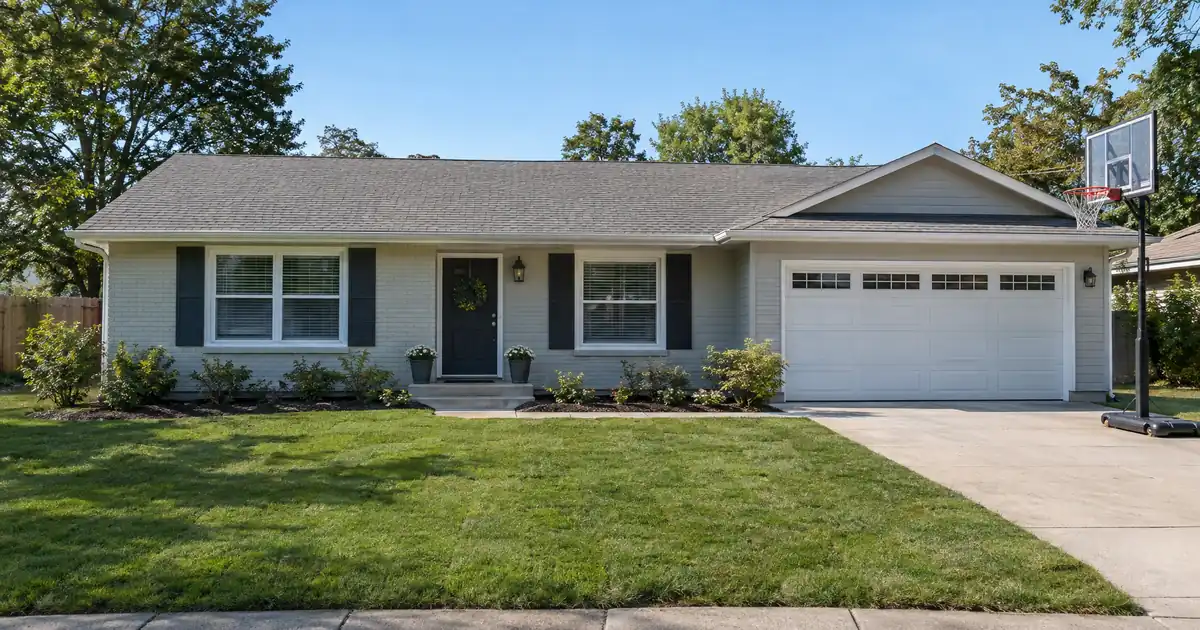
The Quick Read: Usually not right away. On a conventional loan, a recent buyer generally needs six months on title, and the mortgage being paid off must be about a year old, counted from note date to note date. Cash buyers, heirs, and people awarded a home in a divorce have paths that skip part of the wait. Which clock applies depends on the loan type, and the answer changes the plan.
Which Clocks Decide Whether a Recent Buyer Can Cash Out?
Two clocks run on a conventional cash-out refinance, and most confusion comes from mixing them up. The first is title time: how long a borrower has owned the home. The second is the age of the loan being paid off. Both must be satisfied.
Across the wholesale programs Lendmire places files with, the standard conventional cash-out requires a borrower on title for 6 months, and the first mortgage being paid off must be at least 12 months old. The two clocks start on different dates. Title time starts at closing on the purchase. Loan age starts at the note date of the purchase mortgage.
A buyer who closed with a mortgage three months ago fails both tests. A buyer who closed seven months ago passes the title test but still fails the loan-age test. That second case is where files get stuck, because the borrower did the “six months” math and stopped.
Fannie Mae’s Selling Guide sets the six-month title rule and lists the exceptions. It measures that time to the disbursement date of the new loan, not the application date. Freddie Mac measures to the note date. A closing that lands close to the six-month mark can pass under one measure and miss under the other.
Key Terms Defined
Cash-out refinance: A new mortgage that pays off the old one and gives you the leftover equity as cash.
Seasoning: The minimum time you must own the home or hold the loan before a lender will allow a given refinance.
Limited cash-out (rate-and-term) refinance: A refinance that pays off the existing loan and closing costs, with only small incidental cash back.
LTV (loan-to-value): The new loan balance as a percentage of the appraised value.
Delayed financing: A conventional exception that lets someone who bought with cash take cash out before the usual title wait ends.
Note date: The date you sign the mortgage note. Loan age is counted from it.
How Is a Cash-Out Refinance Underwritten, Step by Step?
A cash-out refinance is a full-documentation loan. The lender reviews credit, income, assets, and the property from scratch. Here is how a typical file moves.
1. Clock check. The loan officer confirms title time, the age of the first mortgage, occupancy, and payment history. This step decides whether the file can start at all.
2. Application and Loan Estimate. The lender issues a Loan Estimate showing estimated closing costs and cash to close. Cash-out costs come out of the same equity as your proceeds.
3. Underwriting. Credit, income, employment, and assets get documented. The wholesale conventional programs start at a 620 decision score, and the automated finding governs most files, with a total ratio ceiling of 50%. These figures are subject to lender guidelines and full file review.
4. Appraisal. The appraisal sets the value that the LTV cap applies to. On a recent purchase, the appraisal and the price paid can differ. A low appraisal shrinks the cash, and sometimes it erases it.
5. Payoff and proceeds. The new loan pays off the old first mortgage, then closing costs. What remains goes to the borrower. The cash you receive is always a net number.
6. Closing Disclosure and right to cancel. The final figures arrive on the Closing Disclosure. On a primary residence refinance, the CFPB explains that you then have three business days to cancel in writing before funds are released.
What Does the Equity Cushion Look Like?
Conventional cash-out on a one-unit principal residence tops out at 80% LTV. Two- to four-unit principal residences, second homes, and investment properties top out at 75%. Fannie Mae’s Eligibility Matrix publishes these caps by occupancy and unit count. Final terms depend on the lender’s guidelines, the property type, and the borrower’s complete credit picture.
Now compare that to what a recent buyer owns. Someone who bought with 5% down starts near 95% LTV. To cash out at 80%, the home has to appreciate and the balance has to drop enough that the new loan, including closing costs, fits under the cap. A buyer with 3% down has an even longer climb. Each figure is subject to lender guidelines and a complete review of property type, leverage, and credit.
So the seasoning clock is often not the only barrier. For many recent buyers, equity is the real wall. The waiting period can pass and the math can still produce little or no cash.
One wholesale lane reaches 89.99% LTV with no mortgage insurance on a thirty-year fixed primary residence at a 680 score and a 50% ratio, within a conforming balance. It carries its own six months of seasoning. It is not written on a Texas homestead, where the state constitution caps cash-out at the agency figure. Subject to lender guidelines, that lane is worth a look for borrowers with strong credit and a fresh appraisal.
Timing by Loan Type
The rule changes with the program. This table sets out what is measured on each.
| Loan type | What the clock measures | Cash out? |
|---|---|---|
| Conventional cash-out | 6 months on title; first mortgage 12 months old | Yes, to 80% LTV on one unit |
| Delayed financing | Waives the title wait for cash purchases | Yes, capped by documented investment |
| FHA cash-out | Ownership and occupancy history, payment history | Yes, with lender-confirmed limits |
| FHA Streamline | Payments made and time since the loan closed | Essentially no cash back |
| VA cash-out | Occupancy; eligibility certificate | Yes, on your own residence |
| VA IRRRL | Later of 210 days and 6 payments | No cash-out product |
On FHA, the details of the ownership window and the loan cap come from the HUD handbook, and they have changed over the years. HUD’s Mortgagee Letter 2009-08 is an earlier HUD notice that tied the loan amount to how long the borrower had owned the home. Its percentages are superseded, so ask a loan officer to confirm the current limit against the current handbook before you plan around any figure.
On VA, the VA’s cash-out page says a VA-backed cash-out can pull equity or move a non-VA loan into a VA loan. It requires a Certificate of Eligibility and that you live in the home. The IRRRL, the VA streamline, is VA-to-VA only. Its seasoning is the later of 210 days and 6 payments, with a 0.5% funding fee unless exempt, no VA appraisal, and a net tangible benefit requirement.
The FHA Streamline works the same way in spirit. It applies to an existing FHA loan, needs no appraisal and only a limited credit review, and must show a net tangible benefit. It is built to change the loan, not to hand you cash.
Where the General Rule Breaks
Several situations skip or change the six-month wait.
Delayed financing. Fannie Mae allows a cash-out refinance within six months of purchase when the buyer paid cash. The purchase must be arm’s-length. The settlement statement must show no mortgage financing. A title search must show no liens, and the source of funds must be documented. The new loan is generally limited to the documented initial investment plus certain costs, within the usual LTV caps. It is still priced and underwritten as cash-out. It waives the title wait only.
The common failure here is a borrower who used a hard-money or purchase-money loan secured by the home. That generally disqualifies the file. Gift funds are generally not reimbursable either. Lenders also want the paper trail on the cash that bought the house, so bank statements matter.
Inheritance and legal awards. No waiting period applies under Fannie Mae when the borrower inherited the home or was legally awarded it in a divorce, separation, or dissolution of a domestic partnership.
Trusts and entities. Time held in a revocable trust can count toward title time when the borrower is the trust’s primary beneficiary, according to an archived version of Fannie Mae’s guide. That version is older, so confirm current wording before relying on it.
A home with no mortgage. Borrowing against a free-and-clear home is still treated as cash-out. Owning it outright does not make it a rate-and-term loan.
Rental or second-home occupancy. Occupancy sets leverage: second homes and investment properties carry the lower 75% cap on conventional cash-out, and FHA and VA cash-outs are for your own residence. That is as far as this article goes on that point.
What If You Only Need a Rate-and-Term Refinance?
Some recent buyers do not need cash. They want a different term or a better structure. A limited cash-out refinance skips the cash-out title clock and has different leverage rules.
On a one-unit principal residence, the wholesale programs reach 95% LTV on this type of loan, and 97% where the existing loan is agency-owned and the first-time-buyer program allows it. The new loan pays off the existing first mortgage, the closing costs, and a purchase-money second lien. Cash back is limited to small incidental amounts. Mortgage insurance applies above 80% LTV. Leverage, reserves, and pricing vary by lender and program; the final terms follow the full file review.
This route matters for buyers who closed with a purchase-money second. Combining the first and second into one loan can fit a limited cash-out refinance, while the same file would fail as a cash-out.
Mortgage insurance has a defined endpoint. You can request cancellation at 80% of the original value, given good payment history, no subordinate liens, and no decline in value. The servicer must end it automatically at 78%, under the Homeowners Protection Act.
Which Situation Are You In?
| Situation | Likely path |
|---|---|
| Bought with a mortgage 3 months ago | Wait; neither clock is met |
| Bought with a mortgage 8 months ago, small down payment | Title clock met; check loan age and equity |
| Bought with cash 2 months ago | Delayed financing may apply |
| Inherited the home | No title wait under Fannie Mae |
| Awarded the home in a divorce | No title wait under Fannie Mae |
| Need to combine a first and second only | Limited cash-out may fit |
One practitioner note. On files like these, the most common surprise is the appraisal. A buyer assumes the home is worth what was paid, or more. The appraisal comes in near the contract price, the LTV cap does its work, and the cash is far smaller than expected. Run the equity math at the price you paid before you spend time on the application.
Is It Worth Doing Soon After Buying?
Often not. A cash-out replaces the entire first mortgage with a larger balance. The term usually restarts, and the monthly obligation usually goes up. Conventional cash-out also carries loan-level pricing that is higher than rate-and-term, and closing costs come from the same pot as your proceeds.
The honest test is whether the cash earns more than the refinance costs you. Paying down higher-cost debt or funding a repair that protects the home’s value can pass that test. Funding a purchase you could delay usually does not.
Tax treatment can depend on your situation; borrowers should speak with a qualified tax professional before relying on any deduction or credit.
If you are not eligible yet, you have options. Waiting lets equity build through payments and appreciation. You can also ask whether a limited cash-out fits your actual goal. Lendmire’s piece When Should You Cash Out Refinance? walks through that decision.
Lendmire arranges these loans through its wholesale lenders as a mortgage broker. Its cash-out refinance programs cover conventional cash-out and sit alongside the FHA, VA, and jumbo lanes. Above the conforming limit, the jumbo lanes take over, with a 660 decision score, leverage to 90%, and a 50% ratio ceiling on the fixed lanes. Each is subject to lender guidelines and full file review.
Common Mistakes
- Counting only one clock. Six months on title does not satisfy the 12-month loan-age test.
- Assuming equity overrides seasoning. Plenty of equity does not remove the waiting period.
- Treating delayed financing as seasoning-free. It waives the title wait only, and it is priced as cash-out.
- Using FHA Streamline for cash. It is not a cash-out product.
- Counting the VA 210 days from closing. The count runs from the first payment due date on the loan being refinanced.
- Canceling by phone. Rescission requires written notice.
- Assuming the appraisal will match the contract price. It sets the LTV base, not your purchase price.
What Documents Does a Recent Buyer Need?
Have these ready before you apply:
- Deed or title evidence
- Mortgage statements on the existing loan
- The settlement statement from the purchase
- Bank statements that show the source of funds, which delayed financing requires
- Income and asset records for the full-documentation review
Frequently Asked Questions
Can I cash-out refinance right after buying a home?
Not on a standard conventional loan. You generally need six months on title, and the first mortgage must be about 12 months old. Cash buyers can use delayed financing, and heirs and divorce awardees skip the title wait.
Does delayed financing mean no waiting rules?
No. It waives the title wait for cash purchases only. The loan is still underwritten and priced as cash-out, and the amount is generally limited by the documented investment plus certain costs.
Can an FHA Streamline give me cash?
Essentially no. It is built for an existing FHA loan, with limited credit review and a net tangible benefit test. Cash back, if any, is small incidental money.
How do the VA seasoning days count?
For a VA-to-VA IRRRL, the test is the later of 210 days and six payments. The count generally runs from the first payment due date on the loan being refinanced, not the closing date. Refinancing a non-VA loan into a VA loan does not use that test.
What happens after I sign the refinance?
On a primary residence, you have three business days to cancel in writing before funds are released. The right to cancel starts only after you sign the note, receive the Truth in Lending disclosure, and receive two copies of the notice. A phone call does not count.
If you are weighing a cash-out refinance against keeping the loan you have, Lendmire can help you compare the programs and the equity each one reaches.
For your own numbers, request a scenario review with Lendmire.
For current guidelines and terms, see Lendmire’s refinance programs page.
About Lendmire
As a mortgage broker (NMLS# 2371349), Lendmire helps homeowners and home buyers in 16 states with FHA, VA, conventional and jumbo purchase and refinance loans arranged through wholesale lenders. Lendmire is never the lender; program terms are set by the lender and the agency guidelines. Scotsman Guide named Lendmire a Top Mortgage Workplace in both 2025 and 2026.
Get Started
Ready to find the right loan for you?
In about 30 seconds you can review financing options available for your home or investment property. No commitment required.
Informational only. Not a Loan Estimate, approval, or commitment to lend. Program availability and eligibility are subject to lender guidelines, credit approval, property review, and underwriting.
References
1. Fannie Mae Selling Guide B2-1.3-03, Cash-Out Refinance Transactions
3. Fannie Mae Eligibility Matrix
4. HUD Mortgagee Letter 2009-08, Limits on Cash-Out Refinances
This article is part of Lendmire’s cash-out refinance program — full qualification details, guidelines, and scenarios live on the program page.
Related reading: Cash-Out Refinance for Homeowners Who Cashed Out Before · Can You Refinance a Cash-Out Refinance Again Later? · How to Get the Most From a Cash-Out Refinance on Your Home
Brandon Miller
Founder & CEO, Mortgage Loan Originator, Lendmire LLC
- Mortgage Loan Originator · NMLS# 1129696 · Verify on NMLS Consumer Access
- North Carolina Real Estate Broker · License# 343312 · Verify on NCREC
- North Carolina Insurance Producer · License# 19053198 · Property, Casualty, Life, Health · Verify on NAIC SBS
- Lendmire LLC · Firm NMLS# 2371349 · Verify firm licensure
Legal disclosures. Lendmire (NMLS# 2371349) is a state-licensed mortgage brokerage that arranges financing through wholesale lender relationships. Lendmire is not a direct lender, depository institution, or registered financial advisor. The discussion above is general informational content about real estate financing — it is not financial, legal, or tax advice, and readers should consult licensed professionals for guidance on their individual circumstances. Loan inquiries are subject to lender underwriting; this article does not represent a commitment to lend. Loan terms, rates, and qualification standards vary by borrower, property, and state, and are subject to change at any time. Equal Housing Opportunity. NMLS Consumer Access: nmlsconsumeraccess.org.