
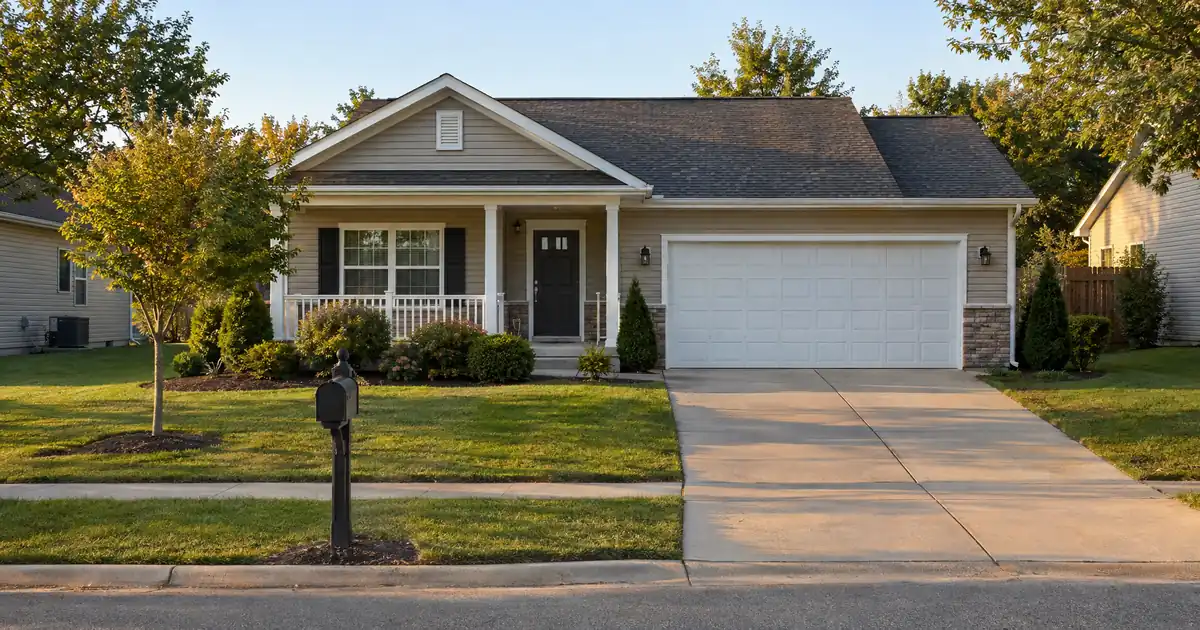
The Quick Read: Yes, on a conventional loan, with tighter limits than a primary home. A one-unit second home can carry a cash-out refinance, and the cap is 75% loan-to-value, against 80% on a primary residence. The FHA Streamline and VA streamline refinance are not cash-out products. Appraised value, payoff balance, seasoning, and debt ratios decide how much comes out.
What Is the Direct Answer?
Yes. Fannie Mae’s Eligibility Matrix lists cash-out refinance as an allowed transaction on a second home, one unit only. The maximum is 75% LTV. A principal residence gets 80%. That five-point gap means more equity stays in the second home. Final terms depend on lender guidelines, property type, leverage, and the borrower’s complete credit picture.
Check the current matrix before you plan around any figure. Agency limits get revised, and every number here is subject to lender guidelines and full file review. Nothing here is a commitment to lend.
Across the wholesale programs Lendmire places files with, the second-home cash-out follows the same envelope: 75% on a second home, and the same cap applies to two- to four-unit principal residences. Occupancy decides the leverage. A property you use personally and keep for your own enjoyment is a second home. A property held for rental income is priced and capped as an investment property, which is a different loan.
How Does Cash-Out on a Second Home Work?
A cash-out refinance replaces your current first mortgage with a new, larger one. The new loan pays off the old balance and any closing costs rolled in, and you receive the difference. Your old rate and term go away. That is the mechanical tradeoff, and it is the first thing to weigh.
The sequence on a typical file:
1. Confirm the transaction type. A new first mortgage that pays off existing loans and returns cash is a cash-out refinance. So is a new loan on a property with no lien at all. The Fannie Mae Selling Guide defines both.
2. Order the appraisal. Appraised value is the denominator in the LTV test. The cap applies to the first mortgage plus any other liens, so a HELOC or second mortgage counts against your limit.
3. Check seasoning. Two clocks run separately, covered in the next section.
4. Document the file. The lender asks for title evidence, current mortgage statements, bank statements, and income documents.
5. Review the Loan Estimate. Because this is a consumer mortgage, you receive a Loan Estimate and later a Closing Disclosure. Compare them line by line.
6. Sign and disburse. Ask your loan officer whether the three-day right to cancel applies to your property (more on that below).
What Seasoning Rules Apply?
Two separate clocks apply, and mixing them up is a common reason a cash-out file stalls.
The first mortgage being paid off must be at least 12 months old, measured from the existing note date to the new note date. The Fannie Mae guide exempts subordinate liens from that test. Separately, at least one borrower must have been on title for six months before the new loan’s disbursement date, per the same Selling Guide section.
That title clock does not start at application. A file that applies at month five and a half can still miss, because the test is run against the disbursement date.
What Are the Exceptions?
Several situations bypass the wait or change the rules.
- Delayed financing. If you bought the home with cash, you can take cash out before six months on title. The original purchase must be arm’s-length, and a settlement statement must show no mortgage financing. The buyer of record can be an entity in which you hold 100% ownership. This is the concept in Fannie’s archived delayed financing guidance. Treat it as the concept, and have your loan officer confirm current terms.
- Inheritance or legal award. If you received the property through inheritance, or a divorce or separation award, the lender can waive the six-month title wait with documentation.
- Free and clear. A property with no existing lien can still take a cash-out loan.
- Manufactured homes. Fannie publishes separate limits in its Manufactured Housing Product Matrix. Those limits are lower for some structures, and the page is older, so confirm current limits.
- Homes listed for sale. Older agency guidance required a listing to come off the market on or before disbursement. Verify the current rule before relying on it.
Community Seconds are not permitted on second homes or on cash-out refinances.
Why Won’t an FHA Streamline or VA IRRRL Get You Cash?
Because they are rate-reduction products, not equity products. The FHA Streamline is built to lower payments on an existing FHA loan, with no cash back beyond minor adjustments, according to the archived HUD handbook chapter. The VA IRRRL exists to lower the rate on an existing VA loan or move an adjustable rate to a fixed one, as summarized in the FDIC’s VA guide.
The VA cash-out refinance is a separate product with its own occupancy certification. Check VA.gov for current terms. If you hold an FHA or VA loan and want cash, the path is a conventional cash-out, which ends the government loan.
How Much Cash Can You Actually Take?
Less than the matrix ceiling implies. The formula is simple: appraised value times the LTV cap, minus the payoff of every lien the new loan retires, minus closing costs. What remains is your cash.
Run it as percentages. Say a second home appraises at a given value and carries an existing balance equal to 50% of that value. At a 75% cap, the new loan can reach up to 75% of value, which leaves room for equity of about 25 points of value, less costs. On a primary home at 80%, the same borrower would reach five points further.
Three things shrink the number:
- A second lien. The cap covers the first and any other liens together. A HELOC balance eats into your room unless it is paid off in the transaction.
- A low appraisal. Vacation markets can produce thin comparables. If value comes in light, the cash drops dollar for dollar at the cap.
- Closing costs rolled into the balance. Anything financed reduces what you receive.
The Consumer Financial Protection Bureau says lenders typically want you to keep 10% to 20% of home value as equity across home-equity products. That guide is older and general, but it shows why the cap is a ceiling, not a target.
What Does the Lender Look At?
| Factor | What the reviewer checks |
|---|---|
| Occupancy | Second home vs. investment use |
| Property type | One unit only for second-home cash-out |
| Seasoning | 12-month loan age, 6-month title |
| Credit | Wholesale conventional programs start at a 620 decision score |
| Debt ratio | Automated finding governs; total ratio ceiling of 50% |
| Reserves | Higher DTI can trigger a six-month reserve requirement |
| Value | Appraisal against the 75% cap |
On Desktop Underwriter files, a DTI above 45% triggers a six-month reserves requirement under the Selling Guide. Reserves documentation is where files slow down: you need to show liquid funds in statements, and funds that moved recently need a paper trail.
Pricing also sits higher. Fannie publishes loan-level price adjustments by credit score and LTV, with separate tables for cash-out loans. Your Loan Estimate shows the actual cost.
How Is a Second Home Different From a Rental?
Occupancy decides it. A second home is a one-unit property you occupy for part of the year and keep primarily for personal use. Under the parameters in this lane, second homes and investment properties both cap at 75% on cash-out, but the underlying rules differ: second-home limited cash-out is allowed up to 90%, while investment property follows its own, tighter limits. Rental income generally cannot be used to qualify on a second home.
If you plan to rent it regularly, tell the loan officer up front. Misclassifying occupancy is a file problem, not a technicality.
What Does It Do to Your Budget and Risk?
The new loan is larger, so the monthly obligation changes, and you reset the term. Run the numbers on both homes before you commit. Carrying two properties raises your debt ratio, and the new loan’s payment counts in the next qualification you do.
Debt consolidation deserves caution. A CFPB report found paying off other debts was the most common reason for cash-out, and that moving non-mortgage debt onto mortgage debt can raise foreclosure risk.
On cancellation: a refinance of a principal residence carries a right to cancel until midnight of the third business day, as the CFPB’s right of rescission page explains. That right is generally tied to a principal dwelling. Ask your loan officer whether it applies to your second home before you assume you have it.
Tax treatment can depend on your situation; borrowers should speak with a qualified tax professional before relying on any deduction or credit.
Key Terms Defined
Cash-out refinance: A new first mortgage that pays off the old loan and gives you the leftover equity as cash.
Limited cash-out (rate-and-term) refinance: A refinance that pays off the old loan and costs, with only incidental cash back.
LTV (loan-to-value): The loan balance divided by the appraised value.
CLTV: The same ratio, counting all liens on the property.
Seasoning: The minimum time you must hold the loan or the title before cashing out.
Delayed financing: An exception that lets a cash buyer take cash out before the title wait ends.
Should You Do It?
Compare against alternatives. A HELOC or second mortgage leaves your first loan alone, which matters if your current terms are worth keeping. Cash-out on a primary home reaches 80% LTV but puts your residence behind the new loan. Savings cost nothing to borrow. Each fits a different goal. These specifics are subject to lender guidelines and a full review of property, leverage, and credit.
If you want to see how a cash-out fits the whole picture, Lendmire’s cash-out refinance programs page lays out the options.
Frequently Asked Questions
How long must I own a second home before I can cash out?
Six months on title for at least one borrower, measured to disbursement on Fannie Mae loans. The existing first mortgage must also be at least 12 months old. Cash buyers, inheritances, and legal awards have exceptions with documentation.
Is the maximum loan-to-value different for a second home?
Yes. A conventional cash-out on a one-unit second home caps at 75%, against 80% on a primary residence. Limited cash-out on a second home reaches 90%. Confirm against the current matrix.
Can I get cash out with an FHA Streamline or VA IRRRL?
No. Both are rate-reduction products on existing government loans. A conventional cash-out refinance is the route, and it replaces the government loan.
Does the three-day right to cancel apply to a second home?
It is generally tied to a principal dwelling, so it may not. Ask your loan officer before assuming it applies. The CFPB’s right of rescission page explains the rule for refinances of a principal residence.
Can rental income help me qualify?
Generally not on a second home. If you intend to rent the property, say so early, because occupancy may reclassify the loan.
If you are weighing a cash-out refinance against keeping the loan you have, Lendmire can help you compare the programs and the equity each one reaches. Every program figure is subject to lender guidelines and full file review.
For your own numbers, request a scenario review with Lendmire.
For current guidelines and terms, see Lendmire’s refinance programs page.
About Lendmire
Lendmire (NMLS# 2371349) is a mortgage broker licensed for consumer lending in 16 states. Lendmire arranges FHA, VA, conventional and jumbo purchase and refinance loans through wholesale lenders; every file is underwritten by the lender under the applicable program guidelines. Scotsman Guide named Lendmire a Top Mortgage Workplace in both 2025 and 2026.
Get Started
Ready to find the right loan for you?
In about 30 seconds you can review financing options available for your home or investment property. No commitment required.
Informational only. Not a Loan Estimate, approval, or commitment to lend. Program availability and eligibility are subject to lender guidelines, credit approval, property review, and underwriting.
References
1. Fannie Mae Eligibility Matrix
2. Fannie Mae Selling Guide B2-1.3-03
3. Fannie Mae B2-1.3-03 archived (2023 version)
4. Manufactured Housing Product Matrix
5. HUD Handbook 4155.1, Chapter 6, Section C
7. Consumer Financial Protection Bureau: Using home equity
8. CFPB: CFPB Report Finds Cash Out Mortgage Refinance Borrowers Improve Credit Scores
9. CFPB: Right of rescission on a refinance
This article is part of Lendmire’s cash-out refinance program — full qualification details, guidelines, and scenarios live on the program page.
Related reading: Cash-Out Refinance Reserve Requirements on a Second Home · Can You Take Cash Back Without a Cash-Out Refinance? · How Much Cash You Can Get on a Second Home Cash-Out Refinance?
Brandon Miller
Founder & CEO, Mortgage Loan Originator, Lendmire LLC
- Mortgage Loan Originator · NMLS# 1129696 · Verify on NMLS Consumer Access
- North Carolina Real Estate Broker · License# 343312 · Verify on NCREC
- North Carolina Insurance Producer · License# 19053198 · Property, Casualty, Life, Health · Verify on NAIC SBS
- Lendmire LLC · Firm NMLS# 2371349 · Verify firm licensure
Compliance and disclosures. Lendmire (NMLS# 2371349) is a licensed mortgage broker and is not a direct lender, depository institution, financial advisor, or tax professional. Content in this article is general market analysis and educational information — not financial, legal, or tax advice for any specific situation. Lendmire does not guarantee loan approval; every transaction is subject to underwriting by the funding lender. Mortgage pricing and loan program guidelines are subject to change at any time without notice and vary by borrower characteristics, property type, and state regulations. Lendmire complies with Equal Housing Opportunity. Licensure verification: NMLS Consumer Access.