
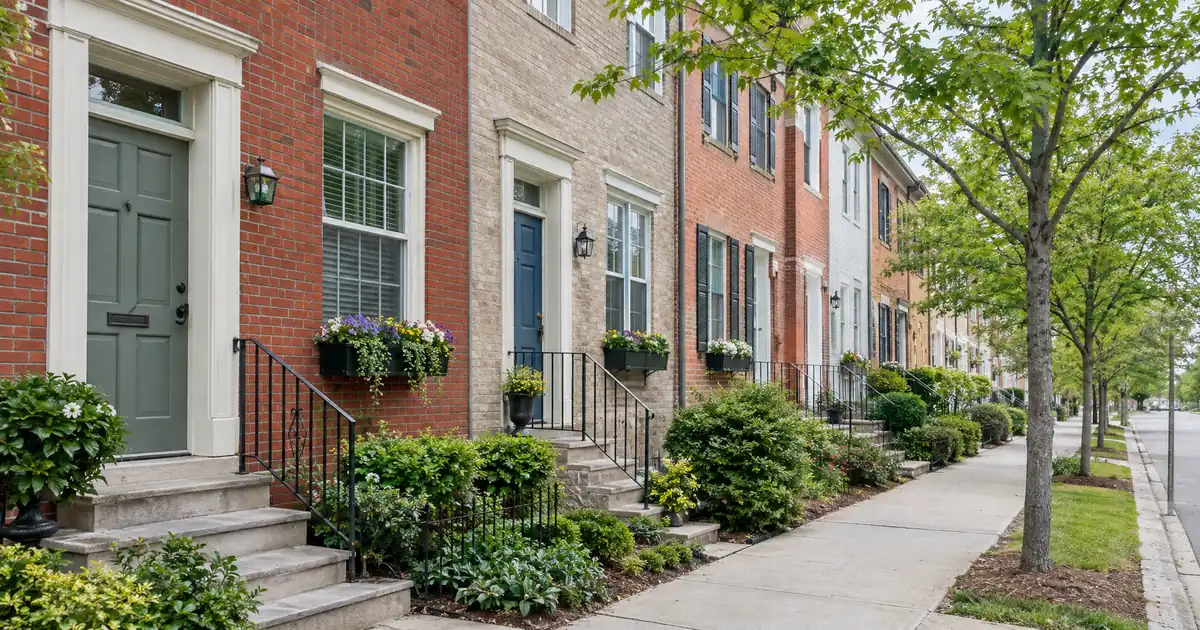
The Quick Read: No, not cosmetically. The house has to be safe, sound and structurally secure, but it does not have to be updated, staged or spotless. Worn carpet, dated kitchens and faded paint rarely stop a conventional loan. A safety, soundness or structural deficiency can, until it is repaired. Condition decides whether you can close. Appraised value decides how much cash you can take out.
What Does “Good Shape” Actually Mean to a Lender?
“Good shape” means two separate things in a cash-out refinance, and most borrowers blur them together.
The first is value. The appraiser estimates what your home would sell for by comparing it to recent nearby sales. That number sets your loan-to-value ratio, and the ratio caps your cash. On a conventional cash-out loan, the cap is 80% LTV on a one-unit principal residence and 75% on two- to four-unit principal residences, second homes and investment property, per the Fannie Mae LTV matrix. Occupancy changes the leverage, so the home you live in gets the highest cap. Leverage, reserves, and pricing vary by lender and program; the final terms follow the full file review.
The second is condition. The appraiser rates the home on a scale from C1 (like new) to C6 (a serious problem). Under the Fannie Mae Selling Guide, homes rated C1 through C5 are eligible “as is.” Only C6 is a problem. A C6 rating means one or more deficiencies affect safety, soundness or structural integrity.
So a tired house with an honest appraisal can still be a perfectly workable cash-out file. A house with a failing roof or exposed wiring is a different story.
Where Is the Line Between Worn and Unfinanceable?
The line sits at safety, soundness and structural integrity, not at age or style. Across the wholesale programs Lendmire places files with, the pattern is consistent: cosmetic wear passes, and health-and-safety defects get flagged.
Here is how the items typically sort. The appraiser makes the call on each file, and the lender makes the final eligibility decision.
| Usually fine | May be flagged | Fix before appraisal |
|---|---|---|
| Dated kitchen or baths | Aging roof near end of life | Active roof leaks |
| Worn carpet, scuffed floors | Peeling paint on older homes | Exposed or unsafe wiring |
| Old appliances that work | Cracked or settled driveway | Missing handrails or stairs |
| Clutter, normal lived-in look | Minor foundation cracks | Structural damage or sagging |
| Original windows and fixtures | Deferred maintenance on systems | No working heat or water |
Two cautions on that table. First, “may be flagged” means an appraiser might note the item and a lender might ask questions. It does not mean the loan fails. Second, if any part of the dwelling is C6, the whole dwelling is rated C6. One serious deficiency is not diluted by the rest of the house being fine.
Does the Appraiser Approve or Deny My Loan?
No. The appraiser documents value and condition. The lender decides whether the property is eligible and whether the appraisal is acceptable. Freddie Mac’s Guide puts that responsibility on the seller, meaning the lender, and describes the standard as a property that is “safe, sound and structurally secure.”
That distinction matters in practice. An appraisal is also not a home inspection. The appraiser walks the house, notes what is visible and photographs it. Hidden problems behind walls or under floors are not the appraiser’s job to find. If you suspect something is wrong, a separate inspection before you apply protects you more than the appraisal will.
Your lender must also give you a free copy of the appraisal, though the appraisal itself can carry a fee.
What Happens If the Appraisal Says “Subject to Repairs”?
When a C6 deficiency shows up, the appraisal is written “subject to” repair, and the repair has to be completed before the loan can move forward. Fannie Mae’s guide says the resulting rating must be at least C5 after the work. Here is the usual flow:
1. The appraiser notes a safety, soundness or structural deficiency and reports the home as C6 or subject to repair.
2. You and the lender review the finding and decide how to fix it.
3. The repair is completed, usually by a licensed contractor where the work calls for one.
4. Completion is verified, often with a follow-up report or documentation.
5. The loan proceeds only after the lender is satisfied the problem is resolved.
The practical cost is time and uncertainty. Repairs that must finish before closing can push the process back, and you pay for the work. If the fix is large, some borrowers decide to repair first on their own schedule and refinance afterward.
A related Freddie Mac item is worth knowing about. A recent Freddie Mac bulletin tells sellers to review any property disclosure statement for adverse physical deficiencies consistent with a C5 or C6 condition rating. In plain terms, if you have disclosed a known problem anywhere in the transaction, expect the lender to read it.
Does Condition Change How Much Cash I Can Take Out?
Indirectly, yes. Condition does not subtract dollars from your cash-out amount, but it can pull down the appraised value, and value drives everything.
Picture a homeowner with a house that has a modest balance left on the first mortgage and a lot of equity on paper. If the appraiser finds heavy deferred maintenance and values the home below what the owner expected, the lender applies the 80% cap to that lower number. The payoff of the existing loan comes out first. What remains is the cash. A lower appraisal shrinks that remainder, and a low enough one can leave little or nothing.
Finished repairs also do not add value dollar for dollar. The home is valued against comparable sales, not against what you spent. A new roof can remove a problem that would have dragged the value down. It rarely adds its full cost to the number.
Seasoning also matters. For a conventional cash-out refinance, the first mortgage being paid off generally must be at least 12 months old, measured note date to note date, and a borrower must have been on title for at least 6 months. Delayed financing, inheritance and legal-award exceptions exist. These are program guidelines and are subject to lender review.
Should You Repair First, or Refinance First?
It depends on how big the problem is and how much you need the cash.
| Option | Best when | Watch for |
|---|---|---|
| Repair first | A C6-type problem would stall the file | Paying out of pocket before you have the cash |
| Refinance first | Issues are cosmetic or minor | A surprise condition on the appraisal |
| Renovation-style loan | You want repairs funded by the loan | Different rules and extra paperwork |
| Keep your loan, use other funds | Your current terms are worth protecting | Higher cost or risk from the other source |
The first row is the cleanest rule of thumb. If you already know about a safety or structural issue, fixing it before you apply avoids a subject-to appraisal. If the problems are cosmetic, spending money to impress an appraiser is usually wasted. Honestly, this one is a genuine judgment call when the problem sits in the middle, like an old roof with a few years left. Ask your loan officer how that item would be handled before you pay for anything.
Do Different Loan Types Have Different Condition Rules?
Yes, the standards differ somewhat, and the biggest split is between cash-out loans and streamlines.
Conventional loans follow the agency condition ratings described above. FHA loans use Minimum Property Requirements, which HUD defines as the general requirement that insured homes be “safe, sound, and secure.” VA cash-out refinances require a VA appraisal, and the home must meet VA minimum property requirements. The exact VA and FHA cash-out standards vary by file, so confirm them with your loan officer.
Streamlines are the exception. The FHA Streamline (for an existing FHA loan) can skip the appraisal, and the VA IRRRL (for an existing VA loan) requires no VA appraisal, per the VA’s IRRRL page. But they are no-cash products. The VA states the borrower may not receive cash from the proceeds. So a streamline can sidestep the condition question, but it cannot get you cash. If you need equity out of the house, you are back in a full-appraisal cash-out loan.
Lendmire’s cash-out refinance programs cover conventional, FHA and VA lanes through wholesale lenders, subject to lender guidelines and full file review. Lendmire is a mortgage broker and does not make the final eligibility decision.
What Is the Leverage Difference Between Cash-Out and a Plain Refinance?
Leverage is where cash-out really differs, not condition. A refinance, which has no meaningful cash back, reaches 95% LTV on a one-unit principal residence, and 97% where the existing loan is agency-owned and the first-time-buyer program allows. A cash-out refinance on the same home is capped at 80%. The property condition standard is the same for both. The ceiling on how much you can borrow is not. Terms vary by lender guidelines, property type, leverage, credit profile, and full file review.
One wholesale lane reaches 89.99% LTV on a cash-out with no mortgage insurance. It requires a 680 score and a 50% ratio on a thirty-year fixed, primary residence, conforming balance, with its own six months of seasoning. In Texas, a cash-out on the homestead is capped by the state constitution at the agency figure, and that wholesale lane is not written there. If you are in Texas, Lendmire’s piece Texas Cash-Out Refinance Rules When You Have a Low First Mortgage walks through that limit. Exact terms depend on the lender’s guidelines, property type, leverage, and a full review of the borrower’s file.
Conventional wholesale programs generally start at a 620 decision score, and the automated finding governs most files, with a total ratio ceiling of 50%. These are guidelines, not promises.
What If My Home Is Older or Dated?
Age alone does not sink a cash-out refinance. A 60-year-old house with original windows, a working furnace and a sound roof can rate well. The concern is deferred maintenance that has turned into a safety or soundness issue, such as a failing roof, water intrusion, or a system that no longer works.
For an older home, a few steps help:
- Walk it like an appraiser would. Look for leaks, stained ceilings, cracked or missing handrails, and anything that would not pass a basic safety check.
- Fix small safety items. Loose railings, missing smoke detectors and exposed wiring are cheap relative to a delayed file.
- Document upgrades. Keep a list of replaced roofs, HVAC, windows and additions, with dates and invoices. Appraisers can only credit what they can see or verify.
- Provide access. Clear attics, crawlspaces and utility areas so the appraiser can look.
- Skip the deep clean obsession. A tidy home helps. Spotless is not a requirement.
Is a dated home more likely to get a lower appraisal? Sometimes, because comparable updated homes sell for more. But that is a value issue, not a condition failure.
Should You Worry About Incomplete Work or a Listed Property?
Incomplete improvements are a topic lenders take seriously. If you are mid-renovation with a torn-up kitchen or exposed framing, the appraiser may rate the home on its current state, and an unfinished safety item can trigger a subject-to condition. Finish the work or hold off on applying until it is done.
Property type matters too. Freddie Mac does not purchase loans on vacant or undeveloped land or on properties used primarily for agriculture or farming, per its Guide. A typical owner-occupied house is not in that group, but a home on a working farm may be.
Tax treatment can depend on your situation; borrowers should speak with a qualified tax professional before relying on any deduction or credit.
Key Terms Defined
Condition rating (C1–C6): The appraiser’s scale for the physical state of the home, from like new to a serious safety or structural problem.
C6: A rating meaning one or more deficiencies affect safety, soundness or structural integrity, which must be repaired before a conventional loan can be sold.
Subject to repairs: An appraisal written on the condition that specific work gets completed and verified.
LTV (loan-to-value): The loan amount divided by the home’s appraised value.
Cash-out refinance: A new mortgage that pays off the old one and lets you take part of your equity as cash.
Streamline: A refinance on an existing FHA or VA loan with reduced documentation, no cash back and a required benefit to the borrower.
Frequently Asked Questions
Does my house have to be clean or staged for the appraisal?
No. Appraisers rate condition, not housekeeping. A clean, accessible home helps the visit go smoothly and lets the appraiser see everything, but clutter and lived-in wear do not by themselves lower a condition rating. Clear access to the attic, utility areas and crawlspace if you can.
Can I do a cash-out refinance on a fixer-upper?
Sometimes. If the home is rated C5 or better, conventional guidelines allow it as is. If it has a safety or structural deficiency, repairs must be completed first. Because the 80% cap applies to appraised value, a home that needs work may also support less cash. Subject to lender guidelines and full file review.
What happens if the appraisal comes in low?
Your cash shrinks, because the LTV cap applies to the lower value. In some cases the loan no longer makes sense. You can ask the lender how a review of the appraisal works and whether recent comparable sales support a different number, though a lender is not required to change it. You may also choose to wait, repair, or keep your current loan.
Can I skip the appraisal on a cash-out refinance?
Rarely. Fannie Mae’s value acceptance can replace an appraisal in some cases, but its property valuation FAQs state that the cash-out eligibility rules still apply and that required repairs must be completed before sale. The FHA Streamline and VA IRRRL can skip an appraisal, but they give no cash.
Does a HELOC change any of this?
It can change the payoff and the leverage math, because a HELOC is a second lien that has to be dealt with at closing.
Where This Leaves You
If your house is worn but safe, condition is unlikely to be your obstacle, and your equity and the leverage cap will do most of the deciding. If you know about a roof leak, a structural crack or unsafe wiring, deal with it before you apply or expect the file to stall. Either way, ask early how condition findings will be handled on your specific loan.
If you are weighing a cash-out refinance against keeping the loan you have, Lendmire can help you compare the programs and the equity each one reaches.
For your own numbers, request a scenario review with Lendmire.
About Lendmire
As a mortgage broker (NMLS# 2371349), Lendmire helps homeowners and home buyers in 16 states with FHA, VA, conventional and jumbo purchase and refinance loans arranged through wholesale lenders. Lendmire is never the lender; program terms are set by the lender and the agency guidelines. Scotsman Guide named Lendmire a Top Mortgage Workplace in both 2025 and 2026.
Get Started
Ready to find the right loan for you?
In about 30 seconds you can review financing options available for your home or investment property. No commitment required.
Informational only. Not a Loan Estimate, approval, or commitment to lend. Program availability and eligibility are subject to lender guidelines, credit approval, property review, and underwriting.
References
1. Fannie Mae LTV, TLTV and HTLTV Matrix
2. Fannie Mae Selling Guide B4-1.3-06: Property Condition and Quality of Construction
3. Freddie Mac Guide Section 5601.1
5. FHA loans
6. VA Interest Rate Reduction Refinance Loan
7. Freddie Mac Guide 5601.1 (servicing view)
8. Fannie Mae Property Valuation FAQs
This article is part of Lendmire’s Refinance series — every loan program’s qualification details, guidelines, and scenarios live on the loan options page.
Related reading: Should You Use a Cash-Out Refinance Before Your ARM Resets? · How to Close a Large Cash-Out Refinance Without Conditions · Cash-Out Refinance vs Selling the Home for a Divorcing Spouse
Brandon Miller
Founder & CEO, Mortgage Loan Originator, Lendmire LLC
- Mortgage Loan Originator · NMLS# 1129696 · Verify on NMLS Consumer Access
- North Carolina Real Estate Broker · License# 343312 · Verify on NCREC
- North Carolina Insurance Producer · License# 19053198 · Property, Casualty, Life, Health · Verify on NAIC SBS
- Lendmire LLC · Firm NMLS# 2371349 · Verify firm licensure
Important disclosures. Lendmire (NMLS# 2371349) is a licensed mortgage brokerage. Lendmire is not a direct lender, depository institution, or financial advisor. All loan inquiries are subject to lender underwriting; this article does not constitute a commitment to lend. Rates, terms, and program guidelines are subject to change without notice and vary by borrower profile, property type, and state. Information in this article is general in nature and is not financial, legal, or tax advice. Equal Housing Opportunity. NMLS Consumer Access: nmlsconsumeraccess.org.