
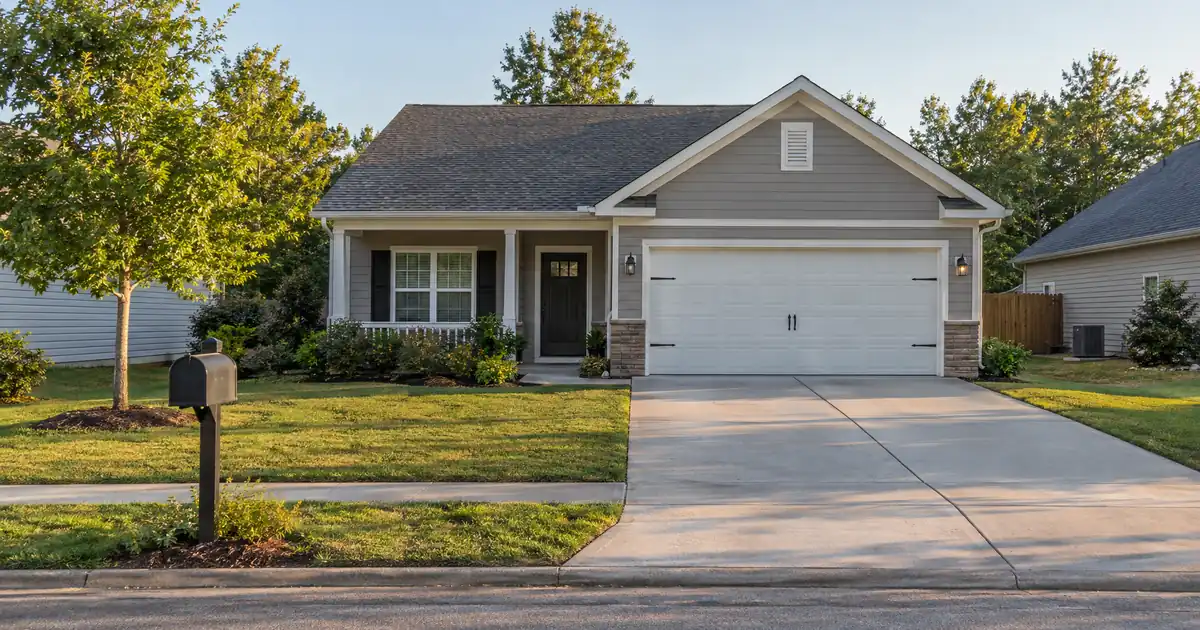
The Quick Read: Yes. The money from a cash-out refinance is borrowed money, and you repay every dollar of it with interest. It becomes part of a new first mortgage that replaces your old one, and your home secures the whole balance. It is not income, a grant, or a withdrawal from savings. The cash is simply a share of your equity that you turn into debt.
- You owe payments on the full new balance, cash included.
- Your home is the collateral, so missed payments can put it at risk.
- The lender caps the new loan as a percentage of appraised value, not as a share of your equity.
- Some refinances, such as FHA Streamline and VA streamline refinance, are not built to hand you cash at all.
Why It Feels Like Your Money (and Why It Isn’t)
Equity feels like savings because you built it by paying down the mortgage or by watching the home gain value. But equity is a number on paper. It is the gap between what the home is worth and what you owe. You cannot spend it until a lender agrees to lend against it.
A cash-out refinance does exactly that. The federal consumer-finance regulator’s research staff describe it as a new mortgage that takes the place of the original one, with the home as collateral. The balance goes up, and the payment is owed on the larger balance.
Here’s the catch most people miss. Nothing about the transaction is free just because the collateral is yours. Your equity goes down by the amount you borrow, and your debt goes up by the same amount.
How the Cash Is Created, Step by Step
The mechanics are simple once you see the sequence. Across the wholesale programs Lendmire places files with, the flow is the same:
1. A new first mortgage is written. It is sized as a percentage of your home’s appraised value.
2. The new loan pays off the old one. Any other liens you choose to retire and any financed closing costs come out of the proceeds too.
3. What is left comes to you. That remainder is your cash.
4. You repay the whole new balance. One note, one lien, one payment schedule.
The Fannie Mae Selling Guide defines a cash-out refinance as a new first mortgage that pays off the existing one on the same property. It also lets the proceeds cover closing costs, points, and prepaids, subordinate liens of any age, and equity taken out for any purpose. A mortgage placed on a home owned free and clear counts as cash-out too.
The appraisal sets the ceiling. The cap applies to the whole new loan, not to your equity. So an appraisal that comes in lower shrinks the cash you receive, even if nothing else changes.
Program caps matter here. On a conventional cash-out refinance, the verified limit is 80% loan-to-value on a one-unit principal residence. For two- to four-unit principal residences, second homes, and investment property, it is 75%. The Fannie Mae Eligibility Matrix publishes the agency caps and shows a lower cap for manufactured homes. Figures are subject to lender guidelines and full file review.
A wholesale lane also reaches 89.99% LTV with no mortgage insurance. It requires a 680 score, a 50% ratio, a thirty-year fixed rate, a primary residence, a conforming balance, and its own six months of seasoning. In Texas, a cash-out on the homestead is capped by the state constitution at the agency figure, so that lane is not written there. Terms depend on the lender’s guidelines, the property type, the leverage, and a full review of the credit profile.
How You Repay It
You repay it the same way you repay any mortgage. There is no separate bill for the cash. It sits inside the single new note and gets amortized with interest over the full term.
Three things follow from that:
- The balance is higher. The cash you took is added to whatever remained on the old loan.
- The term may reset. If you move from a loan with years of payments behind it into a fresh thirty-year term, you start the clock over.
- Total interest usually rises. VA says plainly that cash-out loans increase the loan amount and the interest paid over the life of the loan. That logic applies to any lender.
No payment figure belongs in a general article, because it depends on your balance, term, and pricing. The direction is the point: more borrowed means a bigger obligation.
What Happens If You Can’t Repay?
The home is the collateral, so the consequences are serious. The CFPB has warned that turning non-mortgage debts into mortgage debt secured by the home can put the home at risk of foreclosure if payments become unsustainable. Defaulting on a credit card is unlikely to cost you the house. Defaulting on a mortgage can.
That matters most when the cash pays off credit cards or personal loans. The debt did not disappear. It changed from unsecured to secured. The escalation path usually runs like this:
- Missed payments lead to delinquency and late charges.
- Continued delinquency leads to default under the note.
- Default can lead to foreclosure.
The practical step is to contact your servicer at the first sign of trouble, before a payment is missed. Servicers generally have more options early than late.
What If You Sell the Home?
The loan is repaid from the sale proceeds. The payoff comes first, and what remains is yours. If you spent the cash and the home has not gained enough value, you may net less than you expected. A cash-out refinance also uses up equity that could have cushioned a price decline.
Can You Cancel After Closing?
Often, yes, for a refinance on the home you live in. Under Regulation Z, you may rescind until midnight of the third business day after the latest of closing, delivery of the notice, or delivery of the material disclosures. The cash is generally released after that window passes.
Cancelling does not wipe out your other debts. The CFPB explains that if you rescind, you still owe the original loan. Missed or flawed disclosures can extend the right to as long as three years. You can waive the right only for a bona fide personal financial emergency.
What You Can Spend It On
The agencies place no specific restrictions on use. The CFPB found that more than half of cash-out borrowers surveyed each year from 2014 to 2019 cited paying off other bills or debts. Home repairs or new construction ranked second. Credit scores jumped at first and then slipped back, though they generally stayed above pre-refinance levels.
| Often a sound use | Riskier use |
|---|---|
| Improvements that add lasting value | Spending that leaves nothing behind |
| Replacing a failing roof or system | Covering a budget gap that will return |
| Retiring debt, with a plan not to rebuild it | Paying off cards, then running them up again |
This is a genuine judgment call. Retiring card debt can lower what you owe monthly across loans, yet it moves that debt behind a lien on your home. The honest test is whether the value you get outlasts the debt you take on.
Tax treatment can depend on your situation; borrowers should speak with a qualified tax professional before relying on any deduction or credit.
Cash-Out Refinance vs. HELOC vs. Home Equity Loan
All three borrow against equity. They differ in structure.
| Factor | Cash-out refinance | HELOC | Home equity loan |
|---|---|---|---|
| Original mortgage | Replaced | Stays in place | Stays in place |
| Number of payments | One | Two | Two |
| How funds arrive | Lump sum at closing | Draw as needed | Lump sum |
| Lien position | New first mortgage | Second lien | Second lien |
The CFPB notes that home equity loans and HELOCs leave the original first-lien mortgage in place. That can matter if your current loan is a good one you would rather keep. It can also matter in the other direction: when you were planning to refinance anyway, folding the cash into one loan means one payment instead of two. Which is better depends on what your current loan looks like and how much you need. Lendmire’s cash-out refinance programs are one way to compare the first-mortgage route against keeping what you have.
Rules and Limits That Shape Your Cash
Several checks decide how much cash you can actually receive.
- Seasoning. The first mortgage being paid off must be at least 12 months old, measured note date to note date. At least one borrower must have been on title for 6 months. Exceptions exist for delayed financing after an all-cash purchase, inheritance, and legal awards.
Second homes and investment property carry lower leverage caps.
- Ratios and reserves. The wholesale conventional programs generally allow a total ratio up to 50% on the automated finding. Fannie Mae’s underwriting document applies reserve requirements to cash-out files with a debt-to-income ratio above 45%.
- Credit. The wholesale conventional programs start at a 620 decision score. Some lenders set a higher floor.
- Mortgage insurance. It is required above 80% LTV. You can request cancellation at 80% of the original value, and the servicer must end it automatically at 78%.
- Appraisal. A low value lowers your cash.
Lendmire’s team sees the appraisal as the most common source of surprise on a cash-out file. A homeowner assumes a number, the value lands lower, and the cash shrinks while the closing costs stay put. A cautious plan leaves room for that.
When the General Answer Bends
A few situations change the picture.
FHA Streamline is not a cash-out product. It exists to lower the payment on an existing FHA loan. HUD’s handbook says it must involve no cash back beyond minor closing adjustments, and the FDIC’s summary agrees. FHA cash-out is a separate, fully underwritten loan.
VA IRRRL is a rate-and-payment tool. The VA describes it as a VA-to-VA loan. A VA cash-out loan is separate; it can take cash from equity or move a non-VA loan into a VA-backed one. Confirm leverage on a VA cash-out with a loan officer.
Rate-and-term refinances pay off the loan, not your pocket. Across the wholesale programs, a rate-and-term refinance reaches 95% LTV on a one-unit principal residence. It pays off the existing first mortgage, closing costs, and a purchase-money second lien, with only incidental cash back. The exact numbers vary by lender and program and follow a full review of property, leverage, and credit.
Special payoffs. Using proceeds to clear a PACE obligation requires paying it in full. Certain transactions, such as an installment land contract payoff, are ineligible under Fannie Mae’s rules.
A Quick Self-Check Before You Borrow
- Do you know exactly what the cash will do for you?
- Could you carry the larger balance if your income dipped?
- Will the new loan keep or restart your payoff clock?
- Have you compared Loan Estimates from more than one source?
- Does the appraised value leave a margin if it comes in low?
If you answer no to the second question, that’s a signal to rethink the amount, not just the loan type.
Key Terms Defined
Equity: The difference between your home’s value and what you owe on it.
Lien: A legal claim on your home that secures a loan until it is repaid.
Note: The signed promise to repay the loan on stated terms.
Amortization: The schedule that spreads principal and interest across the loan term.
Collateral: The property a lender can take if the loan goes unpaid.
Seasoning: The minimum time a loan or ownership must exist before a refinance qualifies.
Frequently Asked Questions
Do I have to pay back the money from a cash-out refinance?
Yes. The cash is part of a new mortgage, and you owe it with interest through your regular payment. Federal rules and underwriting both treat it as a loan secured by your home.
Is the cash taxable income?
No, because you are obligated to repay it. Whether interest is deductible depends on how you use the funds.
Can I spend it however I want?
Generally, yes. The agency guides place no restriction on use. A lender may still review the file, and the loan stays secured by your home no matter how the money is spent.
Can I borrow all of my equity?
No. Programs cap the new loan as a percentage of appraised value, and the cap leaves some equity in the home. Conventional cash-out on a one-unit principal residence is capped at 80% LTV, subject to lender guidelines.
Can I cancel the new loan after signing, and does that erase my old mortgage?
No. Rescinding cancels the new loan, and you still owe the original one. The cash is generally not released until the cancellation window has passed.
If you are weighing a cash-out refinance against keeping the loan you have, Lendmire can help you compare the programs and the equity each one reaches. Reach the team at 828-256-2183, though a cash-out is only worth pursuing when the value you receive clearly outlasts the debt you add.
For your own numbers, request a scenario review with Lendmire.
For current guidelines and terms, see Lendmire’s refinance programs page.
About Lendmire
Lendmire, NMLS# 2371349, is a mortgage brokerage with consumer lending licenses in 16 states. FHA, VA, conventional and jumbo purchase and refinance loans are arranged through wholesale lending partners, and each application is reviewed individually by the lender. Scotsman Guide named Lendmire a Top Mortgage Workplace in both 2025 and 2026.
Get Started
Ready to find the right loan for you?
In about 30 seconds you can review financing options available for your home or investment property. No commitment required.
Informational only. Not a Loan Estimate, approval, or commitment to lend. Program availability and eligibility are subject to lender guidelines, credit approval, property review, and underwriting.
References
1. CFPB Office of Research: cash-out refinance mortgages and their borrowers
2. Fannie Mae Selling Guide B2-1.3-03
3. Fannie Mae Eligibility Matrix
4. VA News
5. CFPB: cash-out refinances and paydown of non-mortgage debt
6. Regulation Z §1026.23, right of rescission
8. Fannie Mae’s underwriting document
9. FDIC FHA Streamline summary
10. The VA
This article is part of Lendmire’s cash-out refinance program — full qualification details, guidelines, and scenarios live on the program page.
Related reading: Can You Borrow From Family for a Cash-Out Refinance? · Cash-Out Refinance for Homeowners: What the Appraisal Must Show · Can You Refinance Your Home Without a Cash-Out Refinance?
Brandon Miller
Founder & CEO, Mortgage Loan Originator, Lendmire LLC
- Mortgage Loan Originator · NMLS# 1129696 · Verify on NMLS Consumer Access
- North Carolina Real Estate Broker · License# 343312 · Verify on NCREC
- North Carolina Insurance Producer · License# 19053198 · Property, Casualty, Life, Health · Verify on NAIC SBS
- Lendmire LLC · Firm NMLS# 2371349 · Verify firm licensure
Legal disclosures. Lendmire (NMLS# 2371349) is a state-licensed mortgage brokerage that arranges financing through wholesale lender relationships. Lendmire is not a direct lender, depository institution, or registered financial advisor. The discussion above is general informational content about real estate financing — it is not financial, legal, or tax advice, and readers should consult licensed professionals for guidance on their individual circumstances. Loan inquiries are subject to lender underwriting; this article does not represent a commitment to lend. Loan terms, rates, and qualification standards vary by borrower, property, and state, and are subject to change at any time. Equal Housing Opportunity. NMLS Consumer Access: nmlsconsumeraccess.org.