
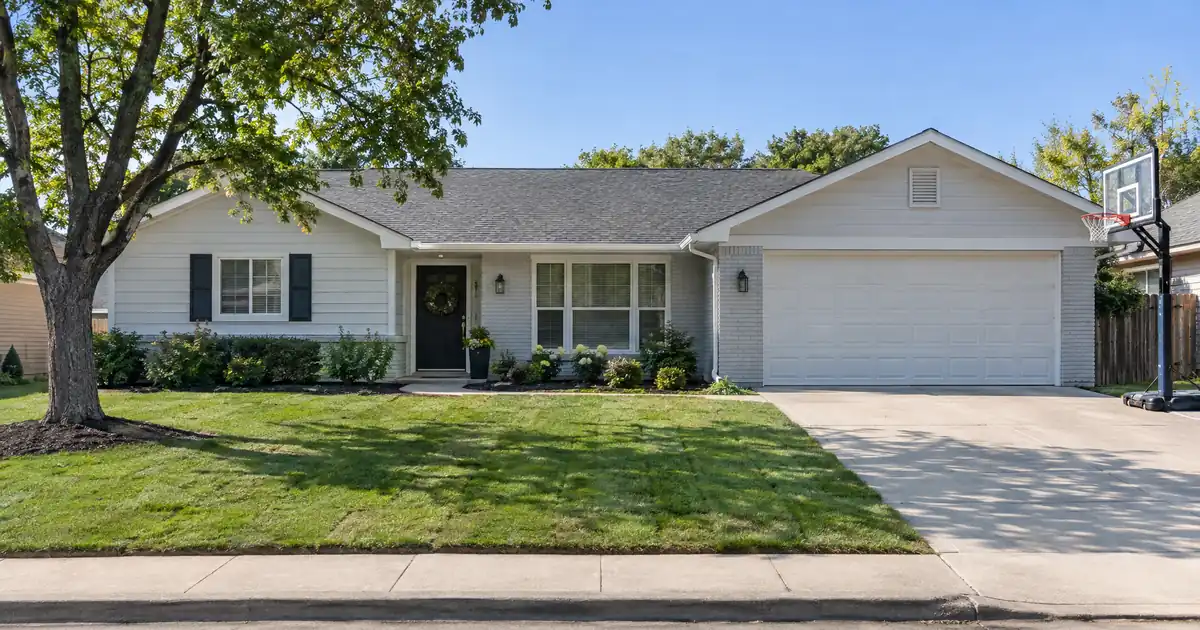
The Quick Read: The lender multiplies your appraised value by a leverage cap, then subtracts what you owe and what you finance. What is left is your cash. On a second home, the conventional cap is 75% of value, versus 80% on a one-unit primary residence. Debt ratio, reserves, credit and waiting periods can shrink the loan further, and the lowest limit wins.
Key Takeaways
- The cap limits the new loan as a share of value. It does not limit how much equity you can use.
- A second home sizes lower than a primary residence because the lender wants more equity left in the property.
- Payoff, other liens and financed costs come off the top before you see any cash.
- The appraisal sets the number, so a low value shrinks the loan and the cash together.
- Ratios, reserves, credit and seasoning can bind before the leverage cap does.
What Does “Sizing” a Cash-Out Refinance Mean?
Sizing is the lender’s process of turning a property’s value into a maximum new loan, then into a cash figure. A cash-out refinance replaces your current mortgage with a larger one. The extra money comes to you at closing.
Four terms matter here. The maximum new loan is the largest balance the lender will place against the home. Gross cash is that maximum minus what must be paid off. Net cash is what lands in your account after financed costs. Retained equity is the share of value the lender requires you to leave in the home.
Here is the formula in one line:
Appraised value × leverage cap − first-mortgage payoff − other liens − financed costs = cash to you.
Lendmire’s cash-out refinance programs run on this same arithmetic. The cap changes with how the property is used. Everything else in the formula stays the same.
Across the wholesale conventional programs Lendmire places files with, most surprises come from the subtraction steps. Borrowers read “75% of value” and picture it as cash. It is the ceiling on the whole loan.
Why Does a Second Home Get a Lower Cap?
A second home is capped at 75% of value on a conventional cash-out. A one-unit primary residence gets 80%. The reasoning is risk: lenders see a vacation or secondary property as the one a borrower is more likely to give up in a squeeze, so they want a bigger equity cushion.
| Occupancy | Conventional cash-out cap |
|---|---|
| One-unit primary residence | 80% of value |
| Two- to four-unit primary residence | 75% of value |
| Second home | 75% of value |
The same house can size very differently depending on how it is classified. That is why the classification step comes first. For comparison, a standard purchase on a second home reaches 90% leverage, so cash-out loans sit well below purchase leverage. Cash-out is simply the more cautious product. Final terms depend on lender guidelines, property type, leverage, and the borrower’s complete credit picture.
The Fannie Mae Eligibility Matrix publishes the second-home cash-out cap by transaction type for one-unit properties. It also notes that exceptions exist for particular files, so the matrix is a starting point. A loan officer should confirm the details on yours.
How Is the Loan Sized, Step by Step?
The lender works through the file in a fixed order. Each step can lower the answer, and none of them raises it.
1. Classify the loan. If the refinance pays off the first mortgage and returns more than a small amount of incidental cash, it is a cash-out loan. A second home falls in the cash-out row of the matrix.
2. Check the waiting periods. At least one borrower generally needs to have been on title for six months. The mortgage being paid off generally needs to be at least 12 months old, counted note date to note date. Freddie Mac’s cash-out refinance product page lists the six-month title rule.
3. Order the appraisal. A new appraisal and inspection report are required, and the appraised value is the base for the leverage test.
4. Apply the cap. Multiply the appraised value by 75% for a second home. That is the ceiling on the new loan.
5. Subtract the obligations. Take out the first-mortgage payoff including accrued interest, any other liens that must be paid, and any costs rolled into the loan.
6. Run credit and ratios. The file goes through automated underwriting. The wholesale conventional programs start at a 620 decision score, and the total ratio ceiling is 50% on most automated findings.
7. Test reserves. The lender checks that you hold enough liquid assets after closing.
8. Price and disclose. Leverage, credit and occupancy all shape pricing. The Loan Estimate then shows your costs and cash figures.
The result is whichever limit is lowest. You will not see a loan larger than the cap allows, and you may see one smaller than the cap if a later step objects.
A Worked Example, Carried Through to Net Cash
Run the numbers on a second home using percentages of value, with every input below a modeled assumption rather than a market figure. Call the appraised value 100 points.
- Leverage cap at 75%: maximum new loan of 75 points.
- Existing first mortgage payoff, assumed: 55 points.
- Financed closing costs, assumed: 2 points.
- Net cash: 75 − 55 − 2 = 18 points, or 18% of the home’s value.
Now take the same house as a one-unit primary residence at 80%. The cash is 80 − 55 − 2 = 23 points. The occupancy label alone moves the result by 5 points of value.
Notice the leverage ratio changes once costs are financed. The loan balance includes the 2 points of costs, but the cap applies to the whole new loan. Financing costs do not slip past the ceiling. They shrink your cash dollar for dollar.
What a Low Appraisal Does
Say the home appraises 5% below what you expected, so value is 95 points instead of 100. Your payoff is still 55 points, because the debt does not change with the appraisal.
- Cap at 75% of 95 points: 71.25 points.
- Net cash: 71.25 − 55 − 2 = 14.25 points.
A 5% miss on value cut the cash by roughly a fifth. The appraisal is not a formality. It is the input every other step depends on.
The Limits Besides Leverage
The cap is one gate among several. Here is how each one can bind.
| Limit | What it tests | When it binds |
|---|---|---|
| Leverage cap | New loan vs. appraised value | Most files with solid income |
| Total debt ratio | All monthly debts vs. income | Large new balance, other loans |
| Reserves | Liquid assets after closing | Thin savings, several financed homes |
| Credit score | Decision score vs. program floor | Scores near the 620 floor |
| Seasoning | Time on title; age of existing loan | Recent buyers or recent refinancers |
The cap limits the loan as a share of value. Debt ratio limits it as a share of your income. A borrower with plenty of equity and a heavy debt load can find the ratio binding long before the 75% cap.
Reserves deserve their own look. Fannie Mae’s Selling Guide section on minimum reserves says automated underwriting asks for a base level of reserves on a second home, and more on a cash-out when the debt ratio runs high. It also asks for additional reserves when a borrower has several financed properties. Reserves are counted in months of the payment on the home you are refinancing. Cash proceeds from the refinance on that same property do not count as reserves.
That last point trips people up. The money you pull out of the house cannot double as your safety net on that house. For more on how lenders count these assets, see Lendmire’s explainer How a Lender Counts Reserves on a Second Home Cash-Out Refinance.
Where the General Rule Breaks
The 75% cap and the waiting periods are the default. Several situations change the picture.
Delayed financing. If you bought the home with cash, you may be able to refinance without the six-month title wait. The loan is still treated as cash-out, so the appraisal, credit review, cap and pricing still apply. The lender also expects documentation of the original purchase and of where the money came from, and the amount is tied to your documented investment. A cash buyer cannot refinance whenever they like. Conditions and paperwork come with it.
Inheritance and legal awards. These are recognized exceptions to the title-tenure wait under the conventional programs. Freddie Mac’s rules measure the six-month wait from the note date, so confirm how the exceptions apply to your file with your loan officer.
Free-and-clear homes. A new mortgage on a property with no existing loan is generally treated as cash-out under the agency rules. Owning the house outright does not make the refinance “limited.”
Several financed properties. The more mortgaged homes you hold, the more reserves the lender asks for when the subject property is a second home.
Programs that exclude cash-out. Some assistance programs, such as Community Seconds, are not permitted on second homes or cash-out refinances, per a Fannie Mae eligibility document. Manufactured housing also follows different cash-out limits than site-built homes, so it should be reviewed on its own.
Condo and co-op units. Certain unit types carry transaction-specific restrictions. A loan officer should check the property type against the matrix before you spend money on an appraisal.
Occupancy facts. A second home has to be one you occupy for part of the year and keep available for your own use. If the facts look more like a rental, the lender may classify it differently, and the leverage ceiling changes with the classification.
Credit events matter too. The agencies set waiting periods after a bankruptcy, foreclosure or short sale, such as four years from a chapter 7 discharge and seven from a foreclosure. Shorter periods can apply with documented extenuating circumstances.
What Does This Look Like for the Borrower?
The headline is that your usable cash is well below your headline equity. Take your equity and apply four reductions in order: the retained-equity cushion the cap forces you to leave, the payoff, other liens, and financed costs.
A few practical effects follow:
- A bigger balance means a bigger payment. Your debt ratio has to absorb it. The lender counts the new payment on the second home together with your primary residence and every other monthly debt.
- Pricing moves with leverage, credit and occupancy. Cash-out and second-home loans carry price adjustments that are usually folded into the interest terms, so they may not show as a separate line.
- Closing costs are real. They include lender fees, third-party charges and prepaid items. Costs can be paid at closing, deducted from proceeds or added to the loan. A “no-closing-cost” offer does not make them vanish. The costs are built into the balance or the interest terms instead.
- Timing needs planning. The title and loan-age gates can delay a recent buyer or a recent refinancer. Line these up before you apply, not after.
The Loan Estimate and the Closing Disclosure show the costs and cash figures for your refinance. The CFPB explains how to read the cost sections on its Loan Estimate page. Compare your figures there against the sizing math above. If the numbers do not tie out, ask why.
Here is the honest tradeoff. A second-home cash-out gives you access to equity, but at a lower cap, with higher reserve expectations and added pricing, so the cash is smaller and costs more to reach. For some borrowers a different path, such as keeping the existing loan, fits better. That decision depends on how much cash you need and what the new payment does to your budget.
Tax treatment can depend on your situation; borrowers should speak with a qualified tax professional before relying on any deduction or credit.
Credit also matters, because a lower score can mean tighter pricing or a smaller loan. Lendmire’s piece Conventional Cash-Out Refinance Credit Requirements for a Second Home walks through that side.
Common Misconceptions
“I can take out 80% of my equity.” The 75% applies to the new loan against appraised value. It is not a share of your equity.
“My second home gets the same terms as my primary home.” Occupancy changes the cap, the reserves and the pricing.
“The cash-out gives me instant reserves.” Proceeds from the subject property do not count as reserves on that loan.
“A cash buyer can refinance right away.” Delayed financing has conditions, and the loan is still cash-out.
“Rolling in closing costs makes them free.” Financing them raises the balance and shrinks your cash.
Key Terms Defined
Cash-out refinance: A new mortgage larger than your current one, with the difference paid to you at closing.
Loan-to-value (LTV): The new loan balance divided by the appraised value of the home.
Reserves: Liquid assets you still hold after closing, counted in months of the home’s payment.
Seasoning: The minimum time you have held title or the existing loan has been in place before you can refinance.
Debt-to-income ratio: Your total monthly debt payments divided by your gross monthly income.
Delayed financing: An exception that lets a recent cash buyer refinance without the usual title wait, while still being treated as cash-out.
Frequently Asked Questions
Can I borrow 80% of my second home’s value in a cash-out refinance?
Not on a conventional second home. The cap is 75% of the appraised value, and that figure covers the whole new loan, including the payoff. The 80% figure applies to a one-unit primary residence.
Do I need to keep cash in the bank after closing?
Yes. The lender checks your reserves, measured in months of the home’s payment. Cash you receive from the refinance on that property does not count toward them. Owning several financed properties can raise the requirement.
What if the appraisal comes in low?
The cap applies to the lower value, so the maximum loan falls. Your payoff stays the same, so your cash falls by more than the value dropped. In the modeled example above, a 5% shortfall cut net cash by roughly a fifth.
Can I refinance a second home I just bought?
It depends. The standard path needs time on title, and the existing mortgage must have aged enough. A cash purchase may qualify under delayed financing, which still counts as cash-out. Your loan officer can confirm which path your file fits.
Does financing the closing costs help me keep more cash?
It does the opposite. Costs rolled into the loan raise the balance, and the balance has to fit under the cap, so your cash shrinks by the same amount. Paying them at closing leaves the loan smaller.
Next Step
If you are weighing a cash-out refinance against keeping the loan you have, Lendmire can help you compare the programs and the equity each one reaches. Every figure here is subject to lender guidelines and full file review, and none of it is a commitment to lend.
For your own numbers, request a scenario review with Lendmire.
About Lendmire
Lendmire, NMLS# 2371349, is a mortgage brokerage with consumer lending licenses in 16 states. FHA, VA, conventional and jumbo purchase and refinance loans are arranged through wholesale lending partners, and each application is reviewed individually by the lender. Scotsman Guide named Lendmire a Top Mortgage Workplace in both 2025 and 2026.
For the program’s current guidelines, see conventional loan programs.
Get Started
Ready to find the right loan for you?
In about 30 seconds you can review financing options available for your home or investment property. No commitment required.
Informational only. Not a Loan Estimate, approval, or commitment to lend. Program availability and eligibility are subject to lender guidelines, credit approval, property review, and underwriting.
References
1. Fannie Mae Eligibility Matrix
2. Freddie Mac Cash-out Refinance product page
3. Fannie Mae Selling Guide B3-4.1-01, Minimum Reserve Requirements
4. Fannie Mae Community Seconds eligibility document
5. CFPB Loan Estimate explainer
This article is part of Lendmire’s cash-out refinance program — full qualification details, guidelines, and scenarios live on the program page.
Related reading: Conventional Cash-Out Refinance for Owners With a Primary and Second Home · How a Lender Qualifies You for a Conventional Cash-Out Refinance · Conventional Cash-Out Refinance Documents for a Primary Home
Brandon Miller
Founder & CEO, Mortgage Loan Originator, Lendmire LLC
- Mortgage Loan Originator · NMLS# 1129696 · Verify on NMLS Consumer Access
- North Carolina Real Estate Broker · License# 343312 · Verify on NCREC
- North Carolina Insurance Producer · License# 19053198 · Property, Casualty, Life, Health · Verify on NAIC SBS
- Lendmire LLC · Firm NMLS# 2371349 · Verify firm licensure
Important disclosures. Lendmire (NMLS# 2371349) is a licensed mortgage brokerage. Lendmire is not a direct lender, depository institution, or financial advisor. All loan inquiries are subject to lender underwriting; this article does not constitute a commitment to lend. Rates, terms, and program guidelines are subject to change without notice and vary by borrower profile, property type, and state. Information in this article is general in nature and is not financial, legal, or tax advice. Equal Housing Opportunity. NMLS Consumer Access: nmlsconsumeraccess.org.