
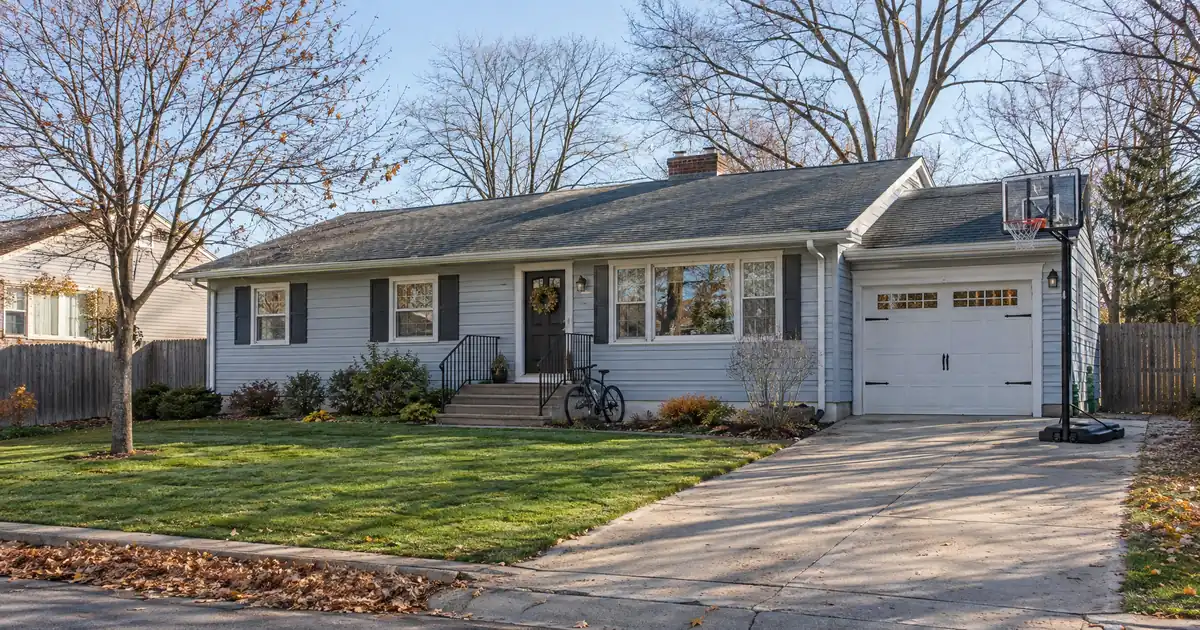
The Quick Read: For an eligible active-duty buyer purchasing a first home, VA is usually the stronger starting point. It typically needs no down payment and carries no monthly mortgage insurance. FHA earns its place when the VA path hits a snag: a lender sets a high credit standard, the home won’t appraise at the price, or the file fits FHA’s structure better. Neither government agency lends the money. Private lenders fund both, and a broker like Lendmire can put either one in front of you.
Key Takeaways
- VA is for people with qualifying service. An active-duty member generally needs 90 continuous days of service, and the Certificate of Eligibility (COE) proves it.
- FHA is open to the general public. It asks for a 3.5% minimum investment from a decision score of 580 on the wholesale programs Lendmire uses.
- The cost structures differ. VA charges a one-time funding fee (some borrowers are exempt) and no monthly mortgage insurance. FHA charges an upfront premium plus an annual premium.
- Both are for the home you live in. Neither is built for a rental or a second home.
- You can price both. Having a COE in hand doesn’t lock you into VA.
Side-by-Side
Here is the comparison on the factors that decide most files. Every figure is a program guideline, subject to lender review and your full file.
FHA payment estimate
Starting assumptions reflect an example price and the FHA minimum investment. Replace them with your own figures.
Editable benchmark: 7.32% as of October 22, 2026 · Freddie Mac 30-year average via FRED®. A conventional market reference, not an FHA loan quote.
Illustrative starting assumptions: a $350,000 price, the FHA minimum investment as the down payment, a thirty-year term at the current Freddie Mac benchmark, and property taxes and insurance estimated at typical national rates. Every field is editable.
Illustrative estimate only — not a Loan Estimate, approval, quote, or commitment to lend. The rate field carries the weekly Freddie Mac thirty-year conventional benchmark, a market reference and not an FHA loan quote; your rate is set by the lender at lock. FHA mortgage insurance follows HUD’s published schedule for the term, leverage and loan size entered; taxes, insurance and dues are editable estimates; closing costs are not included; county loan limits are not checked here. Licensed in sixteen states for consumer mortgages. Lendmire is not affiliated with or acting on behalf of FHA, HUD, or the federal government.
| Factor | VA Loan | FHA Loan |
|---|---|---|
| Who qualifies | Eligible service members, veterans, some spouses | General public |
| Leverage | Typically no down payment | Up to 96.5% LTV (3.5% minimum investment) |
| Credit floor | No VA minimum; lender sets its own | Starts at 580 on programs Lendmire uses |
| Mortgage insurance | None monthly; one-time funding fee | Upfront premium plus annual premium |
| Occupancy | Primary residence | Primary residence, 1 to 4 units |
| Qualifying ratios | DTI guideline plus residual income | 31/43 base; up to 40/50 with factors |
| Loan limits | None with full entitlement | County limits apply |
| Key paperwork | Certificate of Eligibility (COE) | Standard FHA file, no COE |
LTV means loan-to-value: the loan as a percentage of the home’s price or appraised value, whichever is lower, for both VA and FHA loans. DTI means debt-to-income, the share of your gross monthly income that goes to debt payments.
Two rows matter more than the rest for you. The first is mortgage insurance, because it shapes your monthly budget for years. The second is credit, because that’s where lender overlays can change the picture.
What “Active Duty” Changes
Active duty changes how you prove eligibility, how your income is read, and what happens when orders arrive. Most comparison pages treat military status as a checkbox. For you it’s the main variable.
Start with eligibility. The VA’s eligibility page says a service member with at least 90 continuous days of service and no break meets the minimum active-duty requirement. The same page says you still have to meet credit, income, and occupancy standards from both the VA and your lender. The COE is the document that shows the lender your service qualifies. Your loan officer can walk you through getting it, and your command can document your status.
FHA has no service test. Anyone with the credit, income, and cash can use it, which is why it works as a backup for a service member whose VA file hits a wall.
Income is the next piece. Military pay comes in several forms, and how each form counts can differ between a DTI test and a residual-income test. Residual income is what’s left each month after taxes, housing costs, and debts. VA uses it alongside DTI. For active-duty applicants, VA staff guidance says household size includes everyone in the household, including a spouse who isn’t on the loan, unless that person is documented as self-supporting. That raises the residual income the file needs to show. FHA looks at DTI and the automated underwriting finding instead. Ask your loan officer to show you both tests on your actual pay stub before you pick a lane.
Then there’s the life-in-service piece. Both programs are for a home you plan to live in. Exceptions exist for deployed or relocating service members, and the details differ by program, so confirm them with your loan officer before you write an offer. A PCS move is the common test. If orders may come within a year or two, ask how each program handles occupancy, renting the home out, or selling.
How Each Loan Handles Cost
Cost is where the two loans diverge most. VA front-loads one fee and skips monthly insurance. FHA charges an upfront premium and keeps charging monthly.
VA. The VA’s one-page overview says a VA loan typically needs no down payment, has no PMI or FHA-style mortgage insurance, and carries no loan limit for a veteran with full entitlement who meets the lender’s financial guidelines. Most borrowers pay a one-time funding fee. VA News lays out the schedule: it depends on how much you put down and whether it’s your first use of the benefit. First use costs less than repeat use, and a larger down payment lowers the fee. You can finance the fee into the loan. Veterans receiving compensation for a service-connected disability, and some others, are exempt. Your COE tells the lender whether the fee applies.
FHA. On the wholesale programs Lendmire places files with, FHA charges an upfront premium of 1.75% of the base loan, which is financed. It also charges an annual premium between 0.15% and 0.75% of the balance, depending on term, loan amount, and LTV. Here is the part that surprises first-time buyers. On a thirty-year loan above 90% LTV, the annual premium lasts the full term. At or below 90% LTV, it ends after eleven years. A 3.5% minimum investment means most low-down-payment FHA files land in the first group. Every figure here varies by lender and program: guidelines, property type, leverage, and credit profile all apply.
Picture two first-time buyers purchasing the same home with the same small cash reserve. The VA borrower pays the funding fee once, finances it, and has no mortgage insurance line in the monthly budget. The FHA borrower puts 3.5% down, finances the upfront premium, and carries the annual premium for as long as the loan lasts. On cost alone, VA tends to win when you qualify. The CFPB is careful here, though. It notes that FHA can often be a more affordable option for borrowers with lower credit scores or smaller down payments, and that there are no hard-and-fast rules.
Cash to close is a separate question. VA’s no-down-payment feature doesn’t erase closing costs, and the VA’s own materials encourage savings for those and for surprises. FHA’s 3.5% is a minimum investment, and seller or interested-party contributions can reach 6% of the price under the program, subject to lender guidelines.
When a VA Loan Is the Better Fit
VA is the better fit when you’re eligible, you want to keep cash, and your file clears the lender’s standards. That describes many first-time buyers on active duty.
Choose VA first if these points describe you:
- You have limited savings. Zero down is the headline feature, and it matters most when a barracks-to-house transition drains your reserves.
- You want a lean monthly budget. No monthly mortgage insurance leaves room in the budget, which helps at the DTI line.
- Your credit is fair, not perfect. The VA doesn’t set a minimum credit score, though lenders can. The VA’s underwriting guidance says a poor credit history alone can be a reason for disapproval. For marginal credit, it directs the underwriter to look at residual income and other strengths.
- Your DTI runs a bit high. The VA’s underwriting pamphlet treats its DTI figure as a guideline, not a hard cap. Above it, a file can still go through with written justification, or without it when residual income is strong.
- You want full entitlement for a larger purchase. With full entitlement, VA has no loan limit, while FHA limits are set by county.
VA has real limits, too. The home has to meet VA’s minimum property requirements and appraise at or above the price. If the price exceeds the VA appraiser’s reasonable value, you may need to cover the gap. “Zero down” describes the loan’s structure, not a promise that any price works.
When an FHA Loan Is the Better Fit
FHA is the better fit when VA doesn’t line up with your file, or when FHA’s structure handles a weak spot better. It isn’t a consolation prize. It’s a different tool.
The FHA loan programs Lendmire arranges through wholesale lenders accept a 580 decision score for the 3.5% minimum investment. HUD has a lower tier for scores from 500 to 579, which requires a larger minimum investment. The wholesale programs Lendmire uses start at 580, so that tier isn’t available through them. Lenders set their own credit standards on VA, too, so a service member with a 580 score can find VA doors harder to open than FHA’s. Some VA lenders set a higher floor than the VA itself requires. Ask for the floor in writing before you assume VA is open to you.
Consider FHA in these situations:
- A lender’s VA overlay is above your score. The VA sets no minimum, but your lender can. FHA’s published tier may fit where a lender’s VA overlay doesn’t.
- A co-borrower complicates things. FHA allows a non-occupant co-borrower, a structure that can strengthen a file when income or credit is thin.
- The seller needs flexibility. FHA allows seller or interested-party contributions up to 6% of the price, subject to lender guidelines.
- You’re not eligible for VA yet. If your service hasn’t reached the minimum, FHA is available now.
- Your ratios benefit from FHA’s structure. The base pair is 31/43, and documented compensating factors can stretch it to 40/50 at the top tier. The automated finding governs most files.
Think about it this way. FHA costs more over time on a high-LTV loan because of the annual premium, but it asks for less proof of service and has a published credit entry point. If VA’s cost advantage won’t help because your file can’t clear a lender’s overlay, the cheaper loan on paper isn’t the cheaper loan in practice.
FHA has its own strings. The home has to meet FHA property standards, the loan is for a principal residence of one to four units, and county loan limits apply. Mortgage insurance is required on every FHA loan, per the CFPB.
The Honest Verdict
Run both if you hold a COE. Pricing both is free, and the file decides. The two loans make different promises, and the better one depends on which constraint pinches you more.
- Cash is your constraint: VA, because no down payment keeps savings intact.
- Monthly budget is your constraint: VA, because no monthly mortgage insurance leaves more room.
- Credit is your constraint: it’s a toss-up. VA has no agency floor, but lender overlays can run above FHA’s 580 entry point. Check both.
- Property condition is your constraint: neither is easy. Both have appraisal and property standards. Pick the program whose standards match the home.
- Future flexibility is your constraint: FHA’s annual premium can last the loan term, while VA’s fee is paid once. A later refinance can move you from one loan to the other, subject to eligibility and lender guidelines.
A reasonable rule: if you have a COE and a score a VA lender accepts, start with VA. If VA lenders pass on your file, FHA is the practical fallback. Neither choice is final until a lender reviews your file.
For more on the VA side of the decision, see Lendmire’s comparison of a VA loan against a conventional loan for a first-time active-duty buyer.
Key Terms Defined
Certificate of Eligibility (COE): The document showing a lender that your service qualifies you for a VA loan.
Funding fee: The one-time VA charge most borrowers pay, which can be financed into the loan.
Mortgage insurance premium (MIP): FHA’s upfront and annual insurance charges that protect the lender if the loan defaults.
Residual income: What’s left of your monthly income after taxes, housing costs, and debts. VA tests it alongside DTI.
Entitlement: The amount of your VA benefit that backs a loan. Full entitlement means no VA loan limit.
Overlay: A lender’s own standard that sits above the agency’s minimum.
Frequently Asked Questions
Which loan is better for a first-time buyer on active duty?
VA is usually the better fit if you’re eligible and a lender accepts your credit. It typically needs no down payment and has no monthly mortgage insurance. FHA is the better fit when lender overlays or property issues get in the way of VA. First-time use of the VA benefit also tends to carry a lower funding fee than repeat use.
Can I qualify for both?
Yes. Eligibility for one doesn’t block the other, and a loan officer can price both against your file. You choose a single loan for a given purchase, so compare them side by side before you commit.
Is VA stricter than FHA?
Not across the board. VA adds a service requirement and a residual-income test, but it has no agency credit minimum, and its DTI figure is a guideline. FHA has no service test but sets a credit tier and ratio structure. Lender overlays can make either feel stricter, depending on your score.
What if I get deployed or receive PCS orders?
Both are for a principal residence, and occupancy exceptions exist for deployed or relocating service members. Plan for the scenario up front rather than after closing.
Can I refinance later if I choose FHA now?
Often, subject to eligibility and lender guidelines. FHA has its own Streamline refinance for existing FHA loans, and a refinance can move you into a VA loan if you qualify. Treat it as a future option, not a guarantee.
Next Step
If you are buying a home and want to see whether an FHA loan fits your file, Lendmire can help you compare the options and what each one asks of the file.
For your own numbers, request a scenario review with Lendmire.
About Lendmire
Lendmire is a mortgage brokerage (NMLS# 2371349) licensed for consumer mortgage lending in 16 states, arranging FHA, VA, conventional and jumbo purchase and refinance loans through a wholesale lending network. Eligibility is determined by the lender on each file. Scotsman Guide named Lendmire a Top Mortgage Workplace in both 2025 and 2026.
Get Started
Ready to find the right loan for you?
In about 30 seconds you can review financing options available for your home or investment property. No commitment required.
Informational only. Not a Loan Estimate, approval, or commitment to lend. Program availability and eligibility are subject to lender guidelines, credit approval, property review, and underwriting.
References
1. VA.gov – Eligibility for VA home loan programs
2. VA Loan Guaranty – Home Loan Overview (one-page)
3. VA News – Funding fee: who pays, who is exempt
4. CFPB
5. VA Pamphlet 26-7, Ch. 4 Credit Underwriting
This article is part of Lendmire’s FHA loan program — full qualification details, guidelines, and scenarios live on the program page.
Related reading: How to Buy a New Build With an FHA Loan as a First-Time Buyer · How Much Seller Help a First-Time Buyer Gets on an FHA Loan · Should a First-Time Buyer in a USDA Area Pick an FHA Loan?
Brandon Miller
Founder & CEO, Mortgage Loan Originator, Lendmire LLC
- Mortgage Loan Originator · NMLS# 1129696 · Verify on NMLS Consumer Access
- North Carolina Real Estate Broker · License# 343312 · Verify on NCREC
- North Carolina Insurance Producer · License# 19053198 · Property, Casualty, Life, Health · Verify on NAIC SBS
- Lendmire LLC · Firm NMLS# 2371349 · Verify firm licensure
Legal disclosures. Lendmire (NMLS# 2371349) is a state-licensed mortgage brokerage that arranges financing through wholesale lender relationships. Lendmire is not a direct lender, depository institution, or registered financial advisor. The discussion above is general informational content about real estate financing — it is not financial, legal, or tax advice, and readers should consult licensed professionals for guidance on their individual circumstances. Loan inquiries are subject to lender underwriting; this article does not represent a commitment to lend. Loan terms, rates, and qualification standards vary by borrower, property, and state, and are subject to change at any time. Equal Housing Opportunity. NMLS Consumer Access: nmlsconsumeraccess.org.