
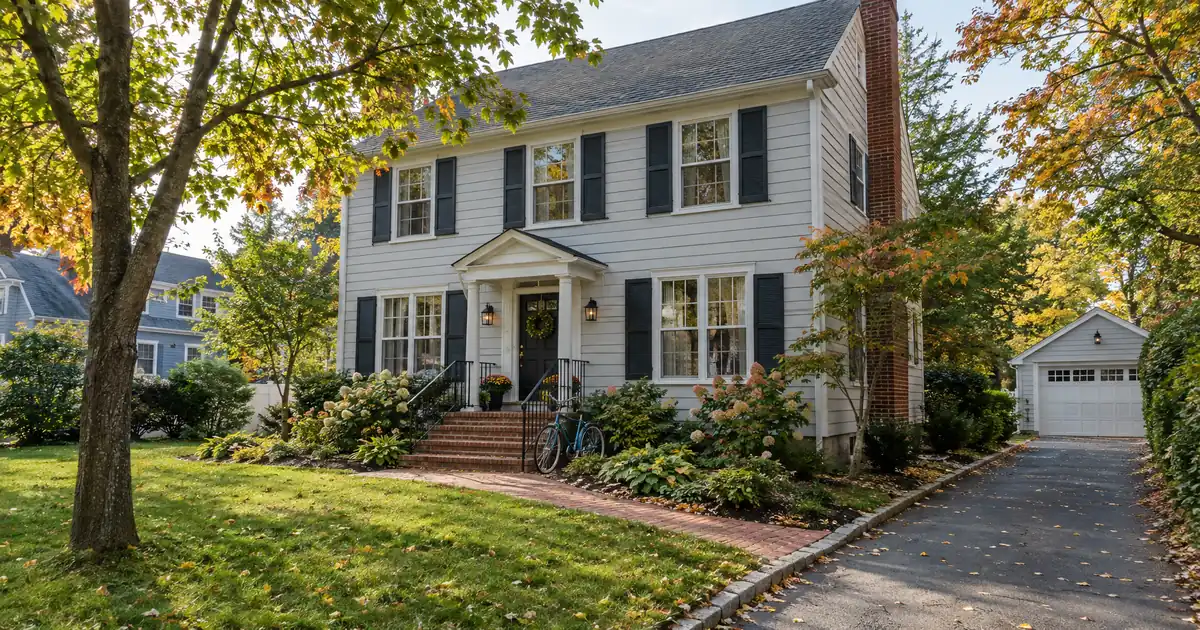
The Quick Read: VA loan occupancy rules for an active-duty buyer come down to intent. You certify that you plan to live in the home, and that certification must be real on the day you sign. Orders are evidence, not a waiver.
Key Takeaways
- Federal law requires you to certify intent to occupy at application and again at closing.
- A spouse’s occupancy can satisfy the rule while you are on active duty and cannot occupy.
- A later move-in date needs a specific date and a specific future event, and the allowable window varies by file and lender.
- Underwriters look at whether your budget can carry two housing arrangements.
What Does “Occupancy” Actually Mean on a VA Loan?
Occupancy means you live in the home, or you genuinely intend to move in and use it as your residence. It is an intent test. It is not a lifetime residency mandate.
VA payment estimate
Starting assumptions reflect an example price with no down payment and a first-use funding fee. Replace them with your own figures.
Editable benchmark: 7.32% as of October 22, 2026 · Freddie Mac 30-year average via FRED®. A conventional market reference, not a VA loan quote.
Illustrative starting assumptions: a $350,000 price, no down payment with full entitlement, a first-use funding fee financed into the loan, a thirty-year term at the current Freddie Mac benchmark, and property taxes and insurance estimated at typical national rates. Every field is editable.
Illustrative estimate only — not a Loan Estimate, approval, quote, or commitment to lend. The rate field carries the weekly Freddie Mac thirty-year conventional benchmark, a market reference and not a VA loan quote; your rate is set by the lender at lock. The funding fee follows VA’s published table for the use and down payment entered; the residual-income figure is VA’s guideline for the region and family size, and the rough residual shown subtracts only the housing payment and the debts entered, while VA also deducts taxes, maintenance and utilities. Taxes, insurance and dues are editable estimates; closing costs are not included. Licensed in sixteen states for consumer mortgages. Lendmire is not affiliated with or acting on behalf of the Department of Veterans Affairs.
The purchase-loan statute describes the purpose as buying a dwelling to be owned and occupied by the veteran as a home, per 38 U.S.C. §3710. That is why the VA does not finance vacation homes or pure rentals. If you are wondering about a second home or a rental, the answer is short: occupancy decides the leverage, and a VA purchase is built for the home you live in.
The rule also does not demand daily presence. You can travel for work, train away from home, or spend long stretches elsewhere without breaking the requirement.
Lendmire arranges these loans as a broker through wholesale lenders. Its VA loan programs put 100% financing on the table, with no mortgage insurance and no VA loan limit on full entitlement, subject to lender guidelines and full file review. Occupancy is what keeps a file inside that envelope.
What Do You Certify, and When?
You certify twice: when you apply, and again when the loan closes. Under 38 U.S.C. §3704, “occupy or intend to occupy” means that on the certification date you either live in the property or actually intend to move in personally within a reasonable time and use it as a residence.
Both signatures matter. A plan that is honest at application but has quietly died by closing is a problem. So is a plan you never meant to follow. The risk sits in a false certification. Intent that was real when you signed is not undone by orders that arrive later, because the statute is built around the word “intends.”
Your choice of path should be settled before closing. Tell the loan officer early which one you are on. Changing stories midstream is what stalls files.
Which Occupancy Path Fits an Active-Duty Buyer?
There are three paths. Pick one before closing and build the file around it.
| Path | Who occupies | What the file shows |
|---|---|---|
| A: Move in on time | You | Move-in within 60 days of closing |
| B: Spouse occupies | Your spouse | Spouse’s certification and residence |
| C: Later move-in | You, on a set date | A specific date and a specific event |
Path A is the plain version. Most buyers stop reading here. Active-duty buyers often cannot.
Path B comes from the statute’s active-duty provision. If you are on active duty and cannot occupy because of that status, your spouse’s occupancy or intent to occupy satisfies the requirement, and the spouse makes the certification. The same provision covers a dependent child. The child’s certification comes from your attorney-in-fact or the child’s legal guardian.
Path C is the one that fits a PCS (a permanent change of station, meaning a move to a new duty location). Under VA Pamphlet 26-7, Chapter 3, a longer period can be reasonable only if two things are true. You certify a specific date after closing when you will personally occupy the home. And a particular future event will make that occupancy possible on that date. A report-by date on your orders is the classic example. Whether a given timeframe is considered reasonable depends on the facts of the file and the lender’s review.
Does a Spouse Really Satisfy the Rule?
A spouse can satisfy it while you are on active duty and unable to occupy. The statute says so directly. But a spouse’s occupancy is not a blank check.
Plenty of people read that provision and conclude they never have to live in the house. That is a stretch. The statute covers a veteran who cannot occupy because of active duty. Whether a lender also expects a later personal move-in date is a question of lender practice. Ask your loan officer how they document it. Lenders can also set tighter standards than the VA, which is called an overlay.
The cost of maintaining separate living arrangements should be considered in underwriting. If you stay in barracks or a rental at the new station while your spouse lives in the new home, you carry two housing costs. The file has to show the household budget works.
What About Single Service Members?
If you are unmarried, Path B is closed to you. You can still use the later-date test: a specific date, a specific future event, and not beyond 12 months. Expect a more document-heavy file, because there is no second occupant to point to.
Picture a single sailor who finds a house near the next duty station while orders are still pending. A move-in date tied to the report-by date on those orders is a reasonable story. A vague “sometime next year” is not. The date and the event are what the underwriter can test.
Deployment is a separate case. A PCS is not a deployment. It is a change of permanent station, so the spouse route or the delayed-date test applies instead.
How Does a Pre-PCS Purchase Play Out?
Buying ahead of a PCS works only when the timeline fits inside the rules. Here is how the sequence runs.
1. Orders or expected orders. You know roughly when you report.
2. Contract and application. You certify intent at application and pick your path.
3. Appraisal. The home must meet VA’s minimum property requirements, and the VA appraisal sets reasonable value on the Notice of Value. Occupancy intent does not change the appraisal.
4. Closing. You certify again.
5. Report date and move-in. Path A means within 60 days of closing. Path C means the date you certified.
The 12-month outer limit is why buying far ahead of a PCS is generally not workable. If your report date sits well past a year after closing, the file runs into the ceiling. Wait, or look for a different structure.
Orders that are real but not yet in hand sit in a gray zone. Lenders commonly want the document itself. Talk to your loan officer before you write an offer, not after.
Four Scenarios, Worked Without Dollars
These are hypothetical, built to show how the pieces fit.
The spouse moves first. A married soldier is ordered to a new post, and the spouse relocates ahead to start a new job. The spouse occupies the new home, certifies, and the soldier joins later. The file shows the spouse’s residence and the budget for the period apart. This is Path B.
The single member with a report date. A single airman buys near the next base about four months before reporting. The certified move-in date matches the report-by date. The file shows the orders and a letter explaining the plan. This is Path C.
The couple who are both military. Two service members buying together can be more complicated, because each may have different orders and report dates. Lenders may handle these files differently. Discuss it with your loan officer before you apply.
Orders change mid-escrow. A buyer’s report date shifts while the contract is open. The date and event in the file may no longer be true. Update the file before closing, because you certify again at the closing table. Document the new date and event so the certification stays honest.
What Documents Do Lenders Usually Ask For?
Lenders commonly ask for the following. This is lender practice, not a VA mandate, and it varies by file.
- Orders or assignment paperwork showing your report-by date
- A signed occupancy certification
- A letter of explanation covering your plan and your timing
- Proof of the spouse’s residence, if Path B applies
The sequence matters more than the list. Get orders and your explanation to the loan officer before underwriting starts. Exceptions raised late look like afterthoughts, and underwriters read them that way.
What If Orders Arrive After You Close?
The test is intent at certification. It is not a lifetime residency mandate. If you certified honestly and your plans later changed, the statute’s “intends” language protects the intent that was real when you signed.
What it does not protect is a false certification. Do not treat a pending PCS as a reason to skip the question.
After closing, your choices include keeping the home and renting it, selling it, or occupying it later. Talk to your loan officer and VA about your specific facts before you rent out a home you certified you would occupy.
Entitlement is the other piece. Using it on this home affects what you have left for the next one. With remaining entitlement, a down payment may be required. Speak with a loan officer about your specifics.
Where the General Rule Bends: Edge Cases
- Repairs or improvements. Extensive work that prevents occupancy during construction is an exception to the reasonable-time requirement. You certify intent to occupy or reoccupy afterward.
- IRRRL (streamline refinance). For a later refinance of an existing VA loan after a PCS, a certification that you or your spouse or dependent child previously occupied the home satisfies the requirement. You do not need to live there at closing.
- Cash-out refinance. Lenders generally expect current occupancy. Confirm this with your lender, since it is lender practice rather than a published VA rule. Lendmire’s pieces on VA cash-out occupancy rules for an active-duty PCS move go deeper.
- Lender overlays. Lenders can be stricter than VA. Ask which standards your lender applies.
Five Misconceptions That Stall Files
“The 60-day rule is a statute.” It is not.
“PCS orders waive occupancy.” They do not. Orders are evidence that supports a delayed or substitute path.
“I can wait as long as I like.” You cannot. A later date needs a specific date and event, and the allowable window varies by file and lender.
“Deployment and PCS are the same.” They are not. Temporary-duty treatment applies to deployment from the permanent duty station.
“Moving out later is fraud.” The risk is a false certification, not a change of plans after an honest one. For anything beyond that, speak with a qualified professional.
Key Terms Defined
Occupancy: Living in the home, or genuinely intending to move in and use it as your residence.
PCS: A permanent change of station, meaning orders that move you to a new permanent duty location.
Certification: Your signed statement that you occupy or intend to occupy the home, given at application and again at closing.
Notice of Value: The VA document that sets the home’s reasonable value after a VA appraisal.
Entitlement: The portion of your VA benefit that backs a loan. It decides how much is available for later loans.
Residual income: The money left each month after your debts and living costs. It is the controlling test in VA underwriting.
Overlay: A lender rule that is stricter than VA’s minimum.
How Does Underwriting Look at an Active-Duty File?
Residual income is the controlling test on VA files. The 41% debt-to-income figure is a guideline, not a cap. A ratio above it needs residual income well above the table. Across the wholesale programs Lendmire places files with, the decision score starts at 580, though VA itself sets no minimum credit score, and your certificate of eligibility from VA decides eligibility.
The VA funding fee is a one-time charge, waived for veterans receiving compensation for a service-connected disability and other exempt groups. First use runs 2.15% with less than five percent down, 1.5% with five to under ten percent down, and 1.25% with ten percent or more down. Every figure is subject to lender guidelines and full file review, and none is a commitment to lend.
If you are buying a home and want to see whether a VA loan fits your file, Lendmire can help you compare the options and what each one asks of the file. A related read is Lendmire’s guide How to Use a VA Cash-Out on Active Duty Before a PCS Move.
Frequently Asked Questions
Do I have to move in within 60 days if I am on active duty?
Not always. Active duty opens other routes: a spouse’s occupancy, or a later date backed by a specific event, generally within 12 months of closing.
Can my spouse occupy the home instead of me?
Yes, if you are on active duty and cannot occupy because of that status. Your spouse occupies or intends to occupy and makes the certification. Ask your lender how they document it and whether they add their own requirements.
Can I buy a home near my next base before my orders take effect?
Often, yes. A certified move-in date tied to your report-by date can work under the later-date test. It must name a specific date and event, and generally cannot run beyond 12 months after closing.
What happens if my orders change after I close?
Intent that was real when you certified is not undone by later orders. What matters is that your certification was honest. Talk to your loan officer before changing how you use the home.
Is a PCS the same as a deployment for occupancy purposes?
No. Deployment from the permanent duty station is treated as temporary duty. A PCS is a change of permanent station, so the spouse route or the delayed-date test applies.
For your own numbers, request a scenario review with Lendmire.
About Lendmire
Lendmire, NMLS# 2371349, is a mortgage brokerage with consumer lending licenses in 16 states. FHA, VA, conventional and jumbo purchase and refinance loans are arranged through wholesale lending partners, and each application is reviewed individually by the lender. Scotsman Guide named Lendmire a Top Mortgage Workplace in both 2025 and 2026.
Get Started
Ready to find the right loan for you?
In about 30 seconds you can review financing options available for your home or investment property. No commitment required.
Informational only. Not a Loan Estimate, approval, or commitment to lend. Program availability and eligibility are subject to lender guidelines, credit approval, property review, and underwriting.
References
1. 38 U.S.C. §3710, Cornell LII
2. VA Pamphlet 26-7, Chapter 3 (VA knowledge portal)
This article is part of Lendmire’s VA loan program — full qualification details, guidelines, and scenarios live on the program page.
Related reading: How to Certify VA Cash-Out Occupancy Before a PCS Move · Refinancing a VA Loan Into a Conventional Loan to Restore Your Entitlement · How to Refinance Into a VA Cash-Out From Another Loan Program
Brandon Miller
Founder & CEO, Mortgage Loan Originator, Lendmire LLC
- Mortgage Loan Originator · NMLS# 1129696 · Verify on NMLS Consumer Access
- North Carolina Real Estate Broker · License# 343312 · Verify on NCREC
- North Carolina Insurance Producer · License# 19053198 · Property, Casualty, Life, Health · Verify on NAIC SBS
- Lendmire LLC · Firm NMLS# 2371349 · Verify firm licensure
Important disclosures. Lendmire (NMLS# 2371349) is a licensed mortgage brokerage. Lendmire is not a direct lender, depository institution, or financial advisor. All loan inquiries are subject to lender underwriting; this article does not constitute a commitment to lend. Rates, terms, and program guidelines are subject to change without notice and vary by borrower profile, property type, and state. Information in this article is general in nature and is not financial, legal, or tax advice. Equal Housing Opportunity. NMLS Consumer Access: nmlsconsumeraccess.org.