
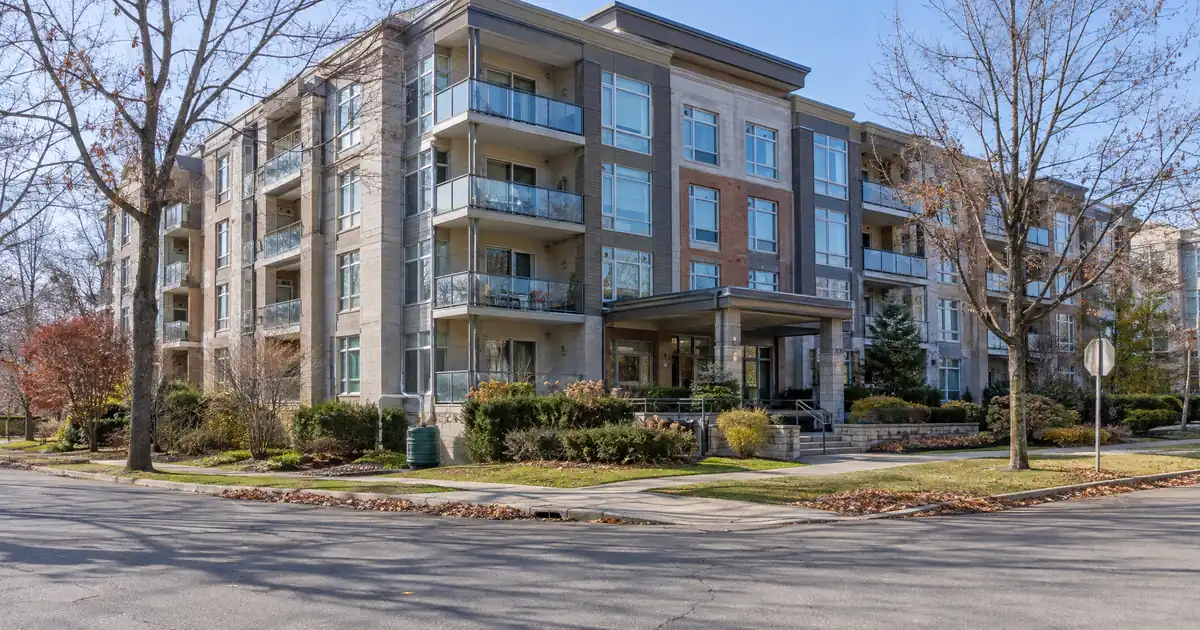
The Quick Read: Sometimes. If the problem sits inside the unit, such as a safety item or a flagged repair, the seller can usually fix it and the lender verifies the work. If the problem belongs to the building, such as project approval, insurance, or a failing roof, one seller cannot fix it. The association, the management company, or the lender’s project review has to resolve it. Whether the seller must do anything at all depends on the purchase contract.
First, Which Kind of Problem Do You Have?
Three different problems hide behind the phrase “appraisal problem,” and each has a different fix. Sort yours before you do anything else.
- A repair condition. The appraiser notes something in the unit that must be corrected. A seller can often handle this.
- A value shortfall. The appraised value comes in below the contract price. No repair fixes this. It is a price conversation.
- A project eligibility problem. The building itself fails FHA’s standards. The unit can be spotless and the loan can still stall.
FHA payment estimate
Starting assumptions reflect an example price and the FHA minimum investment. Replace them with your own figures.
Editable benchmark: 7.32% as of October 22, 2026 · Freddie Mac 30-year average via FRED®. A conventional market reference, not an FHA loan quote.
Illustrative starting assumptions: a $350,000 price, the FHA minimum investment as the down payment, a thirty-year term at the current Freddie Mac benchmark, and property taxes and insurance estimated at typical national rates. Every field is editable.
Illustrative estimate only — not a Loan Estimate, approval, quote, or commitment to lend. The rate field carries the weekly Freddie Mac thirty-year conventional benchmark, a market reference and not an FHA loan quote; your rate is set by the lender at lock. FHA mortgage insurance follows HUD’s published schedule for the term, leverage and loan size entered; taxes, insurance and dues are editable estimates; closing costs are not included; county loan limits are not checked here. Licensed in sixteen states for consumer mortgages. Lendmire is not affiliated with or acting on behalf of FHA, HUD, or the federal government.
Many sellers assume they are facing the first kind when they are really facing the third. That mistake costs weeks of effort on the wrong fix. (Sorry, a fresh coat of paint does not repair an association’s finances.)
Who Fixes What in a Condo?
The owner of the item decides who can fix it. Inside your walls, you are in charge. Beyond them, the association is.
| Finding | Where it sits | Who can act |
|---|---|---|
| Peeling paint, unsafe outlet, broken window | Inside the unit | Seller |
| Balcony railing or patio surface | Often shared or assigned use | Association rules decide |
| Leaking roof, failing structure | Common element | Association |
| Special assessment | Association finances | Association |
| Project not FHA-approved | Whole building | Association, or lender via single-unit review |
The middle row trips people up. Balconies, patios, and assigned parking are often “limited common elements.” One owner uses them, but the association controls them. Read the governing documents before you hire a contractor. You may need written permission to touch the item.
What Does FHA Actually Require the Seller to Do?
FHA requires the lender to make sure the property is acceptable. It does not require the seller to do the work. That distinction clears up a lot of confusion online, where some pages say the seller “must” fix everything and others say the seller is never obligated.
Here is how it works. The lender decides which required repairs have to be made for the property to be FHA-eligible. If a defective condition cannot feasibly be corrected, the lender must reject the property. HUD describes this in its Handbook 4000.1 modernization drafting table.
So the repair is required for the loan. Who performs and pays for it is negotiated between buyer and seller. Your purchase contract controls that duty. Check the repair and inspection language, and talk to a real estate attorney if the wording is unclear.
How Does the Repair Process Work?
The sequence is appraisal, conditional finding, repair, proof, and then closing. Each step has to land before the next one counts.
1. The appraiser flags the item. The appraiser must note every repair needed to meet FHA’s property acceptability criteria. HUD’s Appraisal Report and Data Delivery Guide sets the reporting rules.
2. The value is stated conditionally. HUD’s Mortgagee Letter 2025-18 describes two wordings. One is “subject to the following repairs,” assuming they are completed. The other is “subject to a required inspection.”
3. The repair gets done. Usually the seller does it after agreeing in writing. Keep receipts, photos, and the contractor’s information.
4. Evidence of completion goes to the lender. The lender will want proof the work was finished. Ask your loan officer exactly what form of proof the file needs.
5. The loan moves toward closing. Only after the condition is cleared.
Keep in mind that HUD has been revising appraisal policy through a series of Mortgagee Letters. Mortgagee Letter 2025-08 rescinded several earlier appraisal letters. Confirm current handbook text with the lender before relying on any older checklist.
What If the Problem Belongs to the Building?
Then the seller is not the one who can solve it. The condo project has to meet HUD’s approval standards, and those cover far more than the unit.
According to HUD’s FHA condominiums page, the standards address insurance coverage, financial condition, nature of title, pending legal action, and physical condition of the property. They also cover other factors that affect the viability or marketability of the project or its units.
A condo project generally must be approved before FHA insurance applications can be processed for individual units. HUD’s FHA Connection help page explains that approved projects carry a seven-character Condo ID. Approval comes through one of two routes: HUD’s own review, or review by a lender with the authority to do it.
So the first move is to check the building’s status. Ask the listing agent or the association for the project’s approval status. Your loan officer can look it up in the FHA system.
What if the building isn’t approved?
It is not automatically dead. The lender may be able to consider single-unit approval. Under HUD’s rules, the unit must be in a project that is not FHA-approved, is complete and ready for occupancy, and has at least five dwelling units. It cannot be a manufactured home. The project must also meet a subset of the approval requirements, including measures like FHA concentration, owner-occupancy, and financial condition. The Federal Register rule confirms the five-unit minimum and the “complete and ready for occupancy” requirement.
The exact percentage thresholds are a lender-level matter. Your loan officer can tell you whether a given building is likely to pass.
What paperwork does the association handle?
The association or another eligible submitter completes Form HUD-9992. One of its questions asks whether the project has had a Financial Distress Event in the last 36 months. A “yes” adds requirements under the handbook. HUD’s Form 9992 lays out the questions. Eligible submitters include a lender, builder, developer, condo association, management company, consultant, or an attorney acting for them. A seller alone cannot push this through.
What If the Fix Can’t Happen Before Closing?
Ask your loan officer first, because options depend on the lender and the loan. Repair escrows, also called holdbacks, exist in some lender practice. We could not confirm a general FHA purchase rule for them, so do not assume one applies to your file.
There is one program built around repairs. The FHA 203(k) rehabilitation loan finances the purchase plus the repairs. The remaining funds are held in escrow and released as work is completed, according to an FDIC summary of the program. Whether it works for a specific condo is something to check with the lender.
Credits at closing are the other common idea. Do not count on one. Across the wholesale programs Lendmire places FHA loans with, required repairs typically need to be completed rather than credited away. Ask your lender before you negotiate around that assumption.
Here is the range of paths when a seller cannot or will not repair:
| Path | What it means | Who decides |
|---|---|---|
| Seller repairs | Work done, proof sent | Seller, per contract |
| Renegotiate | Price or terms change | Buyer and seller |
| Repair escrow | Funds held for later work | Lender, if available |
| Rehab loan | Purchase plus repairs financed | Lender and program |
| Walk away | Contract ends per its terms | Contract |
Three Condo Scenarios
Scenario one: a unit-level hazard. Say the appraiser flags a broken window latch and a loose outlet cover inside the unit. The seller agrees in writing to fix both. A handyman completes the work, the seller sends photos and receipts, and the lender clears the condition. This is the clean case.
Scenario two: a balcony railing. Picture a railing that the appraiser calls unsafe. The seller assumes it is theirs to fix. The governing documents say the association controls the balcony structure. The seller needs the association’s written plan and timeline. If the association cannot commit before the contract deadline, the parties may need an extension, or the buyer may need to reconsider.
Scenario three: a building-level issue. Consider a building with an aging roof and a pending special assessment. The unit is fine. The problem is the project. No seller repair solves it. The lender has to determine whether the project or single-unit approval is possible. If not, the buyer is looking at another property or a different path.
Honest take: scenario three is the one that sinks deals, and sellers are the last to see it coming.
What About Switching to a Conventional Loan?
It may not help, because building problems follow the property. Conventional guidelines are not necessarily looser on building-level issues.
As a labeled contrast, and not FHA policy: Fannie Mae’s Selling Guide treats projects in need of critical repairs as ineligible until those repairs are completed. Its project FAQ also says a lender should not rely on the appraisal alone to assess critical repairs at the project level. A failing roof can block a conventional loan just as it can block an FHA one.
What Does This Do to the Buyer’s Budget and Timing?
A failed repair or project review can delay the deal or end it. Condo approval has to be settled before the case can be processed. Money for repairs may be needed before closing.
HOA dues and special assessments also affect the monthly picture. Ask for the budget and any assessment history early. Lenders look at your housing costs against your income. For FHA purchases, the base ratio pair is 31/43 with no compensating factors, and documented compensating factors can reach 40/50 at the top tier, subject to lender guidelines. A larger recurring assessment can push a borrower toward the edge of those limits.
Resale matters too. The approval status that affects your purchase will affect your future buyer. If the project loses approved status, fewer buyers can use FHA there later.
Key Terms Defined
Property acceptability criteria: FHA’s standards for safety, soundness, and security that a home must meet.
Conditional appraisal: A value stated “subject to” repairs or an inspection being completed.
Common element: A part of the building the association owns or controls, such as the roof or hallways.
Limited common element: An area one owner uses but the association controls, such as a balcony.
Single-unit approval: A lender-level review that lets one unit qualify in a building that is not FHA-approved.
A Seller’s Prep List Before Listing to FHA Buyers
- Fix visible safety items inside the unit before the appraiser arrives.
- Ask the association for the project’s FHA approval status.
- Gather the budget, insurance information, and any assessment notices.
- Read the governing documents on balconies, patios, and windows.
- Check your contract’s repair, inspection, and extension wording.
For related background on appraisal issues, Lendmire’s piece How to Prepare a Condo for an FHA Cash-Out Appraisal covers what appraisers look for in a unit. The same unit-level habits help on a purchase.
What FHA Buyers Should Know About the Program
Across the wholesale lenders Lendmire works with, FHA loan programs on a purchase reach 96.5% financing, with a 3.5% minimum investment at a decision score of 580 or higher. The home must be your principal residence, one to four units, and seller contributions are allowed up to 6% of the price. County loan limits apply. All of this is subject to lender guidelines and full file review.
Mortgage insurance is part of the structure. FHA charges an upfront premium of 1.75% of the base loan, which can be financed, plus an annual premium between 0.15% and 0.75% that depends on term, loan amount, and LTV. On a thirty-year loan above 90% LTV, the annual premium lasts for the term. At or below 90%, it ends after eleven years.
Frequently Asked Questions
Does the seller have to fix everything the FHA appraiser flags?
Not automatically. The repairs are required for the loan, but who does the work is a matter between buyer and seller under the purchase contract. If the seller declines, the buyer can renegotiate, look at a repair-friendly loan path, or end the contract if its terms allow. Check your contract and talk to a real estate attorney.
Can the repairs wait until after closing?
Generally the lender wants required repairs completed first. Some lender practices allow holdbacks, but we could not confirm a general FHA rule for purchases. Ask your loan officer what applies to your file before you plan around it.
If the unit passes, is the condo fine?
No. The unit and the project are reviewed separately. A sound unit can still fail because of the building’s approval status, insurance, finances, or common-area condition. Check the project’s status early.
Can I dispute the appraisal?
You can ask your lender about a reconsideration of value, but it does not guarantee a change. A reconsideration helps with value questions. It does not fix a repair condition or a project eligibility problem.
Who picks the appraiser?
The lender orders the appraisal, and neither buyer nor seller selects the appraiser. That is why preparing the unit ahead of time matters more than trying to steer the outcome.
If you are buying a home and want to see whether an FHA loan fits your file, Lendmire can help you compare the options and what each one asks of the file.
For your own numbers, request a scenario review with Lendmire.
About Lendmire
Lendmire (NMLS# 2371349) is a mortgage brokerage serving homeowners and home buyers in 16 states. FHA, VA, conventional and jumbo purchase and refinance loans are arranged through wholesale lending channels; Lendmire brokers the financing and the lender underwrites each application. Scotsman Guide named Lendmire a Top Mortgage Workplace in both 2025 and 2026.
Get Started
Ready to find the right loan for you?
In about 30 seconds you can review financing options available for your home or investment property. No commitment required.
Informational only. Not a Loan Estimate, approval, or commitment to lend. Program availability and eligibility are subject to lender guidelines, credit approval, property review, and underwriting.
References
1. Handbook 4000.1 modernization drafting table
3. HUD Mortgagee Letter 2025-18
6. FHA Connection Help – Condominiums
7. Federal Register – Project Approval for Single-Family Condominiums
9. FDIC – 203(k) Rehabilitation Mortgage Insurance
10. Fannie Mae Selling Guide B4-2.1-03
This article is part of Lendmire’s FHA loan program — full qualification details, guidelines, and scenarios live on the program page.
Related reading: How to Apply for an FHA Cash-Out Refinance Step by Step · Does an FHA Cash-Out Need a Full Appraisal on an Existing FHA Loan? · Can a Whole FHA Loan Down Payment Be a Gift?
Brandon Miller
Founder & CEO, Mortgage Loan Originator, Lendmire LLC
- Mortgage Loan Originator · NMLS# 1129696 · Verify on NMLS Consumer Access
- North Carolina Real Estate Broker · License# 343312 · Verify on NCREC
- North Carolina Insurance Producer · License# 19053198 · Property, Casualty, Life, Health · Verify on NAIC SBS
- Lendmire LLC · Firm NMLS# 2371349 · Verify firm licensure
Legal disclosures. Lendmire (NMLS# 2371349) is a state-licensed mortgage brokerage that arranges financing through wholesale lender relationships. Lendmire is not a direct lender, depository institution, or registered financial advisor. The discussion above is general informational content about real estate financing — it is not financial, legal, or tax advice, and readers should consult licensed professionals for guidance on their individual circumstances. Loan inquiries are subject to lender underwriting; this article does not represent a commitment to lend. Loan terms, rates, and qualification standards vary by borrower, property, and state, and are subject to change at any time. Equal Housing Opportunity. NMLS Consumer Access: nmlsconsumeraccess.org.