
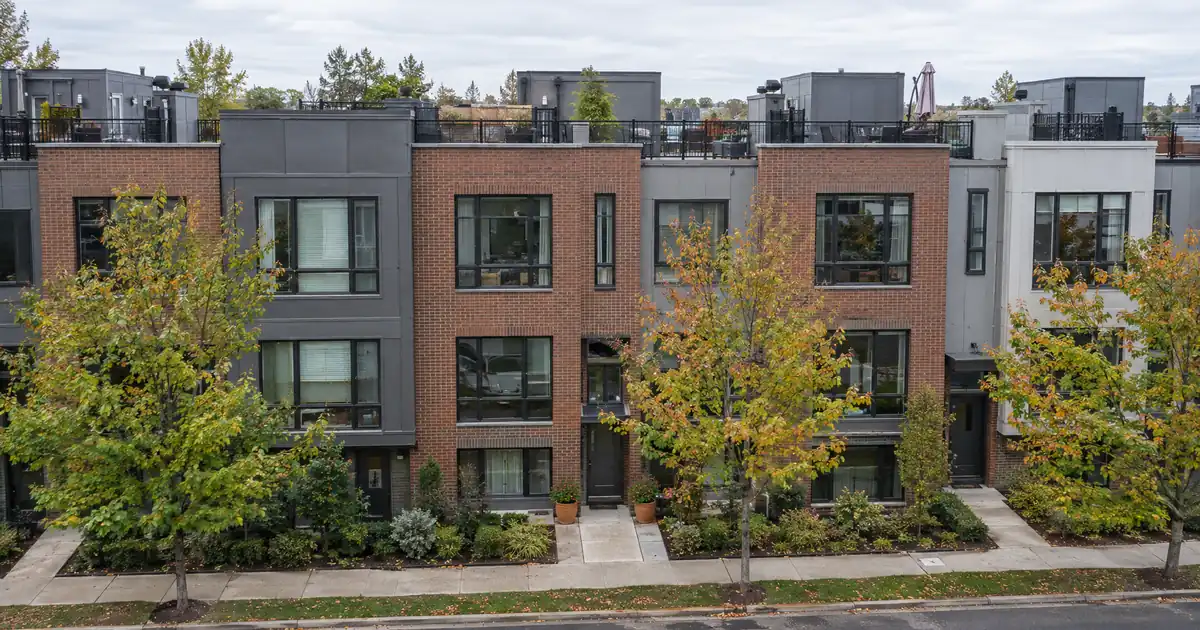
The Quick Read: A VA loan on a condo requires that VA has accepted the whole project, not just your unit. Your lender starts the review if the project is not already approved, and the HOA or management company supplies the documents. The review is slow and the board has to cooperate, so check the project’s status before you write an offer.
Here is what a veteran buyer needs to know before going under contract on a condo.
Key Takeaways
- Approval is project-level. VA looks at the building or community, then the unit passes its own appraisal.
- The lender submits the request. You do not file it, and neither does your agent.
- Check the project’s status first, and check it again before the appraisal and before closing.
- An unapproved project can stall a purchase for months, so contract timing matters.
- Project approval does not approve you. Your own file still gets a full review, and the unit still has to pass the appraisal.
VA payment estimate
Starting assumptions reflect an example price with no down payment and a first-use funding fee. Replace them with your own figures.
Editable benchmark: 7.32% as of October 22, 2026 · Freddie Mac 30-year average via FRED®. A conventional market reference, not a VA loan quote.
Illustrative starting assumptions: a $350,000 price, no down payment with full entitlement, a first-use funding fee financed into the loan, a thirty-year term at the current Freddie Mac benchmark, and property taxes and insurance estimated at typical national rates. Every field is editable.
Illustrative estimate only — not a Loan Estimate, approval, quote, or commitment to lend. The rate field carries the weekly Freddie Mac thirty-year conventional benchmark, a market reference and not a VA loan quote; your rate is set by the lender at lock. The funding fee follows VA’s published table for the use and down payment entered; the residual-income figure is VA’s guideline for the region and family size, and the rough residual shown subtracts only the housing payment and the debts entered, while VA also deducts taxes, maintenance and utilities. Taxes, insurance and dues are editable estimates; closing costs are not included. Licensed in sixteen states for consumer mortgages. Lendmire is not affiliated with or acting on behalf of the Department of Veterans Affairs.
What Does “Approved Project” Actually Mean for a VA Loan?
An approved project is a condominium that VA has reviewed and accepted, so a loan on a unit inside it can carry the VA guaranty. Without that acceptance, the loan cannot be guaranteed on that unit.
The rule sits in the federal regulations. 38 CFR Part 36, Subpart B says a loan for a one-family condo unit can be guaranteed on the same terms as other VA loans, but only if the loan meets the regulation’s condominium requirements. That one condition is what drives everything here.
Here is what stays the same on a condo. The VA loan itself works the way it does on a house. Across the VA loan programs Lendmire arranges through wholesale lenders, a purchase can run at 100% financing with no down payment, as long as the price is not above the appraised value. There is no mortgage insurance of any kind. With full entitlement there is no VA loan limit, and the wholesale programs start at a 580 decision score. All of that is subject to lender guidelines and a full file review.
The condo adds one extra gate. The project has to be acceptable before the loan can move.
How Do You Check Whether the Project Is Already Approved?
Ask your loan officer to look the project up in VA’s condo report before you make an offer. VA’s lender training material tells lenders to check the condo’s status in the Veterans Information Portal’s Condo Report before preparing a file. You, the buyer, usually cannot run that lookup yourself. Your lender can.
VA’s own list of statuses runs like this:
| Status | What it generally means | Your next move |
|---|---|---|
| Accepted Without Conditions | Project is currently acceptable | Proceed, re-check later |
| Accepted With Conditions | Acceptable, with conditions attached | Ask the lender what the conditions are |
| Pending | A review is in progress | Ask where it stands before you commit |
| Rejected | VA declined the project | Look at other buildings |
| Suspended | Acceptance is on hold | Treat as not usable until cleared |
| Unknown | No record found | The lender may need to start a review |
| HUD Accepted | Older FHA-era acceptance | Lender may need to contact VA’s loan center |
The status names come from VA’s training deck. The “next move” column is practical advice from the file desk, not a VA rule.
Do this before the offer, not after. A buyer who finds out at the appraisal stage that the project is unknown has already burned earnest money and calendar.
Who Does What in a Project Approval?
The lender submits the request, the HOA or its manager supplies the documents, and VA decides. The buyer’s job is to push the right people at the right time.
Many buyers assume they file the application. They don’t. A Michigan community association law firm describes the process under the VA Lenders Handbook: the lender sends a written request, along with the condominium’s organizational documents, to the VA office with jurisdiction.
| Party | Role |
|---|---|
| Buyer | Chooses the project, presses the board to cooperate |
| Agent | Gets the board or manager contact, writes contract timing |
| Lender | Checks status, submits the request, tracks the review |
| HOA or manager | Supplies governing documents and project information |
| VA | Reviews and accepts, conditions, or rejects |
Notice what is missing: any role for the buyer as a filer. If your lender tells you to fill out a project application yourself, ask why.
How Does an Unapproved Project Get Approved? (Step by Step)
A project gets approved when the lender submits a complete package and VA finds the legal documents meet the condominium rules. The path below shows how that usually runs.
1. Confirm the status. The lender checks the Condo Report. If the project shows as unknown or not accepted, a review is the only path forward.
2. Talk to the HOA. The board or management company has to agree to supply documents. Without that, nothing moves. More on this below.
3. Lender packages the request. The lender sends the written request and the organizational documents to the VA office of jurisdiction.
4. VA reviews the documents. VA checks the legal documents against the condominium rules in 38 CFR Part 36. Examples of what the documents control: leasing restrictions are limited, and a developer has to hand over control of the association within set periods.
5. VA decides. The project comes back accepted, accepted with conditions, or rejected. If it is accepted, the status updates.
6. Appraisal and your own underwriting. Approval of the project does not replace your qualification. The unit still has to pass the VA appraisal for value and minimum property requirements, and your file gets a full review.
7. Re-check before closing. Status can change between offer and closing. A re-check before the appraisal and again before closing is a habit, not a VA rule, but it prevents ugly surprises.
The same law firm notes a request can be expedited in two cases: a project already approved by another federal agency, or documents VA has substantively reviewed before. It also says approval of an unapproved project “may take several months.” That is a practical estimate, not a VA service standard, but plan around it.
What Do the Condo Documents Have to Show?
The documents have to show a project that fits VA’s condominium rules: lawful legal structure, clear title and lien treatment, limited leasing restrictions, and a path for owners to take control from the developer.
The Lenders Handbook ties the attorney-review piece to the condominium regulation and the title and lien rules in the sections that follow it. In practice, the pieces that stall projects are:
- Governing documents with restrictive clauses, such as tight limits on renting units out
- Developer control that never transfers to owners on a clear schedule
- Unclear title or lien treatment in the legal documents
On the financial side, reviewers screen for the health of the association: depleted reserves, frequent special assessments, and a lot of owners behind on dues. Those also hit your household budget, which is why a project that struggles to get approved is often a project to think twice about. Specific percentage thresholds circulate on lender sites, and they conflict with each other. Treat none of them as VA’s rule until your lender confirms current requirements against the Lenders Handbook.
Fees for the review vary, and no clear figures exist for what buyers pay. Ask your lender what, if anything, falls to you.
How Do You Get the HOA on Board?
Approach the board through your agent, explain what you need, and make the case that an approved project helps every owner. A VA-approved building opens the door to a larger buyer pool at resale, which is the board’s real incentive.
Practical steps that tend to work:
- Get the manager’s contact before you write an offer, not after
- Ask whether the project has ever applied for VA acceptance, and whether a prior file exists
- Tell them the lender, not the owners, handles the submission
- Ask if the board will provide the documents and project information the lender requests
Some boards say no. They don’t see the benefit, or they don’t want the paperwork. Others are slow. Treat a board that won’t engage as a signal. If the board can’t get a form back to your lender, you likely can’t close on that schedule.
Here is where it gets tricky for first-time condo buyers. The seller may say the building “should be approved.” Don’t rely on that. Only the status in the Condo Report counts.
Where the General Rule Breaks: Edge Cases
Several situations can trip up buyers. In each, the project’s current VA status is what controls.
FHA approval no longer carries over automatically. HUD changed the FHA condo rules so they no longer conform to VA requirements. VA’s training material says VA stopped accepting HUD/FHA project approvals in place of its own review as of December 7, 2009. Projects approved earlier may still show a “HUD Accepted” status. The federal regulation still says a condo acceptable to HUD or USDA “may also be acceptable” to VA, but in practice, you go by VA’s current status. A seller saying “it’s FHA-approved” tells you very little.
Single-unit (“spot”) approval is contested. Some websites claim VA offers a lender-submitted, single-unit review, the way FHA does. VA’s published project-approval materials do not clearly describe a single-unit option. Don’t count on one. Assume the project must be approved, and ask your lender what route applies in your case.
Townhouse versus condo. The legal form of ownership decides this, not the building style. A townhouse in a condominium regime needs project approval. A townhouse owned in fee simple does not.
PUDs differ from condos. Planned unit developments do not need VA project approval, but the title and lien requirements still apply. A state-specific exception exists in at least one place. A Michigan law blog reports VA told lenders to treat site condominiums like single-family homes, but that post is from 2020, so have your lender confirm current treatment.
New construction and conversions face additional presale and occupancy tests. Percentages vary by source, so ask your lender for the current test.
What Does This Mean for Your Contract?
An unapproved project can stall the purchase and put your earnest money at risk. Build the contract around that reality.
A loan cannot be guaranteed on a unit in an unapproved project, so the review sits squarely on the critical path. If the review runs for months, a buyer on a fixed schedule may be better off choosing another property.
A practical contract checklist:
- A financing contingency that names VA project acceptance, not just loan approval
- An extension clause tied to the review, so you aren’t forced to close or forfeit while VA still has the file
- A clear walk-away date, agreed in writing, if the project is not accepted
- A requirement that the seller or HOA deliver documents to your lender by a set date
Approval status can also change, so don’t assume a project that was accepted earlier is still accepted today. Confirm its current status at each stage of the purchase.
Is the Condo Worth Pursuing? A Simple Decision Test
Pursue it when the status is already accepted, or when the board is cooperative and your timeline can absorb the wait. Move on when the board won’t engage, the documents have blockers the HOA won’t amend, or your contract can’t stretch.
| Situation | Reasonable call |
|---|---|
| Project shows accepted | Proceed, re-check before closing |
| Project unknown, board cooperative, flexible contract | Worth a try |
| Project unknown, board silent, tight contract | Look elsewhere |
| Project rejected or suspended | Look elsewhere unless the board will fix the cause |
| Seller says “FHA-approved” only | Check the VA status before anything else |
If a project is denied, ask the lender what VA cited. Some causes, like restrictive clauses, can be fixed if the board amends its documents and resubmits. Others, like a weak financial picture, take time. Either way, a denial is information about the building you were about to buy into.
Key Terms Defined
Project approval: VA’s acceptance of the whole condominium project, which has to be in place before a loan on a unit can carry the VA guaranty.
Condo Report: The lookup in VA’s portal where lenders check a project’s current status.
HUD Accepted: An older status from the period when FHA project approvals could stand in for VA’s review.
PUD: A planned unit development, which generally does not need VA project approval but still has to meet title and lien rules.
Residual income: The money left after your major obligations each month, which is the controlling test in VA underwriting.
Funding fee: A one-time VA charge that can be financed, with figures that depend on use and down payment, and waived for exempt veterans.
How Does Your Own Qualification Fit In?
Project approval and your approval are separate. A cleared project doesn’t mean your file is cleared.
Across the wholesale programs Lendmire works with, residual income is the controlling test. The 41% debt-to-income figure is a guideline, not a cap. A ratio above it needs residual income well above the table. Your certificate of eligibility (COE) comes from VA, and service requirements are VA’s rules.
The funding fee can be financed. For a first-use purchase it is 2.15% with less than five percent down, 1.5% with five to under ten percent down, and 1.25% with ten percent or more down. Subsequent use is 3.3% with less than five percent down, with the same 1.5% and 1.25% tiers above that. It is waived for veterans receiving compensation for a service-connected disability and the other exempt groups. All of this is subject to lender guidelines and full file review, and none of it is a commitment to lend.
Condo costs show up in your budget, too: HOA dues, special assessments, and how healthy the association’s reserves are. Lenders look at those because they affect what you can carry.
Common Mistakes
- Assuming FHA approval equals VA approval. It stopped working that way in 2009.
- Assuming VA will approve just your unit. No primary VA source supports it.
- Treating the buyer as the applicant. The lender submits.
- Equating project approval with your own approval. You still qualify, and the unit still appraises.
- Skipping the re-check. Status changes. Look again before the appraisal and before closing.
- Calling a condo-regime townhouse a house. Legal form decides.
If you are buying a home and want to see whether a VA loan fits your file, Lendmire can help you compare the options and what each one asks of the file.
Frequently Asked Questions
Can I get one unit approved instead of the whole project?
Don’t count on it. The federal regulation and VA’s guidance describe project-level acceptance, and they do not describe a single-unit option. Some websites claim otherwise. Ask your lender what route applies to your property.
Who pays for the project review?
It varies. Ask your lender up front whether any cost falls to you and who the HOA expects to pay it.
If the condo is FHA-approved, is it VA-approved?
No. VA stopped accepting HUD/FHA project approvals in place of its own review as of December 7, 2009. An older “HUD Accepted” status may still appear, so the lender should check the current VA status.
How long does project approval take?
A law-firm summary says approval of an unapproved project may take several months. That is a practical estimate, not a VA standard. Build slack into the contract or pick a project that is already accepted.
Does an approved project mean I’m approved for the loan?
No. You still have to qualify, and the unit still has to pass the VA appraisal for value and minimum property requirements. Residual income is the controlling test on your side.
For your own numbers, request a scenario review with Lendmire.
About Lendmire
Lendmire — NMLS# 2371349 — is a mortgage broker that arranges FHA, VA, conventional and jumbo home purchase and refinance financing in 16 states through wholesale lenders. Every option is subject to the lender’s guidelines and full underwriting. Scotsman Guide named Lendmire a Top Mortgage Workplace in both 2025 and 2026.
Get Started
Ready to find the right loan for you?
In about 30 seconds you can review financing options available for your home or investment property. No commitment required.
Informational only. Not a Loan Estimate, approval, or commitment to lend. Program availability and eligibility are subject to lender guidelines, credit approval, property review, and underwriting.
References
1. VA Condominium Approval Process presentation
2. Michigan Community Association Law Blog
This article is part of Lendmire’s VA loan program — full qualification details, guidelines, and scenarios live on the program page.
Related reading: VA Loan Partial Entitlement Rules for a Second Purchase · Can You Use a VA Loan Again With Partial Entitlement? · Can You Restore Entitlement Without Selling on a Second VA Loan?
Brandon Miller
Founder & CEO, Mortgage Loan Originator, Lendmire LLC
- Mortgage Loan Originator · NMLS# 1129696 · Verify on NMLS Consumer Access
- North Carolina Real Estate Broker · License# 343312 · Verify on NCREC
- North Carolina Insurance Producer · License# 19053198 · Property, Casualty, Life, Health · Verify on NAIC SBS
- Lendmire LLC · Firm NMLS# 2371349 · Verify firm licensure
Disclosures. The information presented in this article is general market commentary, not financial, legal, or tax advice. Lendmire is a mortgage brokerage (NMLS# 2371349) — not a direct lender or depository institution — and loan placement is subject to lender underwriting. Nothing in this content represents a commitment to lend. Loan terms, pricing, and program availability vary based on borrower qualifications, property characteristics, and state of subject property, and are subject to change at any time. Lendmire complies with Equal Housing Opportunity requirements. Consumer access: nmlsconsumeraccess.org.