
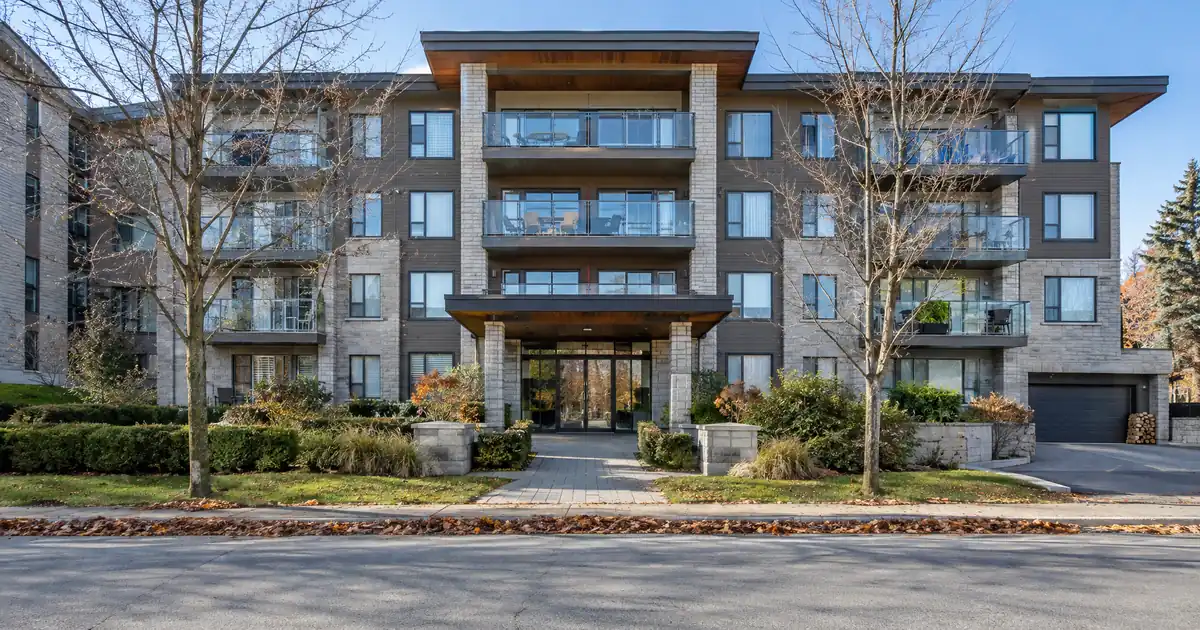
The Quick Read: Single-unit approval lets you use an FHA loan on a condo even when the building is not on HUD’s approved list. The lender reviews your unit and the building against a subset of FHA’s project rules, then decides. You still have to qualify as a borrower on your own, and the building has to pass its own test. Both checks must clear.
Single-unit approval used to be called “spot approval.” Same idea, newer name. This guide walks through how it works, step by step, so you know what to do before you write an offer.
Key Takeaways
- FHA insures condo loans in two kinds of buildings: FHA-approved projects, and non-approved projects that meet single-unit approval requirements, per HUD.
- Your credit and income are one review. The building’s finances, occupancy and insurance are a second review.
- Start the paperwork before the offer is final. The homeowners association (HOA) has to return documents, and you do not control its pace.
- A building can fail even when you are a strong borrower. Plan a fallback.
FHA payment estimate
Starting assumptions reflect an example price and the FHA minimum investment. Replace them with your own figures.
Editable benchmark: 7.32% as of October 22, 2026 · Freddie Mac 30-year average via FRED®. A conventional market reference, not an FHA loan quote.
Illustrative starting assumptions: a $350,000 price, the FHA minimum investment as the down payment, a thirty-year term at the current Freddie Mac benchmark, and property taxes and insurance estimated at typical national rates. Every field is editable.
Illustrative estimate only — not a Loan Estimate, approval, quote, or commitment to lend. The rate field carries the weekly Freddie Mac thirty-year conventional benchmark, a market reference and not an FHA loan quote; your rate is set by the lender at lock. FHA mortgage insurance follows HUD’s published schedule for the term, leverage and loan size entered; taxes, insurance and dues are editable estimates; closing costs are not included; county loan limits are not checked here. Licensed in sixteen states for consumer mortgages. Lendmire is not affiliated with or acting on behalf of FHA, HUD, or the federal government.
What Is Single-Unit Approval, Exactly?
Single-unit approval is a way to finance one condo unit with an FHA loan when the whole project has not been approved by HUD. HUD says FHA can insure a mortgage on a one-family unit in a project, paired with an undivided interest in the common areas. The legal basis is Section 203(b) of the National Housing Act.
The building must meet four basic conditions, per HUD:
- It is not already FHA-approved.
- It is complete and ready for occupancy.
- It has at least five dwelling units.
- It is not a manufactured home project.
On top of that, the project has to meet a subset of the full approval rules. HUD names FHA insurance concentration, owner-occupancy percentage and the project’s financial condition.
Why does this matter to you? Plenty of buildings never went through full approval, and others let their approval lapse. Per the National Association of Realtors, NAR, the loss of spot approvals before HUD’s 2019 rule greatly reduced the condos available to FHA borrowers. Single-unit approval put that option back.
Here is how the two paths compare.
| Factor | Full project approval | Single-unit approval |
|---|---|---|
| Who applies | HOA or association, via HUD or lender review | Your lender, for your unit |
| What is reviewed | The whole project | Your unit plus a subset of project rules |
| Covers | Every buyer in the building | Your loan only |
| Form | HUD-9992 | HUD-9991 |
Is a Building Off the Approved List a Dead End?
No. Off the list is a paperwork status, not a verdict on the building. HUD’s approved-condo search in FHA Connection lists projects that went through full review, and each gets a Condo ID. Projects that never went through review, or whose status shows Expired, Rejected or Withdrawn, can still be considered under single-unit approval, per HUD’s FHA Connection help page.
An expired status often means the association never renewed the paperwork. It does not mean the roof is leaking. Still, expired or never-approved buildings land in the same spot: they go through the single-unit test, and the building’s headroom matters.
What Does the Building Have to Pass?
The building has to show it is healthy, mostly owner-occupied and not overloaded with FHA loans. That is the plain-English version of the subset HUD describes.
Here is what decides the outcome on most files:
- FHA concentration. This is the share of units with active FHA-insured loans. HUD’s help page cites a 10% maximum for projects of ten or more units. That page is older, so ask your lender for the current limit. Fully approved projects get a much higher ceiling, which NAR puts at 50%.
- Owner-occupancy. FHA wants a building where owners live, not mostly investors. NAR summarizes the single-unit requirement as at least 50% owner-occupancy.
- Commercial space. NAR reports a cap of 35% on commercial space.
- Financial health. Lenders look at reserves, how many owners are behind on dues, and the budget.
- Insurance. Liability, fidelity, hazard and flood coverage all come under the HUD Handbook’s single-unit section, per the form instructions.
- Litigation. Active lawsuits against the association can stop a file.
- Investor ownership. Too many units held by one owner can be a problem.
I will be straight about one thing. Several of those thresholds, like the reserve test, the dues-delinquency cap and single-owner limits, differ by lender overlay, and I will not hand you a number that might be wrong for your file. Ask your loan officer for the current standard before you tour.
Small buildings are their own case. Single-unit approval needs at least five units. A building with two to four units is a different property type, and manufactured-home condo projects are excluded altogether. Those need full project processing.
How Is the Loan Underwritten, Step by Step?
Two reviews run side by side: you and the building. The borrower side follows normal FHA rules. The condo side adds the steps below.
Step 1: Check the building. Your lender or agent looks the project up on HUD’s approved list. If it is there, you may not need single-unit approval at all. If it is not, you move to Step 2.
Step 2: Qualify yourself first. In the wholesale FHA programs I place files with, financing tops out at 96.5% with a 3.5% minimum investment at a decision score of 580 or higher. Ratios start at 31/43 (housing to total debt) with no compensating factors. Documented compensating factors can reach 40/50 at the top tier, and the automated finding governs most files. All of this is subject to lender guidelines and full file review.
Step 3: Request a case number for single-unit approval. Case-number assignment is part of the single-unit gate, and HUD staff handle it. HUD’s FHA INFO page lists it among holds-queue actions. This is also how concentration gets checked against other FHA loans in the building.
Step 4: Complete Form HUD-9991. The lender fills out this questionnaire using information gathered within the last 90 days. Sources can include the association or its management company, public records, or third parties. Sections 1 through 3 apply to every file. Section 4 applies only to units in unapproved projects. HUD’s instructions are explicit that submitting the form is not an approval. The lender must review the answers against FHA requirements.
Step 5: Collect the HOA documents. HUD publishes a minimum documentation list for single-unit approval. It includes the signed HUD-9991, the prior year’s income and expense statement, insurance evidence, litigation paperwork where it applies, and flood documents where they apply. Your project may face additional requests.
Step 6: Appraisal. The unit is appraised under standard FHA appraisal rules. There is no separate “SUA appraisal.”
Step 7: Lender decision. The lender owns the call on whether the project meets requirements. Only after that does the file move toward your Closing Disclosure and endorsement.
Section 4 of the form asks pointed questions. It covers the project’s legal phase, whether it sits in the Coastal Barrier Resources System, whether a certificate of occupancy was issued less than a year ago or the unit was never occupied, any adverse FHA determination, and whether the developer has handed control to the owners.
Where Does the Process Break Down?
The usual snag is the association, not you. The HOA or its management company has to return the HUD-9991 data and documents. If they sit on the request, your file sits too.
Three edge cases come up often:
- New or recently finished buildings. HUD’s form flags a certificate of occupancy under a year old and never-occupied units as items to disclose. Some sources say single-unit approval is for established projects only, and I could not confirm that wording from HUD, so ask your lender.
- Buildings near the concentration cap. A building already loaded with FHA loans can block you even with a clean file. Concentration counts both fully approved and single-unit loans, as lenders describe it.
- Federal disruptions. HUD staff control case-number assignment, so processing slowdowns on their end can affect you. During one federal shutdown, HUD listed single-unit case-number assignment among the continuing activities, but staffing matters.
Refinances are a related story. HUD says FHA insures condo loans to purchase or refinance a unit. If you later want cash out of a condo, Lendmire’s piece How to Use Single-Unit Approval for an FHA Cash-Out on a Condo covers that path.
How Do You Work This Into Your Offer?
Start the lender conversation before you make the offer. That is the single most useful habit for a first-time buyer.
Here is a practical sequence:
1. Get pre-approved as a borrower. Talk to a mortgage broker that arranges FHA loan programs and confirm your side is solid.
2. Screen the building before you fall for it. Ask your agent whether the project is on HUD’s list, and ask the listing side basic questions about owner-occupancy, special assessments and lawsuits.
3. Tell your lender the address early. They can request the case number and the HOA package while you are still negotiating.
4. Write contract timing that fits the process. Ask your agent about financing and approval contingency language and deadlines that allow for the HOA’s response time.
5. Keep a fallback ready. If the building fails, you need a plan, whether that means a different unit or a different loan type.
Buyers using FHA also pay mortgage insurance. In the programs I work with, the upfront premium is 1.75% of the base loan, which is typically financed. The annual premium runs between 0.15% and 0.75% of the balance, depending on term, loan amount and LTV. On a thirty-year loan above 90% LTV, the annual premium lasts for the term. At or below 90%, it ends after eleven years. HUD’s Mortgagee Letter 2023-05 sets the 1.75% upfront figure.
HOA dues also count. They are part of your monthly housing cost and a lender weighs them when it qualifies you, which can nudge your ratios. Fannie Mae’s consumer site, Fannie Mae, lists HOA fees among general condo ownership costs.
What Does This Look Like in Practice?
Picture a first-time buyer who finds a unit in a mid-size building with well over five units. The building is not on HUD’s list. The buyer’s pre-approval is solid, with a 580-plus decision score and ratios inside the base 31/43 pair. The lender requests a case number, sends the HUD-9991 to the management company, and collects the association’s documents. The building shows healthy owner-occupancy, adequate insurance and no litigation. The lender reviews it, and the deal works forward. Single-unit approval worked because the building passed.
Now flip it. Same buyer, different building. The questionnaire shows the project is already close to its FHA concentration cap. The buyer’s credit is not the problem. The building is. The lender cannot proceed, and the buyer needs another route.
That second story is why I tell first-time buyers to screen the building before they get attached to the unit.
What If the Building Fails or the HOA Stalls?
Sort the problem into fixable or structural. Fixable problems are paperwork gaps or data the association can update. Structural problems are things like litigation or a concentration cap you cannot get around.
Your options, roughly in order:
- Push the HOA. Have the lender or your agent follow up with the management company, and give them the exact document list.
- Ask about full project approval. The association can submit Form HUD-9992 for HUD or program review. That takes the association’s cooperation and helps every future buyer.
- Switch buildings. Pick a project already on the approved list.
- Consider a different loan type. Conventional condo review standards are shifting, so ask your loan officer what applies right now. Fannie Mae accepts FHA-approved projects only in limited conventional situations, per its Selling Guide.
If you are self-employed and wondering whether FHA is even the right fit, Lendmire’s piece How to Pick FHA or Bank Statements as a Self-Employed First-Time Buyer walks through that choice.
A resale note, and this is my own read rather than a sourced rule: a building that stays within FHA limits is usually easier for your own future buyer to finance.
Key Terms Defined
Single-unit approval (SUA): FHA’s process for financing one unit in a condo project that HUD has not approved.
HUD-9991: The questionnaire the lender completes to review a unit and its project for single-unit approval.
FHA concentration: The share of units in a building with active FHA-insured mortgages.
HRAP and DELRAP: The two routes to full project approval, one reviewed by HUD and one by a lender.
Owner-occupancy: The share of units lived in by their owners rather than rented out.
Case number: The FHA identifier assigned to your loan, which is also how concentration gets checked.
Common Myths
- “If the building isn’t on HUD’s list, FHA is impossible.” Units in non-approved projects can qualify under single-unit approval.
- “Single-unit approval means HUD approves my unit.” HUD’s own form instructions say submitting the form is not an approval.
- “It only looks at my unit.” The project has to meet concentration, owner-occupancy and financial tests too.
- “Any building with four or more units works.” It takes at least five.
- “FHA lets half the building carry FHA loans.” That ceiling is for fully approved projects. Single-unit approval is capped much lower.
- “Approval never expires.” Project approvals do expire, and an expired status pushes the building into single-unit territory.
Program details, concentration limits and documentation requirements are subject to lender guidelines and full file review. Nothing here is a commitment to lend.
If you are buying a home and want to see whether an FHA loan fits your file, Lendmire can help you compare the options and what each one asks of the file. You can reach the team at 828-256-2183.
Frequently Asked Questions
Is spot approval the same as single-unit approval?
Yes. Spot approval is the older name for the same idea, an FHA review of one unit in a project HUD has not approved. The current rules sit in HUD’s Handbook 4000.1 under the condominium sections, and the project must still meet a subset of FHA’s project requirements.
Is it harder for first-time buyers?
Not by rule. The building review does not care whether you have owned before. First-time buyers do tend to feel the timing pressure more, since they are learning the process while the HOA gathers paperwork. Your borrower qualifications run separately under normal FHA rules.
What if the HOA will not cooperate?
The file stalls, because the lender needs the association’s information to complete the HUD-9991 and collect documents. Have your lender or agent send a clear, specific request. If the HOA still will not respond, you may need to move to a different building or loan type.
What if the project’s approval expired?
It is not dead for FHA. Projects showing Expired, Rejected or Withdrawn status can still be considered under single-unit approval, though concentration headroom and the other project tests still apply.
Can I back out if the building is denied?
That depends on the financing contingency in your purchase contract, so talk to your agent before you sign. Ask for contingency language and deadlines that match the approval process.
For your own numbers, request a scenario review with Lendmire.
About Lendmire
Lendmire is a mortgage brokerage (NMLS# 2371349) licensed for consumer mortgage lending in 16 states, arranging FHA, VA, conventional and jumbo purchase and refinance loans through a wholesale lending network. Eligibility is determined by the lender on each file. Scotsman Guide named Lendmire a Top Mortgage Workplace in both 2025 and 2026.
Get Started
Ready to find the right loan for you?
In about 30 seconds you can review financing options available for your home or investment property. No commitment required.
Informational only. Not a Loan Estimate, approval, or commitment to lend. Program availability and eligibility are subject to lender guidelines, credit approval, property review, and underwriting.
References
2. NAR – FHA Condominium Rule Assessment
3. HUD – FHA Connection Condominiums Help
4. HUD – Mortgagee Letter 2023-05
5. Fannie Mae
This article is part of Lendmire’s FHA loan program — full qualification details, guidelines, and scenarios live on the program page.
Related reading: Should a First-Time Buyer Pick a Conventional Loan Over FHA? · FHA Mortgage Insurance vs Conventional PMI for a First-Time Buyer · FHA Loan vs Conventional for a First-Time Buyer on Income-Driven Plan
Brandon Miller
Founder & CEO, Mortgage Loan Originator, Lendmire LLC
- Mortgage Loan Originator · NMLS# 1129696 · Verify on NMLS Consumer Access
- North Carolina Real Estate Broker · License# 343312 · Verify on NCREC
- North Carolina Insurance Producer · License# 19053198 · Property, Casualty, Life, Health · Verify on NAIC SBS
- Lendmire LLC · Firm NMLS# 2371349 · Verify firm licensure
Disclosures. The information presented in this article is general market commentary, not financial, legal, or tax advice. Lendmire is a mortgage brokerage (NMLS# 2371349) — not a direct lender or depository institution — and loan placement is subject to lender underwriting. Nothing in this content represents a commitment to lend. Loan terms, pricing, and program availability vary based on borrower qualifications, property characteristics, and state of subject property, and are subject to change at any time. Lendmire complies with Equal Housing Opportunity requirements. Consumer access: nmlsconsumeraccess.org.