
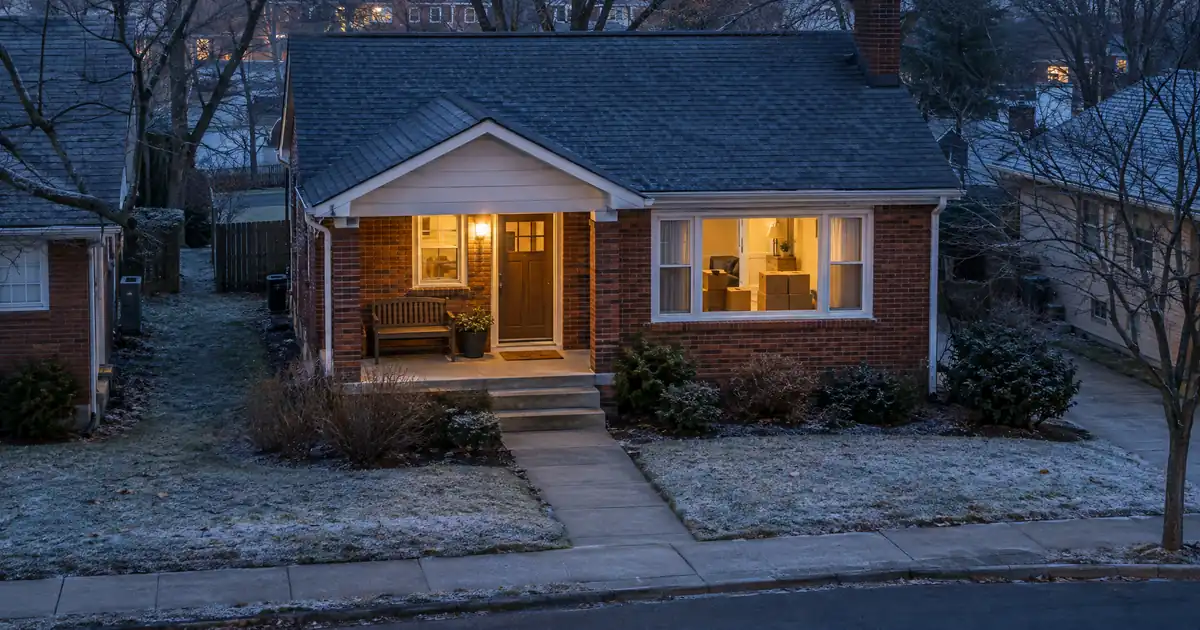
The Quick Read: Buying a new build with an FHA loan works when the home is a primary residence and the builder supplies the paperwork FHA requires. Across the wholesale programs Lendmire places FHA files with, a buyer can finance up to 96.5% of the price with a 3.5% minimum investment at a 580 decision score or higher. The loan itself is the easy part. The builder’s certification, the appraisal and the incentive limits are where new-build files succeed or stall.
Key Takeaways
- FHA covers homes not yet started, homes under construction and finished homes nobody has lived in. The stage decides the paperwork.
- The home must be your principal residence. Second homes and rentals are out.
- Builder credits are capped at 6% of the price, and they cannot fund your minimum investment.
- FHA does not inspect the home for you. A private inspector is your own call.
- The old 10-year warranty rule is gone. A one-year builder warranty remains.
Can You Use an FHA Loan on a New Build?
You can. FHA does not care whether a home is 40 years old or 4 weeks old. It cares that the home is your primary residence, meets minimum property standards, and appraises at or above the contract price. Lendmire’s FHA loan programs cover one to four units, so a new duplex you plan to live in also is reviewed on the occupancy side.
FHA payment estimate
Starting assumptions reflect an example price and the FHA minimum investment. Replace them with your own figures.
Editable benchmark: 7.32% as of October 22, 2026 · Freddie Mac 30-year average via FRED®. A conventional market reference, not an FHA loan quote.
Illustrative starting assumptions: a $350,000 price, the FHA minimum investment as the down payment, a thirty-year term at the current Freddie Mac benchmark, and property taxes and insurance estimated at typical national rates. Every field is editable.
Illustrative estimate only — not a Loan Estimate, approval, quote, or commitment to lend. The rate field carries the weekly Freddie Mac thirty-year conventional benchmark, a market reference and not an FHA loan quote; your rate is set by the lender at lock. FHA mortgage insurance follows HUD’s published schedule for the term, leverage and loan size entered; taxes, insurance and dues are editable estimates; closing costs are not included; county loan limits are not checked here. Licensed in sixteen states for consumer mortgages. Lendmire is not affiliated with or acting on behalf of FHA, HUD, or the federal government.
Here’s the catch. A new build adds a layer of builder-side documents that a resale never needs. Buyers who treat the builder’s paperwork as an afterthought are the ones who run into delays.
If a buyer asks about using FHA for a second home or a rental, the answer is one sentence: occupancy decides the leverage, and FHA is owner-occupied only.
What Counts as “New Construction” Under FHA?
FHA sorts new homes into three stages, and the stage controls which inspection and paperwork path your lender follows. HUD sets these definitions in Mortgagee Letter 2020-36.
| Stage | What it means | What follows |
|---|---|---|
| Proposed construction | No permanent material placed yet | Plans-based appraisal, builder certification |
| Under construction | Permanent material placed, no certificate of occupancy | Inspections during the build |
| Existing, less than one year | 100% complete, under a year from the certificate, never occupied | Certificate of occupancy or final inspection |
Digging a footing does not count as permanent material. So a lot with only a dug footing is still “proposed.”
Two edge cases matter. If anyone has lived in the home, FHA treats it as existing, and the new-construction paperwork drops away. The same is true once more than a year has passed since the certificate of occupancy. Some “new” listings fall into this bucket, and it can actually simplify your file.
Two Ways to Buy New With FHA
Most first-time buyers think of one path. There are two.
| Factor | Builder purchase | Construction-to-permanent |
|---|---|---|
| Typical buyer | Buying from a builder’s plan or inventory | Building on land you own or are buying |
| Closings | One, at completion | One before construction, or two-step |
| Who finances the build | Builder | Lender or builder, depending on structure |
| Complexity | Moderate | Higher |
The first path is a standard FHA purchase with new-construction paperwork added. The second is a construction loan program. HUD’s Mortgagee Letter 2019-08 splits these by one-time-close versus two-step structure, not by how long you have owned the land. In a one-time-close, the loan is set before construction begins. In the two-step, construction is financed separately, then an FHA mortgage takes it out after completion.
Lenders layer their own builder and credit requirements on top of HUD’s. That is a lender choice, not HUD policy. Some set a higher credit floor for construction files than for resales, so a score that works on an existing home may not clear a construction program.
How the Loan Is Underwritten, Step by Step
Think of a new-build file as two underwriting questions running side by side: the borrower and the property.
1. Pick the stage. Is the home proposed, under construction, or finished and never occupied? Everything else follows from that.
2. Sign with the builder and apply. Your contract and your loan application move together. The lender orders an FHA appraisal.
3. The builder certifies the plans and site. The appraiser must have a fully executed Form HUD-92541 before appraising a proposed, under-construction or recently finished home. The form covers site items such as flood hazard status. On the form itself, if certain site items are not checked, the property is ineligible for FHA-insured financing.
4. Appraisal and commitment. The underwriter issues HUD’s conditional commitment, which states that construction must equal or exceed applicable codes and HUD minimum property standards.
5. Inspections. Requirements vary by stage. For a finished home, the lender typically needs a certificate of occupancy or a final inspection from the appropriate authority.
6. Required file documents. The file needs the builder certification and the Warranty of Completion of Construction (Form HUD-92544). HUD lists both in its appraisal package guidance, which is archived reference material. Add termite and wood-infestation documents, plus well or septic reports where they apply.
7. Disclosures and closing. The lender must deliver your Closing Disclosure at least three business days before closing, per the CFPB.
Meanwhile, the borrower side runs on its own track. Across the wholesale programs Lendmire works with, FHA starts at a 580 decision score. The base ratio pair is 31/43 (housing over total debt) with no compensating factors. Documented factors can stretch that to 40/50 at the top tier, and the automated finding governs most files. All of this is subject to lender guidelines and full file review.
What Decides the Outcome
Five things, in rough order of how often they cause trouble on new builds:
- Whether the builder certification is complete and accurate.
- Whether the site passes FHA standards (flood zone, noise, termite protection).
- Whether the appraised value supports the contract price.
- Whether the required inspections or certificate of occupancy are in place.
- Your own credit, income and debt profile.
The first four are property questions your credit cannot fix. That is why an experienced builder who has closed FHA files before is worth real weight in your decision. A builder new to FHA paperwork can turn a clean borrower file into a slow one.
Builder Incentives and the 6% Cap
New-home sellers love incentives, and FHA allows them with a hard ceiling. This is one of the most misunderstood parts of the process.
Per HUD’s FHA Answers page, interested parties, including builders and developers, may contribute up to 6% of the sales price toward closing costs and prepaid items. Our program parameters match: seller or interested-party contributions run up to 6% of the price.
Three rules to know:
- Excess is an inducement. Anything above the cap, or above actual costs, reduces the purchase price dollar for dollar when the lender computes the adjusted value before applying LTV.
- No help with your minimum investment. Builder money cannot cover the 3.5% you must put in yourself.
- It must be documented. Contributions show up on the sales contract and the Closing Disclosure.
Lender premium-pricing credits sit outside the 6% limit, as long as the lender is not the seller, builder or developer.
Now the tradeoff. A builder may tie its best incentive to its preferred lender. That is a contract term, not a HUD rule. HUD does not require you to use the builder’s lender. The CFPB advises shopping and comparing Loan Estimates. Sometimes the builder’s package wins. Sometimes an outside lender with a smaller incentive nets out better. You will not know until you compare both on paper, and if a credit changes late, re-check a fresh Loan Estimate against your Closing Disclosure.
Mortgage Insurance on a New Build
Mortgage insurance works the same on a new build as on any FHA loan. There is an upfront premium of 1.75% of the base loan, which is typically financed into the loan. There is also an annual premium between 0.15% and 0.75% of the balance, depending on term, loan amount and LTV.
Duration matters. On a thirty-year loan above 90% LTV, the annual premium lasts for the full term. At or below 90% LTV, it ends after eleven years. A first-time buyer at 96.5% financing is almost always in the first group. That is a cost to weigh against the low down payment, and one reason some buyers refinance later once they have built equity. Exact terms depend on the lender’s guidelines, property type, leverage, and a full review of the borrower’s file.
Warranty, Inspection and Appraisal Risk
Warranty. Some builder and lender sites still describe a required 10-year warranty. That is outdated. HUD Mortgagee Letter 2019-05 eliminated the 10-year protection plan requirements. HUD reasoned that inspections and the Warranty of Completion achieve the quality-assurance goal more effectively. You still get a one-year builder warranty covering defects in equipment, material or workmanship.
Inspection. FHA does not inspect the home for you. HUD’s own conditional commitment form says so and encourages buyers to hire a private inspector. For a new build, a pre-drywall or final-stage inspection is a buyer-side decision with its own cost. Skipping it because “it’s brand new” is a common and costly assumption.
Appraisal. The appraised value has to support the contract price. Lot premiums and upgrades are where the gap tends to open. If the home appraises low, or if incentives exceed HUD’s limits, the value used for the loan drops and you may need more cash or a renegotiated price.
Which Path Fits You?
Walk through it plainly.
- Buying from a builder’s inventory or plan in a community? The standard purchase path usually fits. It is simpler, with one loan at completion.
- Own land, or buying land, and want a custom home? Look at a construction-to-permanent structure. Expect more lender conditions and a longer timeline.
- Credit near the 580 floor? Ask early whether the lender or program adds its own higher floor for construction. This is a classic flip point: a score that works for a resale may not work for a construction file.
- Want a rental or second home? FHA is the wrong tool. Occupancy decides the leverage.
Common Mistakes
- Treating the builder’s lender as required. HUD has no such rule.
- Assuming credits are unlimited. The cap is 6%.
- Assuming FHA inspects the house. It does not.
- Skipping the Closing Disclosure review. If it does not arrive three business days before closing, the CFPB says request one immediately and do not close until you have reviewed it.
- Ignoring construction timing. Builds can take months, and a delay can affect your approval and any locked terms, so ask how the lender handles a slipped schedule.
- Calling a year-old home “new” without checking whether anyone has occupied it.
Self-employed buyers face a separate fork. If that is you, Lendmire has a guide that compares FHA and bank statement loans for self-employed first-time buyers and lays out how the two paths compare on documentation. For a deeper requirements checklist, see FHA new build requirements for first-time buyers.
Key Terms Defined
Certificate of occupancy: The local authority’s sign-off that a finished home is safe to live in.
Builder’s certification (HUD-92541): The form where the builder certifies the plans, specifications and site meet FHA standards.
Warranty of Completion (HUD-92544): The document confirming the home was built to the approved plans, delivered to buyer and builder at closing.
Interested party contribution: Money from a builder, seller or agent toward your costs, capped at 6% of the price.
Upfront mortgage insurance premium: A one-time FHA charge, 1.75% of the base loan, usually financed.
One-time close: A construction structure where the loan is set before building begins and converts to permanent financing.
Inducement to purchase: Seller-side value above the cap or above actual costs, which reduces the value FHA uses.
Frequently Asked Questions
Can a first-time buyer use an FHA loan to buy a home that is not built yet?
Yes, if the home will be your primary residence and the builder supplies the required certification. The appraisal is plans-based, and your lender follows the proposed-construction path. Expect the file to carry more builder-side documents than a resale.
Does FHA still require a 10-year new-home warranty?
No. HUD removed that requirement in 2019. A one-year builder warranty remains, covering defects in equipment, material and workmanship. Some websites still describe the 10-year warranty requirement as current, so treat them with caution.
How much can the builder pay toward my closing costs?
Up to 6% of the sales price toward closing costs and prepaid items. That money cannot go toward your 3.5% minimum investment. Anything above the cap lowers the value used when the lender applies LTV.
Do I have to use the builder’s preferred lender?
No. HUD does not require it. A builder may tie an incentive to its lender, so compare Loan Estimates from both and weigh the incentive against the total picture.
What if the new home appraises below the contract price?
The loan is based on the lower value, so you would typically need to renegotiate, bring more cash, or walk away under your contract terms. Lot premiums and upgrades are the usual cause, which is why reviewing contract contingencies before you sign matters.
If you are buying a home and want to see whether an FHA loan fits your file, Lendmire can help you compare the options and what each one asks of the file. A new build rewards the buyer who lines up the builder paperwork, the incentive math and the inspection plan before the contract is signed.
For your own numbers, request a scenario review with Lendmire.
About Lendmire
Lendmire is a mortgage brokerage (NMLS# 2371349) licensed for consumer mortgage lending in 16 states, arranging FHA, VA, conventional and jumbo purchase and refinance loans through a wholesale lending network. Eligibility is determined by the lender on each file. Scotsman Guide named Lendmire a Top Mortgage Workplace in both 2025 and 2026.
Get Started
Ready to find the right loan for you?
In about 30 seconds you can review financing options available for your home or investment property. No commitment required.
Informational only. Not a Loan Estimate, approval, or commitment to lend. Program availability and eligibility are subject to lender guidelines, credit approval, property review, and underwriting.
References
1. HUD Mortgagee Letter 2020-36
2. HUD Mortgagee Letter 2019-08
4. HUD Archive: HOC Reference Guide, General Requirements
5. CFPB: What is a Closing Disclosure?
6. HUD FHA Answers: interested party contributions
7. CFPB: Know Before You Owe, Closing Disclosure
8. HUD Mortgagee Letter 2019-05
9. CFPB: What if I don’t get a Closing Disclosure?
This article is part of Lendmire’s FHA loan program — full qualification details, guidelines, and scenarios live on the program page.
Related reading: Does an FHA Loan Count Second-Job Income for a First-Time Buyer? · Can You Do an FHA Streamline Within the First Year of the Loan? · Can a First-Time Buyer Get an FHA Loan With an Unsourced Deposit?
Brandon Miller
Founder & CEO, Mortgage Loan Originator, Lendmire LLC
- Mortgage Loan Originator · NMLS# 1129696 · Verify on NMLS Consumer Access
- North Carolina Real Estate Broker · License# 343312 · Verify on NCREC
- North Carolina Insurance Producer · License# 19053198 · Property, Casualty, Life, Health · Verify on NAIC SBS
- Lendmire LLC · Firm NMLS# 2371349 · Verify firm licensure
Disclosures. The information presented in this article is general market commentary, not financial, legal, or tax advice. Lendmire is a mortgage brokerage (NMLS# 2371349) — not a direct lender or depository institution — and loan placement is subject to lender underwriting. Nothing in this content represents a commitment to lend. Loan terms, pricing, and program availability vary based on borrower qualifications, property characteristics, and state of subject property, and are subject to change at any time. Lendmire complies with Equal Housing Opportunity requirements. Consumer access: nmlsconsumeraccess.org.