
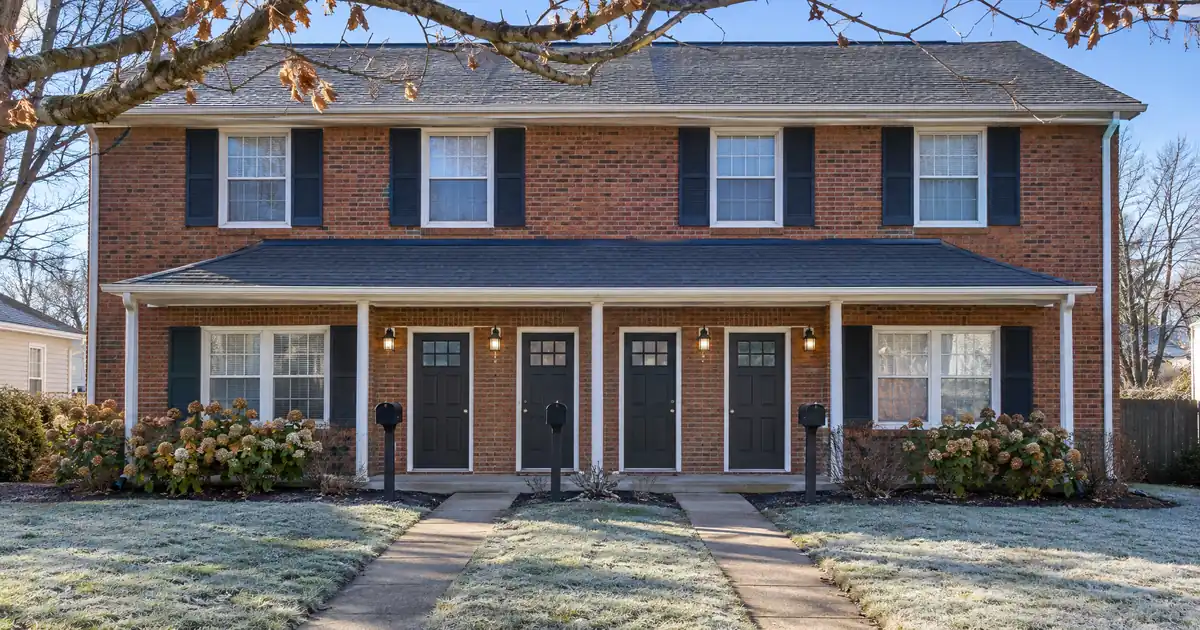
The Quick Read: Getting PMI off a 2-4 unit home early means asking for it, because the automatic 78% rule that covers a one-unit home does not apply here. The thresholds are lower, set by whoever owns your loan: 70% of original value at Fannie Mae and 65% at Freddie Mac. Current-value requests need a full interior and exterior appraisal on this property type. Details are subject to lender and servicer guidelines.
Key Takeaways
- The federal cancellation law is written for single-family primary residences. A 2-4 unit follows the investor’s servicing guide instead.
- Find out who owns your loan first. Fannie Mae and Freddie Mac use different thresholds.
- There is no 78% safety net on a 2-4 unit. A borrower who never asks can pay mortgage insurance for a long time.
- A second lien, a late payment, or a low appraisal can each stop a request.
- Lender-paid mortgage insurance and FHA insurance follow different exit paths.
Why Is a 2-4 Unit Different From a One-Unit Home?
A one-unit primary residence gets a statutory floor. A 2-4 unit does not. The CFPB describes the Homeowners Protection Act as covering single-family principal residences. Its page also says some lenders and servicers may allow removal under their own standards.
Conventional payment estimate
The starting figures are an example price at the first-time buyer’s minimum down payment. Replace them with yours.
Editable benchmark: 7.32% as of October 22, 2026 · Freddie Mac 30-year average via FRED®. A conventional market reference, not a conventional loan quote.
Estimate seeded at the low end of Fannie Mae’s published range (0.58%–1.86% a year); the insurer prices the actual premium on the score and the leverage. Applies only above 80% loan-to-value.
Illustrative starting assumptions: a $350,000 price, the first-time buyer’s minimum down payment, a thirty-year term at the current Freddie Mac benchmark, mortgage insurance at the low end of Fannie Mae’s published range, and property taxes and insurance estimated at typical national rates. Every field is editable.
Illustrative estimate only — not a Loan Estimate, approval, quote, or commitment to lend. The rate field carries the weekly Freddie Mac thirty-year conventional benchmark, a market reference and not a conventional loan quote; your rate is set by the lender at lock. The mortgage insurance figure is an editable estimate seeded from Fannie Mae’s published typical range, not a premium quote; the insurer prices the actual premium, and the cancellation month assumes scheduled payments with no extra principal and no change in value. Taxes, insurance and dues are editable estimates; closing costs are not included. Conforming loan limits apply by county. Licensed in sixteen states for consumer mortgages.
That is the whole story for 2-4 units. The rules that bind you sit in the investor’s servicing guide, and the servicer carries them out.
On a one-unit home, you can ask for cancellation at 80% of original value, and the servicer must terminate it at 78%. Those numbers get repeated in nearly every PMI article. On a 2-4 unit owner-occupied loan, they are the wrong numbers. Borrowers who plan around 78% on a duplex or fourplex will wait for a drop-off that does not come on schedule.
Occupancy and unit count drive the answer. The purchase side matters too. Across the conventional loan programs Lendmire arranges, a two- to four-unit principal residence can be financed up to 95% LTV, which means mortgage insurance is part of most of these files from day one. Subject to lender guidelines and full file review.
What Are the Thresholds at Fannie Mae and Freddie Mac?
Fannie Mae and Freddie Mac set different cutoffs for the same property. Fannie Mae lets a borrower request cancellation at 70% of original value. Freddie Mac sets it at 65%. Current-value routes use the same two numbers.
| Path | Fannie Mae | Freddie Mac |
|---|---|---|
| Original value, borrower request | 70% | 65% |
| Current value, borrower request | 70% (verify against current guide) | 65%, loan seasoned 2 years |
| Improvements waive seasoning | Seasoning waived; 70% LTV test still applies | Seasoning waived; 65% LTV test still applies |
| Automatic termination | Amortization mid-point | None for these loans, per insurer summaries |
Here is where each figure comes from. The Fannie Mae Servicing Guide B-8.1-04 covers 2-4 unit principal residences. It sets automatic termination at the amortization mid-point and the borrower-initiated test at 70% of original value. The Fannie Mae lender letter on current-value requests shows 70% or less on current value for this property type. That letter is older, so servicers apply the live guide.
For Freddie Mac, Section 8203.3 of the Guide sets 65% on original value with no minimum elapsed period. It also sets 65% on current value if the loan is at least two years old. The two-year seasoning is waived when substantial improvements raised the value, but the 65% test still applies. Freddie Mac files 2-4 unit loans under its “Non-HPA” definition in Section 8203.1.
Verify the exact rule with your servicer before you build a plan around it.
How Does the Request Work, Step by Step?
The process is a checklist. Most failed requests miss one item on it.
1. Find out who owns the loan. Ask the servicer whether Fannie Mae or Freddie Mac holds it. You can often look it up through the investor’s loan lookup tool. The answer sets your threshold, 70% or 65%.
2. Confirm the insurance is borrower-paid. If you pay a monthly premium that shows on your statement, it is borrower-paid. If the lender built the cost into the loan, it is lender-paid, and cancellation is generally not available. The usual exit there is a refinance.
3. Pick the value basis. Original value means the balance has to fall to the threshold against the purchase price or original appraisal. No new appraisal is needed, though the servicer checks that the value has not dropped. Current value means a new valuation, which fits when appreciation or renovation built equity.
4. Check the payment record. The loan must be current. Insurer summaries describe a common lookback of no 30-day late in the past 12 months and no 60-day late in the past 24. Fannie Mae’s consumer page gives the same history as a tip. Servicers apply their own reading, so ask.
5. Check for other liens. A HELOC or second mortgage can block cancellation. Servicers may ask for title evidence.
6. Make the request. Freddie Mac accepts verbal or written requests. Put it in writing anyway. A dated letter or portal message gives you a record.
7. Order the valuation if you are using current value. On 2-4 unit properties, Fannie Mae’s servicing guide F-1-02 says the servicer orders an interior and exterior appraisal. A drive-by or broker price opinion does not satisfy it. The valuation is at the borrower’s expense.
8. Confirm billing stopped. Keep paying until the servicer confirms in writing that the insurance is cancelled. Then check the next statement.
What Decides the Outcome?
Seven things decide it: the investor, the value basis, the appraised value, the payment history, junior liens, the loan’s age, and whether the insurance is borrower-paid.
The appraisal is the swing factor on the current-value route. A 2-4 unit is valued on both comparable sales and, often, rental income, so it is not as simple as a one-unit comp pull. If the appraisal comes in low, you pay for the report and the LTV still misses the line. That is the main risk of the route. Run your own estimate with local sales before you order.
The original-value route avoids the appraisal fee. It is slower, because the balance has to reach 70% or 65% on schedule or with extra principal. Extra principal payments shorten the wait. On this route the servicer still checks that the value has not declined.
What Counts as an Improvement?
Improvements can waive the two-year seasoning on a current-value request. Routine upkeep does not count.
The Fannie Mae guide separates the two. Qualifying examples include kitchen and bathroom renovations and added square footage. Repairs made to keep the property maintained and functional do not qualify. The servicer wants details of the work.
Even with the waiver, the LTV test remains. Freddie Mac keeps 65%.
One catch for house hackers. If you borrow against the property with a HELOC to pay for the renovation, that second lien can make you ineligible. Pay for the work another way, or refinance the whole thing.
Where Does the General Rule Break?
Several edge cases change the plan.
- Unusual loan structures. The CFPB notes the mid-point standard is more likely to apply to loans with an interest-only period, principal forbearance, or a balloon payment.
- Older loans. Freddie Mac’s Non-HPA definition covers loans originated before the federal law took effect.
- Modified loans and disaster-affected borrowers. The Fannie Mae guide has separate sections for each, including how the payment record is judged.
- Lender-paid insurance. Generally not cancellable.
- FHA loans. FHA insurance is a separate system. Fannie Mae’s consumer page says removal is more complicated and may involve refinancing.
- Jumbo and portfolio loans. These follow the lender’s own terms. Ask the servicer.
Here is a typical situation for the original-value route. Say a borrower bought a triplex with 5% down. Pricing and available terms vary by lender, borrower profile, property type, and full underwriting review. Scheduled payments alone take years to bring the balance down to the point where mortgage insurance can end. Appreciation can shorten that timeline, which is why the current-value route exists. Savings depend on the premium, which is a published range of 0.58% to 1.86% of the balance annually for typical borrowers, never a quote.
Should You Request Cancellation or Refinance?
Refinancing is the fallback, not the first move. A new loan resets original value to the new appraisal, and a new loan at 80% or less of that value generally needs no mortgage insurance. But it also brings a new closing cost, a new Loan Estimate, and a new set of terms.
Compare the one-time cost of the appraisal route against the ongoing insurance it would end. A refinance has to beat that by enough to pay for itself, and the break-even depends on the new terms.
On a two- to four-unit principal residence, a rate-and-term refinance can still come with mortgage insurance, because leverage above 80% requires it. So refinancing only removes PMI if the new LTV lands at 80% or lower.
Key Terms Defined
- PMI (private mortgage insurance): Coverage that protects the lender when your down payment is under 20%, usually billed monthly.
- LTV (loan-to-value): Your loan balance divided by the property’s value.
- Original value: The lower of the purchase price or the appraisal at closing.
- Current value: The property’s value from a new appraisal.
- Seasoning: The time that has passed since the loan began.
- Borrower-paid versus lender-paid insurance: Borrower-paid shows as a monthly line item and can be cancelled. Lender-paid is built into the loan terms and generally cannot.
- Junior lien: A second mortgage or HELOC behind the first loan.
What If the Servicer Says No?
Ask which test failed. It is usually one of four: the LTV, the payment history, a junior lien, or the valuation. Each has a fix. Pay down principal, wait out the late-payment window, pay off or subordinate the second lien, or order a new valuation.
If answers conflict, ask for the written policy and the investor name. Servicers apply the investor’s rules, and the guides are public. You can point to the exact section. If the loan is not agency-owned, the servicer’s own standards govern, as the CFPB page notes.
Frequently Asked Questions
Does PMI come off automatically on a 2-4 unit home?
Not on the one-unit schedule. The 78% rule applies to single-family principal residences. At Fannie Mae, a 2-4 unit loan terminates automatically at the amortization mid-point. For Freddie Mac, insurer summaries list no automatic termination, so a borrower who never asks may pay far longer. Confirm with your servicer.
Is the threshold the same at Fannie Mae and Freddie Mac?
No. Fannie Mae’s borrower-initiated test is 70% of original value. Freddie Mac’s is 65%. The same split carries into the current-value route. Find out which one owns your loan before you plan.
Do I need an appraisal to remove PMI?
Only on the current-value route. Fannie Mae’s guide calls for an interior and exterior appraisal on 2-4 unit properties, and the borrower pays. The original-value route needs no new appraisal, though the servicer checks that value has not declined.
Can a HELOC stop my request?
Yes. A second lien can block cancellation because the servicer needs to see the first mortgage is not stacked under other debt. Borrowers who open a HELOC to renovate should check eligibility first.
Can I cancel lender-paid or FHA mortgage insurance this way?
Generally not. Lender-paid insurance is built into the loan, and the usual exit is a refinance. FHA insurance follows separate rules and often requires a refinance as well.
Next Step
If you already hold a 2-4 unit conventional loan and want to see whether a refinance could end your mortgage insurance, Lendmire can help you compare the options and what each one asks of the file. Because the PMI exit on a 2-4 unit depends on the loan’s owner and the value basis, ask your servicer about both before you decide between a cancellation request and a refinance. Program details are subject to lender guidelines and full file review, and nothing here is a commitment to lend.
For your own numbers, request a scenario review with Lendmire.
About Lendmire
Lendmire — NMLS# 2371349 — is a mortgage broker that arranges FHA, VA, conventional and jumbo home purchase and refinance financing in 16 states through wholesale lenders. Every option is subject to the lender’s guidelines and full underwriting. Scotsman Guide named Lendmire a Top Mortgage Workplace in both 2025 and 2026.
Get Started
Ready to find the right loan for you?
In about 30 seconds you can review financing options available for your home or investment property. No commitment required.
Informational only. Not a Loan Estimate, approval, or commitment to lend. Program availability and eligibility are subject to lender guidelines, credit approval, property review, and underwriting.
References
1. CFPB
2. Fannie Mae Servicing Guide B-8.1-04
3. Fannie Mae Lender Letter LL-2018-03
4. Freddie Mac Guide Section 8203.3
5. Freddie Mac Guide Section 8203.1
6. Fannie Mae consumer site, Private Mortgage Insurance
7. Fannie Mae Servicing Guide F-1-02
This article is part of Lendmire’s conventional loan program — full qualification details, guidelines, and scenarios live on the program page.
Related reading: How to Remove PMI Early as a First-Time Buyer on a Conventional Loan · How to Get Preapproval for a Conventional Loan · How Much More Down Lowers PMI on a Move-Up Conventional Loan
Brandon Miller
Founder & CEO, Mortgage Loan Originator, Lendmire LLC
- Mortgage Loan Originator · NMLS# 1129696 · Verify on NMLS Consumer Access
- North Carolina Real Estate Broker · License# 343312 · Verify on NCREC
- North Carolina Insurance Producer · License# 19053198 · Property, Casualty, Life, Health · Verify on NAIC SBS
- Lendmire LLC · Firm NMLS# 2371349 · Verify firm licensure
Disclosure information. Lendmire is a state-licensed mortgage brokerage under NMLS# 2371349. Lendmire is not a depository institution, direct lender, or financial advisor — all loans referenced are placed through wholesale lender partners and are subject to each lender's underwriting standards. This article is provided for general informational purposes and is not a commitment to lend, nor does it constitute financial, legal, or tax advice. Loan programs, terms, rates, and qualification standards change without notice and depend on borrower profile, property type, and the state in which the subject property is located. Equal Housing Opportunity provider. NMLS Consumer Access: nmlsconsumeraccess.org.