
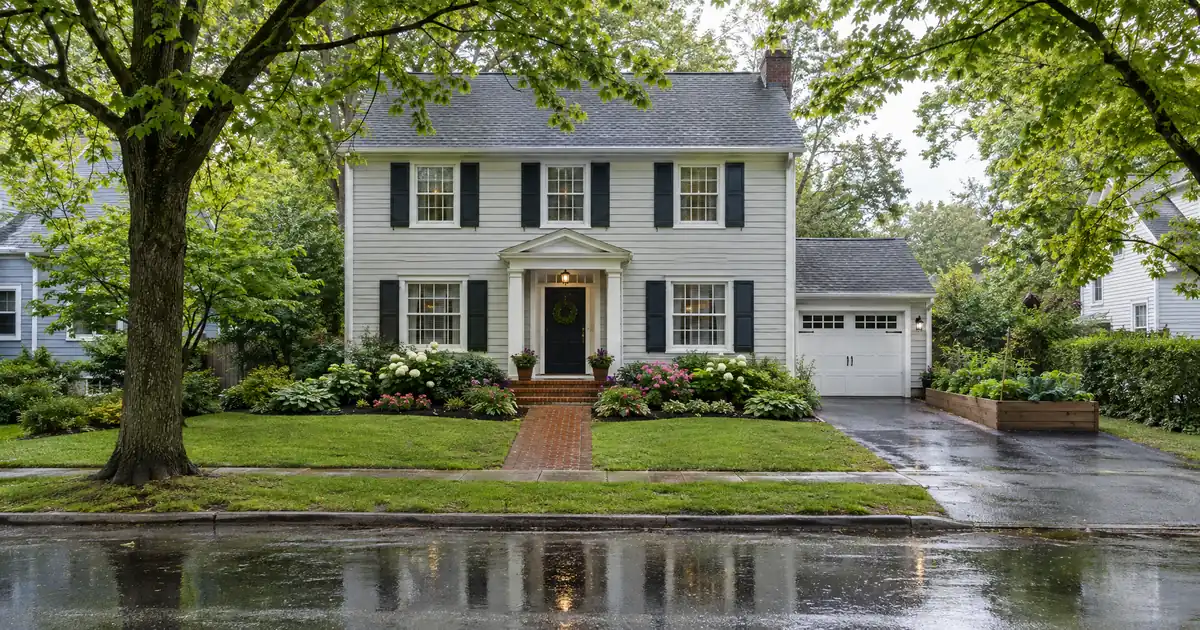
The Quick Read: You win by proving the financing will close on the contract price, not by outbidding anyone on cash. Sellers worry about delay, appraisal gaps and deals that fall apart. A pre-approval that names both your first mortgage and your assistance, with funds confirmed and documents in hand, answers those worries before the listing agent asks. The assistance itself is rarely the obstacle.
What Makes a Bid “Clean”?
A clean bid is one the seller believes will close. It has few contingencies, solid proof of funds, no requests for seller help, and a closing date the buyer can actually hit. An all-cash offer is the cleanest of all because no lender sits in the middle.
Your offer has a different job. You can’t copy the cash buyer’s cash. You can copy the certainty.
NAR’s profile of home buyers and sellers reports that first-time buyers sit at a record-low share of the market. It also reports that buyers with significant equity are making larger down payments and all-cash offers. That is the crowd you are bidding against in many markets.
Here is a plain definition of the tool in your hand. A down payment assistance option is money that helps cover your minimum down payment and sometimes closing costs, layered on top of a government-backed first mortgage. Lendmire’s down payment assistance programs come in four shapes, covered below. All of them are for an owner-occupied primary residence. Assistance is never available for a rental or second home.
What Do Sellers Actually Worry About?
Sellers worry about three things: time, failure and surprises. Nobody on the listing side cares how you funded your down payment. They care whether the deal dies in week three.
Here is what that looks like from the listing agent’s chair:
- Timing. Will an extra approval step push the closing date?
- Appraisal. If the home appraises low, can the buyer cover the gap?
- Paperwork. Is the file complete, or will a missing document stall it?
- Unfamiliarity. Has this agent seen this loan structure before?
There is also an old stigma. Some sellers read a small down payment as a sign the buyer is stretched. That is a perception problem, and you can fix a perception with paperwork.
Many buyers believe an assisted offer means a weaker approval. It doesn’t. Your first mortgage is underwritten on its normal rules, and the assistance is reviewed alongside it. The real added risks are timing, whether the funds are still available, and extra documentation.
How Does a DPA Offer Compare With Other Bids?
An assisted offer loses on cash, wins on flexibility, and can match a large-down-payment bid on certainty if you prepare. Cash has no lender risk. A big conventional down payment has little appraisal risk. A bare-bones low-contingency bid pushes risk onto the buyer.
| Factor | Cash offer | Large down payment | Low-contingency bid | Assisted offer |
|---|---|---|---|---|
| Lender risk | None | Some | Some | Some, documented |
| Appraisal exposure | None | Lower | Buyer carries it | Depends on your cash |
| Cash left after closing | Varies | Often thin | Often thin | Usually more |
| Seller help requested | Rarely | Rarely | Rarely | Can be reduced |
| Proof it will close | Bank statement | Pre-approval | Pre-approval | Pre-approval naming both |
That last row is the whole game. Your edge is that your file can be fully proven before you write the offer.
How Are the First Mortgage and the Assistance Underwritten?
The lender reviews both pieces as one file. Across the wholesale programs Lendmire places files with, the first mortgage is underwritten on its own program rules, and the assistance rides on top with its own credit floor and paperwork.
Here is the step-by-step:
1. Pick the first mortgage. FHA, USDA or HUD-184, depending on the home and your situation.
2. Pick the assistance shape. Grant, forgivable second, or repayable second (details below).
3. Apply once for the combined file. The lender runs your credit, income and the property through automated underwriting.
4. Finish homebuyer education if the grant needs it. It is an HUD-approved course, paid up front and credited back at closing.
5. Get a pre-approval that names everything. First lien, assistance, and program all appear in the letter.
6. Appraisal. The loan is based on the lesser of price or appraised value, so any gap is yours to cover or negotiate.
7. Closing. A second lien is recorded and disclosed as its own loan. A grant is released at closing with no lien.
Here is the FHA foundation. FHA requires a 3.5% minimum investment, which means 96.5% first-lien leverage. The upfront mortgage insurance premium is a percentage of the base loan and can be financed into it. Annual mortgage insurance varies by loan size and leverage. For 2026, one-unit FHA loan limits vary by county.
On the USDA side, USDA’s loan origination FAQ says assistance programs may be used as long as the guaranteed loan stays in first-lien position. It also says the second-lien payment gets entered into the underwriting system, so it counts in qualifying. A repayable second adds a real payment to your budget, and the lender must count it.
What Are the Four Shapes of Assistance?
Each shape fits a different buyer, and the choice changes how your offer reads. Percentages below are of price or value. Programs run through wholesale lenders and are subject to program guidelines and full underwriting.
The grant. It covers 2% or 3.5% of the purchase price toward your FHA minimum investment. There is nothing to repay. It is released at closing, with no lien, no payment and no interest. The credit floor is 620. You qualify with household income at or below 140% of area median income, or by fitting a qualifying category: first responders, educators, medical workers, civil servants, military personnel, first-time buyers, or buyers in an underserved census tract. Homebuyer education is required. It pairs with FHA first liens only and is not offered in Washington.
The forgivable second. It is 3.5% of the lesser of price or appraised value. No interest, no monthly payment. It is fully forgiven after 36 or 60 on-time first-lien payments, depending on the version. The credit floor is 640. It pairs with FHA, USDA and HUD-184 first liens, on one- to two-unit homes.
The repayable second. It is 3.5% or 5% of the lesser of price or appraised value. At 5%, it also covers closing costs and prepaid items. This is a real loan. It carries interest and a monthly payment, runs on a 30-year amortization, and has a balloon due in year 10. The credit floor is 660. It pairs with FHA, USDA and HUD-184 first liens.
The refinance-cost second. This one is for owners, not bidders. It covers 1% to 3.5% of the balance toward an FHA refinance, with combined leverage up to 104%. You won’t use it to buy, but it shows how the second-lien family works. Terms vary by lender guidelines, property type, leverage, credit profile, and full file review.
Nobody has to be a first-time buyer. Repeat and move-up buyers qualify. The second-lien options carry no income limit beyond USDA’s own on a USDA loan. Nothing stacks with another assistance program.
The program you pick shapes your offer. A grant leaves no lien and no added payment, so your budget stays clean. A forgivable second adds no monthly payment either. A repayable second adds one, and you want that settled before you commit to a price.
How Do You Close the Certainty Gap Before You Write the Offer?
Build the proof first, then bid. When your paperwork answers every seller worry in advance, the listing agent has nothing left to discount.
Work through this checklist:
- Get a full pre-approval, not a pre-qualification. The letter should name the first mortgage and the assistance.
- Confirm in writing that assistance funds are available. Funds can open, pause or run out. Grant-style programs tend to run out of funds faster than loan programs, because loan programs are replenished by repayments.
- Finish homebuyer education early if your option requires it.
- Upload documents up front. Pay stubs, bank statements and ID sitting in the file mean no mid-deal scramble.
- Use a loan team that has done this. An agent who has seen a hundred of these files doesn’t flinch at the structure.
None of this costs you money. All of it reads as certainty.
Timeline Friction (And How to Shrink It)
The extra review step on an assisted file is real. Pretending otherwise hurts you. The fix is to get that review done before you bid, not after the seller accepts.
If your pre-approval already includes the assistance, the remaining steps are appraisal, final underwriting and closing paperwork. That is the same list a cleaner financed bid faces. Then pick a closing date your lender confirms is realistic, and state it plainly in the offer. A realistic date beats an aggressive one you miss. Missing a date breaks trust, and trust is what wins the contract.
Which Offer Levers Can You Actually Pull?
You can pull the levers that add certainty without costing cash. Most bidding-war advice assumes you have spare savings. You may not, so choose carefully.
- A closing date that fits the seller. Flexibility on the closing or move-out date costs you nothing.
- A rent-back. Letting the seller stay a few days after closing can sway a decision.
- A fully documented pre-approval. Attach it every time.
- Earnest money you can afford to lose. Earnest money is the deposit that shows good faith. Make it meaningful but never a number that hurts if you walk away.
- Using assistance for closing costs, where your option allows it. That can reduce how much you need to ask the seller for.
- Waiving the appraisal contingency. If the home appraises low, you pay the gap in cash, with the lender financing only up to appraised value.
- Waiving the financing contingency. Without it, you could lose your deposit if the loan falls through.
- Large appraisal-gap pledges. Only offer what your own cash can truly cover.
- Uncapped escalation clauses. An escalation clause raises your bid automatically over a rival’s, up to a limit. Set a ceiling you can afford.
Seller money has limits too. Seller concessions can pay closing costs within FHA’s limit, but they can’t fund your minimum down payment. Assistance can do what seller help cannot.
A Worked Example: Two Bids, Same Price
Picture two offers at the same price on the same house. Bid A is a conventional buyer putting down a large percentage, with a standard pre-approval. Bid B is an FHA buyer with a forgivable second at 3.5% of price, a pre-approval naming both loans, written confirmation that funds are reserved, and a closing date the lender confirmed.
On paper, Bid A looks stronger because of the bigger down payment. The listing agent sees a complete file, a real date and no concession request. If Bid A comes in with a vague pre-qualification, Bid B can win on certainty alone.
Now flip it. Bid A is all cash. Bid B cannot beat it on certainty, and a price bump on top may still not be enough. This is the honest edge. Some bids can’t be beaten by a financed offer, and you shouldn’t try to out-stretch them.
Now consider an escalation clause for the assisted buyer. Say your base offer is at asking price, with an escalation to a ceiling a few percent higher. The assistance percentage scales with price or value on the second-lien options, so a higher final price changes your numbers. Run the full file at the ceiling price before you write that clause, so the number you promise is the number your file can carry.
What Should You Tell the Listing Agent?
Tell them what’s secured, not what’s hoped for. A short cover note does more than a long one. It should say four things:
1. You are fully pre-approved, with the letter attached. 2. Your financing is an FHA, USDA or HUD-184 first mortgage with a down payment assistance option, already reviewed. 3. Funds are confirmed available. 4. Here is the closing date your lender supports.
Expect these questions, and have answers ready:
- “Will this delay closing?” Point to the pre-approval that already includes the assistance.
- “What if it appraises low?” State your plan, whether it’s cash on hand or a price renegotiation.
- “Does the seller see the assistance?” Yes. The loan type shows in the contract and the closing paperwork, and being open about it builds trust.
- “Are you asking for concessions?” If the assistance covers your closing costs, the answer may be no.
Where the Rules Break Down: Edge Cases
A few situations catch buyers off guard.
Not every “program” is a government entity. For FHA, a gift or assistance from a governmental source needs documentation that the provider has real authority. HUD’s handbook defines governmental entity and instrumentality, and a provider that can’t document its status can derail a file mid-deal. Using a network option reviewed in advance avoids that surprise.
A family gift is a different file. A gift is simpler paperwork, but it also needs documented transfer of funds.
HUD-184 has no federal assistance built in. HUD’s Section 184 handbook says the program guarantees loans but does not itself provide down payment assistance or grants. Assistance on an 184 loan comes from a separate source, such as the repayable and forgivable second options described above.
“First-time buyer” is a loose label. Many programs define it as no ownership in the past three years. You may qualify even if you’ve owned before. It is only one of the grant’s qualifying categories anyway.
Nothing stacks. You cannot add a second assistance program on top. A mortgage credit certificate isn’t permitted with the second-lien options. Ask for combination rules in writing.
One occupancy rule. This is for a home you will live in. Not a rental, not a second home.
When to Wait or Walk Away
Walk away when winning means draining the reserves you’ll need after closing. A buyer who is approved isn’t automatically ready. If a cash bid is on the table and the seller has made it clear nothing else will do, chasing it with stretched finances is a mistake.
Use these as decision rules:
- If the price at which you’d win leaves you with no cash after closing, step back.
- If winning requires waiving both appraisal and financing protections, step back.
- If the house is drawing many offers, widen your search or target homes that have sat longer.
- If your assistance funds aren’t confirmed, don’t write an offer that depends on them.
Preserving cash is a legitimate strategy. Assistance exists so you don’t have to drain your savings, and a smaller down payment from your own pocket leaves you a cushion for repairs and emergencies.
Key Terms Defined
Minimum required investment: The smallest amount you must put into an FHA purchase, 3.5% of the lesser of price or appraised value for most borrowers.
Second lien: A separate loan recorded behind your first mortgage. It can be forgivable or repayable.
Appraisal gap: The difference between the contract price and a lower appraised value. You cover it with cash or a price change.
Contingency: A clause that lets you exit or renegotiate the contract if a condition fails, such as financing or appraisal.
Earnest money: The deposit you put down with your offer to show good faith.
Pre-approval: A lender’s written review of your credit, income and assets, stronger than a pre-qualification.
Frequently Asked Questions
Does using down payment assistance hurt my offer?
Not by itself. Sellers react to risk, not to the funding source. The risk to manage is timing and documentation, which a full pre-approval naming the assistance addresses.
Will the seller know I’m using assistance?
Yes. The loan structure appears in the contract and closing paperwork. Treat that as a reason to present it confidently up front, with the pre-approval attached.
Can I compete against an all-cash offer?
Sometimes, but not always. A financed bid can win when the cash offer is weak on price or flexibility. Against a strong cash bid at a similar price, a certainty-based approach may still fall short, and that’s a reason to wait or pick another home.
Should I waive contingencies to win?
It’s one way to win, but it shifts risk onto you. Waiving appraisal or financing protection can cost you your deposit or force you to cover a gap in cash. With thin savings, keep them in place and compete on documentation and timing instead.
Can I ask the seller to cover my down payment?
No for FHA. Seller and agent money can cover closing costs within FHA’s limit, but not your minimum investment. Assistance fills that role.
If you are buying a primary home and want to see whether a down payment assistance option fits your file, Lendmire can help you compare the grant, forgivable and repayable structures alongside an FHA, USDA or HUD-184 first mortgage, through wholesale lenders and subject to program guidelines and full underwriting. This is not a commitment to lend.
Investors who want the broader program framework can review how DSCR loans work.
About Lendmire
Lendmire — NMLS# 2371349 — is a mortgage broker that arranges FHA, USDA and HUD-184 home purchase financing with grant-style, forgivable and repayable down payment assistance options in 16 states through wholesale lenders. Every option is subject to the lender’s guidelines and full underwriting. Scotsman Guide named Lendmire a Top Mortgage Workplace in both 2025 and 2026.
Get Started
Ready to find the right loan for you?
In about 30 seconds you can review financing options available for your home or investment property. No commitment required.
Informational only. Not a Loan Estimate, approval, or commitment to lend. Program availability and eligibility are subject to lender guidelines, credit approval, property review, and underwriting.
References
1. NAR 2025 Profile of Home Buyers and Sellers (news summary)
2. HUD
3. USDA RD SFH Guaranteed FAQ, loan origination
This article is part of Lendmire’s down payment assistance program — full qualification details, guidelines, and scenarios live on the program page.
Related reading: Does Down Payment Assistance Require a Homebuyer Class? · Does Using Down Payment Assistance Make Approval Harder? · Can You Get Down Payment Assistance After Owning a Home Before?
Brandon Miller
Founder & CEO, Mortgage Loan Originator, Lendmire LLC
- Mortgage Loan Originator · NMLS# 1129696 · Verify on NMLS Consumer Access
- North Carolina Real Estate Broker · License# 343312 · Verify on NCREC
- North Carolina Insurance Producer · License# 19053198 · Property, Casualty, Life, Health · Verify on NAIC SBS
- Lendmire LLC · Firm NMLS# 2371349 · Verify firm licensure
Legal disclosures. Lendmire (NMLS# 2371349) is a state-licensed mortgage brokerage that arranges financing through wholesale lender relationships. Lendmire is not a direct lender, depository institution, or registered financial advisor. The discussion above is general informational content about real estate financing — it is not financial, legal, or tax advice, and readers should consult licensed professionals for guidance on their individual circumstances. Loan inquiries are subject to lender underwriting; this article does not represent a commitment to lend. Loan terms, rates, and qualification standards vary by borrower, property, and state, and are subject to change at any time. Equal Housing Opportunity. NMLS Consumer Access: nmlsconsumeraccess.org.