
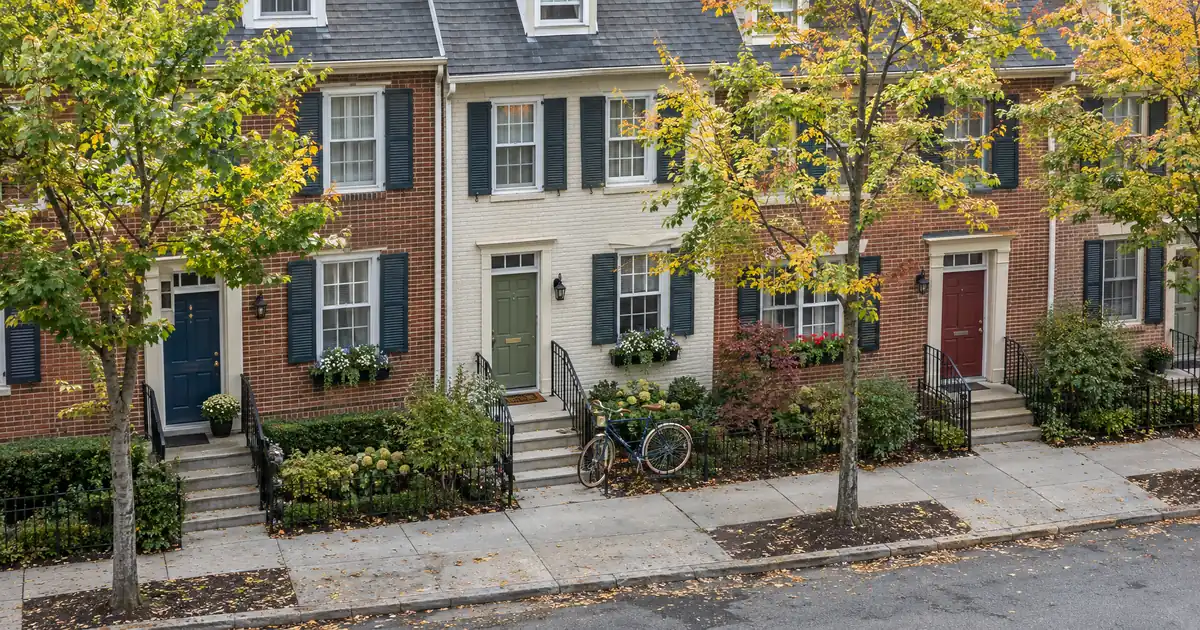
The Quick Read: The amount is a percentage of your price or value, not a flat entitlement. In an expensive market, that percentage lands on a bigger number, so the help can be larger in dollars. The share depends on which of four structures you use: a grant, a forgivable second lien, a repayable second lien, or a refinance-cost second. Each one is arranged through wholesale lenders, subject to program guidelines and full underwriting.
Key Takeaways
- Assistance is sized as a percentage of price or appraised value. It is not a promised dollar amount.
- The grant is 2% or 3.5% of price and has nothing to repay. The seconds are loans.
- No option requires you to be a first-time buyer. Repeat and move-up buyers qualify.
- The county loan limit caps your first mortgage. The grant cannot sit on a high-balance first lien, while the repayable second can.
- Everything here is for an owner-occupied primary residence only.
What Does “Assistance” Mean in an Expensive Market?
It means a program covers part of your minimum cash investment, and sometimes part of your closing costs. In a costly county, your price is higher, so a percentage-based program produces a larger dollar figure. A fixed-dollar cap would not. That difference in shape matters more than any headline number.
Many public programs cap assistance at a set amount. Those caps cover a shrinking share of the purchase as prices rise. The Urban Institute reports more than 1,600 programs nationwide, and most are second mortgages rather than grants. The programs we arrange work differently: each is a percentage of price or value.
Lendmire’s down payment assistance programs sit on top of an FHA, USDA or HUD-184 first mortgage. Lendmire is a mortgage broker licensed for consumer lending in 16 states. It arranges these loans through wholesale lenders and does not lend or underwrite itself.
Four Different Limits Buyers Confuse
Buyers mix up four numbers. Keep them apart and the whole topic gets easier.
- The assistance amount. A percentage of price or value, set by the option you choose.
- The income test. Applies only to the grant, and even there only if you are not in a qualifying category.
- The purchase price. Nothing here sets a price cap for you, but the assistance percentage applies to the lesser of price or appraised value on the seconds.
- The first-loan limit. The county FHA limit caps your first mortgage.
That last one trips people up. HUD sets FHA’s one-unit limits from $541,287 in lower-cost counties to $1,249,125 in the most expensive ones. Those limits shape the first loan. They do not change the assistance percentage. But they do decide which option you can use: the grant needs a first lien that is not high-balance, while the repayable second allows one.
How the First Lien and the Assistance Get Underwritten
The first mortgage comes first, and the assistance is built around it. Here is the order we see on files.
1. Pick the first lien. FHA, USDA or HUD-184. The grant pairs with FHA only. The forgivable and repayable seconds also pair with USDA and HUD-184.
2. Check the county limit. FHA’s first loan must fit the county limit. In a high-cost county that limit is higher, so the first loan can be larger. Remember that the grant does not allow a high-balance first lien.
3. Choose the assistance shape. Each has its own credit floor, unit count and rules, covered below.
4. Run the file through automated underwriting. The assistance options follow the automated finding. Manual underwriting is allowed on the forgivable second but not on the repayable one.
5. Underwrite both loans together. A repayable second adds a monthly payment, and that payment counts in your qualifying ratios. A forgivable second and a grant add none.
6. Close. A grant has no lien. A second lien is recorded behind the first and comes with its own disclosure.
Underneath, FHA requires a minimum required investment based on the lesser of price or appraised value. An upfront mortgage insurance premium applies to the base loan and can be financed. Annual mortgage insurance applies on top. The assistance can supply the minimum investment, but it does not remove the insurance.
The Four Structures Side by Side
| Factor | Grant | Forgivable second | Repayable second | Refinance-cost second |
|---|---|---|---|---|
| Size | 2% or 3.5% of price | 3.5% of price or value | 3.5% or 5% of price or value | 1% to 3.5% of balance |
| Repay? | Nothing to repay | Forgiven over time | Yes, a real loan | Yes, same terms |
| Monthly payment | None | None | Yes | Yes |
| Credit floor | 620 | 640 | 660 | 660 |
| First lien | FHA | FHA, USDA, HUD-184 | FHA, USDA, HUD-184 | FHA 203(b) refinance |
Credit floors are the lowest representative score among borrowers, subject to program guidelines. Blended scores can apply on the seconds, with minimums a bit lower than the floors when the primary wage earner earns at least 60% of household income and holds the higher score.
The Grant: Nothing to Repay
The grant is 2% or 3.5% of the purchase price toward your FHA minimum investment. It is released at closing with no lien, no payment and no interest. Across the wholesale programs we place files with, it is the cleanest structure, and it is also the one with an income test.
You qualify if your household income is at or below 140% of area median income. You also qualify, regardless of income, if you fall into a category. Those include first responders, educators, medical workers, civil servants, military personnel, first-time buyers, and buyers in an underserved census tract. An HUD-approved homebuyer education course is required. You pay for it up front and the cost is credited back at closing.
The grant applies to one-to-four-unit primary residences on FHA first liens, with no high-balance first lien. In a county where your loan would need to be high-balance, that rules the grant out. It is not offered in Washington. It cannot be combined with any other assistance program.
The Forgivable Second: Stay and It Disappears
This is a second lien of 3.5% of the lesser of price or appraised value. It carries no interest and no monthly payment. It is forgiven after your first 36 or 60 on-time first-lien payments, depending on the version, as long as you have no delinquency of 90 days or more.
It is still a loan until forgiven. Sell or refinance early and the unforgiven balance comes due, which reduces what you walk away with. The credit floor is 640, one-to-two units, with no income limit beyond USDA’s own on a USDA first lien. Forgivable does not mean free. It means conditional on staying.
The Repayable Second: The Option for Bigger Markets
This is the one that often fits high-cost buyers with thin savings. It is 3.5% or 5% of the lesser of price or value. At 5%, the extra 1.5% goes toward closing costs and prepaid items.
It is a real second loan. It carries interest, a monthly payment, a 30-year amortization and a balloon due in year 10. It has its own loan disclosure and balloon disclosure. High-balance first liens are allowed here, which matters in expensive counties. The credit floor is 660, and manual underwriting is not allowed.
Plan for the payment before you commit. That payment goes into your ratios. A buyer who barely clears qualifying without it may not clear with it. USDA’s guaranteed-loan FAQ confirms the underlying rule on that side: assistance is allowed as long as the guaranteed loan stays in first lien position.
The Refinance-Cost Second
If you already own your home and want an FHA refinance, there is a version for you. It covers 1% to 3.5% of the lesser of your current first-lien balance or appraised value toward closing costs on an FHA 203(b) refinance. Combined leverage can reach 104%. It is never used on a streamline refinance or to refinance an existing assistance loan, and the repayment terms match the repayable second.
A Buyer Walk-Through, No Dollar Signs
Picture a repeat buyer moving up in a pricey county. Their savings cover most of the 3.5% minimum, but not closing costs. They are not a first-time buyer, and their income runs above the grant’s 140% test. They are also not in a qualifying category.
The grant is out. The forgivable second works if they plan to stay five years and can live without a payment. The repayable second at 5% covers the down payment and closing costs, but adds a monthly payment and a year-10 balloon. They would compare the two against their ratios and how long they expect to own.
Now picture a school teacher buying in the same county. Their category qualifies them for the grant regardless of income. They get nothing to repay and no second payment, but need FHA, a primary residence, a first loan that is not high-balance, and the education course. The same county, the same price and a different path.
Where the General Rule Breaks
Nothing stacks. No option combines with another assistance program. A mortgage credit certificate is not permitted with the seconds.
Assistance is not a gift in the technical sense. Anything that creates a lien is secondary financing under older HUD guidance, even when it is soft or forgivable. A grant with no lien is different.
Refinancing a USDA loan. The USDA handbook says an assistance second must be subordinated or paid off. It cannot be rolled into a new guaranteed loan.
HUD-184 has no assistance of its own. The program guarantees loans. Tribes or housing authorities may provide help separately, and we pair the seconds with an 184 first lien.
Property types narrow. The grant covers one-to-four-unit primary residences, FHA-approved condominiums and PUDs. The seconds cover single-family detached or attached homes, condominiums and PUDs. Minor non-structural repairs up to $5,000 can be escrowed at 150% of the estimate and finished within 90 days.
Primary residence only. A second home or rental does not qualify.
Funding moves. Public programs can run out or change. Programs change, and every file is underwritten individually.
Key Terms Defined
Minimum required investment: The smallest amount FHA requires you to put into the purchase, 3.5% of the lesser of price or appraised value.
Second lien: A loan recorded behind your main mortgage, repaid after the first if you sell.
Balloon: A large lump sum due at the end of a loan term, here in year 10.
Area median income: The midpoint household income for your county, used to set income tests.
Combined loan-to-value: Your first loan plus all second loans, divided by value.
What to Do First
Start by deciding how long you expect to own the home. A short stay favors the grant or a repayable second. A long stay favors a forgivable second. Then check your credit score against each floor, and see whether a qualifying category fits you. An HUD-approved housing counselor can help you find programs, and the CFPB points buyers to one through its special loan programs page.
If you are buying a primary home and want to see whether a down payment assistance option fits your file, Lendmire can help you compare the grant, forgivable and repayable structures alongside an FHA, USDA or HUD-184 first mortgage. Reach the team at 828-256-2183.
Frequently Asked Questions
Will I get more assistance because I live in an expensive market?
Often yes in dollars, because the percentage applies to a larger price. The percentage itself does not change. The county loan limit caps your first mortgage, and the grant cannot sit on a high-balance first lien, while the repayable second can. All options are subject to program guidelines and underwriting.
Do I have to be a first-time buyer?
No. Repeat and move-up buyers qualify for every option. The three-year first-time definition is only one of the categories that qualify you for the grant.
Do I have to repay it?
The grant has nothing to repay. The forgivable second is forgiven after 36 or 60 on-time payments. The repayable second is a loan with a monthly payment and a balloon in year 10.
Can I earn too much to qualify?
Only for the grant, and only if you are outside every qualifying category. Its test is household income at or below 140% of area median income. The second-lien options carry no income limit beyond USDA’s own on a USDA first lien.
Can I use it on a rental or second home?
No. Assistance is for an owner-occupied primary residence only.
About Lendmire
Lendmire is a mortgage brokerage (NMLS# 2371349) licensed for consumer mortgage lending in 16 states, arranging government-backed purchase loans and the down payment assistance options that sit on top of them through a wholesale lending network. Eligibility is determined by the lender on each file. Scotsman Guide named Lendmire a Top Mortgage Workplace in both 2025 and 2026.
Investors who want the broader program framework can review how DSCR loans work.
Get Started
Ready to find the right loan for you?
In about 30 seconds you can review financing options available for your home or investment property. No commitment required.
Informational only. Not a Loan Estimate, approval, or commitment to lend. Program availability and eligibility are subject to lender guidelines, credit approval, property review, and underwriting.
References
1. Urban Institute – DPA awareness
2. HUD FHA Lenders – Maximum Mortgage Limits
This article is part of Lendmire’s down payment assistance program — full qualification details, guidelines, and scenarios live on the program page.
Related reading: Is Down Payment Assistance Worth It for a First-Time Buyer? · Down Payment Assistance vs. a Gift for a Cash-Short Conventional Buyer · Does Down Payment Assistance Work in High-Cost Housing Markets?
Brandon Miller
Founder & CEO, Mortgage Loan Originator, Lendmire LLC
- Mortgage Loan Originator · NMLS# 1129696 · Verify on NMLS Consumer Access
- North Carolina Real Estate Broker · License# 343312 · Verify on NCREC
- North Carolina Insurance Producer · License# 19053198 · Property, Casualty, Life, Health · Verify on NAIC SBS
- Lendmire LLC · Firm NMLS# 2371349 · Verify firm licensure
Important disclosures. Lendmire (NMLS# 2371349) is a licensed mortgage brokerage. Lendmire is not a direct lender, depository institution, or financial advisor. All loan inquiries are subject to lender underwriting; this article does not constitute a commitment to lend. Rates, terms, and program guidelines are subject to change without notice and vary by borrower profile, property type, and state. Information in this article is general in nature and is not financial, legal, or tax advice. Equal Housing Opportunity. NMLS Consumer Access: nmlsconsumeraccess.org.