
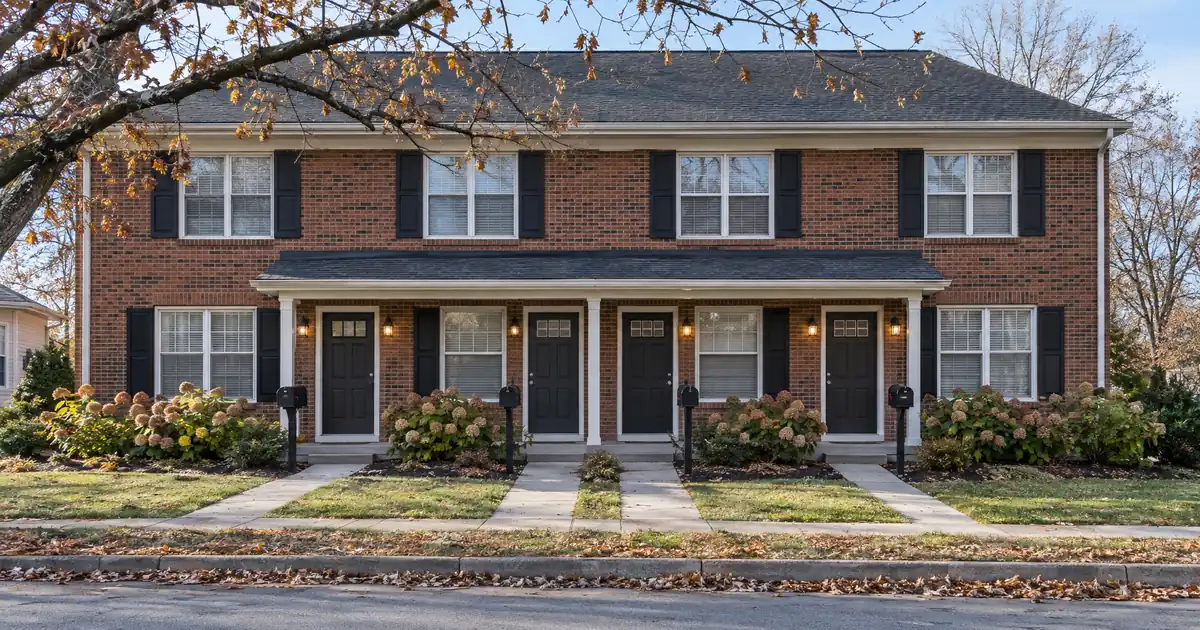
The Quick Read: A family gift and a down payment assistance option are two separate sources of money, and each one needs its own paper trail. The gift needs a signed letter and a traceable transfer from the donor. The assistance follows the program’s own rules and is disclosed to the lender up front. On a 2-4 unit home, the unit count also decides which assistance shapes are even on the table.
Gift Funds vs. DPA: Two Different Kinds of Money
A gift is personal money from someone close to you. DPA is a program that adds money to your purchase, either as a grant or as a second loan. Underwriters treat them differently, so you document them differently.
Here is the split in plain terms:
| Factor | Family gift | DPA option |
|---|---|---|
| Who provides it | A relative or other acceptable donor | A program arranged with the first mortgage |
| What it is | Money with no repayment | Grant, forgivable second, or repayable second |
| Proof the lender wants | Gift letter, donor trail, your deposit | Program documents and disclosures |
| Changes your debt? | No | Only if the second lien is a loan |
Many buyers assume the two cancel each other out. They don’t. A personal gift from a relative is not another assistance program, so the “nothing stacks” rule in down payment assistance programs refers to a second program, not to family help. Whether a gift fits a particular file depends on the first lien, the assistance shape, and the lender’s review.
One more point matters before the details. Every option here is for an owner-occupied primary residence. You live in one unit and may rent the others. A second home or a pure rental doesn’t qualify.
Which Assistance Shapes Work on a 2-4 Unit Home?
For a 3-4 unit purchase, only one of the four shapes is available: the grant. The grant works on 1-4 unit primary residences. The forgivable and repayable seconds are limited to 1-2 units. The fourth shape, the refinance-cost second, also reaches 1-4 units, but it applies to FHA refinances, not purchases. That split shapes the whole file.
Across the wholesale programs Lendmire arranges, here is how the shapes line up:
| Shape | Units | First lien | Credit floor |
|---|---|---|---|
| Grant (2% or 3.5% of price) | 1-4 | FHA | 620 |
| Forgivable second (3.5%) | 1-2 | FHA, HUD-184, USDA | 640 |
| Repayable second (3.5% or 5%) | 1-2 | FHA, HUD-184, USDA | 660 |
| Refinance-cost second | 1-4 | FHA refinance | 660 |
The grant is released at closing with nothing to repay. It requires a homebuyer education course and a household income at or below 140% of area median income. You can skip the income test if you are a first responder, educator, medical worker, civil servant, military member, or first-time buyer. Buying in an underserved census tract also skips it. It is not offered in Washington.
The forgivable second carries no interest and no payment. It is forgiven after 36 or 60 on-time first-lien payments. The repayable second is a real loan with interest, a monthly payment, and a balloon due in year 10. At 5%, it also covers closing costs and prepaid items.
Nobody has to be a first-time buyer. Repeat buyers qualify. The second-lien options carry no income limit beyond USDA’s own on a USDA first lien.
Underneath all of it sits the FHA minimum investment of 3.5% of the lesser of price or appraised value. FHA also charges an upfront mortgage insurance premium on the base loan, which can be financed. Those two facts matter for gift math, because a gift usually fills part of that minimum investment or helps with closing costs.
Step by Step: How the File Comes Together
Documenting both sources is a sequence, not a pile of papers. Work the steps in this order and the numbers will match at the end.
1. Tell your loan officer about both sources at the start. Name the donor, the relationship, and the assistance shape you want. Late surprises cause most of the trouble.
2. Pick the assistance shape that fits the unit count. A triplex or fourplex points to the grant. A duplex opens up the seconds as well.
3. List every source on the application. Gifts and grants have their own section on the loan application. A second lien is counted in your combined leverage.
4. Collect the gift letter. Both you and the donor sign and date it. The next section lists what it must say.
5. Prove where the money came from. The donor’s account shows the withdrawal. Your account shows the deposit.
6. Handle the assistance paperwork. The grant needs your homebuyer education certificate. A second lien comes with its own loan disclosure, and a repayable second adds a balloon disclosure.
7. Match every number. The letter, the transfer, and the final closing figures should agree.
A lender will rarely accept a gift with a missing step. Each step answers a question an underwriter is trained to ask.
What the Gift Letter Must Say
For FHA, HUD’s FHA guidance says the gift letter must be signed and dated by both donor and borrower. It also lists four items the letter must state.
| Required item | Why it matters |
|---|---|
| Donor’s name, address, phone | Lets the lender verify who gave it |
| Relationship to you | Confirms the donor is an acceptable source |
| Dollar amount | Must match the transfer exactly |
| No repayment required | Separates a gift from a loan |
Use your lender’s template if one exists. An online form that leaves out a field can send you back to the donor for a new signature.
Here is the catch with that dollar amount. A gift stated as one figure but transferred in three smaller pieces creates a mismatch the underwriter has to resolve. If a donor plans to send money in stages, say so at the start.
Proving the Transfer
The letter says the gift exists. The transfer record proves it. Underwriters want two proofs, and they are separate: the gift itself and the movement of the money.
There are two timing paths. If the money lands in your account before closing, the file shows the donor’s withdrawal and your deposit. If the money goes straight to the settlement agent, the lender confirms the agent received it from the donor.
| Transfer path | What the file needs | Common pitfall |
|---|---|---|
| Check or transfer into your account | Donor withdrawal plus your deposit | Deposit amount differs from letter |
| Wire to you | Donor’s wire record plus your statement | Donor sends several smaller wires |
| Wire or official check to settlement agent | Agent’s receipt matched to donor’s account | Funds arrive late or from the wrong account |
| Cash handed over | Rarely workable | No traceable path |
For USDA files, USDA’s own program guidance says cash on hand is not an acceptable explanation for a gift’s source. Many lenders apply the same logic on FHA files. Lenders also generally want more than a line item on closing paperwork as proof. Ask your loan officer exactly which evidence they will accept for your first lien.
The Document Map: Who Produces What, Who Reviews It
Most buyers don’t know which person wants which paper. This map shows who owns each document when a gift and assistance are both in play.
| Document | Who produces it | Who reviews it |
|---|---|---|
| Gift letter | You and the donor | Lender |
| Donor withdrawal record | Donor’s bank | Lender |
| Your deposit record | Your bank | Lender |
| Homebuyer education certificate (grant) | Course provider | Lender |
| Second-lien note and disclosures | Assistance provider | You, lender, title |
| Settlement agent receipt of funds | Title or escrow | Lender |
Questions about the gift go to your loan officer. Questions about the assistance structure also go to the loan officer, since the broker arranges both. Title or escrow handles the last-mile receipt of funds.
Where the General Rule Breaks
Most of the above holds on almost every file. These are the places it doesn’t.
USDA and true multi-unit homes. USDA does not fit a real duplex, triplex, or fourplex. USDA’s loan origination FAQ says one unit of a duplex may be eligible, but you cannot buy both units because that makes it an income-producing property. For a true 2-4 unit purchase, the first lien is realistically FHA or HUD-184. USDA also carries a 90% guarantee, an income cap, and a primary-residence requirement, per USDA’s program page.
FHA on 3-4 units. FHA treats 3-4 unit properties differently. A reduced share of the appraiser’s estimated market rent must cover the full housing payment. That test can limit the loan amount no matter how much help you have. You still qualify on your own income and credit, not on the rent alone. Check the details in HUD Handbook 4000.1.
Reserves. Some 3-4 unit FHA files require reserves, which are savings left after closing. Whether leftover gift or assistance money counts as reserves depends on the underwriting method and the current handbook. Ask before you assume.
Gift of equity. On FHA, only family members can give equity credit on a sale to another family member. The seller lowers the price instead of handing over cash. It is documented differently from a cash gift.
Interested parties. A seller, builder, or agent cannot gift you money. Gifts from entities tied to the sale are treated as inducements. For HUD-184 files, those gifts are subtracted from the sales price. The 184 guarantee provides no assistance itself, so the help comes from the second lien or another source.
Excess funds. A gift larger than what you need can create a cash-back problem. The second-lien assistance is meant to cover purchase costs, not to put cash in your pocket. Keep the gift sized to the need.
Multiple donors. Each donor gets their own letter and paper trail. That is common practice, not a published rule, so confirm with your loan officer.
A Worked Example
Picture a buyer purchasing a duplex as a primary home, living in one unit. She is using an FHA first lien at 96.5% leverage. Her parents want to help. Exact terms depend on the lender’s guidelines, property type, leverage, and a full review of the borrower’s file.
She chooses the grant at 3.5% of the price, which fills the whole 3.5% minimum investment. Her household income is under 140% of area median, and she completes the homebuyer course. Her parents’ gift goes toward remaining closing costs.
The paper trail looks like this:
- Grant: program approval, education certificate, and disclosure of the 3.5%.
- Gift: a signed letter, her parents’ withdrawal, and either her deposit or the title company’s receipt.
- Own money: whatever she contributes toward costs, shown separately in her statements.
Now change one fact. If she were buying a fourplex, the second-lien options would drop out and the grant would be the path. If she picked a forgivable second instead of the grant, the gift letter would still stand on its own and the second lien would add its own note and disclosure. Whether either structure works on a given file is subject to program guidelines and full underwriting.
What to Tell Your Donor
Your donor needs to know what they are signing. Tell them the gift is a gift, with no repayment expected, and that they may be asked for a bank statement showing the funds leaving their account. Some donors balk at sharing statements. Better to learn that early.
Ask them to send the exact amount in the letter, from their own account, in one clean transfer. Don’t let them hand over cash. And if they plan to help with something else in the transaction, such as a repair, tell the loan officer so the file stays clean.
When the Numbers Don’t Match
Mismatches are fixable if you catch them before underwriting.
| Problem | Likely cause | Fix |
|---|---|---|
| Letter and deposit differ | Donor sent a different amount | New letter or corrected transfer |
| Several small wires | Donor sent money in stages | Letter covering the total; each wire documented |
| Donor account unclear | Funds came from a joint or business account | Statement showing the source |
| Gift arrives late | Wire or check delayed | Confirm with title that funds were received |
| Letter missing a field | Online template skipped an item | Re-sign on the lender’s form |
Key Terms Defined
Gift letter: A signed statement from the donor saying the money is a gift and needs no repayment.
Minimum required investment: The part of the price you must put in yourself; on FHA this is 3.5% of the lesser of price or appraised value.
Forgivable second: A second loan with no interest and no payment that is forgiven after a set number of on-time first-lien payments.
Repayable second: A second loan with interest and a monthly payment, with a balloon due in year 10.
Gift of equity: A price reduction from a family-member seller that counts as your contribution.
Interested party: Anyone with a stake in the sale, such as the seller, builder, or agent.
Reserves: Savings you hold after closing, sometimes required on 3-4 unit loans.
Your Next Step
If you are buying a primary home and want to see whether a down payment assistance option fits your file, Lendmire can help you compare the grant, forgivable and repayable structures alongside an FHA, USDA or HUD-184 first mortgage. Every file is underwritten individually, and nothing here is a commitment to lend. Call 828-256-2183 to start.
Frequently Asked Questions
Can I combine a gift with DPA on a 2-4 unit home?
Often, yes, if each source is documented separately and the first lien and assistance shape allow it. A relative’s gift is personal money, not a second assistance program, so it is not blocked by the rule against stacking programs. Your loan officer confirms how the gift fits, subject to program guidelines and underwriting.
Does the gift letter need to be notarized?
Not as a general matter. FHA guidance calls for a letter signed and dated by both donor and borrower with four required items. Some lenders add their own preferences, so use the template your lender provides.
Can the gift cover closing costs, or only the down payment?
It can often help with both, depending on the loan and lender. With the grant covering the minimum investment, the gift commonly goes toward closing costs. The repayable second at 5% also covers closing costs and prepaid items, so a gift may be needed less.
Are there tax implications for the donor or me?
Tax treatment can depend on your situation; buyers should speak with a qualified tax professional before relying on any deduction or credit.
What if my seller or agent offers to gift me money?
That doesn’t work. Gifts from anyone with an interest in the sale are not acceptable sources on these loans. On HUD-184 files, such gifts are treated as inducements and deducted from the price.
About Lendmire
Lendmire is a mortgage brokerage (NMLS# 2371349) licensed for consumer mortgage lending in 16 states, arranging government-backed purchase loans and the down payment assistance options that sit on top of them through a wholesale lending network. Eligibility is determined by the lender on each file. Scotsman Guide named Lendmire a Top Mortgage Workplace in both 2025 and 2026.
Investors who want the broader program framework can review how DSCR loans work.
Get Started
Ready to find the right loan for you?
In about 30 seconds you can review financing options available for your home or investment property. No commitment required.
Informational only. Not a Loan Estimate, approval, or commitment to lend. Program availability and eligibility are subject to lender guidelines, credit approval, property review, and underwriting.
References
1. HUD FHA FAQ: Gifts of equity
2. USDA’s own program guidance
This article is part of Lendmire’s First Time Home Buyer series — every loan program’s qualification details, guidelines, and scenarios live on the loan options page.
Related reading: Does Down Payment Assistance Apply to a Two- to Four-Unit Primary Home? · Can You Use a Family Gift and DPA on a 2-4 Unit Home? · Can a Non-Occupant Co-Borrower Join a DPA Loan With Gift Funds?
Brandon Miller
Founder & CEO, Mortgage Loan Originator, Lendmire LLC
- Mortgage Loan Originator · NMLS# 1129696 · Verify on NMLS Consumer Access
- North Carolina Real Estate Broker · License# 343312 · Verify on NCREC
- North Carolina Insurance Producer · License# 19053198 · Property, Casualty, Life, Health · Verify on NAIC SBS
- Lendmire LLC · Firm NMLS# 2371349 · Verify firm licensure
Required disclosures. Lendmire (NMLS# 2371349) operates as a licensed mortgage broker, not a direct lender or depository. The discussion in this article is general in nature and should not be relied upon as financial, legal, or tax advice — every investment scenario is unique and should be reviewed by a qualified professional. Any loan inquiry is subject to lender underwriting, and this article is not a commitment to lend or a guarantee of approval. Mortgage rates, loan terms, and program guidelines vary by borrower, property, and state, and may change without notice. Equal Housing Opportunity. Verify licensure at NMLS Consumer Access.