
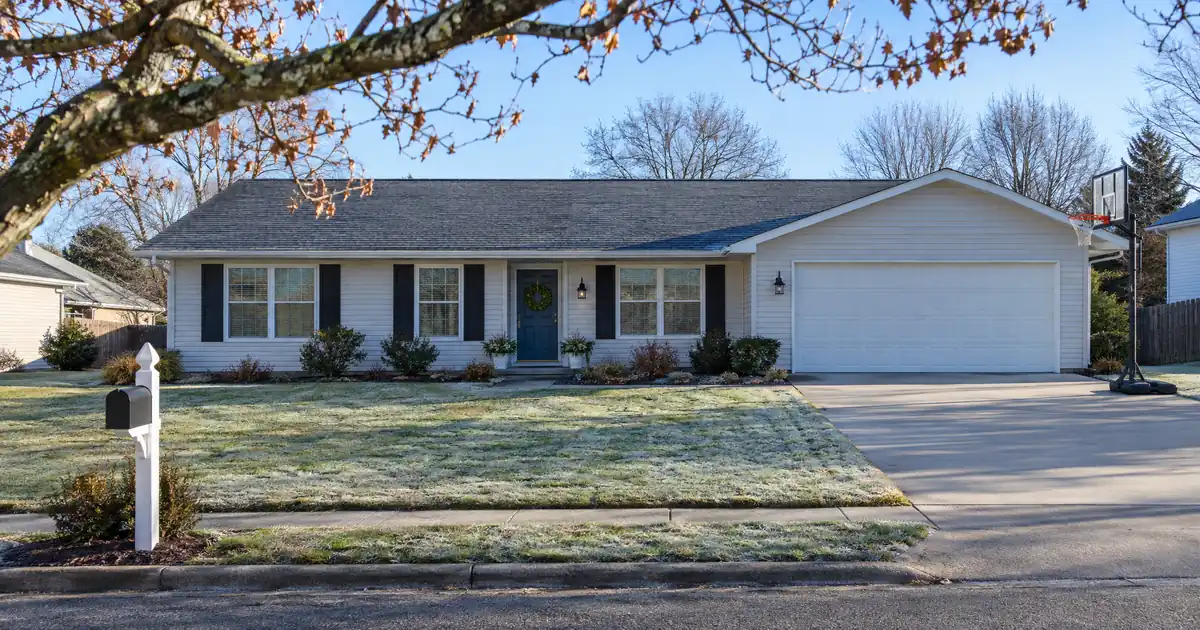
The Quick Read: A lender orders a cash-out refinance by gates, not by the calendar. First it checks eligibility clocks, then issues disclosures, orders the appraisal, underwrites, issues the Closing Disclosure, closes, and waits out a three-business-day cancellation window before funding. Each step unlocks the next, which is why one missing item can stall everything behind it.
Key Takeaways
- The order follows dependencies. The appraisal sets the value, the value sets the loan limit, and the limit drives underwriting.
- Eligibility clocks come first because a failed clock ends the file before you spend money on an appraisal.
- Some steps are legal checkpoints with fixed waits. Others depend on how fast documents and third parties come back.
- Cash usually reaches you after the cancellation window closes, not at the signing table.
What “Ordering the Steps” Actually Means
Lenders sort the work into three kinds of steps. Gating steps must finish before the next one can start. Parallel steps can run side by side. Legal checkpoints are waits the law builds in, no matter what the lender wants.
Cash-out refinance estimate
The starting figures are an example value with a balance and a cash request in proportion. Replace them with yours.
Editable benchmark: 7.32% as of October 22, 2026 · Freddie Mac 30-year average via FRED®. A conventional market reference, not a cash-out refinance quote.
Illustrative starting assumptions: a $350,000 home value, a $193,000 current balance, the agency cap on a one-unit principal residence, a thirty-year term at the current Freddie Mac benchmark, and property taxes and insurance estimated at typical national rates. Every field is editable.
Illustrative estimate only — not a Loan Estimate, approval, quote, or commitment to lend. The rate field carries the weekly Freddie Mac thirty-year conventional benchmark, a market reference and not a cash-out refinance quote; a cash-out loan is priced by the lender at lock. The cash available is the loan the program cap allows less the balances paid off, before closing costs, which are not included. The HELOC line is the program’s combined loan-to-value ceiling applied to the same value and balance. Taxes and insurance are editable estimates. Licensed in sixteen states for consumer mortgages.
Think of it as a chain with a few side branches. The appraisal gates underwriting. Title work and document collection run alongside the appraisal. The disclosure waits sit on the calendar regardless of how clean your file is.
This is a general sequence, not an official checklist. Lenders vary a little in how they order the parallel pieces, and timing varies by lender and file.
Is It Really a Cash-Out? The First Decision
A cash-out refinance replaces your current mortgage with a larger one and pays you the difference in cash. The lender decides first whether your loan counts as cash-out or as a refinance, because that choice sets the leverage cap and the seasoning tests.
A rate-and-term refinance pays off the existing first mortgage, closing costs and any purchase-money second lien, with only incidental cash back. Across the wholesale programs I place files with, that lane reaches 95% LTV on a one-unit principal residence, and mortgage insurance applies above 80%. LTV is loan-to-value, the loan balance as a percentage of the home’s appraised value. Final terms depend on lender guidelines, property type, leverage, and the borrower’s complete credit picture.
A conventional cash-out is tighter: 80% LTV on a one-unit principal residence and 75% on two- to four-unit principal residences. The Fannie Mae Eligibility Matrix publishes those caps by occupancy and unit count. All figures are subject to lender guidelines and full file review.
How you plan to use the money rarely matters for conventional cash-out. What matters is whether the loan pays you cash beyond the small incidental allowance.
Step 1: The Eligibility Clocks
Before anything gets ordered, the lender checks two clocks. Fail either one and the file stops. Better to learn that on day one than after an appraisal fee.
Time on title. At least one borrower generally needs six months on title before the new loan’s note date. Fannie Mae’s Selling Guide waives that wait for inherited or court-awarded property. It also allows a delayed-financing exception for cash buyers who documented an arm’s-length purchase.
Age of the loan you’re paying off. The existing first mortgage must be at least 12 months old, counted from its note date to your new note date. Fannie Mae’s capital markets notice describes this test. A limited cash-out refinance avoids it, which is one reason lenders classify the loan type first.
The lender also checks occupancy and payment history here. Cash-out on a second home or investment property carries a lower 75% cap, and that is the only mention they get.
Step 2: Application and the Loan Estimate
You apply, and the lender issues a Loan Estimate. That form itemizes the loan terms and closing costs so you can compare offers. Timing for delivery depends on the file and the lender. A legal application needs only six items: name, income, Social Security number, property address, estimated value and loan amount sought.
The lender pulls credit at this point. Conventional wholesale programs I work with generally start at a 620 decision score, though the automated underwriting finding governs most files. Scores, ratios and everything else stay subject to lender guidelines.
The Loan Estimate also starts the clock on how much your fees can change. If something material shifts later, the lender has three business days to issue a revised version.
Step 3: Ordering the Appraisal
The appraisal comes early because it gates almost everything. Appraised value sets your LTV. LTV sets the maximum loan. The maximum loan decides how much cash you can take. Underwriting can’t finish without that number.
Freddie Mac requires a new appraisal and inspection report on a cash-out. Some lenders describe the appraisal as part of underwriting. In practice it is ordered once the file clears pre-screening, then runs while processing continues.
Here’s the catch: a low value doesn’t just trim your cash. It can break the whole structure, which is why the appraisal is the biggest source of reordering later.
Step 4: Documents and Underwriting Run Side by Side
While the appraiser works, you and the processor collect documents. Typical items include pay history, traditional personal-income documentation and W-2s, asset statements and mortgage statements. Title work starts too, and the payoff of your old loan gets confirmed.
Underwriting is the lender’s review of income, assets, credit, the payoff and the appraisal together. Total debt-to-income ratio ceilings on these programs top out around 50% on an automated approval. Manual files use stricter 36% or 45% limits with reserve and score factors. Reserves are savings left over after closing. On a cash-out, minimum reserves apply when the debt ratio is above 45% on an automated file.
Underwriting usually returns conditions: requests for a missing statement, a letter of explanation, a refreshed pay stub. Each answer goes back to the underwriter. This loop is the part that moves most, and it depends on how fast you respond.
Step 5: Clear to Close and the Closing Disclosure
“Clear to close” means the underwriter has signed off and every condition is satisfied. Then the lender issues the Closing Disclosure, the final itemized statement of your loan and costs.
You must receive it ahead of closing, with enough time to review it, and the exact timing depends on the file and the lender. This is the first legal checkpoint. Don’t confuse it with the cancellation window that comes later. Only a bona fide personal financial emergency can shorten the review period, and the borrower has to request that in writing. Read the figures against your Loan Estimate and ask about any change.
Step 6: Closing, Then the Cancellation Window
At closing, you sign the note and the security instrument (the mortgage or deed of trust). On a home you live in, you also receive a notice of your right to rescind, the legal right to cancel without penalty.
The cancellation window runs three business days. For this purpose, the CFPB counts Saturdays but not Sundays or legal public holidays. The clock starts after the last of three events: you sign the note, you receive the Truth in Lending disclosure, and you receive two copies of the notice.
This is why the cash doesn’t arrive at the signing table. The lender normally funds the new loan and pays off the old lien only after the window closes. That funding sequence is standard practice, not a separate rule.
What Runs in Parallel and What Must Wait
| Can overlap | Must wait |
|---|---|
| Appraisal and document collection | Underwriting decision waits on the appraisal |
| Title work and payoff request | Closing Disclosure waits on clear to close |
| Answering conditions | Closing waits three business days after the disclosure |
| Insurance and escrow setup | Funding waits for the cancellation window |
When the Order Gets Disrupted
Sequences loop back more often than borrowers expect. A few common triggers:
- Low appraisal. The loan amount and cash both shrink, and underwriting restarts on the new numbers. You may need to reduce the cash you take.
- Changed loan amount or terms. A material change can mean a revised Loan Estimate. If the final figures shift enough, you may get a new Closing Disclosure and a new three-day wait.
- New condition. An expired document or unexpected debt sends the file back to the underwriter.
- Title surprise. A lien or ownership issue has to be cleared before closing can be scheduled.
None of these touch the eligibility clocks. Those are checked once, up front.
A Walk-Through With a Hypothetical Homeowner
Say you’ve owned your home for several years with a first mortgage that is well past its first anniversary. You want cash for a renovation and have roughly 30% equity.
The lender confirms your title and loan-age clocks clear. You apply and receive a Loan Estimate. The appraisal comes in near what you expected, so your target loan stays under the 80% cap. Underwriting asks for one updated bank statement. You send it, and the file is cleared to close.
The Closing Disclosure arrives, and you compare it with your Loan Estimate. After the required wait you sign. Then the cancellation window runs, and only afterward does the lender fund, pay off the old loan and release your cash. Same steps, same order, with each one unlocked by the last.
Where the General Rule Breaks
Streamlines. FHA Streamline and VA IRRRL are separate tracks for existing government loans. They aren’t cash-out loans, and the full-appraisal steps above don’t automatically apply. The FHA Streamline generally skips the appraisal and does a limited credit review. The VA IRRRL has no VA appraisal and requires a net tangible benefit, meaning the new loan has to measurably help you.
Government cash-outs. FHA cut its maximum cash-out LTV from 85% to 80% in Mortgagee Letter 2019-11. FHA allows cash-out only on an owner-occupied principal residence, with a 12-month occupancy history. VA adds seasoning and recoupment certifications on VA-to-VA refinances, and exact VA thresholds should be confirmed against current VA guidance. These specifics are subject to lender guidelines and a full review of property, leverage, and credit.
Ownership changes. If you’re buying out a co-owner and taking sole title, you generally can’t receive cash proceeds on a limited cash-out. Homes held in an LLC usually need title moved into your name.
Renovation products. Some renovation loans are treated as “no cash-out” when the proceeds fund only eligible improvements.
Texas. The state constitution caps a homestead cash-out at the agency figure, and the wholesale lane that reaches 89.99% LTV isn’t written there. Terms depend on the lender’s guidelines, the property type, the leverage, and a full review of the credit profile.
State sequencing. Some states insert extra waiting steps or attorney involvement. That can change the order, so ask your loan officer about local rules early.
Your Checklist by Step
1. Before applying: confirm six months on title and a first mortgage older than 12 months.
2. At application: have the six-item application details ready, plus recent pay and asset records.
3. During appraisal: keep the home accessible and list improvements you’ve made.
4. During underwriting: answer conditions the same day when you can.
5. At the Closing Disclosure: compare every cost against your Loan Estimate.
6. After signing: plan on the cancellation window, and don’t schedule a payment due the same week.
Tax treatment can depend on your situation; borrowers should speak with a qualified tax professional before relying on any deduction or credit.
Key Terms Defined
Seasoning: the waiting period a lender requires, such as time on title or the age of your current loan.
Limited cash-out refinance: a refinance that pays off your first mortgage and closing costs and gives back only a small incidental amount of cash.
Underwriting: the lender’s full review of your income, assets, credit, the property and the payoff.
Clear to close: the underwriter’s sign-off that every condition is met.
Rescission: your right to cancel certain home-secured loans during a short window after closing. The length of that window and whether it applies depend on the loan type and the file, so confirm the details with your lender.
Mortgage insurance: coverage that protects the lender when your LTV is above 80%. On conventional loans it can be canceled at 80% and ends automatically at 78%.
Frequently Asked Questions
Does the lender order the appraisal first?
Not quite. Eligibility checks and the Loan Estimate usually come first, because a failed clock ends the file early. The appraisal is ordered next, and it gates underwriting.
Can steps run at the same time?
Yes. Appraisal, document collection, title work and the payoff request overlap. Underwriting’s final decision, the Closing Disclosure, closing and funding must each wait their turn.
Why can’t I get the cash at closing?
On a home you live in, federal law gives you three business days to cancel after signing. The lender funds only after that window closes. A second-home refinance isn’t covered by this right.
What restarts the process?
A low appraisal, a changed loan amount, a new underwriting condition or a title problem. Some loop back to underwriting. A big enough change to the terms can also trigger a new disclosure and waiting period.
Is the three-day waiting period the same as the three-day right to cancel?
No. One is the wait between receiving the Closing Disclosure and closing. The other starts after you sign.
If you are weighing a cash-out refinance against keeping the loan you have, Lendmire can help you compare the programs and the equity each one reaches. See Lendmire’s cash-out refinance programs to start, or read Lendmire’s piece How a Lender Releases Your Title After a Cash-Out Refinance Payoff to see what happens to the old lien. Program figures are subject to lender guidelines and full file review, and nothing here is a commitment to lend.
For your own numbers, request a scenario review with Lendmire.
About Lendmire
Lendmire is a mortgage brokerage (NMLS# 2371349) licensed for consumer mortgage lending in 16 states, arranging FHA, VA, conventional and jumbo purchase and refinance loans through a wholesale lending network. Eligibility is determined by the lender on each file. Scotsman Guide named Lendmire a Top Mortgage Workplace in both 2025 and 2026.
Get Started
Ready to find the right loan for you?
In about two minutes you can review financing options available for your home or investment property. No commitment required.
Informational only. Not a Loan Estimate, approval, or commitment to lend. Program availability and eligibility are subject to lender guidelines, credit approval, property review, and underwriting.
References
1. Fannie Mae Eligibility Matrix
2. Fannie Mae Selling Guide B2-1.3-03, Cash-Out Refinance Transactions
3. Fannie Mae capital markets notice on cash-out refinance eligibility
4. Freddie Mac cash-out refinance product page
5. CFPB: how long do I have to rescind
This article is part of Lendmire’s cash-out refinance program — full qualification details, guidelines, and scenarios live on the program page.
Related reading: How to Refinance a Second Home From an ARM to a Fixed · How to Refinance Out of an ARM Payment Higher Than It Should Be · How to Lower Your Payment in Retirement With a Refinance
Brandon Miller
Founder & CEO, Mortgage Loan Originator, Lendmire LLC
- Mortgage Loan Originator · NMLS# 1129696 · Verify on NMLS Consumer Access
- North Carolina Real Estate Broker · License# 343312 · Verify on NCREC
- North Carolina Insurance Producer · License# 19053198 · Property, Casualty, Life, Health · Verify on NAIC SBS
- Lendmire LLC · Firm NMLS# 2371349 · Verify firm licensure
Legal disclosures. Lendmire (NMLS# 2371349) is a state-licensed mortgage brokerage that arranges financing through wholesale lender relationships. Lendmire is not a direct lender, depository institution, or registered financial advisor. The discussion above is general informational content about real estate financing — it is not financial, legal, or tax advice, and readers should consult licensed professionals for guidance on their individual circumstances. Loan inquiries are subject to lender underwriting; this article does not represent a commitment to lend. Loan terms, rates, and qualification standards vary by borrower, property, and state, and are subject to change at any time. Equal Housing Opportunity. NMLS Consumer Access: nmlsconsumeraccess.org.