
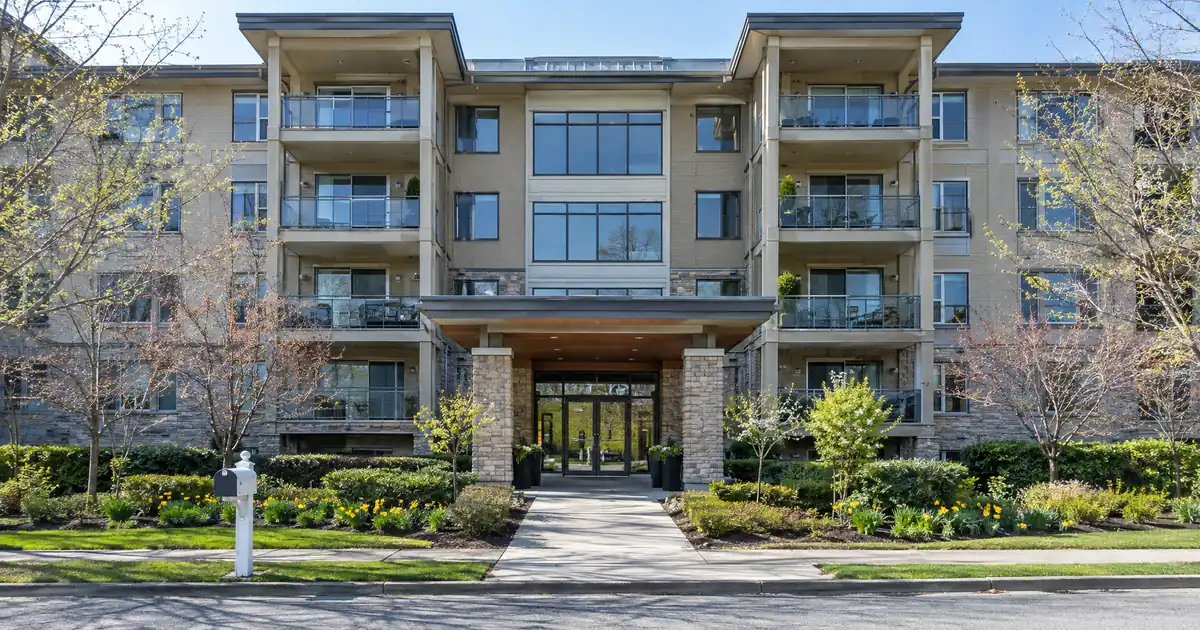
The Quick Read: Both property types are eligible for a cash-out refinance, and the borrower rules match those for a detached house. The building is the added variable. A condo project must pass its own review, while a townhouse usually gets treated like a house unless it sits in a planned unit development or is legally a condominium. The lenders that write these loans differ in how they handle the building, so the best program for your situation depends on the property, your credit profile, and how much equity you want to pull.
Key Takeaways
- A condo cash-out has two gates: you and the building. Passing one doesn’t pass the other.
- Conventional cash-out on a one-unit primary residence tops out at 80% LTV. Second homes and two- to four-unit properties top out at 75%.
- Townhouse treatment turns on legal structure, not on the word “townhouse.”
- Paying off a second lien that wasn’t used to buy the home usually moves a refinance from limited to full cash-out.
- If the building fails review, some paths remain, but they cost leverage or flexibility.
What a Condo or Townhouse Cash-Out Actually Is
A cash-out refinance replaces your current mortgage with a larger one. The difference comes to you as cash. Fannie Mae’s Selling Guide places no restriction on how you use the proceeds, and a home with no existing lien still counts as cash-out when you borrow against it.
Cash-out refinance estimate
The starting figures are an example value with a balance and a cash request in proportion. Replace them with yours.
Editable benchmark: 7.24% as of October 29, 2026 · Freddie Mac 30-year average via FRED®. A conventional market reference, not a cash-out refinance quote.
Illustrative starting assumptions: a $350,000 home value, a $193,000 current balance, the agency cap on a one-unit principal residence, a thirty-year term at the current Freddie Mac benchmark, and property taxes and insurance estimated at typical national rates. Every field is editable.
Illustrative estimate only — not a Loan Estimate, approval, quote, or commitment to lend. The rate field carries the weekly Freddie Mac thirty-year conventional benchmark, a market reference and not a cash-out refinance quote; a cash-out loan is priced by the lender at lock. The cash available is the loan the program cap allows less the balances paid off, before closing costs, which are not included. The HELOC line is the program’s combined loan-to-value ceiling applied to the same value and balance. Taxes and insurance are editable estimates. Licensed in sixteen states for consumer mortgages.
Compare that with a refinance, which the agencies call “limited cash-out.” It pays off the first mortgage, closing costs, and any purchase-money second lien, and allows only incidental cash back. Across the wholesale programs Lendmire places files with, rate-and-term runs to 95% LTV on a one-unit primary residence. Cash-out is more conservative because you are taking equity off the table. Leverage, reserves, and pricing vary by lender and program; the final terms follow the full file review.
Lendmire’s cash-out refinance programs page lays out how these loans fit together. This article focuses on what changes when the collateral is a unit in a shared building.
Condo vs. Townhouse: Which One Triggers a Building Review?
A condo triggers building review. A townhouse often doesn’t. The deciding factor is how the property is legally owned.
| Ownership structure | Typically treated as | Building review? |
|---|---|---|
| Condominium unit | Condo | Yes |
| Townhouse in a PUD | PUD | Usually lighter |
| Fee-simple townhouse, no shared ownership | House | Generally no |
| Detached condo | Condo, often waived | Often waived |
Treat the townhouse row as a starting point, not a verdict. Some townhouse communities are legally condominiums even though the units look like houses. Your deed, the plat, and the association documents settle it, and the lender’s underwriter makes the final call. If a loan officer tells you your townhouse “is basically a house,” ask them to confirm in writing how the file will be classified.
The Two Tests: You and the Building
Every condo cash-out clears two separate gates.
The borrower test. This is the same as any cash-out. Conventional programs through the wholesale network typically start at a 620 decision score, and the automated finding governs most files, with a total debt ratio ceiling of 50%. Manually underwritten loans run tighter, at 36% or 45% depending on the compensating factors. HOA dues count in your monthly obligations, so a high-fee building can squeeze your ratio even when your income hasn’t changed.
The building test. The project itself must be acceptable to the program. Under Fannie Mae’s Full Review process, the lender takes responsibility for accurate project data entered in the agency’s Condo Project Manager tool. Fannie Mae’s condo update also makes a few changes worth knowing:
- Loans with application dates on or after August 3, 2026 are no longer eligible for sale under Limited Review.
- Waiver of Project Review remains available for detached condos, projects of two to four units, and certain Fannie-to-Fannie limited cash-out refinances.
- Project-level items such as critical repairs and evacuation orders carry more weight.
Here’s the practical diagnosis. If your credit and equity are strong and the loan still stalls, the building is the likely culprit. If the building is clean and the loan stalls, look at your ratios or your appraisal.
How the Loan Is Underwritten, Step by Step
1. Pick the program. Conventional, FHA, or VA. Each defines cash-out differently.
2. Clear the seasoning tests. Under Freddie Mac’s Guide §4301.5, the first mortgage being paid off must be at least 12 months old, measured note date to note date. At least one borrower must have been on title for six months, with listed exceptions. Delayed financing, inheritance, and legal-award exceptions exist for recent cash buyers and similar cases. A delayed-financing loan is still cash-out and priced that way.
3. Run the project review. For a condo, the lender evaluates the building. For FHA, the project must be on HUD’s approved list or receive single-unit approval. For VA, the project must be VA-approved.
4. Order the appraisal. The appraisal sets the value your LTV is measured against. For a condo, the appraiser compares similar units, so a thin sales history in your building can pull value down.
5. Underwrite the borrower. Credit, ratios, reserves, and the equity left after the new loan.
6. Review disclosures and close. You receive a Loan Estimate, then a Closing Disclosure. Compare the two before you sign.
The Structures and Variations
Conventional. The core lane. Cash-out reaches 80% LTV on a one-unit primary residence and 75% on two- to four-unit primary residences and second homes. One wholesale lane reaches 89.99% LTV with no mortgage insurance at a 680 score and a 50% ratio on a thirty-year fixed, primary residence, conforming balance, with its own six months of seasoning. Whether a condo qualifies for that lane depends on the lender’s project rules, so ask before assuming.
FHA. Standard FHA cash-out is permitted only on owner-occupied principal residences, per HUD Handbook 4000.1. A condo project must be approved before FHA insurance can be processed for units. HUD’s condominium help page describes single-unit approval, which requires a project of at least five units and is subject to a concentration limit tied to project size. That page is dated, so a lender will confirm current requirements.
VA. A VA cash-out is a different product from the IRRRL. It can pay off liens of any type and provide cash, and the project must be VA-approved.
Jumbo. Above the conforming limit, the jumbo lanes take over, with their own score and ratio floors. Condo eligibility depends on the lender.
Where the Rule Breaks: Named Edge Cases
- Streamlines aren’t cash-out. An FHA Streamline or VA IRRRL is a rate-reduction tool. The IRRRL generally gives no cash beyond energy improvements. Borrowers who want cash need a different product.
- Limited versus full cash-out. Paying off a second lien that wasn’t used to buy the property, such as a HELOC you drew on, turns a limited refinance into full cash-out. The same borrower lands in different leverage and pricing tiers.
- Free-and-clear condo. Still cash-out.
- PACE loans. Fannie Mae makes a borrower ineligible for cash-out if they refinance the first mortgage, have enough equity to pay off a PACE loan, and choose not to.
- Small projects. A two- to four-unit building can sidestep project-level scrutiny through the waiver. Not ideal to rely on, but it helps.
- Expired or lapsed approvals. HUD’s approved list shows statuses of Approved, Expired, Rejected, or Withdrawn. An expired approval can stop an FHA file even when nothing about the building has changed.
- “Unavailable” projects. Fannie Mae loans in projects with an Unavailable status aren’t eligible, regardless of review type. A lender will check this early.
- Vacation or second-home condos. Occupancy decides the leverage. Second homes sit at 75% on cash-out.
- Texas. A cash-out on the homestead is capped by the state constitution, and the 89.99% wholesale lane isn’t written there.
What Lenders Look for in the Building
Lenders reviewing a condo project tend to ask for the association’s budget, financial statements, insurance certificates, and a questionnaire the management company completes. Request these early. Management companies can be slow, and the file waits on them.
- Pending litigation involving the association
- Thin reserves relative to the building’s needs
- A high share of investor-owned units
- Special assessments, or critical repairs left open
- An evacuation order or structural concern
None of these automatically kills a loan. Each changes which lenders will take the file and on what terms.
How Lenders Differ, and How a Broker Helps
Lenders don’t share one appetite for condos. Some wholesale lenders review projects carefully and decline buildings others accept. Some set a higher credit floor on condos than on houses. Others simply lack a project-review lane for certain building types. The lenders that write your loan depend on the building, your score, and your equity.
That’s the case for working with a broker. Lendmire is a mortgage broker licensed for consumer lending in 16 states, arranging conventional, FHA, VA, and jumbo loans through wholesale lenders. Because it shops multiple wholesale lenders, it can match your scenario to a program rather than forcing your file into a single lender’s rules. Eligibility is always subject to lender guidelines and full file review, and none of this is a commitment to lend.
Questions worth asking any lender or broker:
1. How will you classify my property: condo, PUD, or house?
2. Has the project been reviewed, or is this the first time?
3. Does my building have any status that blocks eligibility?
4. Is my cash-out full or limited, given my second lien?
5. What does a low appraisal do to my proceeds?
What the Appraisal Does to Your Proceeds
Your LTV is measured against appraised value. A condo’s value rests on comparable sales within the building and nearby. Say your unit appraises 5% below what you expected. At 80% LTV, that shrinks the maximum loan, and the cash you receive shrinks faster than the value did, because the payoff of your existing loan stays fixed. A modest appraisal miss can cut proceeds by a much larger share. Terms vary by lender guidelines, property type, leverage, credit profile, and full file review.
Plan your cash need with that cushion in mind. The CFPB notes in its home equity guide that lenders typically require borrowers to keep 10% to 20% of home value as equity on a cash-out refinance. A larger loan can also raise your payment and lengthen your payoff time, and HOA dues count in qualifying.
If the Building Fails Review
Not the end of the road. Options include:
- Waiting for the association to resolve the issue, such as completing repairs or settling litigation, then reapplying
- Trying a different program, since FHA, VA, and conventional project rules aren’t identical
- Using a lender with a different review lane for non-standard projects, usually at lower leverage or with other tradeoffs
- Choosing a different financing path, such as a smaller refinance or none at all
Skip paying for multiple appraisals until the building question is settled. The project decides eligibility first.
Closing Costs and Mortgage Insurance, Mechanically
A cash-out refinance is a new mortgage, so it carries closing costs. Your Loan Estimate shows “Closing Costs Financed (Paid from your Loan Amount)” separately from cash to close. Cash-out loans also carry pricing adjustments, which Freddie Mac refers to as Credit Fees in Exhibit 19.
Mortgage insurance applies above 80% LTV. You may request cancellation at 80% of the original value with good payment history, no subordinate liens, and no decline in value. The servicer must terminate it automatically at 78%. Exact terms depend on the lender’s guidelines, property type, leverage, and a full review of the borrower’s file.
A “no-cost” refinance doesn’t mean zero cost. The costs are built into the rate or the balance instead.
Is a Cash-Out Worth It?
It depends on what the money does. Consolidating high-balance debt can make sense, though CFPB research found borrowers’ credit scores rose at first and then gradually worsened. Funding a renovation that adds value is a different case from covering a recurring shortfall. A cash-out also resets your loan, and you may be giving up the terms of your current mortgage.
If you are weighing a cash-out refinance against keeping the loan you have, Lendmire can help you compare the programs and the equity each one reaches.
Key Terms Defined
Cash-out refinance: A new, larger mortgage that pays off your current one and gives you the difference as cash.
Limited cash-out refinance: A rate-and-term style refinance that allows only small incidental cash back.
Project review: The lender’s check that the condo building meets the program’s rules.
PUD (planned unit development): A community with shared common areas governed by an association, often treated differently from a condominium.
Seasoning: The minimum time you must hold the property or the loan before refinancing.
Delayed financing: An exception allowing a recent cash buyer to borrow against the home soon after purchase, still priced as cash-out.
Frequently Asked Questions
Can I do a cash-out refinance right after buying my condo?
Generally not. Freddie Mac requires at least six months on title and a first mortgage at least 12 months old. Delayed financing is a narrow exception for cash buyers, and it is still treated and priced as cash-out.
Is a townhouse treated like a condo for a cash-out?
Often not, but legal structure decides. A fee-simple townhouse is generally treated like a house, while one in a PUD or legally organized as a condominium may face project review. Your lender confirms the classification.
Does my HOA affect how much I can borrow?
Yes, in two ways. Dues count in your monthly obligations, which can push your ratio higher. The association’s finances and legal status also feed into whether the building passes review.
Can I use a VA IRRRL or FHA Streamline to take cash out?
No. Both are rate-reduction tools for existing government-backed loans. The VA IRRRL generally gives no cash beyond energy improvements, and the FHA Simple Refinance is no-cash-out by definition.
What if my appraisal comes in low?
Your maximum loan shrinks because LTV is measured against appraised value, and your cash out shrinks by more than the value drop. Build a cushion into the amount you plan to borrow.
For your own numbers, request a scenario review with Lendmire.
About Lendmire
Lendmire (NMLS# 2371349) is a mortgage broker licensed for consumer lending in 16 states. Lendmire arranges FHA, VA, conventional and jumbo purchase and refinance loans through wholesale lenders; every file is underwritten by the lender under the applicable program guidelines. Scotsman Guide named Lendmire a Top Mortgage Workplace in both 2025 and 2026.
Get Started
Ready to find the right loan for you?
See your offer in seconds. No credit pull, no obligation.
Informational only. Not a Loan Estimate, approval, or commitment to lend. Program availability and eligibility are subject to lender guidelines, credit approval, property review, and underwriting.
References
1. Fannie Mae Selling Guide B2-1.3-03, Cash-Out Refinance Transactions
2. Fannie Mae Selling Guide B4-2.2-02, Full Review Process
6. HUD FHA Connection condominium help
7. CFPB older Americans home equity guide
This article is part of Lendmire’s cash-out refinance program — full qualification details, guidelines, and scenarios live on the program page.
Related reading: How to Get a Cash-Out Refinance After Buying a Home With Cash · Does a Fourplex Cash-Out Refinance Need More Reserves Than a Duplex? · How to Use Cash-Out Refinance Proceeds on a Primary Home Wisely
Brandon Miller
Founder & CEO, Mortgage Loan Originator, Lendmire LLC
- Mortgage Loan Originator · NMLS# 1129696 · Verify on NMLS Consumer Access
- North Carolina Real Estate Broker · License# 343312 · Verify on NCREC
- North Carolina Insurance Producer · License# 19053198 · Property, Casualty, Life, Health · Verify on NAIC SBS
- Lendmire LLC · Firm NMLS# 2371349 · Verify firm licensure
Important disclosures. Lendmire (NMLS# 2371349) is a licensed mortgage brokerage. Lendmire is not a direct lender, depository institution, or financial advisor. All loan inquiries are subject to lender underwriting; this article does not constitute a commitment to lend. Rates, terms, and program guidelines are subject to change without notice and vary by borrower profile, property type, and state. Information in this article is general in nature and is not financial, legal, or tax advice. Equal Housing Opportunity. NMLS Consumer Access: nmlsconsumeraccess.org.