
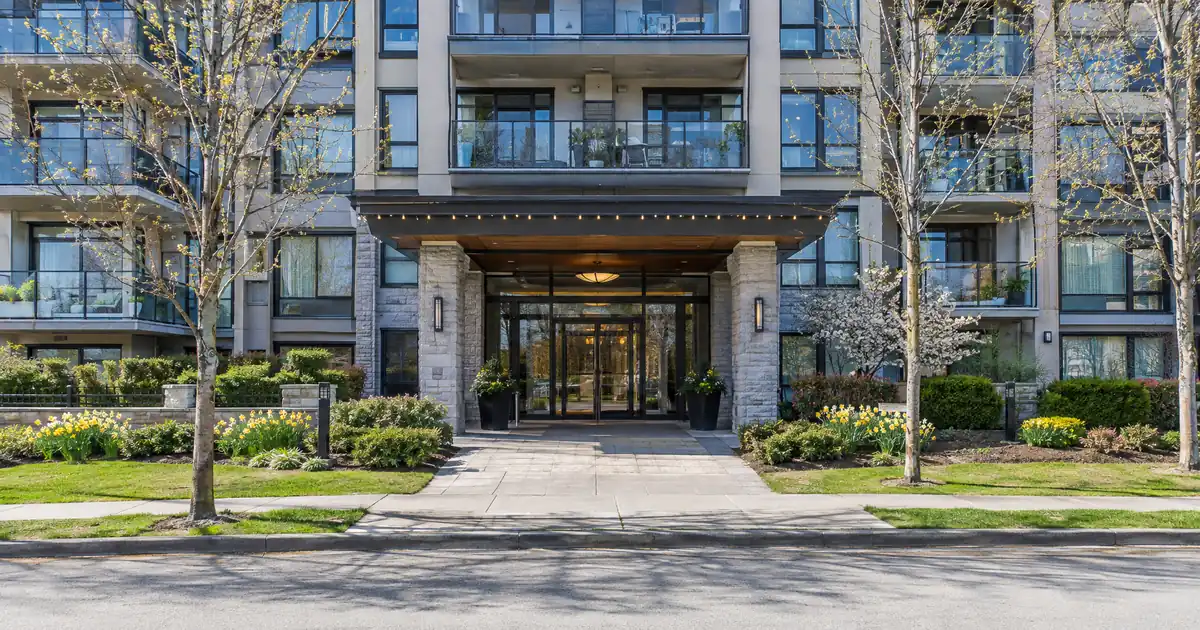
The Quick Read: FHA has no separate condo cash-out product. You use the standard FHA cash-out refinance, which is available on a home you have owned and lived in for 12 months, and the building must also pass its own FHA approval test. Everything here is subject to lender guidelines and full file review, and none of it is a commitment to lend.
Key Takeaways
- A condo cash-out is two tests: one on you, one on the building.
- The cash-out cap is 80% LTV, and the home must be your principal residence.
- A building’s approval expires and can lapse before your refinance.
- Single-unit approval is a second route for buildings that are not on the approved list.
- If the building fails both routes, the right move is a different loan type, not a different FHA lender. The exact numbers vary by lender and program and follow a full review of property, leverage, and credit.
What Does “Best Program” Mean for a Condo?
There is one FHA cash-out refinance, and the condo adds a second approval test. So the choice comes down to matching your building’s status to the right path: approved, eligible for single-unit review, or neither.
FHA cash-out estimate
Seeded with an example value, a balance to match, and a round cash request; change any field.
Editable benchmark: 7.18% as of November 5, 2026 · Freddie Mac 30-year average via FRED®. A conventional market reference, not an FHA cash-out refinance quote.
Illustrative starting assumptions: a $350,000 home value, a $193,000 current balance, the FHA cap on a principal residence with the upfront premium financed, a thirty-year term at the current Freddie Mac benchmark, and property taxes and insurance estimated at typical national rates. Every field is editable.
An illustration, not a Loan Estimate, an approval, a quote, or a commitment to lend. The rate shown is the weekly Freddie Mac thirty-year conventional benchmark, used as a market reference; an FHA cash-out is priced by the lender at lock, and this is not an FHA cash-out refinance quote. HUD’s cap limits the base loan; the upfront premium is financed on top of the capped base loan; the monthly premium for the first year follows the snapshot’s schedule. Cash available means the base loan the cap permits less the balances retired, before closing costs, which this calculator leaves out. The line figure applies the line program’s combined loan-to-value ceiling to the same value and balance. Taxes and insurance are estimates you can edit. Licensed in sixteen states for consumer mortgages.
Lendmire is a mortgage broker, not a lender. A strong credit profile and solid equity speak only for the borrower, and the building can still hold up the file. A broker that shops several wholesale lenders can check the building early and match the scenario to the program that fits.
How Does an FHA Cash-Out Refinance Work on a Condo?
You replace your current mortgage with a larger FHA loan and take the difference as cash. The new loan is sized at no more than 80% of the home’s appraised value. Any second lien counts toward that same 80% limit, so your equity after the cap decides how much cash is available.
The Consumer Financial Protection Bureau notes that a larger loan can raise your monthly payment and stretch your payoff timeline. That is the trade you are making, and it is worth weighing before you start.
On the building side, HUD’s FHA Condominiums page says FHA insures purchase and refinance loans on units in an FHA-approved project. It also insures them in a project that is not approved but meets Single-Unit Approval requirements.
The Two Tests, Side by Side
| Factor | Borrower test | Building test |
|---|---|---|
| Occupancy | Principal residence only | Owner-occupancy share |
| Leverage | 80% LTV cap | FHA-insured unit share |
| Credit | Decision score of 580 or higher | HOA financial condition |
| Income | Ratios from 31/43 up to 40/50 | Approval current, not lapsed |
| Ownership | Owned and lived in 12 months | Approved or single-unit path |
Both columns have to clear. A strong borrower in a failing building does not get through.
How Is the Loan Underwritten, Step by Step?
1. Confirm the building’s status. HUD’s condo search tool lists FHA-approved projects by location, name or status. Projects approved by HUD or by a lender carry a seven-character Condo ID.
2. Check that approval is current. Approval is not permanent. More on that below.
3. Request the FHA case number. Per HUD’s condo help page, the lender submits the Condominium Loan Level/Single-Unit Approval Questionnaire, Form HUD-9991, with the case number request. It checks things like owner-occupancy and how many units one owner holds.
4. Run the borrower underwriting. This covers credit, the ratios, and the 12-month ownership and occupancy history. Across our programs, the base ratio pair is 31/43 with no compensating factors. Documented factors can reach 40/50 at the top tier, and the automated finding governs most files. HOA dues count in your debt-to-income picture, so a high-dues building tightens the ratios.
5. Appraisal. The appraiser’s value is what the 80% cap is applied to. The property must be safe, sound and secure.
6. Closing. The upfront mortgage insurance premium is 1.75% of the base loan and is financed. The annual premium runs between 0.15% and 0.75% of the balance, depending on term, loan amount and LTV. How long the annual premium lasts depends on the loan’s term and LTV, and on a higher-LTV 30-year loan it can last the full term. On a lower-LTV loan it ends after eleven years. These are program mechanics, not prices. Final terms depend on the lender’s guidelines, the property type, and the borrower’s complete credit picture.
What decides the outcome? The building’s status, the owner-occupancy and FHA-concentration percentages, your equity after the cap, and the appraised value.
Why Do Condo Files Stall at the Building?
Because the building test is not in your control. The HOA’s financials, owner-occupancy mix and insurance all feed the project review. A borrower with excellent credit can still be turned down if the building fails.
Lenders also check status before ordering the appraisal. That sequence is deliberate. It keeps you from paying for an appraisal on a unit that cannot move forward.
Most FHA-approved projects need at least half their units owner-occupied, per HUD’s announcement of the condo rule. Some projects qualify through exceptions that allow a lower share. The exact conditions vary, so ask the lender to confirm rather than assuming.
What Happens If Approval Has Lapsed?
An approved project’s status runs out. HUD’s recertification guidance says approvals expire three years from the date the project goes on the approved list. The association can recertify up to six months before or six months after expiry. Past that window, the project must apply for a full review again.
That creates a timing risk for a refinance. A building that was approved when you bought can lapse before you refinance, so check the expiry date early.
What Is Single-Unit Approval?
It is the alternative route for a unit in a building that is not FHA-approved. HUD says the project must be complete and ready for occupancy and have at least five dwelling units. It cannot be a manufactured home. It must also meet a smaller set of tests: FHA insurance concentration, owner-occupancy percentage and financial condition.
The concentration limit is tighter than for fully approved projects. In a project with 10 or more units, no more than 10% of units can be FHA-insured. Smaller projects can have no more than two FHA-insured units.
Whether a given lender will take a single-unit cash-out file varies by lender, which is one reason shopping multiple wholesale lenders matters.
Three Lanes: Which One Are You In?
| Your building | Next step | Watch for |
|---|---|---|
| Approved and current | Proceed to borrower underwriting | Expiry date, FHA share |
| Not approved, SUA-eligible | Lender reviews for single-unit approval | Strict concentration cap |
| Fails both | Consider a different loan type | Lender overlays |
Picture a homeowner whose building shows on HUD’s list but with approval lapsed beyond the recertification window. The building has to pass its own test before the owner’s credit and equity can carry the file, and that means waiting until the HOA reapplies for a full review. Until then, this owner may be better off waiting, or comparing a non-FHA cash-out, than forcing the file. If the HOA’s new review succeeds, the owner returns to the first lane in the table.
Where the General Rule Breaks
A few edge cases are worth knowing.
- Rental condos. Standard FHA cash-out is limited to your principal residence. A rental unit does not qualify. Occupancy decides the leverage, so move on to a different program.
- Live/Work projects. These generally need HUD-reviewed approval rather than the lender-reviewed route.
- Streamlines. The FHA-to-FHA streamline does not require the condo questionnaire. That exemption does not carry over to cash-out. If you already hold an FHA loan on the unit, a streamline is a different tool and does not pull cash.
- Lender overlays. One lender may decline a building that another accepts, because lenders can add their own conditions on top of HUD’s. This is a major reason a broker comparison helps.
- Free-and-clear condos. A unit owned with no mortgage can be refinanced as a cash-out, as long as the other tests clear.
Rules also change. HUD has revised its appraisal policies in recent updates, and condo approval rules have been rewritten before and may be again. Ask your loan officer to confirm the current text, since this article cannot track every update.
Cash-Out Choices: FHA vs. the Alternatives
If your condo clears both tests, FHA cash-out is one option. If it does not, the order of fallbacks is roughly: another cash-out program that does not require FHA project approval, then a home equity line, then waiting for the building to recertify.
Which fits depends on your credit profile, how much equity you want to pull, and how the new payment would sit in your budget. FHA often suits borrowers whose credit or ratios are tighter, since it starts at a 580 decision score across the wholesale programs we use. A borrower with strong credit and a failing building may find a conventional route easier.
How Should You Use the Cash?
The CFPB found that credit card balances drifted back toward earlier levels over the following year, per the CFPB’s cash-out report. The home is collateral in any refinance. Turning unsecured debt into debt secured by your home only helps if the spending habit changes too.
What to Prepare Before You Apply
- Your HOA’s contact, and the date of the last FHA approval or recertification.
- The Condo ID from HUD’s search, if the project is listed.
- Proof you have owned and lived in the unit for 12 months before the case number.
- A current mortgage statement, so the payoff and payment history are clear.
- Your monthly HOA dues, since they count in your ratios.
Key Terms Defined
HRAP: HUD’s own review route for approving a condo project.
DELRAP: The route where a lender reviews and approves the project on HUD’s behalf.
Condo ID: The unique seven-character code assigned to an approved project.
Single-Unit Approval (SUA): FHA review of one unit in a project that is not on the approved list.
CLTV: Combined loan-to-value, which adds any second lien to the new loan before comparing to value.
UFMIP: The upfront mortgage insurance premium, 1.75% of the base loan, which can be financed.
Common Misconceptions
Any condo qualifies for FHA: no, the project must be approved or pass single-unit review. FHA cash-out goes to 85% or 90%: no, the cap is 80%. An approved condo stays approved: no, approval expires unless recertified. Single-unit approval is a back door: it is a real HUD route, but with a stricter FHA-concentration limit.
Frequently Asked Questions
Can I do an FHA cash-out on a condo that isn’t on the approved list?
Sometimes. If the building meets Single-Unit Approval requirements, the unit may be reviewed individually. The project must be complete, have at least five units, and keep FHA-insured units within the tighter limit. Whether a particular lender accepts a single-unit cash-out file varies, so ask early.
Does my building’s approval have to be current when I refinance?
Yes, the status matters at the time of the new loan, not just when you bought. Approval lasts three years and can be recertified within a window around expiry. After that window, the project needs a full review, and your file waits on the HOA.
Can I cash out on a condo I rent out?
No. Standard FHA cash-out is limited to your principal residence. Occupancy decides the leverage, so a rental unit would need a different program.
Who is responsible for recertifying the building?
The HOA or its management handles it. As a borrower, you can look up the project’s status on HUD’s search tool and ask the association for its approval date.
What if the lender denies my condo file?
Ask whether the denial came from you or the building. If it is the building, you can wait for recertification, try single-unit review if eligible, or compare a non-FHA cash-out. A broker can check the same scenario with wholesale lenders, since overlays differ.
If you are weighing a cash-out refinance against keeping the loan you have, Lendmire can help you compare the programs and the equity each one reaches.
For your own numbers, request a scenario review with Lendmire.
About Lendmire
Lendmire, NMLS# 2371349, is a mortgage brokerage with consumer lending licenses in 16 states. FHA, VA, conventional and jumbo purchase and refinance loans are arranged through wholesale lending partners, and each application is reviewed individually by the lender. Scotsman Guide named Lendmire a Top Mortgage Workplace in both 2025 and 2026.
Get Started
Ready to find the right loan for you?
See your offer in seconds. No credit pull, no obligation.
Informational only. Not a Loan Estimate, approval, or commitment to lend. Program availability and eligibility are subject to lender guidelines, credit approval, property review, and underwriting.
References
1. CFPB guide to using home equity
4. HUD FHA Connection condo help
5. HUD 2019 press release on the condo rule
6. HUD FHA Answers: condo recertification
7. CFPB: CFPB Report Finds Cash Out Mortgage Refinance Borrowers Improve Credit Scores
This article is part of Lendmire’s FHA cash-out refinance program — full qualification details, guidelines, and scenarios live on the program page.
Related reading: How Much Cash Comes Out of an FHA Cash-Out Refinance After Delisting the Property? · How to Get an FHA Cash-Out Refinance After Withdrawing a Home Listing · How Wholesale Lending Works for an FHA Cash-Out Refinance
Brandon Miller
Founder & CEO, Mortgage Loan Originator, Lendmire LLC
- Mortgage Loan Originator · NMLS# 1129696 · Verify on NMLS Consumer Access
- North Carolina Real Estate Broker · License# 343312 · Verify on NCREC
- North Carolina Insurance Producer · License# 19053198 · Property, Casualty, Life, Health · Verify on NAIC SBS
- Lendmire LLC · Firm NMLS# 2371349 · Verify firm licensure
Disclosure information. Lendmire is a state-licensed mortgage brokerage under NMLS# 2371349. Lendmire is not a depository institution, direct lender, or financial advisor — all loans referenced are placed through wholesale lender partners and are subject to each lender's underwriting standards. This article is provided for general informational purposes and is not a commitment to lend, nor does it constitute financial, legal, or tax advice. Loan programs, terms, rates, and qualification standards change without notice and depend on borrower profile, property type, and the state in which the subject property is located. Equal Housing Opportunity provider. NMLS Consumer Access: nmlsconsumeraccess.org.