
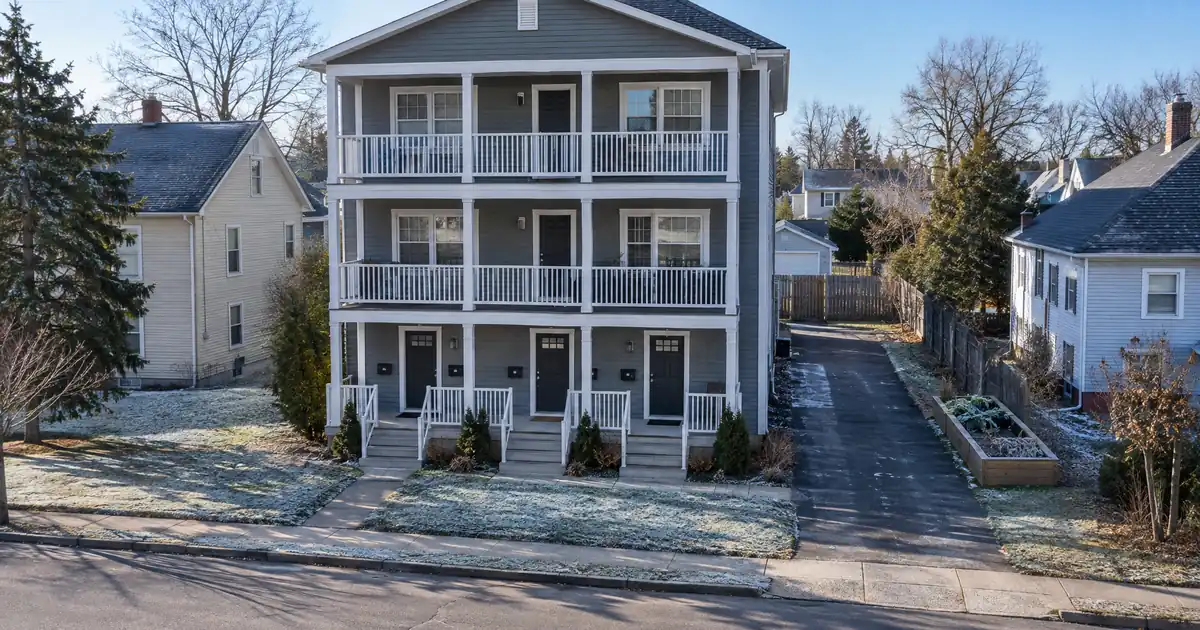
The Quick Read: Yes. A three-unit FHA cash-out generally requires you to show three months of your full housing payment (principal, interest, taxes and insurance) in the bank after closing. The cash you pull out of the home does not count toward that cushion. The reserves have to come from your own verified savings, and the lender may set a higher floor than HUD does.
What Does “Reserves” Mean on a Cash-Out Refinance?
Reserves are your liquid savings left over after you pay everything due at closing. They are not the cash you receive from the loan, and they are not the same thing as cash to close.
FHA cash-out estimate
Seeded with an example value, a balance to match, and a round cash request; change any field.
Editable benchmark: 7.24% as of October 29, 2026 · Freddie Mac 30-year average via FRED®. A conventional market reference, not an FHA cash-out refinance quote.
Illustrative starting assumptions: a $350,000 home value, a $193,000 current balance, the FHA cap on a principal residence with the upfront premium financed, a thirty-year term at the current Freddie Mac benchmark, and property taxes and insurance estimated at typical national rates. Every field is editable.
An illustration, not a Loan Estimate, an approval, a quote, or a commitment to lend. The rate shown is the weekly Freddie Mac thirty-year conventional benchmark, used as a market reference; an FHA cash-out is priced by the lender at lock, and this is not an FHA cash-out refinance quote. HUD’s cap limits the base loan; the upfront premium is financed on top of the capped base loan; the monthly premium for the first year follows the snapshot’s schedule. Cash available means the base loan the cap permits less the balances retired, before closing costs, which this calculator leaves out. The line figure applies the line program’s combined loan-to-value ceiling to the same value and balance. Taxes and insurance are estimates you can edit. Licensed in sixteen states for consumer mortgages.
A lender adds up your bank and brokerage balances, subtracts what the refinance requires you to bring, then checks that what remains covers the required number of monthly payments.
Here is how the requirement steps up with the number of units, for manually underwritten files:
| Property type | Reserve requirement (manual underwriting) |
|---|---|
| One to two units | One month of PITI |
| Three to four units | Three months of PITI |
For automated approvals on one- and two-unit homes, the reserve figure is set by the automated finding. HUD Mortgagee Letter 2023-17 states the three-to-four-unit rule for manual underwriting. A triplex is where the requirement jumps to a flat three months.
Why Doesn’t the Cash-Out Money Count?
HUD excludes the cash you take at settlement from your reserves by name. The logic is simple. Reserves exist to show you can keep paying if income dips. Borrowed equity that arrives at closing is new debt, not savings.
This is the trap most triplex owners miss. Say you plan to pull cash out for repairs or to pay off credit cards, and you assume the leftover proceeds will serve as your cushion. They won’t. You still need three months of payments sitting in your own accounts afterward.
The same exclusion list covers:
- Gift funds
- Equity in another property
- Borrowed funds
The federal consumer-finance regulator’s research on cash-out borrowers found that many use the money to pay down other debts, especially credit card and auto balances. That is a sensible use of equity. It just doesn’t help the reserve math.
What Funds Typically Count as Reserves?
Verified liquid money you own generally counts, and checking accounts, savings accounts and brokerage accounts are the usual sources. Lenders look at statements to confirm the funds are yours and have been in the account. Which retirement or investment balances count, and at what value, depends on the lender’s guidelines and the file review. Ask early rather than assuming.
The sources that do not count are the ones above: gifts, borrowed money, equity in another property and the cash-out proceeds themselves.
How Does a Triplex Differ From a Duplex?
A triplex faces two extra hurdles that a duplex does not: the higher reserve requirement and the self-sufficiency test. Final terms depend on the lender’s guidelines, the property type, and the borrower’s complete credit picture.
The HUD reference guide for refinances lists both for three- and four-unit properties. Duplexes are exempt from the self-sufficiency test.
The test works like this. The appraiser estimates market rent for every unit, including the one you live in. The lender then subtracts a vacancy and maintenance allowance, which is the greater of the appraiser’s estimate or 25 percent. What remains must cover the full housing payment. Low appraised rents can sink a triplex cash-out even when your equity is plentiful and your savings are strong.
So a triplex cash-out has to clear separate tests, and they don’t overlap:
| Test | What it checks |
|---|---|
| Ownership and occupancy | You owned and lived in the home for the prior 12 months |
| Self-sufficiency | Appraised rents cover the housing payment |
| Reserves | Three months of PITI left after closing |
Who Can Even Use an FHA Cash-Out on a Triplex?
Only owner-occupants. Standard FHA cash-out is for a principal residence, so you must live in one of the three units. A triplex you rent out entirely does not fit. Occupancy decides the leverage and the program.
Across the wholesale programs Lendmire places files with, the FHA cash-out refinance program reaches 80% of the home’s value, and the home must have been owned and occupied by you for the 12 months before the case number is assigned. A few other points from HUD’s rules matter here:
- A non-occupant co-borrower’s income cannot be used to qualify on a cash-out.
- County loan limits apply to the loan amount.
- An inherited home you rent out afterward is not eligible until you have occupied it for 12 months.
- A home owned free and clear can be refinanced as a cash-out.
The current cap came from a 2019 HUD change, Mortgagee Letter 2019-11, which lowered the earlier maximum. If you see a higher cap on an older web page, it is out of date.
Is a Cash-Out the Same as an FHA Streamline?
No. An FHA Streamline refinances an existing FHA loan with no appraisal and a limited credit review, and it delivers no cash. A cash-out is a full-file transaction with an appraisal. The reserve and self-sufficiency requirements discussed here belong to the cash-out. If you only want to adjust your existing FHA loan, a Streamline or a rate-and-term refinance is a different conversation.
Worked Example: Checking Your Reserves Step by Step
You can run a rough version of the lender’s math at your kitchen table. No dollar figures are needed, just the steps:
1. List your liquid savings. Add up checking, savings and brokerage balances you can document.
2. Remove what doesn’t count. Strip out gifts, borrowed funds and equity in other property.
3. Subtract what you must pay at closing. If the refinance requires you to bring funds, take that out.
4. Ignore the cash-out proceeds. They do not belong in this tally at all.
5. Divide what remains by the new full housing payment. That means principal, interest, taxes, insurance and any mortgage insurance. The new payment is the one that counts, not your old one.
6. Compare the answer to three months. If you land at three or more, you clear HUD’s baseline for the triplex.
Remember that the lender decides. Some set stricter reserve floors than HUD’s minimum, so HUD’s number is a floor, not a ceiling.
What If Your Reserves Fall Short?
You have options before you give up on the refinance.
- Wait and season your funds. Savings that sit in your account are easier to document than recent deposits.
- Move assets into eligible accounts. Money in a form the lender can verify is more useful than money that is hard to trace.
- Trim the cash you take out. A smaller cash-out leaves your own savings less drained.
- Pay closing-table needs from sources that don’t count as reserves. Funds that can’t serve as reserves can sometimes still cover certain closing needs, which leaves your eligible cash untouched. Ask the lender what is allowed on your file.
- Revisit your rents. If the self-sufficiency test is the real problem, a different unit mix or a stronger appraisal may change the outcome.
Think about whether you should take the money at all. The CFPB’s guide to using home equity cautions that a cash-out may lengthen your payoff time and raise the monthly payment. Turning equity into cash creates debt you must repay.
Why Do You See Conflicting Answers Online?
Three reasons. Old pages still cite the pre-2019 leverage cap. Lenders add their own overlays on top of HUD’s minimum, so one lender’s rule is not another’s. And manual and automated underwriting can produce different reserve outcomes. When two sources disagree, check the date and ask whether the page describes HUD’s rule or one lender’s policy.
Key Terms Defined
PITI: Your monthly principal, interest, property taxes and homeowners insurance. FHA files also add any mortgage insurance.
Reserves: Verified liquid savings left after closing, measured in months of your housing payment.
Self-sufficiency test: A three- and four-unit check that appraised rents, less a vacancy allowance, cover the full housing payment.
Cash to close: The money you must bring to the closing table. It is a separate number from reserves.
Manual underwriting: A review done by an underwriter rather than by the automated system, typically with stricter reserve and ratio expectations.
Overlay: An extra rule a lender adds on top of HUD’s minimum.
Frequently Asked Questions
Do cash-out proceeds count as reserves?
No. HUD excludes the cash you receive at settlement from reserves. You need your own verified savings to meet the requirement after closing.
Do gift funds count as reserves?
No. Gifts, borrowed funds and equity in another property are all excluded. Gift money may help in other parts of a transaction, but it will not satisfy the reserve test.
Does the rent from the other two units reduce the reserves I need?
Not directly. Appraised rent enters the self-sufficiency test, which is a separate check on whether the property can cover its payment. It does not lower the three-month reserve requirement. Rent from your own unit is not counted as your qualifying income. Leverage, reserves, and pricing vary by lender and program; the final terms follow the full file review.
Is a duplex treated the same way?
No. A duplex generally needs less in reserves, one month of PITI on a manually underwritten file, and it is exempt from the self-sufficiency test. The triplex is the step up. Each lender’s own guidelines can add to these minimums.
Are reserves the same as cash to close?
No. Cash to close is what you pay at the table. Reserves are what remains afterward. The lender subtracts the first from your liquid assets to find the second.
If you are weighing a cash-out refinance against keeping the loan you have, Lendmire can help you compare the programs and the equity each one reaches, subject to lender guidelines and full file review. This is not a commitment to lend.
For your own numbers, request a scenario review with Lendmire.
About Lendmire
Lendmire, NMLS# 2371349, is a mortgage brokerage with consumer lending licenses in 16 states. FHA, VA, conventional and jumbo purchase and refinance loans are arranged through wholesale lending partners, and each application is reviewed individually by the lender. Scotsman Guide named Lendmire a Top Mortgage Workplace in both 2025 and 2026.
Get Started
Ready to find the right loan for you?
See your offer in seconds. No credit pull, no obligation.
Informational only. Not a Loan Estimate, approval, or commitment to lend. Program availability and eligibility are subject to lender guidelines, credit approval, property review, and underwriting.
References
1. HUD Mortgagee Letter 2023-17
2. CFPB’s research on cash-out borrowers
3. HUD Archives HOC Reference Guide, Refinances
4. HUD Mortgagee Letter 2019-11
5. CFPB, using home equity guide
This article is part of Lendmire’s FHA cash-out refinance program — full qualification details, guidelines, and scenarios live on the program page.
Related reading: How to Choose an FHA Cash-Out or Streamline Refinance With Thin Credit · Best FHA Cash-Out Refinance Program When Your Current Mortgage Is an FHA Loan · VA Cash-Out vs FHA Cash-Out for a Former Service Member’s Spouse
Brandon Miller
Founder & CEO, Mortgage Loan Originator, Lendmire LLC
- Mortgage Loan Originator · NMLS# 1129696 · Verify on NMLS Consumer Access
- North Carolina Real Estate Broker · License# 343312 · Verify on NCREC
- North Carolina Insurance Producer · License# 19053198 · Property, Casualty, Life, Health · Verify on NAIC SBS
- Lendmire LLC · Firm NMLS# 2371349 · Verify firm licensure
Important disclosures. Lendmire (NMLS# 2371349) is a licensed mortgage brokerage. Lendmire is not a direct lender, depository institution, or financial advisor. All loan inquiries are subject to lender underwriting; this article does not constitute a commitment to lend. Rates, terms, and program guidelines are subject to change without notice and vary by borrower profile, property type, and state. Information in this article is general in nature and is not financial, legal, or tax advice. Equal Housing Opportunity. NMLS Consumer Access: nmlsconsumeraccess.org.