
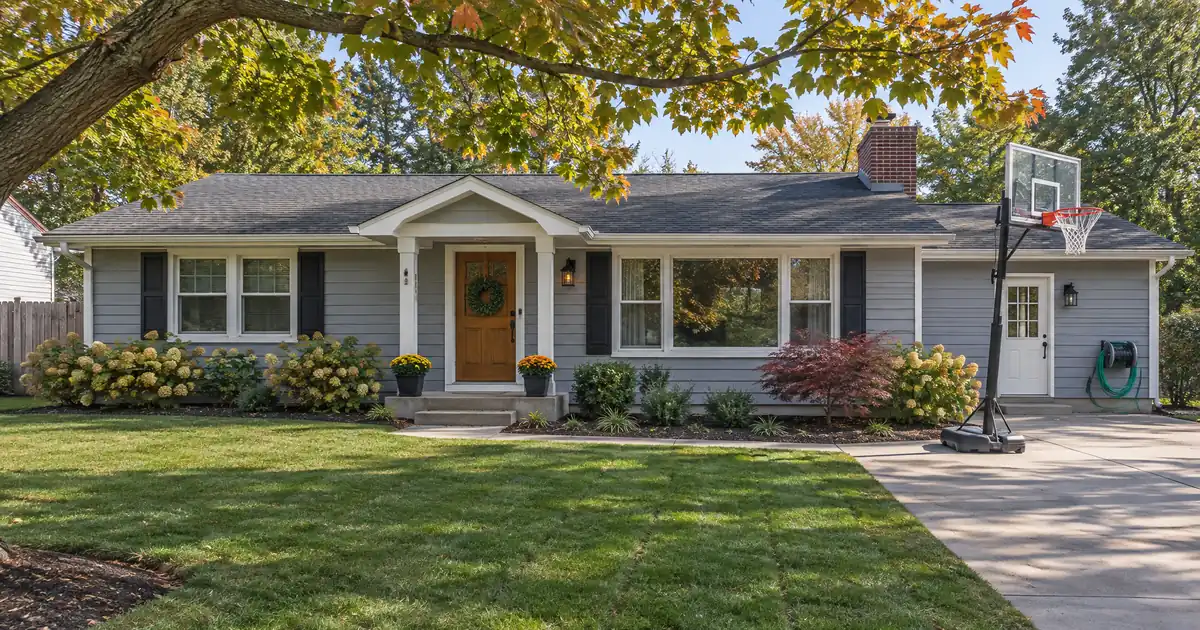
The Quick Read: Putting a mortgage on a home you paid for in cash is a trade. You swap idle equity for spendable cash and a new monthly obligation, and the home becomes collateral. Staying debt-free keeps the home clean and your budget simple, but the equity stays locked inside the walls. A cash-out loan suits a borrower with a specific, productive use for the money and steady income. Debt-free suits a homeowner whose main goal is a low-risk household.
Key Takeaways
- A conventional loan on a home with no mortgage is still a cash-out refinance, however little cash you take.
- Leaving the home debt-free costs nothing to set up and carries no required payment. It also keeps your equity illiquid.
- Cash-out loans cap leverage below a purchase loan, so the appraisal decides how much equity you can reach.
- A recent cash buyer may borrow sooner through delayed financing, but the loan size is capped by what you documented paying.
Side-by-Side
Here is how the two paths compare on the points that decide eligibility and risk. Program figures are subject to lender guidelines and full file review, and nothing here is a commitment to lend.
Cash-out refinance estimate
The starting figures are an example value with a balance and a cash request in proportion. Replace them with yours.
Editable benchmark: 7.18% as of November 5, 2026 · Freddie Mac 30-year average via FRED®. A conventional market reference, not a cash-out refinance quote.
Illustrative starting assumptions: a $350,000 home value, a $193,000 current balance, the agency cap on a one-unit principal residence, a thirty-year term at the current Freddie Mac benchmark, and property taxes and insurance estimated at typical national rates. Every field is editable.
Illustrative estimate only — not a Loan Estimate, approval, quote, or commitment to lend. The rate field carries the weekly Freddie Mac thirty-year conventional benchmark, a market reference and not a cash-out refinance quote; a cash-out loan is priced by the lender at lock. The cash available is the loan the program cap allows less the balances paid off, before closing costs, which are not included. The HELOC line is the program’s combined loan-to-value ceiling applied to the same value and balance. Taxes and insurance are editable estimates. Licensed in sixteen states for consumer mortgages.
| Factor | Conventional cash-out | Stay debt-free |
|---|---|---|
| Maximum leverage | 80% LTV on a one-unit primary residence | No loan, no leverage |
| Other occupancies | 75% LTV on 2–4 units, second homes, investment property | Not applicable |
| Credit floor | 620 decision score on wholesale programs | None needed |
| Ratio ceiling | 50% total ratio on automated findings | None needed |
| Mortgage insurance | Typically none at 80% or below; no-MI wholesale lane reaches 89.99% | None |
| Documentation | Credit, income, assets, appraisal, title | None |
| Seasoning | 6 months on title, or delayed financing | None |
| Your home is collateral | Yes, a new first lien | No lien |
A few notes on that table. LTV means loan-to-value: the loan as a percentage of the home’s appraised value. A decision score is the credit score the lender uses to decide the file. The 50% ratio is your total monthly debts as a share of income.
Why a Paid-Off Home Still Counts as Cash-Out
A new first mortgage on a home with no lien is classified as cash-out. There is no old loan to replace, so it cannot be a rate-and-term refinance. Fannie Mae’s Selling Guide defines cash-out to include a new mortgage on a property owned free and clear. That classification brings the stricter leverage limits and extra pricing layers that apply to cash-out.
Many homeowners assume owning the house outright makes borrowing simple. It does not. You still qualify on credit, income, debts and reserves. The lender still orders an appraisal. Owning the property does not replace a full file.
Across the wholesale programs we place files with, the appraisal is the pivot. The maximum loan is a percentage of current appraised value. A lower appraisal shrinks the cash available, and no old payoff balance exists to soften it.
Lendmire’s cash-out refinance programs page lays out how the leverage works by occupancy. Lendmire is a mortgage broker, not a lender. It arranges these loans through wholesale lenders, and consumer lending is licensed in 16 states.
If You Just Bought With Cash: Delayed Financing
A cash buyer who wants money back soon after closing runs into a title wait. Wholesale programs we work with apply a six-month title seasoning with exceptions for delayed financing, inheritance and legal awards. Confirm the current text with your loan officer.
Delayed financing is the exception for cash buyers. The rules are tight:
- The original purchase must be documented by a settlement statement showing no mortgage was used.
- The source of your purchase funds must be documented, such as bank statements.
- Gift money used for the purchase cannot be reimbursed from the new loan.
- The new loan cannot exceed your documented investment plus financed closing costs and prepaid items.
- The cash-out leverage limits on current appraised value still apply.
Delayed financing waives the title wait. It does not make the loan cheaper. The loan is still cash-out for classification and pricing.
Separately, the first mortgage being paid off in a regular cash-out must be at least 12 months old. That rule does not apply to a home with no mortgage.
When a Cash-Out Refinance Is the Better Fit
Cash-out fits when the money has a job that beats the cost and risk of the lien. Picture a homeowner with a stable income who wants to fund a major renovation that adds value. The equity becomes working capital instead of sitting in drywall.
It also fits a buyer who paid cash to win a deal and always planned to finance afterward. Delayed financing exists for that move. Taking cash out soon after purchase lets you rebuild the liquidity you spent.
Other good reasons include:
- Replenishing reserves you drained to buy the home.
- Funding a business or investment with a defined plan.
- Buying out a co-owner, though that is typically a limited cash-out transaction, a separate product from a full cash-out.
- Keeping a cash cushion for emergencies when most of your net worth sits in the house.
Think about reserves and income first. A new payment on a home you now own outright is a real obligation. The borrower should have steady income and a debt load well under the ratio ceiling, not just barely inside it.
A wholesale lane is worth knowing about. On a thirty-year fixed loan on a primary residence at a conforming balance, one wholesale lane reaches 89.99% LTV with no mortgage insurance. It requires a 680 score and a 50% ratio, with its own six months of seasoning. Texas is the exception: a cash-out on a homestead there is capped at 80% of value by the state constitution, and that lane is not written there. Terms vary by lender guidelines, property type, leverage, credit profile, and full file review.
Conventional cash-out loans on the agency path stay at or below 80% on a one-unit primary residence and at 75% on two- to four-unit primary residences, second homes and investment property, so mortgage insurance usually does not enter the picture.
When Staying Debt-Free Is the Better Fit
Leaving the home free and clear fits when the reason to borrow is thin. Maybe you want cash “just in case.” Maybe the plan is to pay off credit cards or car loans. The Federal Reserve’s consumer guide to refinancing notes that many financial advisers caution against cash-out refinancing to pay down unsecured debt or short-term secured debt. The reason is simple. You turn a debt that cannot take your house into one that can.
The CFPB’s cash-out refinance report found that more than half of cash-out borrowers in most years cited paying off other bills or debts as a reason. It also flagged that paying non-mortgage debts with mortgage debt can raise foreclosure risk. That is worth sitting with before you sign.
Debt-free is the stronger choice when:
- Your income is irregular, or may drop, and the home is your safety net.
- You are near retirement and want no required housing payment.
- You have other liquid assets or a credit line that could cover an emergency.
- The cash would go to spending, not to something with a defined return.
A debt-free home has no required mortgage payment and no new lien. The cost is illiquidity. Your equity does nothing until you sell or borrow later. Borrowing later is still possible, so staying debt-free now does not close the door.
The Cost of Waiting
Does waiting make a later loan harder? Not necessarily. If your credit, income and appraisal hold, you can apply later. What changes is the title seasoning. A home you have owned for years sails past the six-month rule without needing delayed financing.
What can change is your own profile. A job change, a new debt or a lower appraisal can shrink or block a loan you could have taken earlier. A cash buyer who wants liquidity should decide on purpose, not drift into the decision.
Alternatives That Leave Less on the Table
A home equity loan or HELOC is a separate product from a cash-out refinance. The CFPB’s research blog on cash-out refinances notes that a cash-out refinance takes the place of the original mortgage, while home equity loans and HELOCs leave the first mortgage in place.
With a paid-off home there is no first mortgage to protect, so that distinction matters less. A HELOC may still suit someone who wants a flexible line instead of a lump sum. Ask a loan officer which structure fits the amount and the purpose.
Selling other assets is another path. It avoids a lien altogether, though it can bring its own tax and timing issues.
Your Right to Cancel
On a refinance of your principal dwelling, you generally have until midnight of the third business day after closing to cancel. The CFPB’s rescission guidance says the clock starts only after all required events have happened. If disclosures were missing or wrong, the window can extend up to three years. This right attaches to a principal dwelling, not a second home or investment property.
Cancelling does not erase an old loan. If you refinanced a mortgage and then cancelled, you still owe the original. With a paid-off home that point is moot, but it matters if you were paying off another lien.
Key Terms Defined
Cash-out refinance: A new first mortgage that gives you cash from your home’s equity, or a new loan on a home with no mortgage.
Delayed financing: An exception that lets a recent cash buyer take a cash-out loan without waiting out the usual title period.
LTV (loan-to-value): The loan amount as a percentage of the home’s appraised value.
Seasoning: The waiting period a lender requires on title or on an existing loan before a cash-out.
Rescission: The right to cancel certain refinances within a short window after closing.
A Quick Decision Check
If most of these are true, lean toward a cash-out loan:
- You have a defined use for the money.
- Your income is steady and your other debts are modest.
- You will still hold healthy reserves after the loan.
- You can handle a required payment in a lean year.
If most of these are true, lean toward debt-free:
- The goal is peace of mind more than return.
- The money would pay down consumer debt or fund spending.
- Your income could swing.
- Other liquidity sources are available.
The Verdict
Neither path is better in general. The cash-out refinance is a tool for a borrower with a plan, steady income and spare reserves. The debt-free home is the better default when the reason to borrow is vague or the money would cover everyday spending. Treat the equity as a reserve you can tap later, not cash you must use now.
If you are weighing a cash-out refinance against leaving your paid-off home debt-free, Lendmire can help you compare the programs and the equity each one reaches.
Frequently Asked Questions
Can I borrow right after paying cash for a home?
Usually yes, through delayed financing. You must document that no mortgage was used and show where your purchase funds came from. The new loan is capped at your documented investment plus financed costs, and the cash-out leverage limits still apply.
Is a loan on a paid-off home a regular refinance?
No. With no existing mortgage to replace, it is classified as a cash-out refinance by both Fannie Mae and Freddie Mac. That brings the cash-out leverage limits and pricing layers.
How much of my home’s value can I borrow?
On the conventional programs we place, cash-out loans on two- to four-unit primary residences, second homes and investment property go to 75% LTV, while one-unit primary residences go to 80%. One wholesale lane reaches 89.99% with no mortgage insurance on a thirty-year fixed primary residence at a 680 score. All figures are subject to lender guidelines and full file review.
Do I still need to qualify on income and credit?
Yes. Owning the home outright does not waive underwriting. Wholesale programs start at a 620 decision score, and the automated finding governs most files, with a 50% total ratio ceiling. Manually underwritten loans use tighter ratios.
Can I take cash out and still keep my financial safety net?
It depends on what you do with the money and how much reserve you keep. Paying off unsecured debt with a lien on your home can raise your risk, as the Federal Reserve and CFPB both caution. Keep cash in reserve after closing so one bad month does not threaten the house.
For your own numbers, request a scenario review with Lendmire.
About Lendmire
Lendmire is a mortgage brokerage (NMLS# 2371349) licensed for consumer mortgage lending in 16 states, arranging FHA, VA, conventional and jumbo purchase and refinance loans through a wholesale lending network. Eligibility is determined by the lender on each file. Scotsman Guide named Lendmire a Top Mortgage Workplace in both 2025 and 2026.
For current guidelines, see conventional loan programs.
Get Started
Ready to find the right loan for you?
See your offer in seconds. No credit pull, no obligation.
Informational only. Not a Loan Estimate, approval, or commitment to lend. Program availability and eligibility are subject to lender guidelines, credit approval, property review, and underwriting.
References
1. Fannie Mae Selling Guide B2-1.3-03, Cash-Out Refinance Transactions
2. Federal Reserve: Consumer’s Guide to Mortgage Refinancings
3. CFPB: Cash-out borrowers and credit scores
4. CFPB Office of Research blog: cash-out refinances 2013–2023
5. CFPB: How Long Do I Have to Rescind When Does the Right of Rescission Start
This article is part of Lendmire’s cash-out refinance program — full qualification details, guidelines, and scenarios live on the program page.
Related reading: How to Use Conventional Cash-Out Refinance Money for Any Purpose · How to Fund a Big Home Project With a Conventional Cash-Out Refinance · How to Get a Conventional Cash-Out Refinance Under a Seasoning Exception
Brandon Miller
Founder & CEO, Mortgage Loan Originator, Lendmire LLC
- Mortgage Loan Originator · NMLS# 1129696 · Verify on NMLS Consumer Access
- North Carolina Real Estate Broker · License# 343312 · Verify on NCREC
- North Carolina Insurance Producer · License# 19053198 · Property, Casualty, Life, Health · Verify on NAIC SBS
- Lendmire LLC · Firm NMLS# 2371349 · Verify firm licensure
Compliance and disclosures. Lendmire (NMLS# 2371349) is a licensed mortgage broker and is not a direct lender, depository institution, financial advisor, or tax professional. Content in this article is general market analysis and educational information — not financial, legal, or tax advice for any specific situation. Lendmire does not guarantee loan approval; every transaction is subject to underwriting by the funding lender. Mortgage pricing and loan program guidelines are subject to change at any time without notice and vary by borrower characteristics, property type, and state regulations. Lendmire complies with Equal Housing Opportunity. Licensure verification: NMLS Consumer Access.