
The Quick Read: For most heirs, closing in your own name is the simpler path. A trust that became irrevocable when the original owner died usually cannot be the borrower on a new agency loan, and inheritance carries its own exception to the ownership waiting period. Closing in a trust name fits a narrower case: a revocable trust the borrower created and can still change. Either way, the lender underwrites you, not the trust. Everything here is subject to lender guidelines and full file review, and nothing is a commitment to lend.
The Honest Answer First
Two kinds of people ask this question, and the answers differ.
Cash-out refinance estimate
The starting figures are an example value with a balance and a cash request in proportion. Replace them with yours.
Editable benchmark: 7.18% as of November 5, 2026 · Freddie Mac 30-year average via FRED®. A conventional market reference, not a cash-out refinance quote.
Illustrative starting assumptions: a $350,000 home value, a $193,000 current balance, the agency cap on a one-unit principal residence, a thirty-year term at the current Freddie Mac benchmark, and property taxes and insurance estimated at typical national rates. Every field is editable.
Illustrative estimate only — not a Loan Estimate, approval, quote, or commitment to lend. The rate field carries the weekly Freddie Mac thirty-year conventional benchmark, a market reference and not a cash-out refinance quote; a cash-out loan is priced by the lender at lock. The cash available is the loan the program cap allows less the balances paid off, before closing costs, which are not included. The HELOC line is the program’s combined loan-to-value ceiling applied to the same value and balance. Taxes and insurance are editable estimates. Licensed in sixteen states for consumer mortgages.
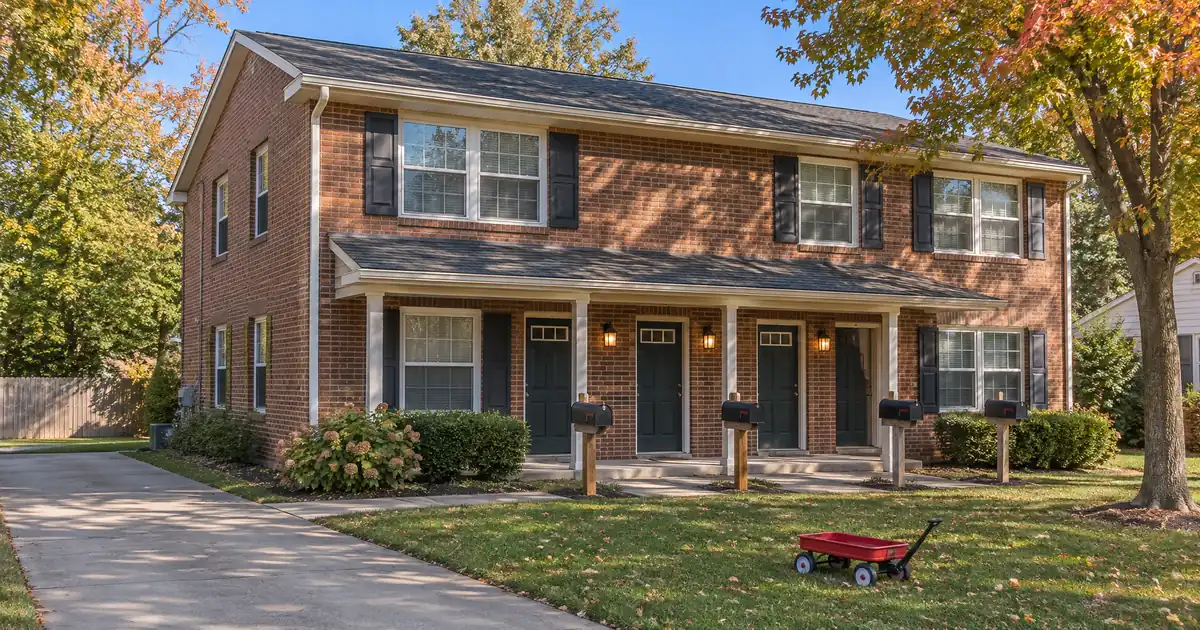
The first inherited the building. A parent, aunt, or grandparent died, and the property sat in a trust. You plan to live in one unit and keep the others rented. For you, personal title is usually the cleaner route. The deed moves to you, the inheritance gets documented, and you refinance as an individual.
The second person set up their own revocable trust and wants to refinance a building they already own. For you, closing in the trust name can work, because the trust is yours and you can still change or cancel it.
Same building type, same loan, two different situations. The rest of this piece sorts out which one is yours.
One caution on “inheritance.” It is not a magic key. It waives the ownership clock. Credit, income, occupancy, appraisal, and leverage limits still apply.
Side-by-Side
| Factor | Closing in the Trust’s Name | Closing in Your Personal Name |
|---|---|---|
| Who it fits | Borrower who created a revocable trust | Heir who received the property |
| Who is underwritten | The individual, never the trust | The individual |
| Ownership clock | Trust’s time may count if you are its primary beneficiary | Inheritance exception applies when documented |
| Credit floor | 620 decision score on wholesale conventional programs | Same |
| Mortgage insurance | Cash-out leverage on 2-4 units tops out at 75% LTV, so the no-MI wholesale lane does not apply | Same |
| Occupancy | Set by program; owner-occupancy drives the leverage | Same |
| Documentation | Trust review, trustee signatures, title review | Inheritance proof, recorded deed |
Notice what does not change. Leverage, credit floor, and the underwriting of you as a person are identical in both columns. What changes is the paperwork around title, and whether the trust qualifies at all.
What a Trust Can and Cannot Do on This Loan
Fannie Mae accepts an inter vivos revocable trust (a trust created during the creator’s lifetime that the creator can change or cancel) as an eligible borrower, for all transaction types, if it meets the agency’s requirements. Its Selling Guide section on cash-out refinances adds a useful detail: if such a trust owned the property before closing, its time can count toward the six-month ownership requirement when you are the trust’s primary beneficiary.
Here is the catch. The trust is an accommodation for estate planning. It is not the credit-qualifying party. Your income, credit, and assets decide the file either way.
That matters for heirs. The agency rules are written around a trust the borrower created. A trust that turned irrevocable at someone else’s death is a different animal. An heir who is a beneficiary but not the creator may not be able to use that trust as the borrower. That is an inference, not a quoted rule, and your lender and title company make the final call.
A trust closing also adds moving parts:
- The title policy has to show title vested in the trustee, without exceptions tied to the trust.
- The trustee signs the note, sometimes without recourse to the trust itself.
- The individual borrower is still the person underwritten and the one the file depends on.
- Expect a trust rider, trustee signatures, and an extra title review.
None of that is a dealbreaker. It is friction, and friction on a 2-4 unit file with several other moving parts can add up.
When the Trust Is the Better Fit
A trust closing makes sense in a narrow set of situations.
You created the trust and it is still revocable. You own the building, your estate plan keeps it in a living trust, and you want a cash-out without taking it out of the plan. Fannie Mae’s rules contemplate exactly this case. A clause that makes the trust irrevocable at your death does not, by itself, make it ineligible, because the test is applied when the loan is delivered.
You want continuity for estate planning. Keeping title in the trust can help the original owner avoid probate and keep the plan intact. That is a real benefit, but it belongs to the person who set up the trust. Ask an estate attorney whether it outweighs the added closing steps.
Time in the trust helps your clock. If the trust has held the property and you are its primary beneficiary, that time can count toward the six-month ownership requirement on an agency cash-out. For someone who has not yet inherited outright, this can matter.
When Your Personal Name Is the Better Fit
You inherited the building. No waiting period applies if the lender documents that you acquired the property by inheritance or legal award. Freddie Mac’s cash-out refinance rule normally wants a borrower on title for six months. It lists inheritance or legal award as an exception. The same six-month idea shows up across our wholesale conventional programs, with the same inheritance and legal-award exceptions.
The trust is irrevocable. If the trust locked at the original owner’s death, moving title to you personally is usually the route that fits agency rules. Fannie Mae’s limited cash-out guidance even recognizes a property previously owned by a revocable trust where the borrower is the primary beneficiary. That supports the idea of an heir taking title out of a trust and still qualifying.
There are co-heirs. Several siblings often inherit one building. Heirs who are not staying must sign or be bought out. Freddie Mac’s special-purpose cash-out for buying out a co-owner exempts people who inherited an interest from the 12-month joint-ownership and occupancy requirements. The heir who keeps the building may not receive any proceeds in that transaction. If cash back is part of your plan, that changes the math.
You want the simplest paperwork. Personal title means a recorded deed, the inheritance documented, and a standard individual closing. Fewer parties sign. Fewer title exceptions need clearing.
Here is a mini-picture. Picture three siblings inheriting a triplex from a parent, with one sibling moving into a unit. The trust that held the building turned irrevocable at the parent’s death. The sibling who is staying takes title by deed, the other two are bought out or sign, and the refinance is underwritten on the staying sibling alone.
The Numbers That Do Not Change
Whatever name is on the deed, a conventional cash-out on a 2-4 unit principal residence carries the same program limits. Across the wholesale programs Lendmire places files with, leverage tops out at 75% LTV (loan-to-value, the loan as a percentage of the appraised value) on two- to four-unit properties. A one-unit home reaches 80%. Fannie Mae’s Eligibility Matrix lists these caps by transaction, occupancy, and unit count. Leverage, reserves, and pricing vary by lender and program; the final terms follow the full file review.
Other figures to know, all subject to lender guidelines:
- The wholesale conventional programs start at a 620 decision score.
- The automated finding governs most files, with a total ratio ceiling of 50%.
- The first mortgage being paid off must be at least 12 months old, though an inherited home with no mortgage is handled differently (Freddie Mac treats a loan on a property previously owned free and clear as a cash-out).
- You must have been on title for six months, with exceptions for delayed financing, inheritance, and legal award.
The 89.99% no-mortgage-insurance wholesale lane is not available here. It is written on a conforming-balance, primary-residence, thirty-year fixed file, and it does not reach two- to four-unit cash-outs on the leverage shown above.
Where Are You Right Now?
Your stage often decides your route more than your preference does.
| Where title sits today | Likely path |
|---|---|
| Estate still open | Resolve title first; no deed yet |
| Irrevocable trust holds title | Deed to the heir, then refinance personally |
| Deed already recorded to you | Refinance in your own name |
| You own it through your own revocable trust | Trust closing may fit |
Fannie Mae requires at least one borrower to be a current owner on title at application, with inheritance as the exception. So start with a simple question: who holds title today? Everything else follows.
Mechanics: Step by Step
1. Confirm title. Is it the estate, a trust, or you after a recorded deed?
2. Document the inheritance. Wills, probate papers, or court orders are typical proof. The lender decides what satisfies the rule.
3. Choose the title route. Trust route only if the trust meets the revocability and creator tests. Personal route means a deed and signatures from all co-heirs or a buyout.
4. Underwrite you. Income, credit, and assets decide the outcome.
5. Appraisal and leverage. The appraised value sets the cap.
6. Closing documents. In a trust closing, expect trustee signatures and a title policy reviewed for trust exceptions.
Rental income from the other units is its own underwriting question, and lenders treat it differently by program. Ask early.
Mistakes and Myths
“A trust can qualify for the loan.” It cannot. The individual is underwritten.
“A trust waives the waiting periods.” Only in the specific case where the trust held the property and you are its primary beneficiary. Inheritance is the named exception to the ownership clock, not the trust.
“Inheritance waives every requirement.” It waives the ownership clock, nothing more.
“An irrevocable-at-death clause kills any trust.” For Fannie Mae, that clause alone does not. The trust must still meet the revocability test at delivery.
“I must assume the old mortgage to talk to the servicer.” A confirmed successor in interest, someone to whom ownership transferred once the servicer confirms identity, is treated as a borrower for servicing purposes without assuming the loan, per the CFPB servicing compliance guide. That covers the existing loan. A new cash-out is underwritten from scratch.
“A streamline will give me cash.” It will not. The FHA Streamline and VA IRRRL are for existing government loans and are not cash-outs. An heir who was not the original VA borrower generally cannot use an IRRRL.
What a Cash-Out Does to Your Budget
A cash-out replaces your current first mortgage with a larger one. The CFPB’s guide to using home equity notes that the payment may rise and the payoff period may lengthen, and that lenders typically want 10% to 20% equity to remain. That lines up with the 75% leverage ceiling on a 2-4 unit.
Treat the proceeds with care. Paying off other debts is a common reason borrowers give for taking cash out, which can be reasonable. It also converts short-term debt into debt secured by the building you live in.
Key Terms Defined
Inter vivos revocable trust: A trust created during the creator’s lifetime that the creator can change or cancel.
Vesting: How title is held, meaning whose name legally owns the property.
Trustee: The person or entity that holds and manages trust property and signs for the trust.
Primary beneficiary: The person who is the main recipient of the trust’s benefits.
Limited cash-out: A refinance that pays off the existing loan and costs with only small cash back. A co-owner buyout under a written agreement falls here.
Confirmed successor in interest: A person who received ownership of a home and whom the servicer has verified.
The Balanced Verdict
If you inherited the building, personal title is usually the better fit. It tracks the agency inheritance exception, avoids the trust-eligibility question, and keeps the closing paperwork lean.
If you created a revocable trust and still control it, a trust closing can work, and the trust’s time may help your ownership clock.
Heirs of an irrevocable trust, heirs with co-owners, and anyone planning cash back all have wrinkles worth raising with a title company and an estate attorney early. State law, not a national rule, drives much of the trust and deed review.
If you are weighing a cash-out refinance against keeping the loan you have, Lendmire can help you compare the programs and the equity each one reaches. Start with Lendmire’s cash-out refinance programs page. Lendmire is a mortgage broker, not a lender, and every program figure is subject to lender guidelines.
Frequently Asked Questions
Can an irrevocable trust be the borrower on my cash-out refinance?
Usually not on an agency loan. The agency rules are written around a revocable trust the borrower created, and the trust is never the credit-qualifying party. An heir who is only a beneficiary typically takes title personally and refinances in their own name. Your lender and title company make the final call.
Do I have to wait six months after inheriting before I can cash out?
Generally no. Fannie Mae says no waiting period applies when the lender documents that you acquired the property by inheritance or legal award. Freddie Mac lists the same exception to its six-month rule. Credit, income, occupancy, and appraisal still apply.
What if several siblings inherited the building?
Those not staying must sign or be bought out. Freddie Mac’s special-purpose cash-out exempts people who inherited an interest from the 12-month joint-ownership and occupancy requirements, and the retaining owner may not receive any proceeds in that transaction.
Does a 2-4 unit get the same leverage as a one-unit home?
No. On a conventional cash-out, a one-unit principal residence reaches 80% LTV while two- to four-unit properties reach 75%. Occupancy and unit count set the cap, subject to lender guidelines.
Can I rent the units after inheriting and still cash out on FHA?
The conventional Fannie Mae and Freddie Mac guidelines covered here do not settle FHA cash-out occupancy for an heir who rents the property after inheriting, so confirm the FHA requirements for your specific situation.
For your own numbers, request a scenario review with Lendmire.
For current guidelines and terms, see Lendmire’s refinance programs page.
About Lendmire
As a mortgage broker (NMLS# 2371349), Lendmire helps homeowners and home buyers in 16 states with FHA, VA, conventional and jumbo purchase and refinance loans arranged through wholesale lenders. Lendmire is never the lender; program terms are set by the lender and the agency guidelines. Scotsman Guide named Lendmire a Top Mortgage Workplace in both 2025 and 2026.
Get Started
Ready to find the right loan for you?
See your offer in seconds. No credit pull, no obligation.
Informational only. Not a Loan Estimate, approval, or commitment to lend. Program availability and eligibility are subject to lender guidelines, credit approval, property review, and underwriting.
References
1. Fannie Mae Selling Guide B2-1.3-03, Cash-Out Refinance Transactions
2. Freddie Mac Guide 4301.5, Cash-Out Refinance
3. Fannie Mae’s limited cash-out guidance
4. Fannie Mae Eligibility Matrix
5. CFPB Mortgage Servicing Small Entity Compliance Guide
6. CFPB Guide to Using Home Equity
This article is part of Lendmire’s cash-out refinance program — full qualification details, guidelines, and scenarios live on the program page.
Related reading: How to Qualify and Apply for a Cash-Out Refinance on Your Home · How to Check Your Break-Even Before a Cash-Out Refinance · How to Pick a Cash-Out Refinance or Lower Payment for a Trust Loan
Brandon Miller
Founder & CEO, Mortgage Loan Originator, Lendmire LLC
- Mortgage Loan Originator · NMLS# 1129696 · Verify on NMLS Consumer Access
- North Carolina Real Estate Broker · License# 343312 · Verify on NCREC
- North Carolina Insurance Producer · License# 19053198 · Property, Casualty, Life, Health · Verify on NAIC SBS
- Lendmire LLC · Firm NMLS# 2371349 · Verify firm licensure
Important disclosures. Lendmire (NMLS# 2371349) is a licensed mortgage brokerage. Lendmire is not a direct lender, depository institution, or financial advisor. All loan inquiries are subject to lender underwriting; this article does not constitute a commitment to lend. Rates, terms, and program guidelines are subject to change without notice and vary by borrower profile, property type, and state. Information in this article is general in nature and is not financial, legal, or tax advice. Equal Housing Opportunity. NMLS Consumer Access: nmlsconsumeraccess.org.