
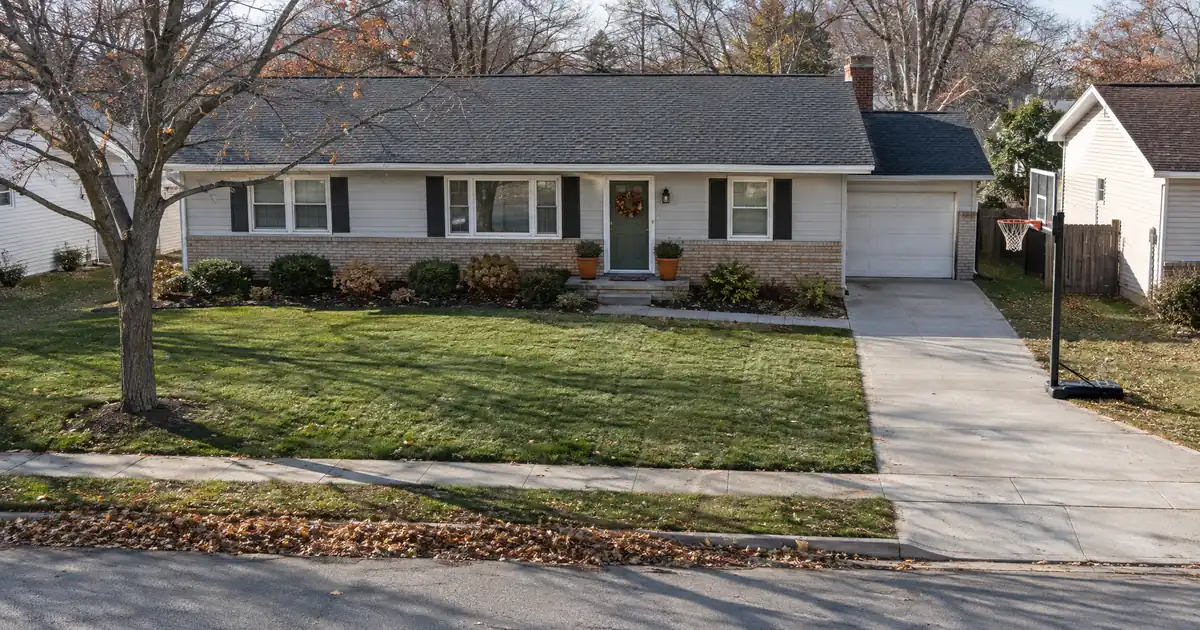
The Quick Read: The best program for a gifted home depends on three things: whether the home still carries a loan, whether the borrower is a veteran, and how long the borrower has been on title and living there. No agency publishes a dedicated “gifted home” cash-out program. A conventional cash-out on a primary residence tops out at 80% LTV, subject to lender guidelines. A veteran with no VA loan on the home may have the shortest path. Everyone else usually waits out a title clock.
Is There a Program Built for Gifted Homes?
No. None of the agency rulebooks name a gifted-home cash-out program or a gift exception to the waiting period. Fannie Mae, Freddie Mac and HUD each name inheritance as an exception. Fannie Mae and Freddie Mac also list property awarded in a divorce or legal dissolution. A deed gift is not on those lists.
Cash-out refinance estimate
The starting figures are an example value with a balance and a cash request in proportion. Replace them with yours.
Editable benchmark: 7.24% as of October 29, 2026 · Freddie Mac 30-year average via FRED®. A conventional market reference, not a cash-out refinance quote.
Illustrative starting assumptions: a $350,000 home value, a $193,000 current balance, the agency cap on a one-unit principal residence, a thirty-year term at the current Freddie Mac benchmark, and property taxes and insurance estimated at typical national rates. Every field is editable.
Illustrative estimate only — not a Loan Estimate, approval, quote, or commitment to lend. The rate field carries the weekly Freddie Mac thirty-year conventional benchmark, a market reference and not a cash-out refinance quote; a cash-out loan is priced by the lender at lock. The cash available is the loan the program cap allows less the balances paid off, before closing costs, which are not included. The HELOC line is the program’s combined loan-to-value ceiling applied to the same value and balance. Taxes and insurance are editable estimates. Licensed in sixteen states for consumer mortgages.
That is a reading of what the rules leave out, not a line of rule text. Treat it as “the published exceptions do not include a gift,” and let the lender confirm it on your file.
Across the wholesale programs Lendmire places files with, a gifted home is treated as a property you acquired on the deed date. The clock starts there. So the real question is not which program is made for gifts. It is which program has the shortest clock for your facts.
How Is a Cash-Out Refinance on a Gifted Home Underwritten?
The lender walks the file in a set order. Most delays come from a gap in one of these steps.
1. Establish how title was acquired. The lender pulls the recorded deed and the recording date. Fannie Mae’s cash-out rule counts property “purchased or acquired,” so a deed gift starts the title clock on the deed date. Inheritance and legal-award exceptions need their own documents. A gift does not get that treatment.
2. Classify the loan. If the home is free and clear, a new first mortgage is still a cash-out refinance. Freddie Mac’s Guide says so directly. If the home carries a loan, the lender checks the age of that first mortgage.
3. Confirm occupancy. A primary-residence cash-out means you live there. Occupancy history matters most on FHA.
4. Order the appraisal. A gifted home has no purchase price. The appraisal sets the value, and leverage limits run off that number.
5. Gather documents. Expect the recorded deed, a title commitment, proof of occupancy, and the usual income, asset and credit documents.
6. Underwrite income and ratios. Income and debt-to-income are judged under the program’s rules. Across the wholesale programs, the automated finding governs most files, with a total ratio ceiling of 50%.
7. Disclosures. You receive a Loan Estimate, then a Closing Disclosure. Compare the two line by line.
What Do the Conventional Rules Say?
Conventional is the lane most gifted-home owners use, and the numbers are specific. A cash-out on a one-unit principal residence runs up to 80% LTV. Two- to four-unit principal residences, second homes and investment property run to 75%. Fannie Mae’s Eligibility Matrix publishes the 80% one-unit cap. The exact numbers vary by lender and program and follow a full review of property, leverage, and credit.
Two seasoning tests apply across the wholesale programs. A borrower must be on title for 6 months. If a first mortgage is being paid off, it must be at least 12 months old, counted note date to note date. A gifted home with no loan skips the second test.
Credit starts at a 620 decision score on the wholesale conventional programs. One wholesale lane reaches 89.99% LTV with no mortgage insurance. It needs a 680 score, a 50% ratio, a thirty-year fixed, a primary residence and a conforming balance. It carries its own six months of seasoning. Texas homestead is the exception: the state constitution caps cash-out there, and that lane is not written. Final terms depend on the lender’s guidelines, the property type, and the borrower’s complete credit picture.
Here’s the catch. The six-month wait is an investor guideline, not a law. Lenders can add stricter overlays on top of it.
Where Gifts and Inheritance Part Ways
This is the point that trips most families. Inheritance has named relief. Freddie Mac’s cash-out product page lists no seasoning requirement for eligible inherited property. A living donor’s deed gift is a different event. The published exceptions do not stretch to cover it.
| Factor | Inherited home | Gifted home |
|---|---|---|
| Named exception to 6-month title wait | Yes, documented | Not named |
| Title clock starts | Exception applies | Deed date |
| FHA occupancy exception | Yes, if never rented | Not named |
| Documentation | Estate and death records | Recorded deed |
A borrower who assumes a gift behaves like an inheritance is the one who gets the file kicked back.
Which Program Fits Which Borrower?
Pick by situation, not by brand. The table shows the main lanes and the tradeoff in each.
| Situation | Likely lane | Tradeoff |
|---|---|---|
| On title 6+ months, living there | Conventional cash-out | Up to 80% LTV on one unit |
| Free and clear, under 6 months | Wait for the clock | Cash-out classification still applies |
| Veteran, no VA loan on home | VA cash-out | Title required; VA appraisal |
| Wants FHA cash-out | FHA | 12 months owned and occupied |
| Home has an existing loan | Check loan age | First mortgage must be 12+ months old |
| Existing FHA or VA loan, no cash needed | FHA Streamline or VA IRRRL | Returns no real cash |
Conventional
It is the default lane for most owners. The leverage cap is lower than rate-and-term, because cash-out is priced as higher risk. Freddie Mac applies a credit fee in price on cash-out.
FHA
HUD’s handbook text, reproduced here, requires at least one borrower to have owned and occupied the home as a principal residence for 12 months. The only named exception is inheritance. A gifted home generally needs the full 12 months. That is an inference from the exception list, so verify it against HUD’s handbook. FHA Streamline is a no-cash-out product for an existing FHA loan, so it cannot pull equity.
VA
A VA cash-out can refinance any lien type, and the veteran must own the property. Per the VA Lenders Handbook, seasoning applies only to VA-to-VA cash-outs. A gifted home with no VA loan has no VA seasoning clock. That can make VA the shortest path for an eligible veteran. Some investors layer on their own seasoning. That is an overlay, not a VA rule.
The VA IRRRL is for existing VA loans only, with a 0.5% funding fee unless exempt and seasoning of the later of 210 days and 6 payments.
Where the General Rule Breaks
Gift of equity is not a gifted home. A gift of equity is a seller crediting part of their equity to a buyer on a purchase. Fannie Mae permits it for principal residence and second home purchases. It is a purchase, not a cash-out.
Delayed financing does not fit. It is built for a recent arm’s-length purchase. The new loan is capped at the documented investment plus financed costs. A deed gift has no purchase and no documented investment. Delayed financing does not work here, though the lender makes the call.
Gift funds cannot be repaid from the loan. If gift money bought the property, the new loan’s proceeds cannot reimburse it. Gift money for a down payment is a separate topic and is allowed on a principal residence or second home.
Inherited, then rented, on FHA. Renting after you inherit resets the clock to 12 months of occupancy.
An existing mortgage on the gifted home. The deed changes title. It does not change who owes the loan. A transfer can raise due-on-sale questions with the donor’s servicer. Sort that out before you record.
Trust or LLC title. Fannie Mae and Freddie Mac have provisions that count time held in an LLC or revocable trust toward the title clock. It depends on the file.
Multiple recipients. Everyone on title must sign. A buyout payment to a sibling counts as cash-out.
Sequencing the Deed and the Loan
Order matters. Three common sequences, each with a tradeoff:
| Sequence | Upside | Tradeoff |
|---|---|---|
| Record deed, then refinance | Clean title, clock starts | You wait out the clock |
| Refinance in donor’s name first | Avoids the title clock | Donor must qualify; deed follows |
| Deed at closing | One transaction | Lender must approve the structure |
Don’t record anything before checking the lender’s policy. A recorded deed can start a clock you wish had not started, or trigger a loan-age test you had not planned for.
A Scenario Without Dollar Figures
Picture a parent who deeds a paid-off home to an adult child. The child lives there, wants cash for repairs, and has been on title for four months. The home is free and clear, so a new first mortgage is a cash-out refinance. On conventional, the child waits for the six-month title mark. Then the cap is 80% of appraised value, subject to credit and ratios.
Now change one fact. The child is a veteran and the home has no VA loan. There is no VA seasoning clock. Title is in place, so the VA lane may be open now, with the loan including the funding fee limited to 100% of VA’s reasonable value.
Same house. Different program. Different wait.
What the Lender Looks For
- A recorded deed with a clear date.
- A title commitment with no surprises.
- Proof you live there.
- Income, assets and credit that fit the program.
- An appraisal that supports the leverage you want.
- A payoff statement if any loan remains.
Clean documentation does not guarantee approval. It gives the lender fewer preventable gaps to chase.
Common Mistakes
- Treating a gift like an inheritance and skipping the wait.
- Recording the deed before checking lender policy.
- Planning to repay the giver from proceeds when gift funds bought the home.
- Assuming a deed releases the donor from their mortgage.
- Applying for FHA cash-out before the 12 months of occupancy.
What Does a Cash-Out Do to Your Budget?
A free-and-clear home becomes a mortgaged home. That means a new monthly payment, shaped by loan size, term, rate and any mortgage insurance. Mortgage insurance is required above 80% LTV, cancels at your request at 80% of original value, and ends automatically at 78%. Each figure is subject to lender guidelines and a complete review of property type, leverage, and credit.
CFPB research on cash-out refinance behavior shows borrowers often use proceeds to pay down other debt. Missed payments put the home at risk. Compare the Loan Estimate against the Closing Disclosure and ask about any big change.
Key Terms Defined
Cash-out refinance: A new first mortgage that pays off any existing loan and returns equity to you, or places a loan on a home owned free and clear.
Seasoning: The minimum time you have held title, or a loan has existed, before a program allows cash-out.
Delayed financing: An exception for recent arm’s-length purchases, with the new loan capped at the documented investment plus financed costs.
Gift of equity: A seller credit of part of their equity to a buyer on a purchase.
Vesting: How title is held and who is listed as owner.
LTV: Loan-to-value, the loan amount as a share of appraised value.
How to Find the Right Fit
Lendmire is a mortgage broker, not a lender. It works with a nationwide network of wholesale cash-out refinance lenders and matches the scenario to the program. The lenders that write a gifted-home file depend on your title date, occupancy, credit profile and leverage need. Lendmire’s cash-out refinance programs page lays out the lanes.
If you are weighing a cash-out refinance against keeping the loan you have, Lendmire can help you compare the programs and the equity each one reaches. Program details are subject to lender guidelines and full file review, and none of this is a commitment to lend.
Frequently Asked Questions
Can I cash-out refinance a gifted home with no mortgage?
Yes, usually after the title clock runs. A mortgage on a home owned free and clear is classified as cash-out. On conventional, expect a 6-month title requirement and a leverage cap of 80% on a one-unit primary residence, subject to lender guidelines.
Does a gift restart the waiting period?
The deed date starts your clock. The donor’s earlier ownership generally does not count. Inheritance has a named exception. A living-donor gift is not on the published lists, so the lender should confirm how it treats your file.
Can I use the proceeds to repay the person who gave me the home?
That is a structuring question to settle before you apply. Gift funds that bought a property cannot be reimbursed with new loan proceeds. A buyout payment to a co-recipient counts as cash-out. Talk to your loan officer first.
Do I have to live in the gifted home?
For a primary-residence cash-out, yes. FHA asks for 12 months of ownership and occupancy. Occupancy also decides leverage: one-unit primary residences reach 80%, while second homes and rentals sit at 75%.
What if the donor still has a loan on the home?
The deed changes title, not who owes the debt. The existing first mortgage must be at least 12 months old for a conventional cash-out, and a transfer can raise due-on-sale questions. Settle that before recording.
For your own numbers, request a scenario review with Lendmire.
For current guidelines and terms, see Lendmire’s refinance programs page.
About Lendmire
Lendmire (NMLS# 2371349) is a mortgage broker licensed for consumer lending in 16 states. Lendmire arranges FHA, VA, conventional and jumbo purchase and refinance loans through wholesale lenders; every file is underwritten by the lender under the applicable program guidelines. Scotsman Guide named Lendmire a Top Mortgage Workplace in both 2025 and 2026.
Get Started
Ready to find the right loan for you?
See your offer in seconds. No credit pull, no obligation.
Informational only. Not a Loan Estimate, approval, or commitment to lend. Program availability and eligibility are subject to lender guidelines, credit approval, property review, and underwriting.
References
1. Fannie Mae Top Trending Selling FAQs
3. Fannie Mae Eligibility Matrix
4. Freddie Mac Cash-Out Refinance Product Page
5. HUD Handbook 4000.1 (verbatim text, via compliance site)
6. VA Lenders Handbook, Chapter 6: Refinancing Loans
8. CFPB: CFPB Cash Out Refinances and Paydown Behavior of Non Mortgage Debt Balances
This article is part of Lendmire’s cash-out refinance program — full qualification details, guidelines, and scenarios live on the program page.
Related reading: Best Cash-Out Refinance Program to Pay Off Maxed-Out Credit Cards · Cash-Out Refinance vs Home Equity Loan When You Need Full Value · Best Cash-Out Refinance Program After a Cash Purchase Under Delayed Financing Rules
Brandon Miller
Founder & CEO, Mortgage Loan Originator, Lendmire LLC
- Mortgage Loan Originator · NMLS# 1129696 · Verify on NMLS Consumer Access
- North Carolina Real Estate Broker · License# 343312 · Verify on NCREC
- North Carolina Insurance Producer · License# 19053198 · Property, Casualty, Life, Health · Verify on NAIC SBS
- Lendmire LLC · Firm NMLS# 2371349 · Verify firm licensure
Disclosures. The information presented in this article is general market commentary, not financial, legal, or tax advice. Lendmire is a mortgage brokerage (NMLS# 2371349) — not a direct lender or depository institution — and loan placement is subject to lender underwriting. Nothing in this content represents a commitment to lend. Loan terms, pricing, and program availability vary based on borrower qualifications, property characteristics, and state of subject property, and are subject to change at any time. Lendmire complies with Equal Housing Opportunity requirements. Consumer access: nmlsconsumeraccess.org.