
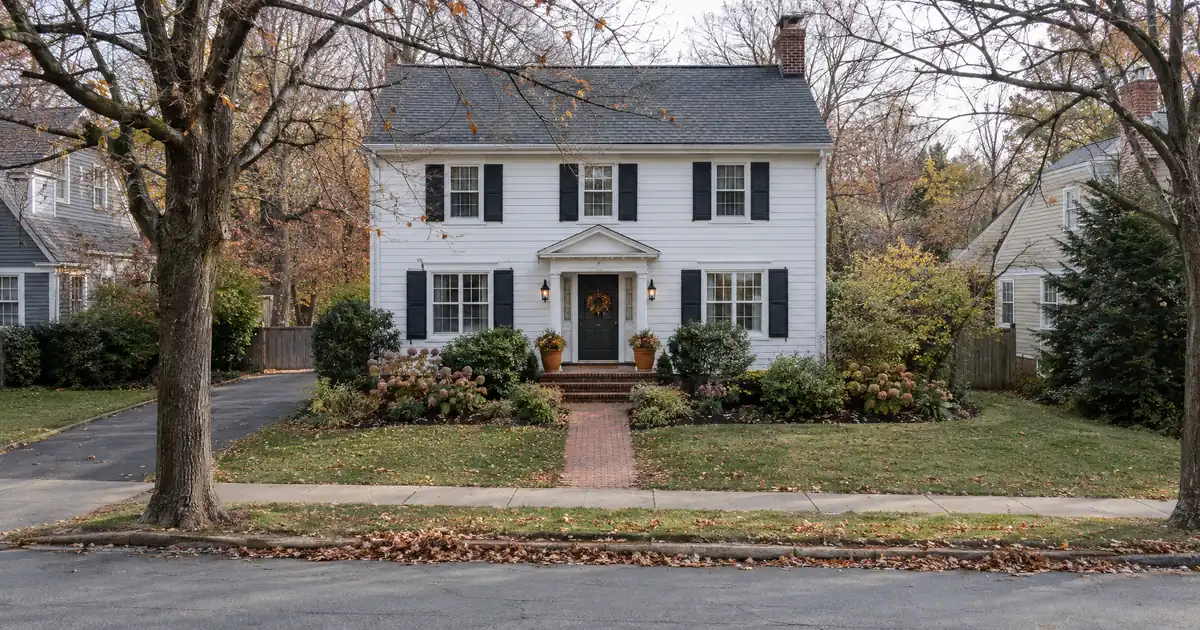
The Quick Read: A VA loan works on a newly built home, and being on active duty does not block it. VA decides whether your service qualifies, and the lender decides credit and income. The home must be complete, meet VA’s property standards and appraise at or above the contract price. A first-time user has full entitlement, so there is typically no down payment and no mortgage insurance, subject to lender guidelines and full file review.
Key Takeaways
- Two paths exist. Buying a builder’s home is the simpler route. A construction loan for a custom build is the harder one, and fewer lenders offer it.
- The appraisal is the pivot point. Any gap between the contract price and VA’s reasonable value falls on you.
- Active duty has an occupancy carve-out. Your spouse can certify occupancy if duty keeps you from moving in.
- Orders do not waive occupancy. A PCS move explains a delayed move-in. It does not erase the rule.
- The warranty matters. New construction needs a builder’s warranty or an insurance-backed one.
What “New Construction” Means to VA
New construction is not one thing. VA sorts homes into proposed construction, new construction and existing construction. A home counts as new if it is less than a year old and has never been occupied.
VA payment estimate
Starting assumptions reflect an example price with no down payment and a first-use funding fee. Replace them with your own figures.
Editable benchmark: 7.32% as of October 22, 2026 · Freddie Mac 30-year average via FRED®. A conventional market reference, not a VA loan quote.
Illustrative starting assumptions: a $350,000 price, no down payment with full entitlement, a first-use funding fee financed into the loan, a thirty-year term at the current Freddie Mac benchmark, and property taxes and insurance estimated at typical national rates. Every field is editable.
Illustrative estimate only — not a Loan Estimate, approval, quote, or commitment to lend. The rate field carries the weekly Freddie Mac thirty-year conventional benchmark, a market reference and not a VA loan quote; your rate is set by the lender at lock. The funding fee follows VA’s published table for the use and down payment entered; the residual-income figure is VA’s guideline for the region and family size, and the rough residual shown subtracts only the housing payment and the debts entered, while VA also deducts taxes, maintenance and utilities. Taxes, insurance and dues are editable estimates; closing costs are not included. Licensed in sixteen states for consumer mortgages. Lendmire is not affiliated with or acting on behalf of the Department of Veterans Affairs.
Those labels change the paperwork. A home still being built gets a different appraisal path than one with a certificate of occupancy in hand. Once a home has been finished for more than a year, VA treats it more like an existing house. The VA construction loan circular describes that cutoff, and the rule is old enough that you should confirm the current version with your loan officer.
Here is the distinction that trips up first-time buyers. Buying a house a builder owns and is selling is a purchase loan. Financing the construction of a home on your own lot, with draws paid out as work progresses, is a construction loan. Most active-duty buyers want the first one.
Why Being a First-Time VA User Matters
Your first VA loan means you have all of your entitlement. Entitlement is the amount VA is willing to guarantee for you, and it is what lets the loan work without a down payment.
With full entitlement, the programs Lendmire places VA loans with offer 100% financing as long as the price is not above the appraised value. There is no mortgage insurance of any kind. There is no VA loan limit on full entitlement, and the wholesale programs we use serve loan amounts up to $4,000,000. If you have only remaining entitlement from an earlier loan, a down payment may be required. In that case, speak with a loan officer rather than guessing.
There is one cost to know about. The VA funding fee is a one-time charge that you can finance into the loan. For a first-time purchase it runs 2.15% with less than 5% down, 1.5% with 5% to under 10% down, and 1.25% with 10% or more down. It is waived for veterans who receive compensation for a service-connected disability and for the other exempt groups. A second use costs more at the lowest down payment tier, 3.3%, which is one reason to think about entitlement before you spend it. Each figure is subject to lender guidelines and a complete review of property type, leverage, and credit.
Does VA set a minimum credit score? No. Lenders set their own. Across the wholesale programs we place files with, the decision score starts at 580. Some lenders in the market set a higher floor.
Can You Use VA While on Active Duty?
Yes. VA says a service member who has served at least 90 continuous days, all at once and without a break, meets the minimum service requirement. VA’s eligibility page also says you must meet credit, income and occupancy requirements from both VA and the lender.
You prove service with a Certificate of Eligibility, or COE. It shows the lender your service history and duty status. VA decides whether you are eligible. The lender decides whether your credit and income work.
Underwriting is where active-duty files often feel different from civilian ones. Residual income is the controlling test. That is the money left each month after your debts, taxes and an estimate of living costs for your family size and region. The 41% debt-to-income figure is a guideline, not a cap. A ratio above it simply needs residual income well above the table.
The Occupancy Rule and the Active-Duty Carve-Out
A VA loan is for a home you will live in. Under 38 CFR 36.4303, the veteran certifies an intent to occupy the home. If active duty prevents you from occupying it, your spouse can certify instead. The regulation says these certifications are made at application and again at closing.
Two limits apply. The spouse exception is for active-duty status only, not for retired or separated veterans. And the loan is still meant for a primary residence. It does not turn a new-build into a place you rent out.
PCS orders deserve a plain word. Orders explain why you cannot move in yet, but they do not waive the rule. Lenders generally want a documented plan for when occupancy will happen. The exact timing window varies, so ask your loan officer rather than relying on a number you saw online.
Step by Step: Buying a New Build With VA
This is the sequence for a builder-owned home, with the lender steps based on the VA circular and Buyer’s Guide.
1. Confirm eligibility and entitlement. The lender verifies your COE, entitlement, income and credit.
2. Sign the builder contract. Get the plans and specifications. If the appraisal can be done before the foundation is finished, VA can appraise based on plans and specs.
3. Order the appraisal. If construction is further along than the foundation, the lender typically waits until the home is complete. It then orders the appraisal as built less than a year and never occupied.
4. VA assigns the appraiser. You, your agent and the lender do not pick one.
5. Receive the Notice of Value. The appraisal sets VA’s reasonable value, and that decides how much of the loan VA will guarantee. The VA Buyer’s Guide explains this.
6. Handle a low value. If the value looks likely to fall below the contract price, there is a process to submit market data. A Reconsideration of Value can follow the Notice of Value.
7. Final inspection. When the home is 100% complete, the lender asks the original VA appraiser to inspect it.
8. Confirm the property standards and warranty. The lender certifies the home is complete and meets VA’s Minimum Property Requirements. You also need a builder’s warranty or an insurance-backed one.
9. Close and sign the occupancy certification. After closing, VA issues the Loan Guaranty Certificate.
The VA Lenders Handbook covers appraisal, property requirements, Notices of Value and construction inspections in Chapters 10 through 14.
Lendmire’s VA loan programs cover these purchases in the 16 states where it is licensed for consumer lending, though how the deal works depends on the lender and the builder.
Two Paths Compared
| Factor | Builder’s home (purchase) | Custom build (construction loan) |
|---|---|---|
| Who builds | Builder owns and sells | You contract for the build |
| Loan type | Standard VA purchase | Construction-to-permanent |
| Draws | None | Paid out in stages |
| Lender choice | Many lenders | Fewer lenders |
| Best fit for PCS | Usually stronger | Harder to time |
For most active-duty buyers, the left column is the answer. A finished or nearly finished home has a known completion date. That is easier to line up with a report date than a build that depends on weather, permits and draw inspections.
Where the General Rule Breaks
A few edge cases change the answer.
- Local inspections were skipped. If the local authority routinely inspects new construction but did not inspect this home, the property can be ineligible.
- The authority does not inspect. The VA circular says the home must then carry a 10-year insured protection plan and a 1-year builder’s warranty.
- The builder will not give a warranty. VA can grant a special exception at the veteran’s request.
- You act as your own general contractor. A fully completed home built this way may be eligible.
- The home has been finished more than a year. With a certificate of occupancy over a year old, VA treats it like existing construction rather than new construction and requires a new appraisal.
- Construction-to-permanent loans. The loan is limited to the lesser of VA’s reasonable value or the acquisition cost, plus related items. The lender needs your written approval before each draw. The circular also allows a construction fee in specified circumstances, but it is old, so confirm the current rules.
- Builder registration. VA has relaxed builder-registration requirements. Ask your lender what applies now instead of assuming a builder needs a particular ID.
Protecting Yourself on Timing and Price
Two risks hit active-duty buyers harder than civilians.
A low appraisal. The Notice of Value caps what VA will guarantee. If the contract price runs above reasonable value, you cover the gap or renegotiate. On new construction, budget for that risk before you sign.
A build that slips. Orders have a report date. A builder’s schedule may not. Before you sign, ask the builder what happens if the closing date moves, and whether you can cancel and keep your deposit if the home is not finished in time. Notices of Value also expire.
A related question is whether you must use the builder’s preferred lender. You do not. Builder incentives can be real, but compare the full terms against an outside VA lender, and look at the Loan Estimate line by line.
A nearly finished home is generally the safer fit over a proposed one when your report date is fixed, since it leaves less to go wrong. A proposed build can sometimes offer more choice on finishes.
Active-Duty Logistics
You may be at one duty station while the home is in another. Plan for it early.
- Proof of service. Get your COE before you shop.
- Closing remotely. Ask the lender whether you can close while deployed or at a new station. A power of attorney can be part of this, and lenders have their own rules on it.
- Spouse role. If your spouse will certify occupancy, tell the lender at application, not at closing.
- Changing orders. If orders change after you buy, talk to your lender and a qualified advisor before making decisions about the property.
Misconceptions Worth Clearing Up
“VA inspects the home as it’s built.” It does not. The VA appraisal is not a home inspection. The appraiser does not test the mechanical systems or appliances. A separate independent inspection on a brand-new home is still smart.
“I have to be a veteran.” No. Active-duty service members with 90 continuous days of service meet the minimum.
“I can’t use VA because I can’t live there.” Your spouse can certify occupancy while active duty prevents you from moving in.
“VA sets a minimum credit score.” It does not. Lenders do.
“A warranty is optional.” On new construction, you generally need a builder’s warranty or an insurance-backed one. VA’s help with construction complaints is limited to defects reported during the warranty period.
Key Terms Defined
Entitlement: The amount VA guarantees on your loan. A first-time user has full entitlement.
Certificate of Eligibility (COE): The document from VA that shows a lender you qualify based on service.
Notice of Value (NOV): VA’s statement of the home’s reasonable value, based on the appraisal.
Residual income: The money left each month after debts, taxes and estimated living costs. It is the controlling underwriting test on a VA loan.
Minimum Property Requirements: VA’s standards to make sure the home is safe, structurally sound and sanitary.
Funding fee: A one-time VA charge that can be financed into the loan and is waived for exempt veterans.
What Your Decision Looks Like
Start with the home, not the loan. If you want a finished or nearly finished builder home, you are on the simpler path. If you want a custom build, expect fewer lenders, a draw-based funding process and a harder fit with orders.
Next, check your timeline against your orders. Then compare the builder’s lender with an outside one. Last, get the contract protections in writing before you sign.
If you are buying a home and want to see whether a VA loan fits your file, Lendmire can help you compare the options and what each one asks of the file. Program figures here are subject to lender guidelines and full file review, and nothing here is a commitment to lend.
Frequently Asked Questions
Can I use my first VA loan to buy a home that is still being built?
Yes, with conditions. If the appraisal can be done before the foundation is finished, VA can appraise from plans and specs. If construction is further along, the lender generally waits until the home is complete. Many buyers find a finished or nearly finished home simpler than a proposed one.
Does my spouse have to live in the home if I’m deployed?
Your spouse can certify occupancy if active duty prevents you from occupying the home. That exception applies only while you are on active duty. The loan is still meant for a primary residence, so it cannot become a rental.
Will I need a down payment on a new build?
Usually not with full entitlement, as long as the price is not above the appraised value. If the appraisal comes in low, the gap falls on you. With only remaining entitlement, a down payment may be required, so speak with a loan officer.
Do I have to use the builder’s lender?
No. You can compare the builder’s lender against an outside VA lender. Builder incentives can help, but weigh the full terms on the Loan Estimate before choosing.
Does the VA appraisal replace a home inspection?
No. The appraisal sets reasonable value and checks property standards. It does not test systems or appliances. An independent inspection on a brand-new home is still worth considering.
For your own numbers, request a scenario review with Lendmire.
About Lendmire
Lendmire (NMLS# 2371349) is a mortgage brokerage serving homeowners and home buyers in 16 states. FHA, VA, conventional and jumbo purchase and refinance loans are arranged through wholesale lending channels; Lendmire brokers the financing and the lender underwrites each application. Scotsman Guide named Lendmire a Top Mortgage Workplace in both 2025 and 2026.
Get Started
Ready to find the right loan for you?
In about 30 seconds you can review financing options available for your home or investment property. No commitment required.
Informational only. Not a Loan Estimate, approval, or commitment to lend. Program availability and eligibility are subject to lender guidelines, credit approval, property review, and underwriting.
References
1. VA Circular 26-18-7 (construction loans)
2. VA.gov – Eligibility for VA home loan programs
3. eCFR – 38 CFR 36.4303, Reporting requirements
4. VA Home Loan Guaranty Buyer’s Guide
5. KnowVA – VAP26-07 Lenders Handbook
This article is part of Lendmire’s VA loan program — full qualification details, guidelines, and scenarios live on the program page.
Related reading: Can an Active-Duty First-Time VA Loan User Buy in an Unapproved Condo? · Should an Active-Duty First-Time Buyer Use a VA Loan Now or Wait? · VA Loan Income Rules for a First-Time User on Active Duty
Brandon Miller
Founder & CEO, Mortgage Loan Originator, Lendmire LLC
- Mortgage Loan Originator · NMLS# 1129696 · Verify on NMLS Consumer Access
- North Carolina Real Estate Broker · License# 343312 · Verify on NCREC
- North Carolina Insurance Producer · License# 19053198 · Property, Casualty, Life, Health · Verify on NAIC SBS
- Lendmire LLC · Firm NMLS# 2371349 · Verify firm licensure
Important disclosures. Lendmire (NMLS# 2371349) is a licensed mortgage brokerage. Lendmire is not a direct lender, depository institution, or financial advisor. All loan inquiries are subject to lender underwriting; this article does not constitute a commitment to lend. Rates, terms, and program guidelines are subject to change without notice and vary by borrower profile, property type, and state. Information in this article is general in nature and is not financial, legal, or tax advice. Equal Housing Opportunity. NMLS Consumer Access: nmlsconsumeraccess.org.