
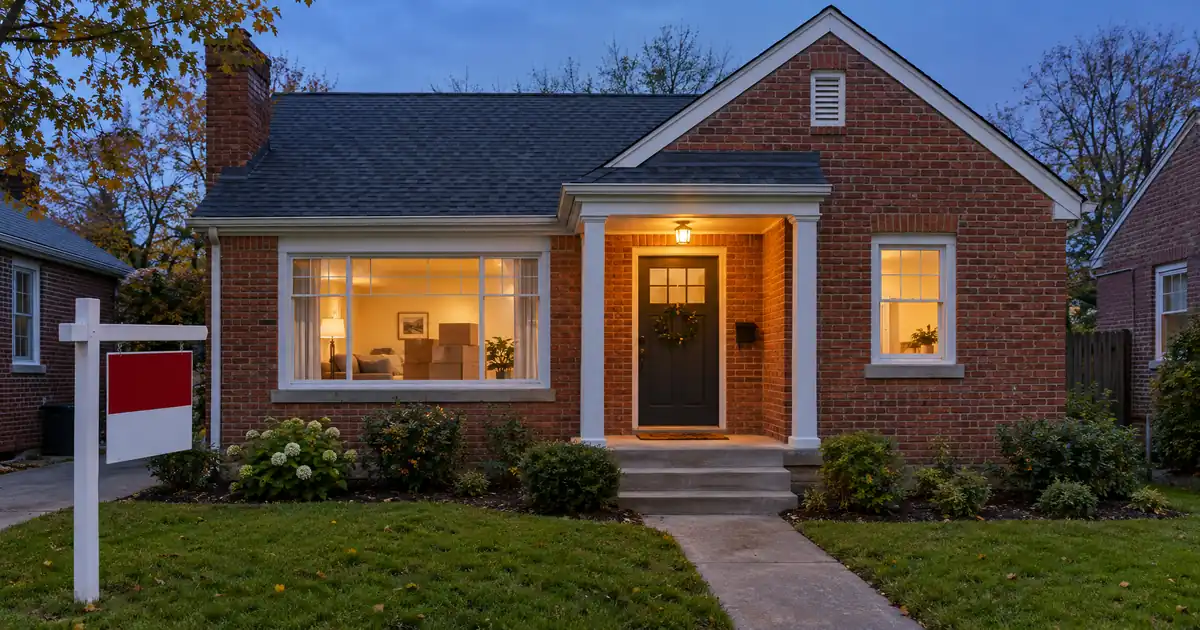
The Quick Read: Usually not, because an FHA cash-out loan needs the borrower to hold legal title, and during probate title often still sits with the estate. FHA does have an inheritance exception that waives the usual occupancy wait. It does not waive the title requirement. Once a deed is recorded in your name, the exception can work in your favor.
Why Title Matters More Than the Occupancy Exception
The short version: two different gates sit in front of this loan, and the inheritance exception only opens one of them.
Gate one is occupancy. The standard FHA cash-out rule asks that you owned and lived in the home as your principal residence for the 12 months before the case number is assigned. Across the wholesale programs Lendmire places FHA files with, that is the rule on an ordinary cash-out. HUD’s handbook carves out an exception for inherited homes: the borrower does not need to meet that minimum occupancy period, as long as the home has not been treated as an investment property since the inheritance.
Gate two is title. FHA treats a refinance as a new mortgage for a borrower who holds legal title. If the deceased owner or the estate still holds title, the heir usually cannot be the borrower yet. The exception removes a clock. It does not create ownership.
HUD’s older reference material points the same direction. HUD’s archived Homeownership Center guide treated inherited properties as eligible for cash-out and required the lender to document the acquisition by inheritance. That guide is archived, so treat it as history. The current Handbook 4000.1 governs, and the older Mortgagee Letter 2009-08 on cash-out limits is now superseded by it.
Who Actually Holds Title During Probate?
It depends on your state, the will, the type of probate, and whether a court-appointed executor or administrator has authority to convey or borrow against the property. A lender and a title company decide that file by file. This is not legal advice, and a probate attorney is the right person to confirm where you stand.
What the lender and title company generally look for:
- A recorded deed in the heir’s name
- A court order or letters from the probate court showing who has authority
- A transfer-on-death deed or a trust distribution, where one applies
Being named in the will is not the same as holding title. Neither is being the family member living in the house. Until a recorded document puts the property in your name, expect a cash-out lender to wait.
Which Inheritance Route Are You On?
Not every inherited home goes through a long probate. The route shapes when title lands in your hands.
| Route | Who holds title now | Effect on a cash-out |
|---|---|---|
| Will in active probate | Estate | Wait for deed or court order |
| No will, administration | Estate | Wait for appointment, then deed |
| Transfer-on-death deed | Heir, after recording | May be ready sooner |
| Trust distribution | Trust, then heir | Wait for distribution deed |
| Joint survivorship | Surviving owner | Often already in your name |
Several of these can skip or shorten the wait. Rules vary by state, so confirm locally.
What FHA Cash-Out Needs From an Inherited Home
Once title is yours, the file looks like a regular FHA cash-out with the occupancy piece adjusted. Here is how we see these files built, across the wholesale lenders we work with.
- Title in your name. Recorded and insurable.
- No investment use since inheriting. If you rent the home out after inheriting it, the exception is lost. You would then need to occupy it as your principal residence for 12 months before a cash-out.
- Documentation of the inheritance. Typical evidence is the death certificate, the will or court order, and the recorded deed. That list is practice, not a HUD quotation.
- Clean existing-mortgage history. If the home carries a mortgage, FHA looks at whether payments were made within the month due over the previous 12 months, or since the loan began if shorter. FHA-focused guidance flags this one, and it is where files get hurt. Payments missed while the estate was in limbo can sink the loan.
- Credit and income. You are underwritten as a new borrower. A 580 decision score is the floor at the wholesale programs Lendmire works with, and ratios start from a 31/43 base, reaching 40/50 with documented compensating factors. The automated finding governs most files.
- An appraisal and equity. The FHA cash-out reaches 80% LTV on a home owned and occupied for 12 months before the case number, and the inheritance exception adjusts that occupancy test for inherited homes. Other limits and the exact treatment of inherited homes depend on the lender and a full file review. County loan limits also apply.
On a mid-value home, 80% leaves less cash than many heirs expect once the existing balance is paid off. Do that arithmetic with a loan officer before assuming the loan covers a sibling buyout.
If you want the program overview, Lendmire’s FHA cash-out refinance program page lays out the basics.
Key Terms Defined
Probate: The court process that validates a will, settles debts, and passes assets to heirs.
Letters of authority: Court documents (called letters testamentary or letters of administration) showing who may act for the estate.
Vesting: The point when legal title is recorded in a person’s name.
Successor in interest: A person who receives an ownership interest in a mortgaged home, such as an heir, and may have servicing rights on the existing loan.
Seasoning: The length of time you have owned or occupied a home before a loan type will allow cash-out.
Special Situations
The home has an existing mortgage. Inheriting a house does not erase the mortgage. Under federal law, a lender generally cannot call the loan due only because a relative inherits after the borrower’s death. Keeping the existing loan is not the same as a cash-out. It continues the old loan and does not hand you cash. Under Regulation X, a confirmed successor in interest is treated as a borrower for servicing rules, so you can ask the servicer about your options.
The home is paid off. There is no payment history to worry about, but the title and occupancy rules still apply.
You rented it while waiting. That ends the exception. Even a short-term lease to cover carrying costs can look like investment use. Ask before you sign a lease.
Several heirs. FHA is restrictive about co-owners who are on title but not on the loan. If you are buying out siblings, the title company and lender need the buyout terms and an agreed value in writing. A separate appraisal helps settle the number.
The home was never your residence. FHA cash-out is for a principal residence. If you are not going to live in the home, one sentence settles it: occupancy decides the program, and this one is not the fit.
A Buyout Scenario Without the Dollar Signs
Picture three siblings who inherit a home with a mortgage. One sibling lives there and wants to keep it. After the court confirms authority and a deed is recorded in that sibling’s name, a cash-out loan could pay off the old mortgage and fund the siblings’ shares. The sibling’s credit, income, and the home’s appraised value decide how much equity is reachable at 80% LTV. Final terms depend on lender guidelines, property type, leverage, and the borrower’s complete credit picture.
Here is the catch. If the siblings’ agreed buyout plus the old mortgage exceeds what 80% of the value allows, the plan falls short. Sort out that math early, before anyone relies on the proceeds.
While You Wait: What Actually Helps
Waiting is frustrating, but there is useful work to do.
1. Ask the probate attorney when a deed can realistically be recorded.
2. Ask a loan officer and the title company early what they need.
3. Keep the existing mortgage current, even if the estate pays.
4. Insure and secure the home.
5. Hold off on renting it.
6. Line up an appraisal and a written sibling agreement.
If you need cash now rather than later, FHA cash-out is probably the wrong tool during probate. Options like selling the home, or a different financing product after title vests, may fit better. Lendmire’s piece Can a Homeowner Get a HELOC on an Inherited Home Before Probate Closes? covers the closest alternative.
Some lenders outside the standard channels advertise cash against estate property. Those are specialty products with different risks, and they are not FHA loans. Read the terms carefully before choosing one.
Common Mistakes
- Assuming the exception means you can cash out right away.
- Renting the home before the loan closes.
- Letting mortgage payments lapse during probate.
- Treating a promise from a family member as proof of authority.
- Confusing keeping the old loan with getting a new one.
Tax treatment can depend on your situation; borrowers should speak with a qualified tax professional before relying on any deduction or credit.
Frequently Asked Questions
Can the executor take out an FHA cash-out loan for the estate?
Generally no. FHA cash-out is for an owner-occupant borrower who holds title. An estate or representative is not that borrower. Whether anyone can encumber estate property depends on state law and the court’s authority, so ask the probate attorney.
Does the inheritance exception remove the 12-month occupancy rule?
Yes, in the sense that you need no minimum occupancy period before the cash-out, provided you have not used the home as an investment property since inheriting. You still need title, credit, income, and a clean payment history.
What happens if I rent the home after I inherit it?
You lose the exception. You would then need to live there as your principal residence for 12 months before a cash-out.
Can I assume the existing mortgage instead?
Often you can keep the loan in place, since federal law generally bars a lender from calling it due solely because a relative inherited. That continues the old loan. It does not provide cash. Cash requires a new cash-out loan.
Do I owe the mortgage personally as an heir?
Not automatically. A successor who has not assumed the loan is generally not personally liable under state law, though the lender keeps its lien and may foreclose where permitted. A probate attorney can confirm how this works where you live.
If you are weighing a cash-out refinance against keeping the loan you have, Lendmire can help you compare the programs and the equity each one reaches. Reach the team at 828-256-2183, or see the FHA cash-out page for next steps. Program details are subject to lender guidelines and full file review, and nothing here is a commitment to lend.
For your own numbers, request a scenario review with Lendmire.
About Lendmire
Lendmire, NMLS# 2371349, is a mortgage brokerage with consumer lending licenses in 16 states. FHA, VA, conventional and jumbo purchase and refinance loans are arranged through wholesale lending partners, and each application is reviewed individually by the lender. Scotsman Guide named Lendmire a Top Mortgage Workplace in both 2025 and 2026.
Get Started
Ready to find the right loan for you?
In about 30 seconds you can review financing options available for your home or investment property. No commitment required.
Informational only. Not a Loan Estimate, approval, or commitment to lend. Program availability and eligibility are subject to lender guidelines, credit approval, property review, and underwriting.
References
1. HUD Archives, Homeownership Center Reference Guide: Refinances
2. HUD Single Family Superseded Policy Documents
3. FHA News and Views: inherited-home cash-out
4. CFPB Regulation X § 1024.31
This article is part of Lendmire’s FHA Loan series — every loan program’s qualification details, guidelines, and scenarios live on the loan options page.
Related reading: How to Plan Your Exit From MIP After an FHA Cash-Out · How a Low Appraisal Limits an FHA Cash-Out at the Cap · Can You Refinance Out of FHA With a Conventional Cash-Out Refinance?
Brandon Miller
Founder & CEO, Mortgage Loan Originator, Lendmire LLC
- Mortgage Loan Originator · NMLS# 1129696 · Verify on NMLS Consumer Access
- North Carolina Real Estate Broker · License# 343312 · Verify on NCREC
- North Carolina Insurance Producer · License# 19053198 · Property, Casualty, Life, Health · Verify on NAIC SBS
- Lendmire LLC · Firm NMLS# 2371349 · Verify firm licensure
Compliance and disclosures. Lendmire (NMLS# 2371349) is a licensed mortgage broker and is not a direct lender, depository institution, financial advisor, or tax professional. Content in this article is general market analysis and educational information — not financial, legal, or tax advice for any specific situation. Lendmire does not guarantee loan approval; every transaction is subject to underwriting by the funding lender. Mortgage pricing and loan program guidelines are subject to change at any time without notice and vary by borrower characteristics, property type, and state regulations. Lendmire complies with Equal Housing Opportunity. Licensure verification: NMLS Consumer Access.