
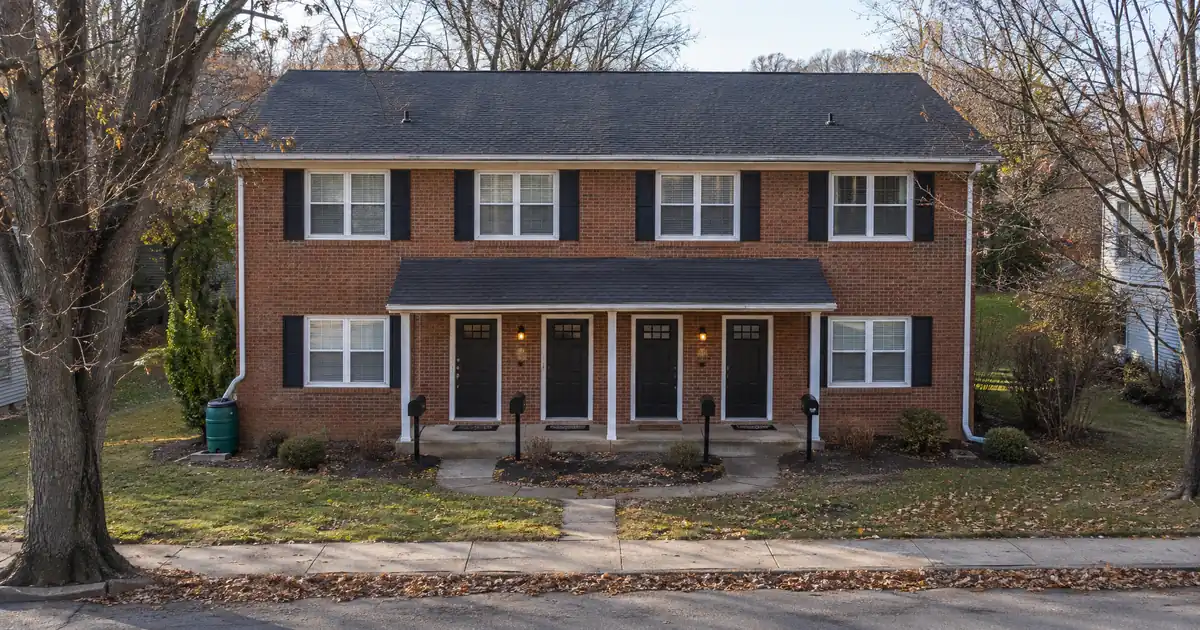
The Quick Read: Raising your net operating income can help, but it does not size the loan by itself. On an owner-occupied fourplex, the lender looks at the appraised value, the rent it can document under set rules, and your own credit, ratios and reserves. Conventional cash-out on a two- to four-unit home you live in tops out at 75% LTV, so a bigger NOI helps only as far as it moves the appraisal and the documented income. These specifics are subject to lender guidelines and a full review of property, leverage, and credit.
What Does “Raising NOI” Actually Change on a Fourplex You Live In?
Two things can change: the appraised value and the rental income a lender counts toward your ratios. Neither moves automatically. The lender does not underwrite your pro forma. It underwrites what the appraiser reports and what your file proves.
Cash-out refinance estimate
The starting figures are an example value with a balance and a cash request in proportion. Replace them with yours.
Editable benchmark: 7.24% as of October 29, 2026 · Freddie Mac 30-year average via FRED®. A conventional market reference, not a cash-out refinance quote.
Illustrative starting assumptions: a $350,000 home value, a $193,000 current balance, the agency cap on a one-unit principal residence, a thirty-year term at the current Freddie Mac benchmark, and property taxes and insurance estimated at typical national rates. Every field is editable.
Illustrative estimate only — not a Loan Estimate, approval, quote, or commitment to lend. The rate field carries the weekly Freddie Mac thirty-year conventional benchmark, a market reference and not a cash-out refinance quote; a cash-out loan is priced by the lender at lock. The cash available is the loan the program cap allows less the balances paid off, before closing costs, which are not included. The HELOC line is the program’s combined loan-to-value ceiling applied to the same value and balance. Taxes and insurance are editable estimates. Licensed in sixteen states for consumer mortgages.
NOI is rent plus other income, minus operating costs, before the mortgage. Investors use it to value larger apartment buildings. A fourplex you live in is different. Across the wholesale programs we place files with, it is treated as a residential property with rental income. It is not a commercial asset valued on a cap rate.
So the first question is not “How much did NOI rise?” It is “How much of that rise will show up in the appraisal and in the income the lender can count?”
Key Terms Defined
- NOI (net operating income): Rent and other property income minus operating expenses, before any mortgage payment.
- Cash-out refinance: A new, larger loan that pays off the old one and hands you the difference in cash.
- Limited cash-out refinance: The agencies’ name for a rate-and-term refinance with only small incidental cash back.
- Seasoning: The time you have held the property and the time the existing loan has been in place.
- Market rent: What the appraiser reports a unit would rent for, which can differ from what you charge.
Is a Fourplex Cash-Out the Same as a “Limited Cash-Out”?
No. Limited cash-out is a rate-and-term loan. It pays off your first mortgage, closing costs and any purchase-money second lien. Cash back is capped at incidental amounts: under Fannie Mae, the lesser of 2% of the new loan or $2,000; under Freddie Mac, the greater of 1% of the new loan or $2,000. Fannie Mae’s Selling Guide on limited cash-out transactions explains the difference, and its highest-leverage tier applies only to a one-unit principal residence. A fourplex sits outside it.
If you want real equity out, you need a full cash-out refinance. Lendmire’s cash-out refinance programs page lays out the options. The government streamlines, the FHA Streamline and the VA IRRRL, cannot do this at all. They lower the cost of an existing government loan and take no equity out. VA’s home loan page describes the IRRRL as a VA-to-VA product.
How the Loan Is Underwritten, Step by Step
1. Occupancy. You live in one of the four units. Conventional and FHA cash-out require that. VA requires the veteran, or an active-duty spouse, to live there.
2. Seasoning. The first mortgage being paid off must be at least 12 months old, note date to note date. A borrower must also have been on title for 6 months. Delayed financing, inheritance and legal-award exceptions exist. Fannie Mae’s archived cash-out guide shows the same six-month title idea, though that version is old and the current guide governs.
3. Document the raise. Gather leases for the new rents and proof they are in effect. Add prior tax returns showing rental history.
4. Appraisal. For a four-unit, the appraiser reports market rent on a small-income-property form. That figure and the value drive the maximum loan.
5. Qualifying income. The lender reduces gross rent to allow for vacancy and upkeep. You are not credited with every dollar you collect.
6. Ratios, credit and reserves. Wholesale conventional programs start at a 620 decision score. The automated finding governs most files, with a total ratio ceiling of 50%.
7. Disclosures and closing. Cash is released after the cancellation window on a principal residence has passed.
All of this is subject to lender guidelines and full file review. None of it is a commitment to lend.
Which NOI Increases Does a Lender Credit?
| Type of increase | What proves it | Risk |
|---|---|---|
| Higher rents | Signed leases, bank deposits | Appraiser may report lower market rent |
| Lower expenses | Tax-return history | Little effect on a residential-style loan |
| Other income | Records over time | Often not counted |
Rent increases are the cleanest to prove, and they cut both ways. Fannie Mae’s Quality Insider article on rental income says leases need support: an appraisal rent schedule, or proof the lease terms are in effect, such as two consecutive months of bank statements or transfers matching the lease. A new lease needs the security deposit and first month’s rent.
Expense cuts mostly help your own picture of the building. A lender working from a residential-style file cares about appraised value and documented rent, not your trimmed operating budget.
Where the Rent History Rule Bites
Counting rental income as a plus to your ratios generally requires a year of landlord or property-management experience, per the same Fannie Mae article. Picture a first-time landlord who bought the fourplex, rebuilt two units and re-leased them. That borrower may get credit only to offset the property’s own payment, not to add income. Someone with several years of Schedule E history on the building usually fares better.
Rent from the unit you live in generally does not count as income to qualify. Only the other three units can help.
Fourplex Worked Example
Say you own a fourplex and have raised rents on all three rented units. The appraisal comes in higher. At 75% LTV, the maximum new loan is 75% of that new value. From it, subtract your existing payoff and closing costs. What remains is your cash. Terms depend on the lender’s guidelines, the property type, the leverage, and a full review of the credit profile. Two things can shrink it:
- The appraiser reports lower market rent, so value comes in below your expectation.
- The new, larger payment pushes your ratios past the 50% ceiling.
Because a bigger loan means a bigger payment, you might take less than the maximum. A smaller cash-out can improve your ratios and leave more breathing room. That is often the better call when the margin is thin.
| Factor | Maximum cash-out | Reduced cash-out |
|---|---|---|
| Loan size | 75% LTV | Below 75% LTV |
| Payment burden | Highest | Lower |
| Ratio cushion | Thin | Wider |
| Cash in hand | Most | Less |
Where the General Rule Breaks
FHA on a three- or four-unit building. FHA allows one- to four-unit properties but applies a self-sufficiency test and a reserve requirement on three- and four-unit buildings. HUD’s archived refinance reference shows that structure, though its leverage figure is out of date. Check the current handbook before relying on it. The exact numbers vary by lender and program and follow a full review of property, leverage, and credit.
VA. VA’s cash-out page requires a Certificate of Eligibility and that you live in the home. The lender, not VA, orders the appraisal.
Moving out. If you move out, the loan becomes an investment-property refinance. Leverage on conventional cash-out stays at 75% on two to four units, but the program lane and documentation change, and the property is no longer your principal dwelling.
Texas homestead. A cash-out on a homestead is capped at 80% of value by the state constitution. A fourplex that is your homestead is still subject to the other rules above.
Above the conforming limit. Jumbo lanes take over, with their own score and leverage rules.
What If the Appraisal Comes in Low?
Your options are to take less cash, wait and re-lease at supportable rents, or keep the existing loan. Rebuttals with strong comparable rents sometimes help, but the appraiser’s figure usually stands. Do not borrow against a number you hope to see. Borrow against the one in the report.
Mistakes to Avoid
- Assuming a higher NOI automatically raises the loan.
- Confusing “limited cash-out” with a small cash-out.
- Pricing the deal off all four units’ rent, including your own.
- Raising rents the week before applying, without leases and deposits to show for it.
- Ignoring that cash out raises the balance and the interest paid over the life of the loan, as VA’s consumer news notes.
Timing: When Does the Cash Arrive?
On a refinance of your principal dwelling, you generally have until midnight of the third business day to cancel. Saturdays count; Sundays and legal holidays do not. The cash is disbursed after that window closes, as explained by the CFPB. For a deeper look at the value question, see Lendmire’s article Does Raising NOI Increase a Multi-Family Cash-Out Refinance?.
Tax treatment can depend on your situation; borrowers should speak with a qualified tax professional before relying on any deduction or credit.
Frequently Asked Questions
Will a higher NOI automatically get me a bigger loan?
No. The loan is sized by appraised value and your documented income, not by your own NOI figure. A rent increase helps only if the appraiser supports it and your leases and deposits prove it.
How much of my rent will the lender count?
Less than all of it. Conventional underwriting reduces gross rent to allow for vacancy and upkeep, and the unit you live in generally does not count. Your first year as a landlord limits how much counts as added income.
How long must I own the building before a cash-out?
For conventional cash-out, a borrower generally must have been on title for 6 months, and the first mortgage being paid off must be at least 12 months old. Delayed financing and inheritance exceptions exist. Confirm against current guidelines.
Can an FHA Streamline or VA IRRRL pull cash out of a fourplex?
No. Both are for lowering the cost of an existing government-backed loan and take no equity out. For cash, you need a full cash-out program.
Is a smaller cash-out ever the better choice?
Often, yes. A lower loan amount keeps your payment burden and ratios more comfortable, which matters when the appraisal or rent comes in below your expectation.
Weighing It Against Keeping Your Loan
If you are weighing a cash-out refinance against keeping the loan you have, Lendmire can help you compare the programs and the equity each one reaches, subject to lender guidelines and full file review.
For your own numbers, request a scenario review with Lendmire.
For current guidelines and terms, see Lendmire’s refinance programs page.
About Lendmire
Lendmire — NMLS# 2371349 — is a mortgage broker that arranges FHA, VA, conventional and jumbo home purchase and refinance financing in 16 states through wholesale lenders. Every option is subject to the lender’s guidelines and full underwriting. Scotsman Guide named Lendmire a Top Mortgage Workplace in both 2025 and 2026.
Get Started
Ready to find the right loan for you?
See your offer in seconds. No credit pull, no obligation.
Informational only. Not a Loan Estimate, approval, or commitment to lend. Program availability and eligibility are subject to lender guidelines, credit approval, property review, and underwriting.
References
1. Fannie Mae Selling Guide: Limited Cash-Out Refinance Transactions
4. HUD Archives HOC Reference Guide, Refinances
This article is part of Lendmire’s cash-out refinance program — full qualification details, guidelines, and scenarios live on the program page.
Related reading: Cash-Out Refinance Requirements for a Divorce Buyout · Cash-Out Refinance Requirements When You Are Relocating · Cash-Out Refinance Requirements for Consolidating Debt
Brandon Miller
Founder & CEO, Mortgage Loan Originator, Lendmire LLC
- Mortgage Loan Originator · NMLS# 1129696 · Verify on NMLS Consumer Access
- North Carolina Real Estate Broker · License# 343312 · Verify on NCREC
- North Carolina Insurance Producer · License# 19053198 · Property, Casualty, Life, Health · Verify on NAIC SBS
- Lendmire LLC · Firm NMLS# 2371349 · Verify firm licensure
Required disclosures. Lendmire (NMLS# 2371349) operates as a licensed mortgage broker, not a direct lender or depository. The discussion in this article is general in nature and should not be relied upon as financial, legal, or tax advice — every investment scenario is unique and should be reviewed by a qualified professional. Any loan inquiry is subject to lender underwriting, and this article is not a commitment to lend or a guarantee of approval. Mortgage rates, loan terms, and program guidelines vary by borrower, property, and state, and may change without notice. Equal Housing Opportunity. Verify licensure at NMLS Consumer Access.